

What should procurement teams check before ordering custom decorative panels?
Before ordering custom decorative panels, procurement teams must verify a series of interdependent technical and logistical parameters—not as isolated checkboxes, but as connected variables that collectively determine fit, function, and long-term performance. A mismatch in any one dimension can cascade into installation delays, aesthetic inconsistencies, or noncompliance with fire safety requirements. The following considerations reflect real-world decision points observed across commercial interior projects where panel specifications intersect with material behavior, fabrication limits, and site constraints.
Material Composition and Substrate Compatibility
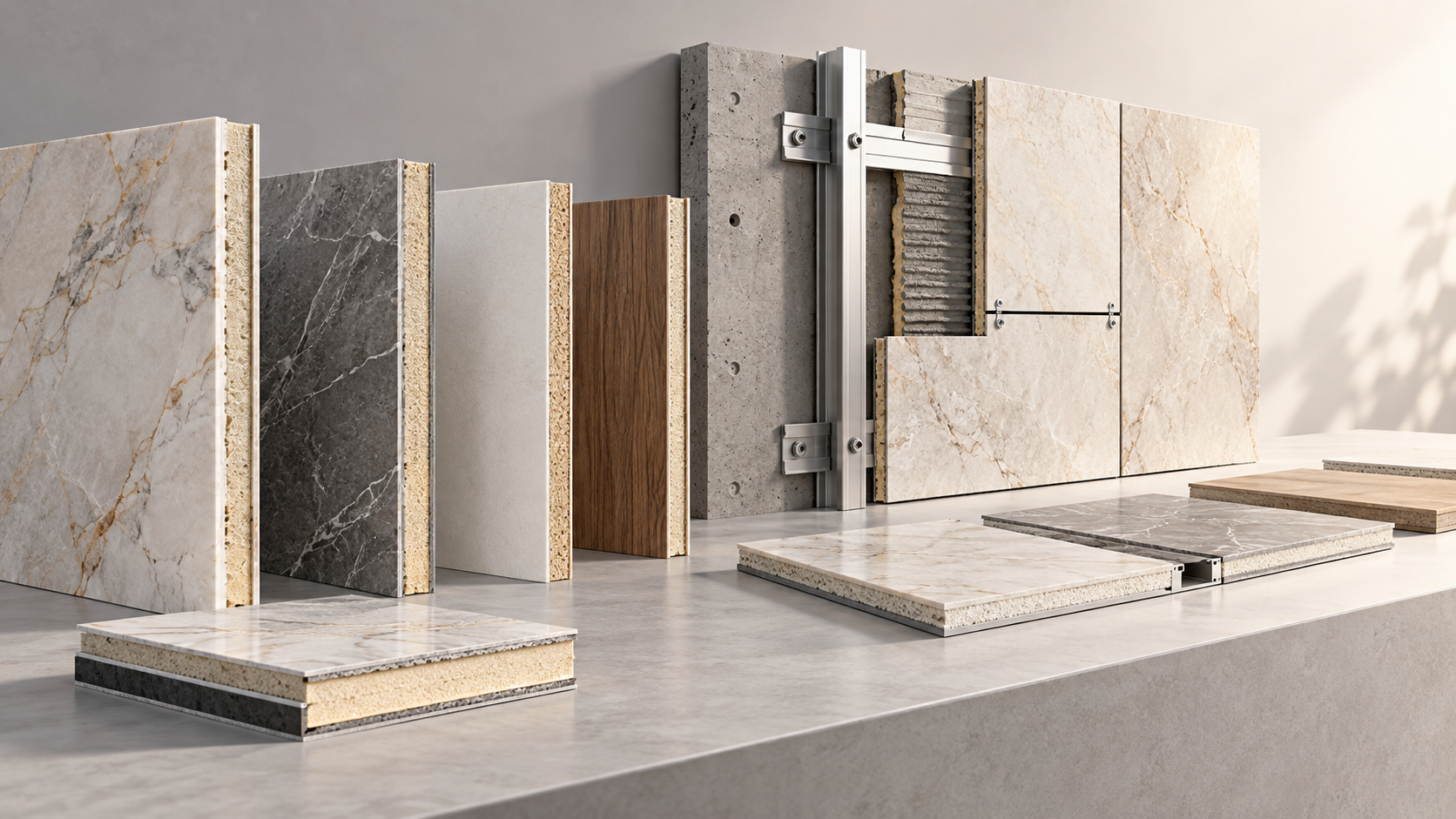
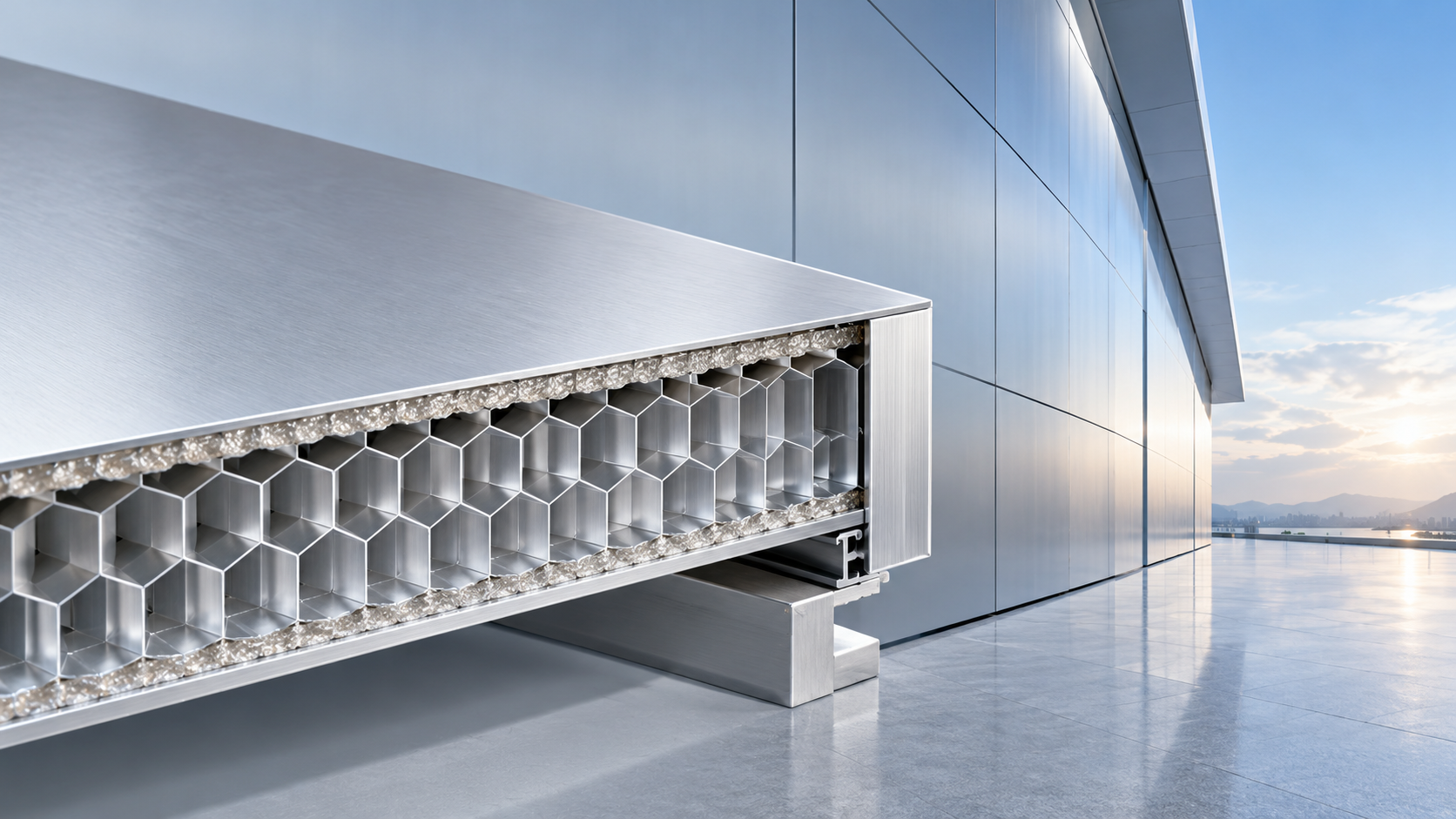
Custom decorative panels are rarely just surface finishes—they are engineered assemblies. The core substrate (e.g., MDF, aluminum honeycomb, mineral fiberboard, or fire-rated gypsum) dictates thermal expansion rates, screw-holding capacity, and edge stability during cutting and routing. For instance, high-density MDF may accept fine-detail engraving but requires precise moisture acclimation before machining; aluminum-core panels offer dimensional stability in large formats but demand specialized fastening systems to avoid galvanic corrosion when mounted to steel framing. Procurement must confirm not only the stated material grade but also how it interacts with adjacent substrates—especially when panels interface with HVAC ductwork, acoustic insulation, or structural cladding. A fire-rated decorative panel installed over an untested backing layer may fail full-system fire testing, even if the panel itself meets ASTM E84 Class A.
Fire Performance: Beyond the Label
A fire resistance rating on a datasheet does not guarantee compliance in situ. Panels tested as standalone specimens behave differently when integrated into multi-layer wall or ceiling assemblies. Critical factors include joint treatment (gaps between panels, perimeter sealants), backing materials, cavity depth, and proximity to heat sources such as recessed lighting or HVAC vents. For example, a panel rated for 60-minute fire integrity in a UL-certified assembly may lose that rating if installed with non-compliant gaskets or if field-cut edges are left unsealed. Procurement should request full system test reports—not just product-level certifications—and verify that the specified installation method matches the tested configuration.
Dimensional Tolerances and Edge Treatment
Decorative panels are often ordered to exact millimeter dimensions, yet manufacturing tolerances vary by process and material. CNC-routed wood-based panels typically hold ±0.3 mm tolerance on length/width, while thermally formed metal composites may exhibit ±0.5 mm variation due to springback after cooling. More consequential is edge consistency: beveled, eased, or laminated edges require secondary processing steps that introduce cumulative error. A 2 mm chamfer applied to all four sides of a 2400 × 1200 mm panel reduces effective size by 4 mm per axis—but if edge treatment is applied inconsistently across batches, adjacent panels may show visible misalignment despite nominal sizing. Procurement must specify whether tolerances apply to raw stock or finished parts—and whether edge treatments are included in dimensional guarantees.
Surface Finish Consistency Across Batches
Color, texture, and gloss level are not static properties. UV-cured lacquers shift hue under different curing intensities; digitally printed veneers vary in ink absorption depending on substrate porosity; metallic coatings change reflectivity based on ambient humidity during application. A sample approved in January may differ subtly from production units shipped in May—even with identical formulations—due to seasonal variations in raw material moisture content or factory ambient conditions. Procurement should require batch-specific color measurements (e.g., ΔE ≤ 1.5 against master standard), not just visual approval of a single swatch. When panels span multiple façade zones or interior volumes, specifying a single production run—or approving a “batch bridge” protocol—is essential to avoid perceptible transitions.
Installation Method and Structural Integration
The chosen mounting system directly affects panel integrity. Adhesive-bonded installations rely on substrate flatness and surface energy—MDF with low-surface-energy melamine overlays may delaminate if primers are omitted. Mechanical fasteners introduce localized stress; concealed clip systems require precise kerf depth and panel thickness control, while exposed screw systems demand consistent countersinking and finish matching. Crucially, thermal and acoustic expansion gaps must be accounted for in both horizontal and vertical runs. A 3 mm gap specified for linear expansion assumes stable ambient temperatures; in environments with diurnal swings exceeding 15°C, that gap may prove insufficient, leading to buckling or joint separation. Procurement must cross-check mounting instructions against actual site conditions—not just architectural drawings.
Lead Time Dependencies and Change Control
Custom panels involve sequential dependencies: substrate sourcing → surface application → edge finishing → quality inspection → packaging → logistics coordination. A delay at any stage compounds downstream. For example, a change in veneer grain direction requested after substrate layup has begun may require re-machining entire sheets rather than simple re-printing. Procurement must identify which parameters are locked early (e.g., core thickness, fire rating, edge profile) versus those modifiable up to final sign-off (e.g., gloss level, minor dimensional tweaks). Clear documentation of revision points—and contractual clarity on who bears cost for late-stage changes—prevents disputes when field conditions necessitate adjustments.
Environmental and Handling Constraints
Decorative panels arrive site-ready—but only if handled correctly. High-gloss acrylic-faced panels scratch easily during unloading if dragged across rough concrete; perforated metal panels dent if stacked without interleaving spacers; large-format stone composites require vacuum-lift equipment for safe placement. Procurement must confirm transport packaging (edge protectors, moisture barriers, pallet orientation) aligns with site access limitations—e.g., elevator dimensions, stairwell width, or crane reach. Panels stored on-site for more than 72 hours require climate-controlled conditions if they contain hygroscopic cores; otherwise, warping or adhesive failure may occur before installation even begins.
These checks do not exist in isolation. A fire-rated panel with tight dimensional tolerances may require slower curing cycles, extending lead time. A high-gloss finish may necessitate stricter handling protocols, affecting site logistics. Procurement success lies not in verifying each item separately, but in recognizing how these parameters constrain and enable one another—transforming specification review from administrative formality into coordinated technical alignment.
RECOMMEND

Oct 26, 2026
How Do You Choose Fire-Resistant Composite Panels for Commercial Use?
Choose fire resistant composite panels for commercial interior projects. Learn how to verify fire documentation, compare options, and avoid costly specification mistakes.
Oct 26, 2026
Are Meilin Board Custom Panels Suitable for Luxury Hotel Lobbies?
Explore Meilin Board custom decorative panels for luxury hotel lobbies. Discover design considerations and essential fire, emissions, and maintenance checks before specifying your project.
Oct 26, 2026
Stone-Look Wall Panels vs. Natural Stone: Which Costs Less?
Compare stone look wall panels vs natural stone cost, from materials and installation to maintenance. Discover which option delivers better value for your next wall project.
Oct 25, 2026
How Strong Are Meilin Board Aluminum Honeycomb Panels?
Explore aluminum honeycomb panels structural strength with Meilin Board. Learn how thickness, core design, and fixings affect performance to choose panels confidently.