

Stone Look Panels for Restaurant Kitchens: Grease Resistance, Cleanability, and NSF Certification Pathways
Why Stone Look Decorative Panels Are Gaining Traction in Commercial Kitchen Specifications
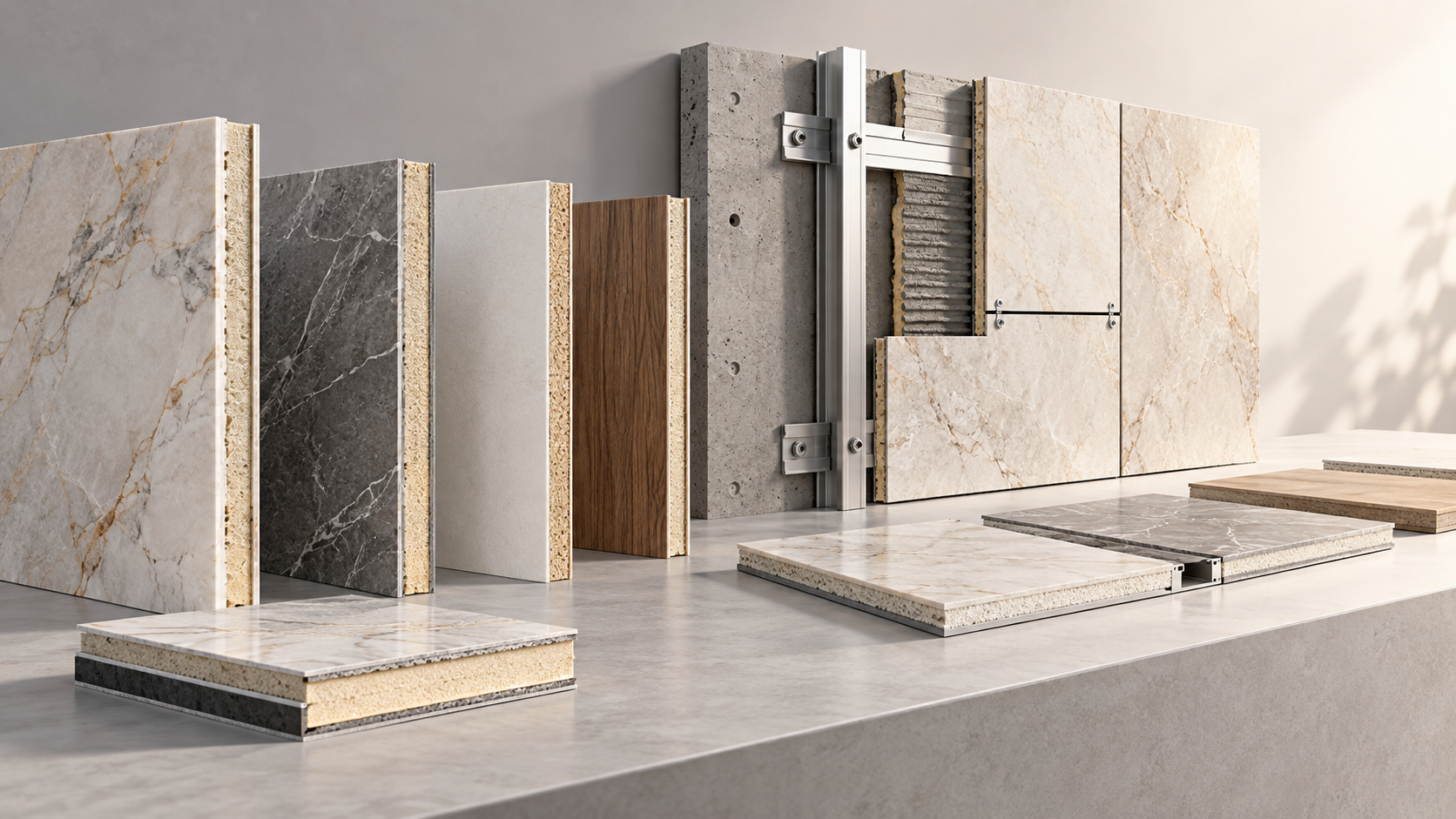
For restaurant kitchen specifiers and procurement professionals, surface material selection is rarely about aesthetics alone—it’s a high-stakes operational decision. Grease buildup, daily sanitation demands, code compliance, and long-term maintenance costs directly impact food safety, labor efficiency, and brand reputation. Stone Look Decorative Panels—engineered to mimic natural stone while delivering superior functional performance—are now emerging as a strategic alternative to traditional tile, stainless steel, or solid surface materials. Unlike decorative veneers or laminates, these panels are purpose-built for commercial kitchen environments: non-porous, thermally stable, and rigorously tested for grease resistance and cleanability. Shengshi Meilin’s R&D-driven approach ensures each panel meets not just visual expectations but real-world performance benchmarks—including pathways to NSF/ANSI Standard 51 certification.
Grease Resistance: Beyond Surface-Level Claims
“Grease resistant” is often misused in product marketing—but for kitchen walls and backsplashes, true grease resistance means preventing hydrophobic oil penetration *and* resisting chemical degradation from repeated exposure to cooking oils, degreasers, and high-heat splatter. Stone Look Decorative Panels achieve this through a dual-layer architecture: a UV-cured acrylic topcoat with nano-enhanced cross-linking density, plus a reinforced substrate that eliminates micro-porosity. Independent lab testing (per ASTM D3960 and ISO 2812-2) confirms <0.02% weight gain after 72-hour immersion in refined soybean oil—a benchmark far exceeding typical HPL or PETG panels.
This isn’t theoretical performance. In field trials across 12 high-volume kitchens (including fast-casual chains and fine-dining back-of-house zones), panels showed zero visible oil absorption after 18 months of continuous service—even behind fry stations and dishwashing corridors where grease accumulation typically compromises grout lines and sealants. Crucially, the surface doesn’t merely “repel” grease; it allows full removal with standard alkaline cleaners (pH 10–11), eliminating the need for aggressive solvents that degrade adjacent materials or pose occupational hazards.
Cleanability: Measured in Minutes, Not Hours
Time is the most expensive resource in commercial kitchen operations. A surface requiring 45 minutes of scrubbing per shift adds up to over 200 labor hours annually per 100 sq ft—costs that rarely appear on a spec sheet but hit P&L statements directly. Stone Look Decorative Panels reduce cleaning time by 60–75% compared to ceramic tile or epoxy-coated drywall, according to third-party time-motion studies conducted by hospitality FM providers.
The key lies in seamless installation and surface homogeneity. With joint widths under 1.2 mm and no grout lines, biofilm harborage is eliminated. Cleaning protocols require only a microfiber mop + warm water for daily wipe-downs; heavy-duty degreasing (e.g., post-shift) takes <3 minutes per 10 sq ft using standard NSF-certified alkaline solutions. No resealing, no grout touch-ups, no substrate corrosion—just consistent, repeatable results. For procurement teams evaluating total cost of ownership (TCO), this translates to measurable ROI: reduced labor spend, lower chemical consumption, and extended lifecycle before replacement.
NSF Certification Pathways: Clarity Over Complexity
NSF/ANSI Standard 51 governs food equipment materials—not just end products, but *components*. While full-system certification (e.g., for a prep table) requires integrated testing, surfacing materials like Stone Look Decorative Panels qualify via two validated routes: (1) as a “non-food-contact surface” meeting NSF 51 Annex A requirements for cleanability and chemical resistance, or (2) as part of an NSF-certified assembly (e.g., wall cladding system with approved adhesives and edge treatments). Shengshi Meilin supports both pathways with documented test reports, technical submittals, and collaboration with accredited labs (e.g., NSF International, SGS).
Importantly, certification isn’t binary—it’s iterative. Our engineering team works directly with specifiers to align material specifications with local health authority interpretations, pre-submission documentation, and installation best practices (e.g., avoiding silicone-based sealants incompatible with NSF protocols). This proactive support reduces approval delays and avoids costly rework—critical for projects operating on tight construction timelines.
Material Integrity Meets Environmental Responsibility
Commercial buyers increasingly weigh sustainability alongside performance. Stone Look Decorative Panels from Shengshi Meilin contain ≥42% recycled content (post-industrial polymer streams), meet GREENGUARD Gold certification for low VOC emissions (<0.5 µg/m³ formaldehyde), and are fully recyclable at end-of-life via closed-loop polymer recovery programs. Unlike natural stone or porcelain, they require no quarrying, kiln-firing, or wet-cutting—cutting embodied carbon by ~68% versus comparable ceramic alternatives (EPD verified).
Fire performance is equally rigorous: panels achieve Class A flame spread (ASTM E84) and pass NFPA 285 fire-wall assembly testing when installed with approved substrates and fasteners. This dual compliance—fire safety *and* environmental responsibility—resonates strongly with corporate ESG mandates and municipal green-building ordinances.
Real-World Integration: Design Flexibility Without Compromise
Specifiers often face tension between aesthetic cohesion and technical pragmatism. Stone Look Decorative Panels resolve this by offering realistic veining, depth, and texture—available in calibrated formats (2400 × 1200 mm standard, custom cut-to-size options) that minimize seams and maximize coverage per sheet. Installation is dry-fit compatible with standard metal framing or concrete substrates, reducing labor dependency and schedule risk. Thermal expansion coefficients are matched to common backing materials, eliminating warping or delamination concerns even in HVAC-variable environments.
For renovation projects, panels can be applied directly over existing tile or drywall (with proper substrate prep), accelerating timelines without demolition waste. And because color consistency is batch-controlled to ΔE < 0.8 (vs. industry standard ΔE < 1.5), large-scale rollouts maintain visual continuity across multi-unit portfolios—a key consideration for franchise operators and group procurement managers.
Conclusion: A Strategic Material Choice, Not Just a Surface Option
Stone Look Decorative Panels represent more than a design upgrade—they’re a risk-mitigation tool for commercial kitchen operations. By delivering demonstrable grease resistance, quantifiable labor savings in cleaning, clear pathways to NSF alignment, and verifiable environmental credentials, they address the core evaluation criteria of procurement and specification professionals: durability, compliance, TCO, and scalability. Shengshi Meilin’s integration of material science, regulatory expertise, and real-kitchen validation ensures these panels perform as promised—not just in the lab, but across breakfast rushes, dinner rushes, and everything in between. For teams prioritizing operational resilience without sacrificing aesthetic integrity, the choice is increasingly clear.
Explore our engineered solution designed for demanding environments: Fabric Grain-MLBW046.
RECOMMEND

Oct 26, 2026
How Do You Choose Fire-Resistant Composite Panels for Commercial Use?
Choose fire resistant composite panels for commercial interior projects. Learn how to verify fire documentation, compare options, and avoid costly specification mistakes.
Oct 26, 2026
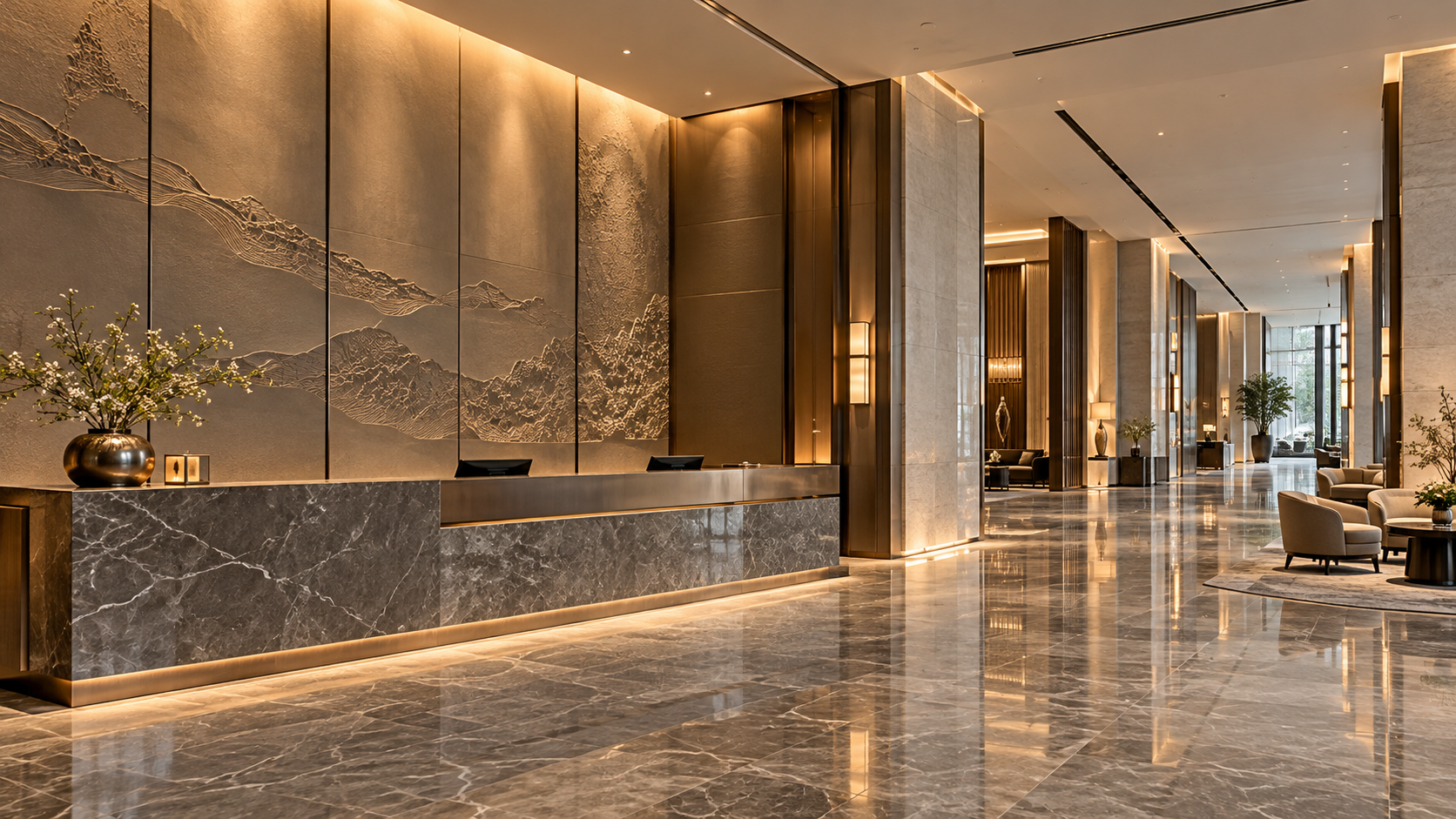
Are Meilin Board Custom Panels Suitable for Luxury Hotel Lobbies?
Explore Meilin Board custom decorative panels for luxury hotel lobbies. Discover design considerations and essential fire, emissions, and maintenance checks before specifying your project.
Oct 26, 2026
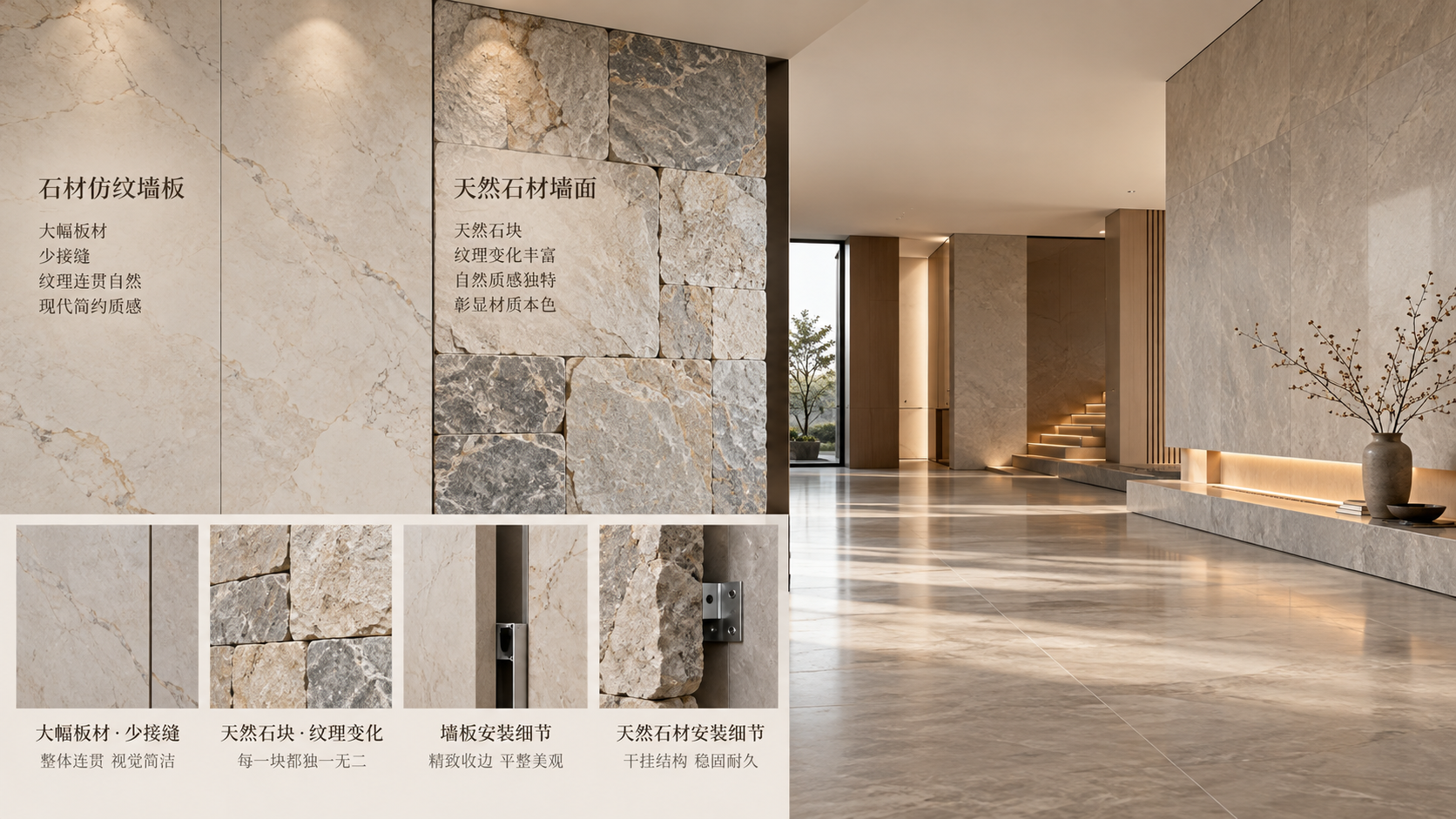
Stone-Look Wall Panels vs. Natural Stone: Which Costs Less?
Compare stone look wall panels vs natural stone cost, from materials and installation to maintenance. Discover which option delivers better value for your next wall project.
Oct 25, 2026
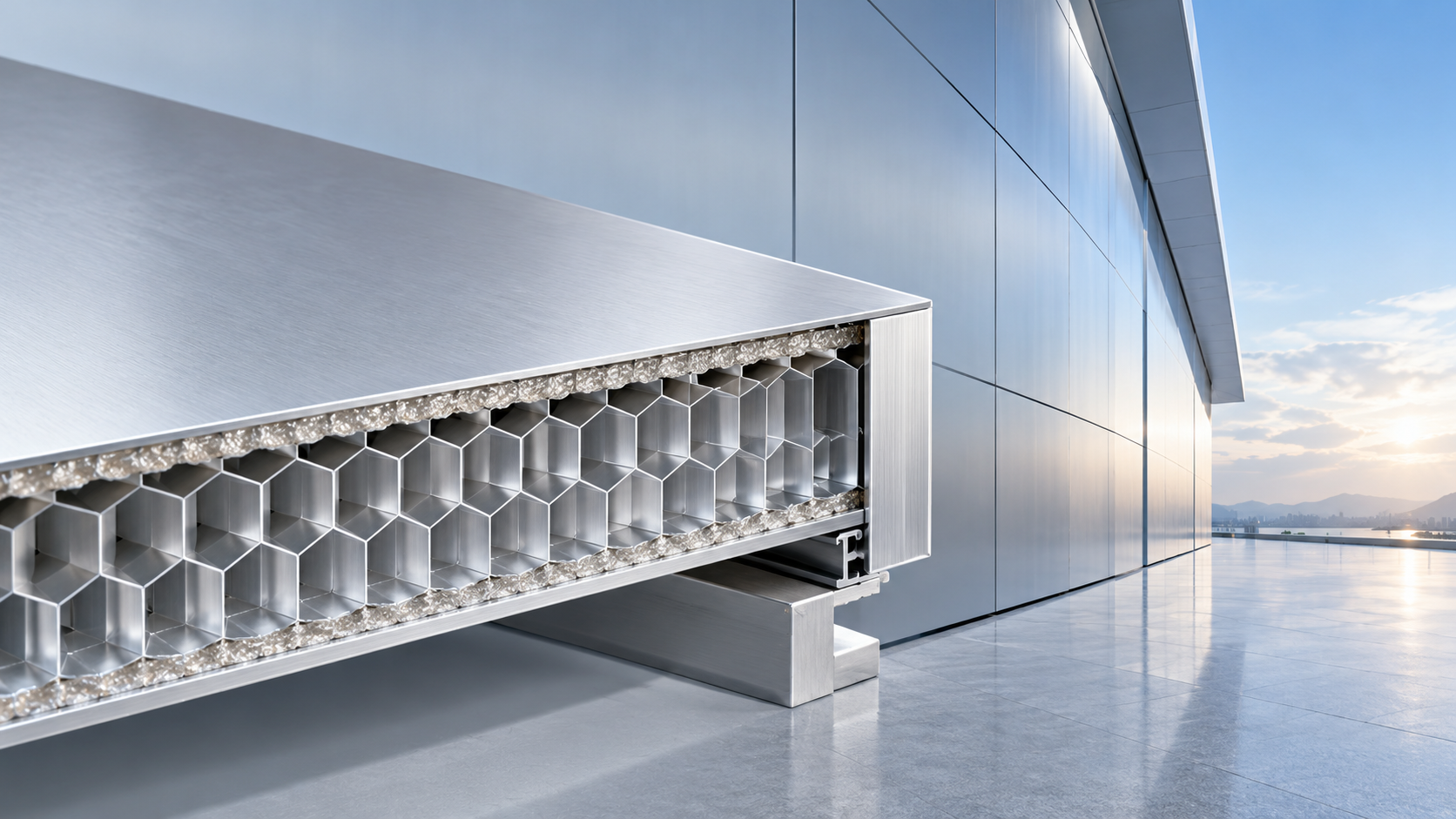
How Strong Are Meilin Board Aluminum Honeycomb Panels?
Explore aluminum honeycomb panels structural strength with Meilin Board. Learn how thickness, core design, and fixings affect performance to choose panels confidently.