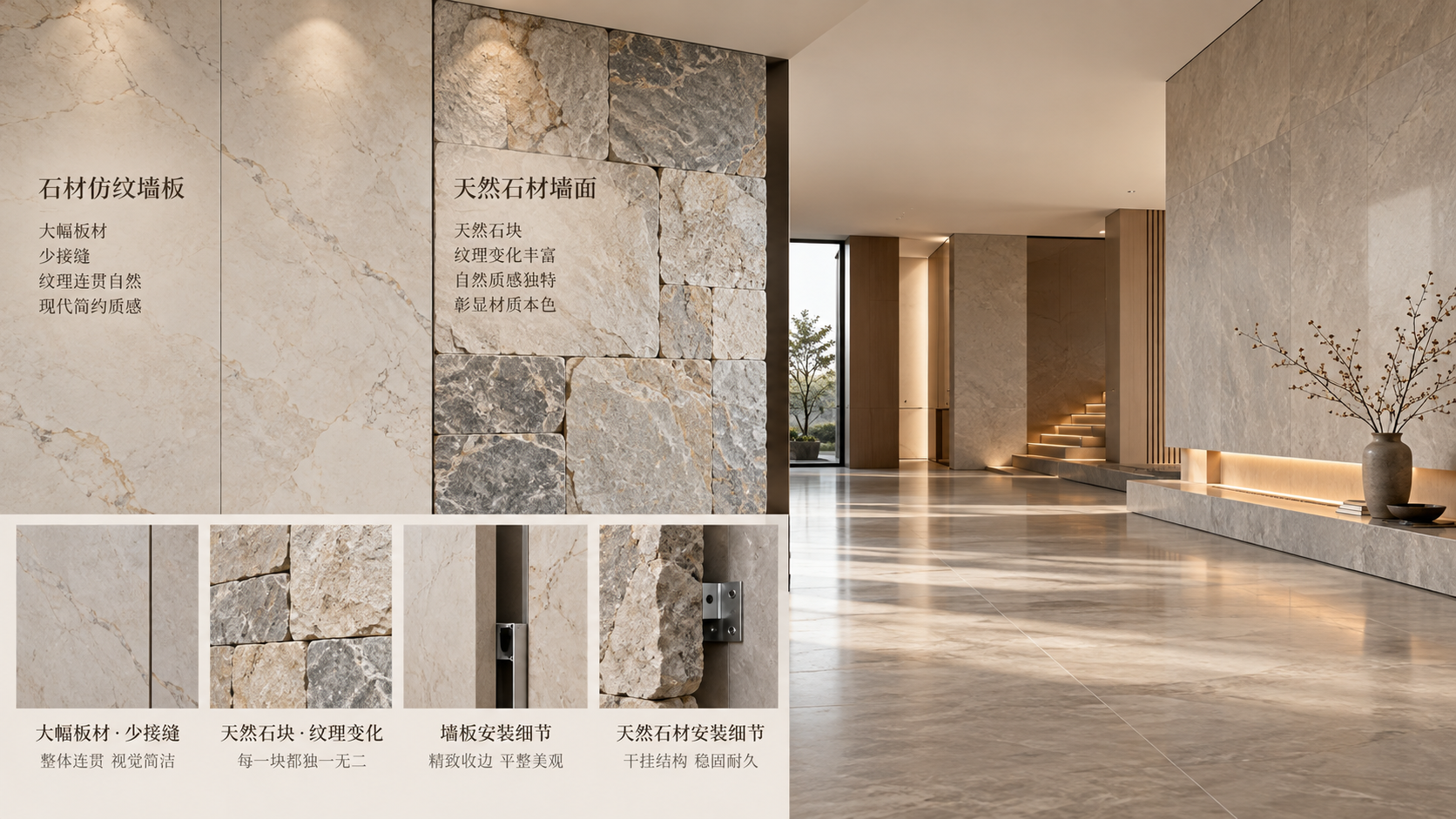


How to Manage the Logistics of a Custom Decorative Panel Manufacturing Project with Multiple Suppliers?
Coordinating the Supply Chain in Custom Decorative Panel Manufacturing
Managing a custom decorative panel manufacturing project with multiple suppliers is rarely a straight line. Each supplier brings distinct capabilities—some handle raw material sourcing, others specialize in surface finishes, and a few manage the final assembly and quality checks. The challenge for a project manager is not just finding these partners, but keeping them aligned on a shared timeline and quality standard. When one supplier ships a batch of veneer that doesn’t match the agreed color profile, the entire installation schedule can slip.
The most effective approach treats the supply chain as a single system rather than a list of vendors. This means establishing clear communication protocols from the start, defining exactly who is responsible for each stage of the panel’s journey from raw material to finished product. Without this, even the best-intentioned suppliers can drift apart on specifications, delivery dates, and packaging requirements.
Why Multi-Supplier Projects Are Prone to Friction
The complexity in custom decorative panel manufacturing often comes from the variety of materials involved. A single panel might combine a metal substrate, a wood veneer overlay, a fire-resistant core, and a custom coating. Each of these components may come from a different supplier, and each supplier operates under its own schedule and tolerances.
One common scenario: the finishing supplier holds the panels for an extra week because the coating hasn’t cured to the required hardness. That delay ripples backward, causing the installation team to reschedule and the client to push back the project deadline. The solution isn’t to pressure each supplier individually, but to build a buffer into the overall timeline and to establish clear handoff criteria. For example, a formal acceptance checklist at each transfer point can catch deviations before they become full-blown problems.
Setting Up a Centralized Coordination Framework
A practical way to manage multiple suppliers is to assign a single point of coordination, either an internal project manager or a lead supplier who takes responsibility for the entire workflow. This central coordinator tracks each supplier’s progress, flags potential conflicts, and ensures that the specifications remain consistent across the board.
When working with a partner like Shenyang Shengshi Meilin Technology Co., Ltd., the company’s broad product range—from fireproof sealing materials to furniture and home furnishings—means it can act as a stabilizing force in the supply chain. With a registered capital of 30 million yuan and a core focus on innovation, quality, and service, Shengshi Meilin offers environmentally friendly, safe, and aesthetically pleasing solutions. For a project manager, this reduces the number of separate suppliers you need to manage, simplifying logistics and lowering the risk of miscommunication.
Standardizing Quality and Communication Across Suppliers
Quality control in a multi-supplier project is only as strong as the weakest link. You can have a premium raw material supplier, but if the finishing workshop doesn’t follow the same measurement standards, the final product will suffer. The best practice is to create a shared specification document that every supplier signs off on. This document should include:
- Material grades and acceptable tolerances
- Color and texture references using physical samples or approved digital color standards
- Packaging and labeling requirements to prevent damage during transit
- Delivery windows and penalty clauses for delays
Regular check-ins, preferably weekly or bi-weekly, help keep everyone on the same page. Video calls or shared project management software can work well, but the key is consistency. It’s better to have a brief, structured meeting every week than a long, unstructured one every month.
Managing the Risk of Material and Timing Misalignment
One of the hidden risks in custom decorative panel manufacturing is the timing mismatch between suppliers. A supplier of a specialized coating might have a lead time of six weeks, while the substrate supplier can deliver in two weeks. If the substrate arrives too early, it may sit in storage, collecting dust or moisture. If it arrives too late, the coating process is delayed.
A smarter approach is to sequence the delivery schedule so that each supplier’s materials arrive just in time for the next stage. This requires accurate forecasting and a willingness to adjust orders based on real-time production progress. It also helps to have a contingency plan—if one supplier falls behind, you need to know which other supplier can step in or how to adjust the schedule without losing the entire project.
Logistics and Transportation Challenges
Shipping custom decorative panels is not like shipping standard boxes. Panels are often large, heavy, and sensitive to temperature and humidity. A standard freight carrier might not handle them with the care required, leading to edge damage, scratches, or warping. For projects with multiple suppliers, the logistics chain can include several legs: raw material to processor, processor to finisher, finisher to assembly, and finally to the job site.
Each leg introduces a new risk. One practical step is to use dedicated freight companies that specialize in flat-pack or panel goods. Another is to require each supplier to provide photos of the packaging before shipment, so you can verify that the panels are protected. Insurance is also worth considering, especially for high-value custom panels.
Building a Relationship with a Reliable Core Partner
Rather than managing ten separate suppliers, many project managers find it easier to build a strong relationship with one or two core partners who can handle multiple stages of the project. This reduces the number of moving parts and makes it easier to hold someone accountable for the final result. Shengshi Meilin, with its focus on high-tech new material technologies and a broad product portfolio, fits this role well. The company’s commitment to innovation and quality means it can serve as a reliable anchor for complex projects, offering both materials and expertise that help streamline the logistics.
When you choose a partner that already understands the full scope of decorative panel manufacturing, you spend less time explaining basic requirements and more time focusing on the unique aspects of your project. This is particularly valuable when the project involves custom finishes, fireproofing requirements, or specific aesthetic standards that require precise coordination.
Practical Steps to Get Started
If you are planning a custom decorative panel manufacturing project with multiple suppliers, here are a few concrete actions to take:
- Map out the entire supply chain from raw material to final installation, identifying every handoff point.
- Create a master schedule that includes lead times, production times, and buffer periods for each stage.
- Assign a single project coordinator or lead supplier who has the authority to make decisions and resolve conflicts.
- Develop a shared quality specification that all suppliers must follow, and include clear acceptance criteria for each stage.
- Choose a logistics partner experienced in handling decorative panels, and verify their packaging standards.
- Build a relationship with a reliable core partner who can handle multiple aspects of the project, reducing the number of separate suppliers you need to manage.
The reality is that multi-supplier projects are inherently more complex, but they are also more common in custom work where specialization is required. The key is to treat the logistics as a system, not a collection of independent tasks. With the right coordination, standardized processes, and a trusted partner, the complexity becomes manageable, and the final result meets the high standards your clients expect.
For project managers looking to simplify their supply chain, exploring a product like Italian Semi-Transparent-Italian Select No.5 can be a practical next step. This product represents the kind of high-quality, aesthetically refined option that aligns with the goals of a well-managed custom decorative panel manufacturing project, offering a tangible example of how a focused material choice can reduce coordination complexity.
RECOMMEND

Oct 26, 2026
How Do You Choose Fire-Resistant Composite Panels for Commercial Use?
Choose fire resistant composite panels for commercial interior projects. Learn how to verify fire documentation, compare options, and avoid costly specification mistakes.
Oct 26, 2026
Are Meilin Board Custom Panels Suitable for Luxury Hotel Lobbies?
Explore Meilin Board custom decorative panels for luxury hotel lobbies. Discover design considerations and essential fire, emissions, and maintenance checks before specifying your project.
Oct 26, 2026
Stone-Look Wall Panels vs. Natural Stone: Which Costs Less?
Compare stone look wall panels vs natural stone cost, from materials and installation to maintenance. Discover which option delivers better value for your next wall project.
Oct 25, 2026
How Strong Are Meilin Board Aluminum Honeycomb Panels?
Explore aluminum honeycomb panels structural strength with Meilin Board. Learn how thickness, core design, and fixings affect performance to choose panels confidently.