

How Reliable Is Meilin Board’s OEM Manufacturing for Commercial Interiors?
Commercial interiors are rarely forgiving. A hotel corridor, office fit-out, retail rollout, healthcare reception area, or multi-unit residential project may involve hundreds of panels that need to align in colour, edge treatment, dimensions, fire-safety expectations, and delivery timing. When one batch differs from the approved sample, the effect is not limited to a single board; it can slow installation, disrupt other trades, and put the finished environment at risk.
That is why buyers evaluating Meilin Board OEM panel manufacturing reliability for commercial interiors are usually asking a practical question rather than looking for a broad promotional claim: can this supplier repeatedly turn project requirements into stable, usable panel products?
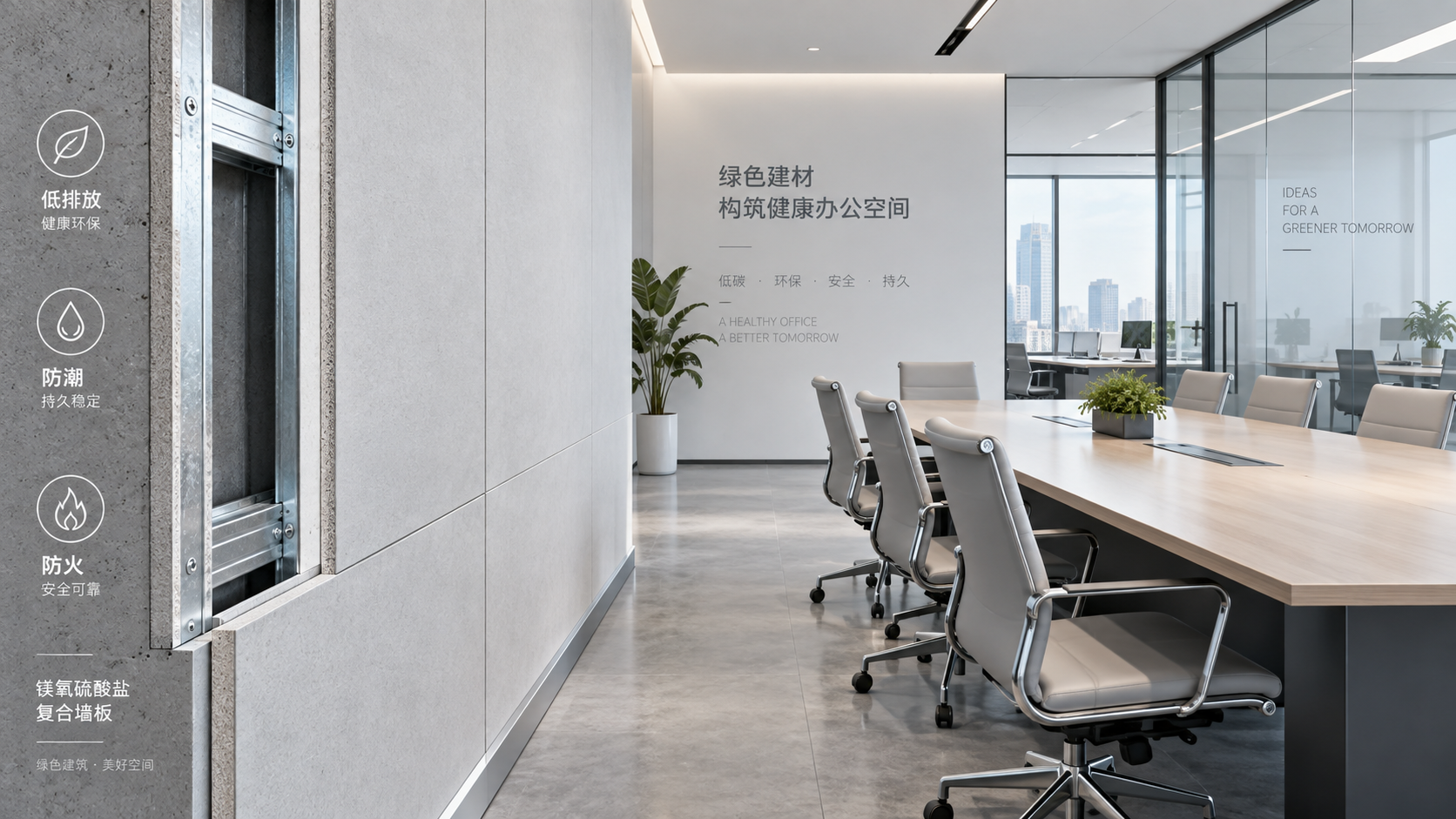
For Shenyang Shengshi Meilin Technology Co., Ltd., reliability is connected to its position as a high-tech enterprise focused on new-material research, development, and application. Its product scope spans decorative materials, fireproof sealing materials, furniture, and home furnishing solutions. This wider material perspective matters in commercial projects, where a panel is not simply a visual surface. It must work alongside substrates, edging, sealants, fixtures, furniture components, and the conditions of the completed space.
Reliability Begins Before Production Starts
OEM manufacturing is sometimes misunderstood as a straightforward order: a customer supplies a drawing, a factory makes panels, and the goods are shipped. In commercial interiors, the difficult work often happens earlier. A reliable OEM relationship starts with translating a design intention into specifications that can be produced consistently.
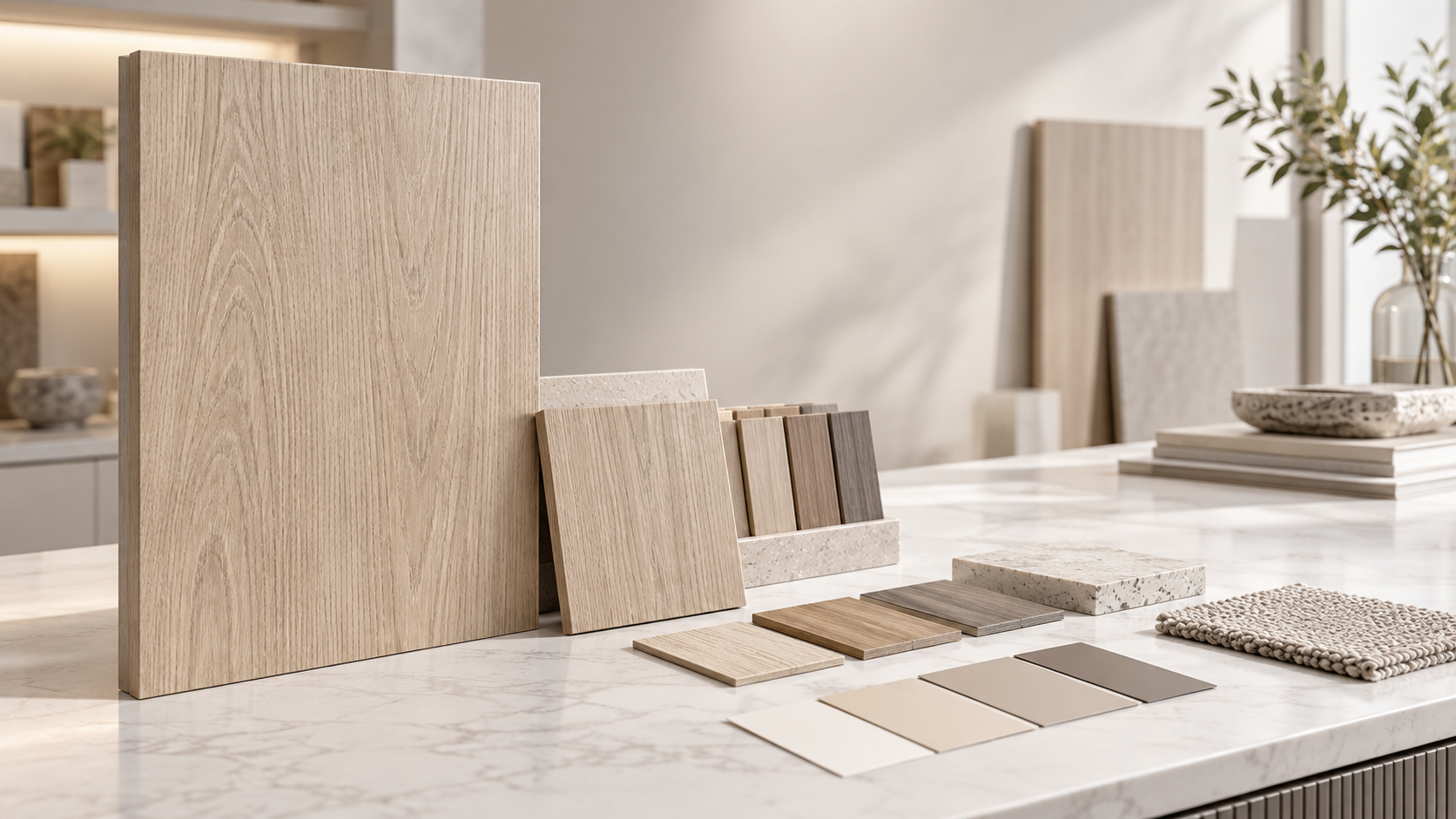
For example, an architect may select a warm woodgrain finish from a sample board. The procurement team, however, needs to clarify which substrate will be used, the finished thickness, panel dimensions, surface orientation, edge detail, quantity by finish, packaging needs, and the intended application. Is the material for wall cladding, cabinetry, partition systems, retail fixtures, or furniture fronts? Will it be used in a dry office environment or an area exposed to higher humidity, cleaning cycles, traffic, or fire-performance requirements?
These questions are not administrative details. They determine whether a panel program can be manufactured with fewer surprises. Meilin Board’s OEM capabilities are most relevant when requirements are documented clearly and reviewed as a coordinated material system rather than as isolated product names.
What Commercial Buyers Should Look for in an OEM Panel Partner
Reliability is not one feature. It is a chain of decisions, controls, and communication points. A commercial interior buyer should assess the following areas when considering an OEM panel manufacturer.
Specification discipline
The supplier should be able to work from confirmed specifications instead of relying on informal descriptions such as “light oak,” “matte black,” or “fireproof board.” Those phrases may be useful at the concept stage, but they leave too much room for interpretation during procurement.
A better process defines the panel construction, decorative surface, texture or gloss level, cut size, tolerance expectations, edge configuration, and application conditions. Where safety-related materials are involved, the required performance standard and project documentation should also be identified before production is released. This gives both the buyer and manufacturer a common reference point when reviewing samples and finished goods.
Consistency from sample to batch
Commercial projects often begin with a small mock-up, then move to a much larger order. The key question is whether the approved reference can be carried into subsequent production batches with controlled variation. Decorative surfaces can naturally show pattern and tonal movement, especially wood, stone, fabric, or metallic-inspired designs. That variation can be desirable. Uncontrolled variation is different: it can cause adjacent panels to look mismatched once installed under site lighting.
Buyers should therefore confirm how reference samples are handled, how batch identification is managed, and whether panels intended for a continuous elevation or furniture run can be packed and labelled in a practical sequence. For projects with visible joinery or long wall surfaces, these details can prevent a costly visual problem later.
Material compatibility
A decorative panel may look correct in a showroom but perform poorly if the substrate, adhesive, sealing approach, or edge treatment is not suitable for the end use. This is particularly important in interiors where panels meet fireproof sealing materials, metal framing, concealed access panels, cabinetry hardware, or other building elements.
Shengshi Meilin’s involvement in both new decorative materials and fireproof sealing material solutions provides a useful basis for discussing compatibility across the assembly. The value is not simply having multiple product categories. It is the opportunity to consider where materials meet, how interfaces should be detailed, and what practical installation conditions may affect the finished result.
Why Fire Safety Cannot Be Treated as a Late Addition
In many commercial projects, fire-related performance is discussed only after a finish has already been selected. That can lead to redesign, replacement, or a difficult search for documentation close to handover. A more dependable approach brings safety considerations into material selection at the concept and sample-approval stage.
Fire performance does not depend on a decorative face alone. It may be affected by the panel structure, core material, installation method, cavity conditions, joints, edge treatments, and adjacent materials. Fireproof sealing materials are also part of the broader system, especially around penetrations, joints, and interfaces where continuity matters.
For this reason, a responsible OEM conversation should be specific. Buyers should identify the applicable local code, the intended use zone, and the documentation required by the project consultant or authority. Manufacturers should not be expected to make unsupported claims about a completed wall, ceiling, or furniture assembly without knowing how it will be built. Clear boundaries make a supplier more reliable, not less flexible.
Meilin Board OEM Manufacturing for Different Interior Programs
The right level of customization depends on the project. Some commercial interiors need a tightly controlled custom program; others benefit from adapting available material options to a repeatable format. Meilin Board can be relevant to both paths when the brief is communicated early.
- Office and workplace interiors: Panel solutions may be used for reception desks, feature walls, meeting-room cabinetry, storage systems, and workstation components. Consistency across several floors is often more important than making every area visually complex.
- Hospitality spaces: Hotels, serviced apartments, and restaurants frequently require decorative panels that balance atmosphere with practical durability. Room furniture, corridors, public spaces, and back-of-house areas may need different material specifications even when the visual language is shared.
- Retail environments: A store rollout depends on repeatability. Shopfitting teams need panels that can be fabricated into shelving, display units, counters, and branded architectural features across multiple locations.
- Education and public facilities: These projects often place emphasis on durability, maintainability, safety, and the ability to replace or extend material programs over time.
- Furniture and home-furnishing brands: OEM panel manufacturing can support branded product lines where dimensions, finishes, and construction details must remain stable across continuing orders.
In each case, reliability is not identical. A hotel developer may prioritize finish coordination and delivery planning; a furniture brand may focus more on repeatable dimensions and production integration. A good OEM supplier recognizes these differences instead of treating every board order as the same transaction.
The Production Questions That Reveal More Than a Brochure
Before placing a substantial order, commercial buyers should have a direct technical discussion with the manufacturer. The answers are often more useful than a general catalogue because they reveal how the factory approaches risk, change, and accountability.
- What information is required before a custom panel can be quoted and sampled?
- Can the manufacturer provide a pre-production sample or agreed reference standard for approval?
- How are finish, dimensions, surface quality, and edge details checked during production?
- How will changes to drawings, colours, quantities, or packaging be documented?
- Can panels be marked or packed by room, zone, finish, or installation sequence where needed?
- What lead-time assumptions depend on material selection, customization level, and order volume?
- What technical documents can be supplied for the particular material and intended application?
- How are concerns handled if an issue is identified before shipment or at site receipt?
None of these questions should feel confrontational. They are part of responsible purchasing. The most productive OEM relationships are built when a buyer shares realistic project constraints and the manufacturer responds with equally realistic production guidance.
Environmental Responsibility Is Also an OEM Reliability Issue
Commercial interior specifications increasingly include indoor-environment expectations, responsible material choices, and practical concerns about occupant comfort. For designers and procurement teams, environmental considerations are not separate from product reliability. A material that aligns with the project’s environmental goals but cannot be documented or supplied consistently still creates risk.
Shengshi Meilin’s stated commitment to environmentally friendly, safe, and aesthetically pleasing construction and home-furnishing solutions provides direction for these discussions. Still, buyers should define what “environmentally friendly” means for their project. It may relate to emissions requirements, material composition, sourcing expectations, recyclability goals, or formal documentation requested by a green-building program.
Asking early is essential. The appropriate evidence may vary by market and project, and a responsible sourcing decision should be based on the actual product configuration rather than a general brand statement. This is especially important for international buyers, who may face local regulations that differ from the factory’s domestic market requirements.
Where Projects Commonly Lose Control
Even an experienced manufacturer cannot compensate for every gap in project coordination. Many panel problems originate in the handover between design, purchasing, fabrication, and installation.
One common mistake is approving a small finish sample without confirming the full panel construction. Another is selecting a board before knowing the dimensions of the finished modules, which can create unnecessary waste or awkward seam locations. Teams may also overlook edge treatment until late in the process, despite the fact that exposed edges strongly influence both visual quality and day-to-day durability.
For international or multi-party projects, language and revision control deserve attention as well. Drawings, material schedules, and approved samples should be dated and clearly identified. If a finish is revised, the old reference should be withdrawn from circulation. A simple approval matrix can save weeks of debate when a shipment reaches the site.
A Practical Way to Build Confidence Before a Large Order
Rather than treating reliability as something to discover after production begins, buyers can build confidence in stages. Start with a focused technical brief. Review material options against the intended use. Approve a sample that represents not only colour, but also surface, edge, and construction where possible. Then confirm the quality reference, packing plan, delivery window, and documentation before releasing the main order.
For larger commercial interiors, it is wise to retain an approved control sample on both sides. Site teams can use it during receiving inspections, while the manufacturer has a defined standard for production review. This does not eliminate all natural variation, but it creates a fair and visible basis for judging the product.
So, How Reliable Is Meilin Board for Commercial OEM Work?
Meilin Board OEM panel manufacturing reliability for commercial interiors should be judged through the same criteria used for any serious material partner: clarity of specifications, control of finish and construction, awareness of safety and environmental requirements, communication during customization, and the ability to support a coordinated material solution.
Shenyang Shengshi Meilin Technology brings a relevant foundation through its work in new materials, decorative solutions, fireproof sealing materials, furniture, and home furnishings. Its emphasis on innovation, quality, and service aligns with the needs of commercial buyers who want more than a visually acceptable panel—they need materials that can move from concept to fabrication and installation with fewer avoidable uncertainties.
The strongest results will come from a collaborative process. When architects, contractors, furniture brands, and procurement teams provide a precise brief and engage the manufacturer early, OEM panels can become a dependable part of a commercial interior system: safe where safety matters, coherent where design matters, and practical where the project schedule matters most.
Next:No more content
RECOMMEND

Oct 08, 2026
How Reliable Is Meilin Board’s OEM Manufacturing for Commercial Interiors?
Meilin Board OEM panel manufacturing reliability for commercial interiors: discover how controlled specifications, material compatibility, and project-focused support help deliver consistent panel solutions.
Oct 07, 2026
Can Shengshi Meilin Meet Custom Panel Needs for Hotel Projects?
Explore Shengshi Meilin custom decorative panel capability for hotel projects, from tailored finishes and coordinated details to safety-focused, durable hospitality interiors.

Oct 06, 2026
Are Magnesium Oxysulfate Composite Boards Safe for Enclosed Commercial Spaces?
Are magnesium oxysulfate composite boards safe for enclosed commercial spaces with ventilation concerns? Explore VOC, moisture, fire, and installation checks for safer specifications.
Oct 05, 2026
How Long Does Custom Panel Prototyping Take to Reach Sample Approval?
How long does custom decorative panel prototyping usually take from submission to sample approval? Explore key timeline factors and speed approval with expert planning.