

How Long Does Custom Panel Prototyping Take to Reach Sample Approval?
A custom decorative panel rarely moves from an initial drawing to approved sample in a single straight line. A color that appears warm in a digital rendering may look cooler under showroom lighting. A textured surface may feel perfect on a small swatch but behave differently on a full-size board. Fire performance, substrate stability, edge treatment, and installation conditions can all introduce decisions that affect the schedule.
So, how long does custom decorative panel prototyping usually take from submission to sample approval? For many projects, the process may take several weeks, while more technically demanding panels can require a longer development cycle. The true timing depends less on the number of days spent making a sample and more on how quickly the project team can confirm specifications, review physical results, and resolve any differences between the intended design and the manufactured panel.
For architects, fit-out contractors, furniture manufacturers, and home furnishing brands, a realistic prototype timeline is not just a procurement detail. It protects the wider project schedule. When prototype planning begins early, design intent can be translated into a panel that is not only visually appealing, but also practical to produce, install, clean, and use over time.
What Happens Between Design Submission and Sample Approval?
Custom panel development normally starts with a submission package. This can range from a simple color reference and inspiration image to a detailed specification including drawings, dimensions, finish codes, performance requirements, and application environment. The clearer this starting point is, the more predictable the prototyping process becomes.
A supplier will generally review whether the requested panel can be developed using an existing material system or whether a new combination of decorative layer, substrate, coating, texture, backing, or sealing treatment is needed. This early assessment is where many potential delays are avoided. It is better to identify an incompatible finish or unclear fire requirement before a sample is made than after it has been delivered for review.
From there, the project tends to move through several connected stages:
- Technical review of drawings, intended use, panel size, and performance expectations.
- Material and surface-finish confirmation, including decorative pattern, gloss level, texture, and edge details.
- Prototype production, which may involve trial pressing, laminating, coating, printing, or fabrication processes.
- Internal inspection for appearance, dimensional consistency, bonding quality, and applicable performance checks.
- Customer evaluation, comments, revisions if needed, and formal sample approval.
These stages can overlap, but they cannot always be rushed. For example, a panel intended for a hotel corridor, commercial interior, or public building may need additional consideration for fireproof sealing materials, durability, moisture exposure, or cleaning resistance. A decorative panel used for cabinet doors or residential wall cladding may prioritize tone consistency, tactile quality, and compatibility with furniture hardware instead.
A Practical Timeline: Simple Samples Versus Development Projects
There is no single calendar answer that fits every request. However, understanding the difference between a “sample request” and a true “prototype development project” helps buyers plan more accurately.
For a straightforward request using available decorative materials, the physical sampling stage can be relatively efficient once specifications are confirmed. The timeline expands when the panel must match a unique reference, combine new materials, meet demanding fire or environmental expectations, or pass through several internal approval layers.
In practice, the customer approval stage is frequently the least predictable part. A supplier can organize production steps, but a sample may wait for an on-site meeting, a design presentation, or comparison against other finishes. Setting a defined response window for each submitted sample is one of the simplest ways to keep momentum.
Four Factors That Most Often Change the Prototype Schedule
1. The quality of the initial brief
A complete brief does not need to be complicated, but it should eliminate guesswork. At minimum, it should explain where the panel will be used, the desired visual effect, approximate dimensions, quantity expectations, and any non-negotiable technical requirements. If a physical reference sample is available, it should be submitted whenever possible.
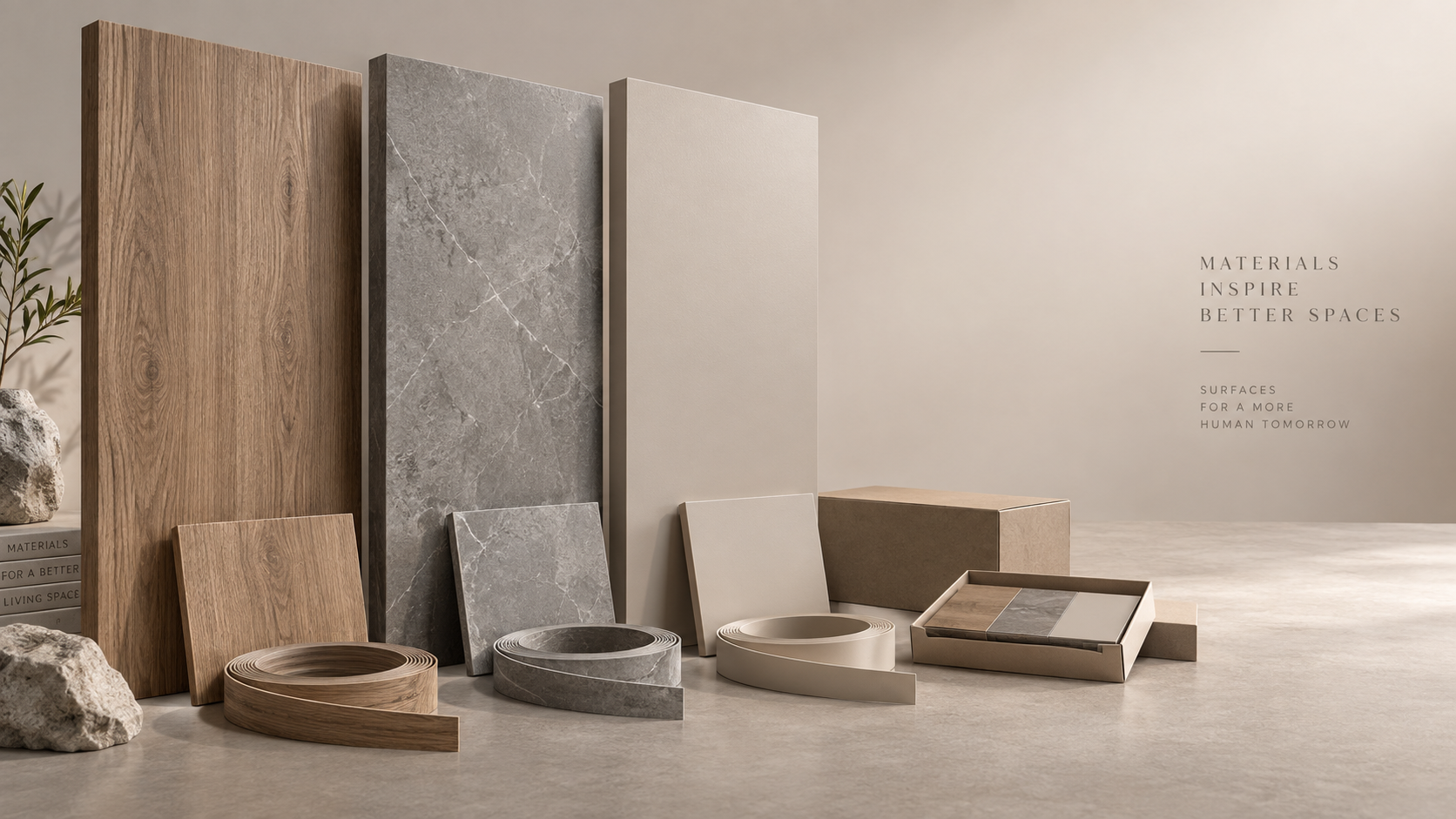
Terms such as “light wood,” “matte gray,” or “premium texture” are useful conversation starters, yet they are not production specifications. One person’s matte surface may be another person’s low-sheen finish. A reference board, approved color standard, texture sample, or detailed rendering gives the development team something tangible to work toward.
2. Material selection and material availability
Decorative panels are made from systems, not just surfaces. The visible layer must work with the chosen substrate, adhesive or bonding approach, coatings, edge treatment, and intended installation method. A material suitable for furniture may not be the right choice for a wall panel exposed to more frequent impact or changing humidity.
Availability also matters. When a requested decorative film, veneer, mineral component, coating ingredient, or specialty substrate is not part of normal stock, sourcing can become part of the prototype timeline. Early material confirmation is especially important for projects with a fixed opening date.
3. Surface matching expectations
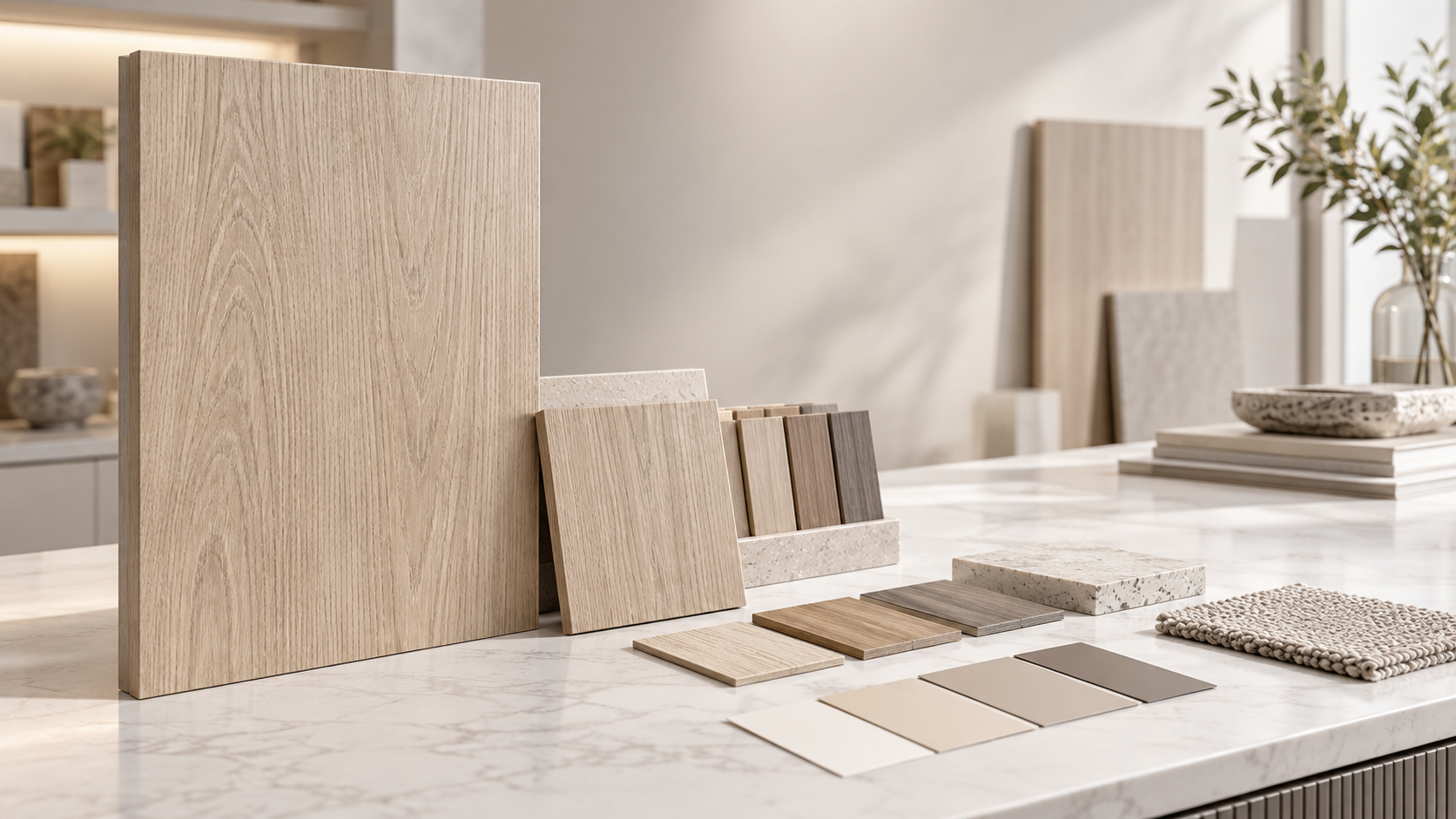
Visual approval is often more demanding than buyers anticipate. Grain direction, embossing depth, gloss, color undertone, and variation from panel to panel can all affect the final impression. Metallic, high-gloss, deep matte, stone-like, and highly textured surfaces may require particularly careful review because lighting changes their appearance dramatically.
When approving a decorative panel, reviewing it only under office lighting can create later disappointment. If possible, evaluate the sample in lighting that resembles the finished environment: daylight, retail lighting, hospitality lighting, or the warm interior light used in a residential setting. This does not slow the process unnecessarily; it reduces the chance of a costly late-stage revision.
4. Testing and compliance considerations
Some projects need more than aesthetic confirmation. Panels used in public spaces, commercial interiors, or safety-conscious building applications may need to be evaluated alongside fireproof sealing materials or other protective elements. Requirements related to fire behavior, emissions, moisture resistance, bonding, or surface durability should be communicated at the beginning.
Testing requirements can extend the development period because samples must be produced in a representative configuration. A decorative face layer alone may not demonstrate how the complete installed panel system performs. The exact applicable standards and verification route should be discussed with the project team rather than assumed from a visual sample.
Why the First Sample Is Not Always the Approval Sample
It is tempting to view a first prototype as a finished answer. In reality, it is often the most useful conversation in the entire project. It reveals whether the chosen texture is too pronounced, whether the color needs adjustment, whether the board thickness feels appropriate, or whether an edge detail needs to be refined for fabrication and installation.
A revision is not necessarily a sign of poor planning or poor manufacturing. It can be a normal part of translating a design concept into a repeatable material. What matters is whether feedback is precise enough to guide the next sample. Comments such as “too dark,” “not natural enough,” or “surface feels different” should ideally be supported by comparison references, marked areas, or a description of the desired change.
Where several stakeholders are involved, appointing one person to consolidate comments can prevent conflicting instructions. The design team may prefer a lower gloss, while the maintenance team may want a more resilient coating. Both concerns are valid, but the supplier needs a single, agreed direction before preparing the next prototype.
How to Shorten the Path to Approval Without Sacrificing Quality
The fastest prototyping process is usually the one with the fewest avoidable decisions. That does not mean accepting a panel that falls short of the design vision. It means making critical choices in the right order.
- Define the application before selecting the finish. Clarify whether the panel is for wall decoration, furniture, cabinetry, partitions, doors, or another use. Performance needs follow the application.
- Submit real references whenever possible. A physical chip, approved material, or controlled color reference is more reliable than a screenshot.
- Separate “must-have” requirements from preferences. Fire-related needs, substrate restrictions, and size limitations should be identified as fixed conditions. Minor texture preferences can be adjusted during sampling.
- Agree on the sample size and review method. Small swatches are useful for color direction, while larger samples are more meaningful for grain, pattern repeat, and installation appearance.
- Set an approval protocol in advance. Identify who can approve the sample, what criteria will be used, and how comments will be returned.
- Consider production repeatability early. An attractive one-off sample is not enough if the finish cannot be reproduced consistently across the required quantity.
It is also wise to distinguish between “visual approval” and “production approval.” A customer may approve the look of a panel while details such as packing, allowable shade variation, cutting layout, edge processing, and installation sequence still need confirmation. Treating these as separate checkpoints makes the transition to order production smoother.
Questions Worth Asking a Decorative Panel Supplier
Before submitting a custom request, buyers can gain clarity by asking a few direct questions: Which parts of the requested specification are already proven, and which require development? Is the selected finish suitable for the intended substrate and environment? What type of sample will best represent the final panel? Are there foreseeable material lead-time issues? What information is needed before performance-related evaluation can begin?
These questions encourage a practical discussion rather than a vague promise of speed. They also help project teams understand where flexibility exists. Perhaps the desired visual effect can be achieved with an available texture rather than a newly developed one. Perhaps an alternative panel construction offers more stable performance while preserving the intended look.
Working With a Material Partner From Concept to Approved Panel
At Shenyang Shengshi Meilin Technology Co., Ltd., custom material development is approached as a balance between design expression, safety, and real-world use. As a high-tech enterprise based in Shenyang, Liaoning Province, the company focuses on research, development, and application of new material technologies across decorative materials, fireproof sealing materials, furniture, and home furnishing solutions.
For a custom decorative panel project, that wider material perspective matters. A panel is rarely judged on appearance alone. It must also fit the surrounding construction or furnishing system, respond appropriately to the intended environment, and support the project’s expectations for environmentally conscious, safe, and aesthetically considered materials.
The most reliable answer to the question, “How long does custom decorative panel prototyping usually take from submission to sample approval?” is therefore not a fixed number. It is a project plan. With a clear brief, suitable material choices, prompt feedback, and early attention to technical requirements, the route from concept to approved sample becomes far more manageable—and the final panel is more likely to look right not only in the sample room, but also in the finished space.
Next:No more content
RECOMMEND

Oct 05, 2026
How Long Does Custom Panel Prototyping Take to Reach Sample Approval?
How long does custom decorative panel prototyping usually take from submission to sample approval? Explore key timeline factors and speed approval with expert planning.
Oct 04, 2026
Are Aluminum Honeycomb Panels Suitable for High-Rise Interiors?
Aluminum honeycomb composite panels for high-rise interiors offer lightweight strength, flatness, and design flexibility. Explore fire, installation, and specification insights.
Oct 03, 2026
Can Designers Order Private-Label Decorative Panels?
Private label decorative panel production for designers creates distinctive, repeatable finishes. Explore customization, sampling, performance, and branding options.
Oct 02, 2026
Are Waterproof Interior Wall Panels Suitable for High-Humidity Commercial Areas?
Waterproof interior wall panels for high humidity commercial use: discover how sealed joints, suitable substrates, and proper installation deliver durable, hygienic wall protection.