

Crystal Stone Panels for Retail and Hospitality: Design Benefits and Installation Limits
Crystal Stone Panels for Retail and Hospitality: Design Benefits and Installation Limits
For retail fit-outs and hospitality interiors, material choice is rarely about appearance alone. Project teams have to balance concept intent, schedule pressure, maintenance expectations, substrate conditions, fire-safety coordination, and the reality of site installation. That is where Crystal Stone Panels tend to enter the conversation. They offer a decorative surface with a strong visual presence, but they also raise practical questions: where do they perform well, where do they become risky, and what should be confirmed before the design is frozen?
In branded stores, hotel lobbies, reception walls, lift surrounds, and selected guest-area features, Crystal Stone Panels are often considered when natural stone looks attractive but weight, processing complexity, or installation speed become constraints. The value is not universal. Used in the right zones, they can simplify delivery and support a more controlled finish. Used carelessly, they can create avoidable problems at joints, corners, transitions, or code-sensitive areas.
Why these panels attract retail and hospitality projects
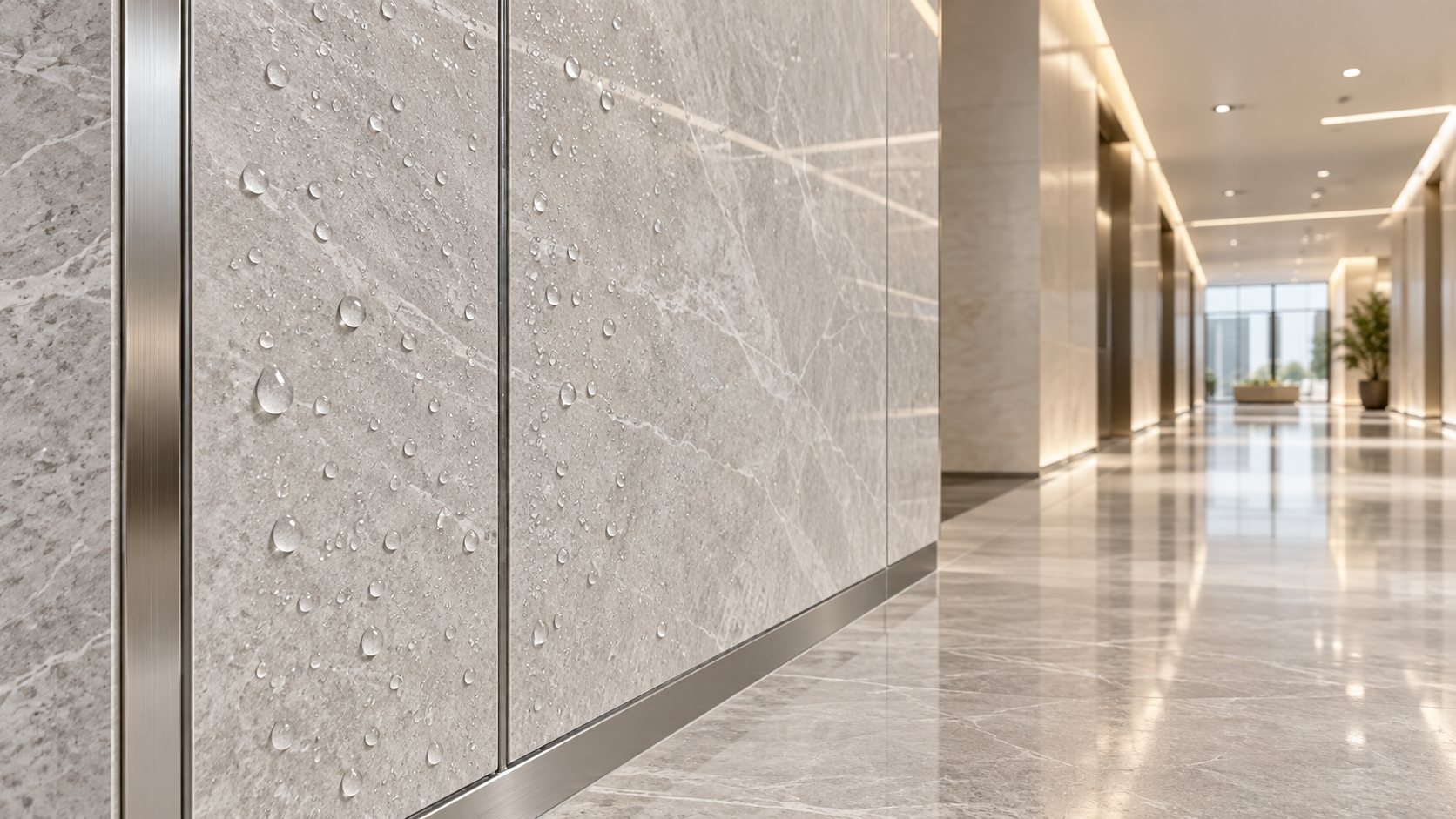
The first reason is visual consistency. Large commercial interiors need materials that can repeat a design language across multiple elevations without the natural variation becoming chaotic. Crystal Stone Panels can give designers a stone-like or translucent decorative effect while making it easier to control color tone, surface continuity, and panel sizing from one area to another. In retail, that matters for branded identity. In hospitality, it matters for creating a calm, deliberate guest experience rather than a patchwork finish.
The second reason is buildability. Depending on the system and thickness, panelized decorative materials are often easier to move, cut, and sequence than full natural stone slabs. For project managers, this affects labor planning, wet trade coordination, and site cleanliness. In operating hotels or malls where night shifts and partial closures are common, lower installation disruption can be as important as the design itself.
There is also a lighting advantage. Some Crystal Stone Panels are selected not only for surface texture but for their interaction with backlighting or ambient lighting. This makes them useful for reception features, display backdrops, bar fronts, and premium merchandise zones where the wall finish needs to do more than sit quietly in the background. A semi-transparent decorative option such as Italian Semi-Transparent-Italian Select No.5 may be relevant in projects where the design team wants controlled light diffusion rather than a fully opaque stone look.
Where Crystal Stone Panels make the most sense
Not every wall in a commercial interior needs this material. The better applications are usually selective and intentional.
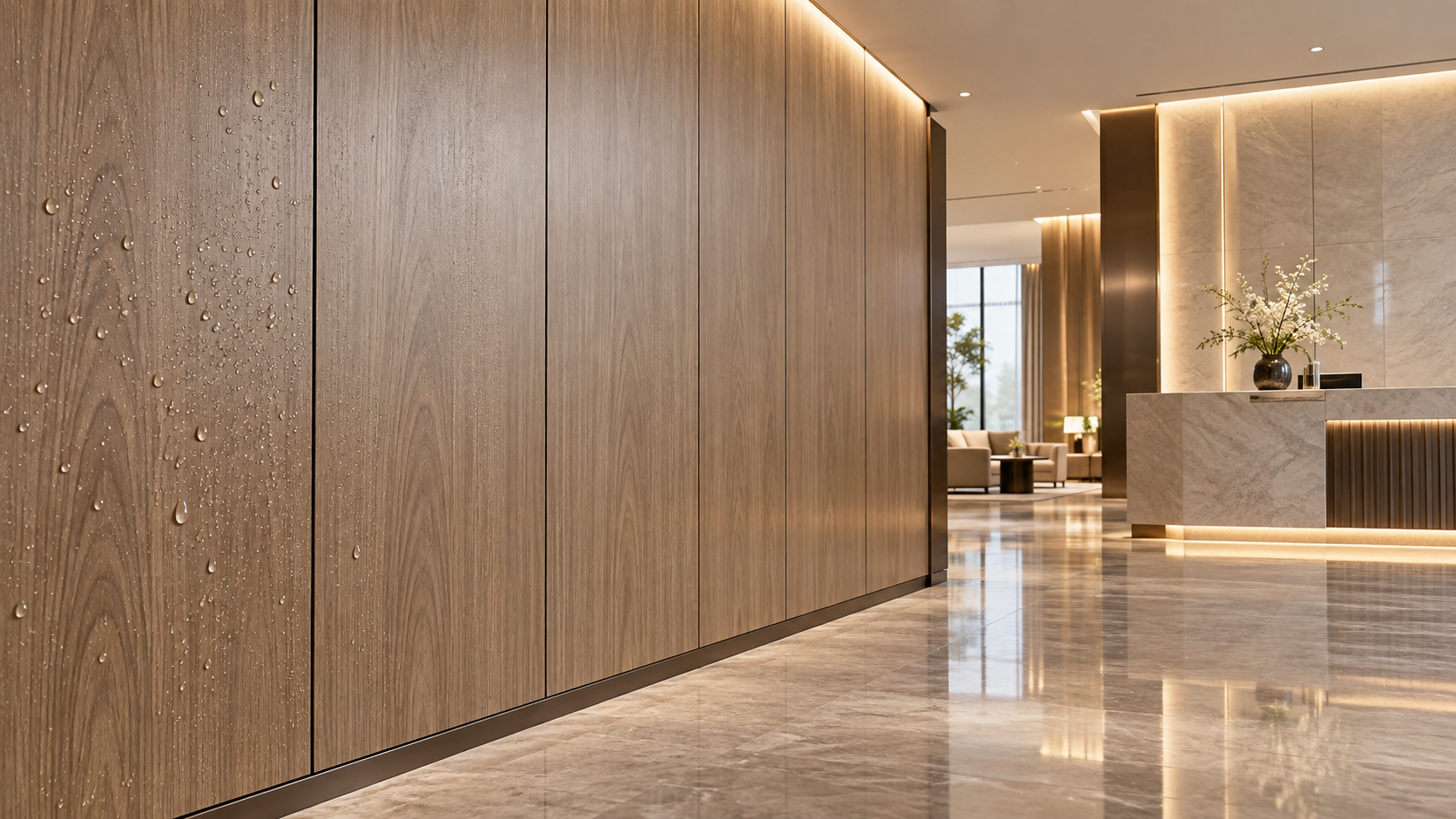
Feature walls are the obvious example, but there are others. A retail flagship may use Crystal Stone Panels behind a cash desk, at a storefront portal, or within fitting-room access zones where the customer stops and looks. A hotel may use them at reception, concierge walls, elevator waiting areas, spa entrances, or curated sections of corridor design. These are places where design impression matters, but where the surface can still be protected from hard trolley impact, luggage scraping, or uncontrolled service traffic.
They also work well where a project needs repeatability across multiple sites. Chain retail and hotel groups often struggle with materials that look excellent in one prototype location but become difficult to standardize when rolled out. A panel-based decorative solution can reduce some of that variability, provided the supplier can maintain finish consistency and the shop drawing process is disciplined.
The design benefits are real, but they depend on detailing
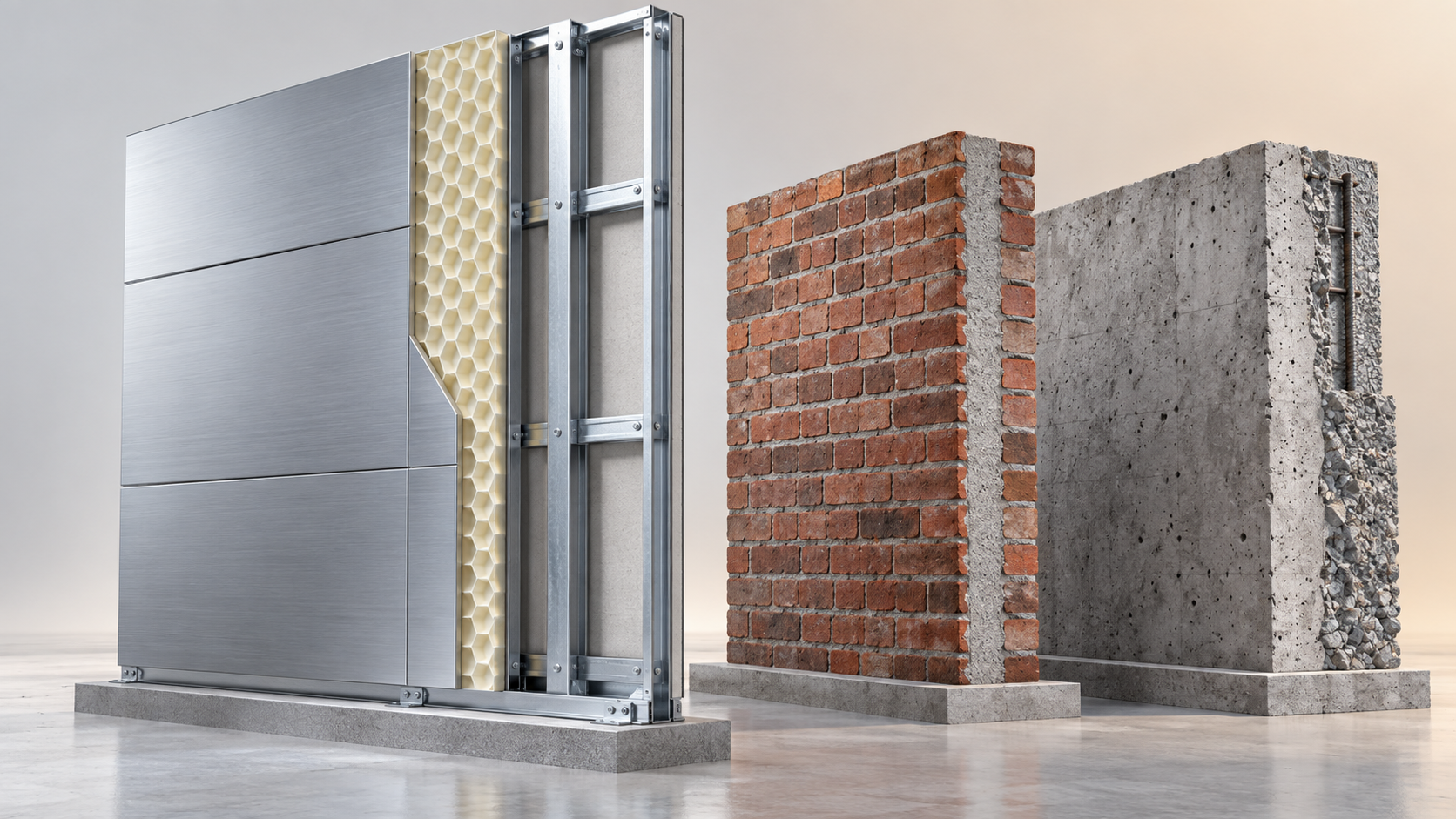
A common mistake is treating Crystal Stone Panels as if they were only a surface finish. In practice, they behave more like a system. Their success depends on edge treatment, joint strategy, backing conditions, and how adjacent materials meet them.
If the design intent is monolithic, the joint pattern needs to be decided early, not after procurement. Panel module sizes, seam visibility, corner returns, and access panel integration all influence the final result. On hospitality projects especially, lighting can exaggerate small inconsistencies. A backlit panel wall with poorly aligned joints will be judged more harshly than a matte painted wall with the same construction tolerances.
Another advantage is weight management, but this should not be assumed. The project team still needs actual product specifications, support method, and substrate confirmation. “Lighter than stone” does not automatically mean “suitable for any wall.” Moisture movement, wall flatness, fixing density, and access to concealed services all affect feasibility.
Installation limits that project teams should not ignore
The most important limit is impact exposure. Crystal Stone Panels may perform very well on vertical decorative applications, but high-abuse areas need more scrutiny. Back-of-house corridors, loading interfaces, housekeeping storage edges, and baggage-heavy hotel circulation areas can damage a premium finish faster than expected. If the area cannot be protected by layout, bollards, skirtings, or furniture planning, the material may be wrong for that zone.
The second limit is heat and fire-performance coordination. Decorative intent cannot be separated from local code requirements, especially in hospitality. Whether a panel is acceptable near escape routes, lift lobbies, food-service areas, or specific wall assemblies usually depends on the tested system, not just the face material. Adhesives, backing boards, sealants, and substrate layers can all affect compliance. This needs formal checking against local project standards and authority requirements rather than informal assumptions.
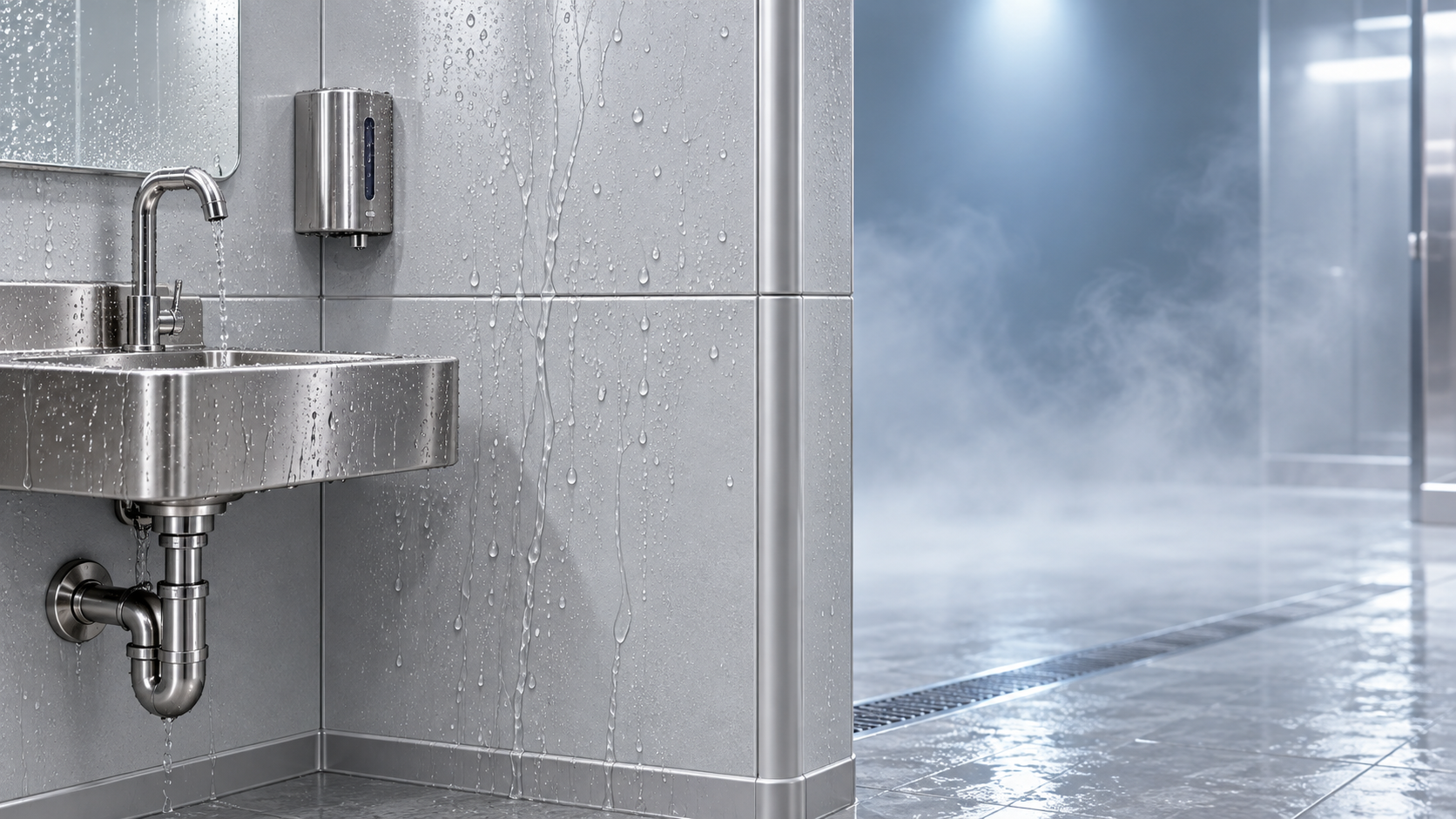
The third limit is moisture and cleaning regime. In guest-facing interiors, the wall may look dry but still be exposed to frequent chemical cleaning, vapor, or intermittent splashing. Spa zones, vanity surrounds, and some food-and-beverage spaces are not impossible applications, but they require more than aesthetic approval. Surface resistance, edge sealing, and maintenance instructions matter. If housekeeping uses aggressive cleaners that the material supplier has not approved, appearance deterioration can become an operations issue rather than a construction defect.
The fourth limit is tolerance sensitivity. Many decorative panel systems require flatter substrates and more accurate setting-out than site teams initially expect. In refurbishment projects, especially older hotels or shopping units, hidden wall irregularities can force late design compromises. That usually shows up at corners, reveals, and trim alignments. The material is not necessarily at fault; the early survey was incomplete.
What to confirm before issuing for procurement
A useful pre-procurement review usually covers more than finish approval. Teams should confirm the intended application area, substrate type, fixing method, joint width, panel size limits, corner treatment, access requirements, and cleaning expectations. If lighting is involved, mock-up review becomes much more important. The same panel can read differently under warm hotel lighting, cool retail lighting, or concealed backlighting.
On multi-trade projects, one more point deserves attention: sequence. If panels go in too early, follow-on trades may damage them. If they go in too late, final alignment with lighting, signage, and millwork becomes harder to control. There is no universal answer, but the installation window should be discussed during coordination, not left to the last two weeks.
How material suppliers add value without taking over the design
For project teams, the best supplier input is usually technical rather than promotional. That includes helping review where a panel system is appropriate, where it is marginal, and what support materials are needed around it. Companies focused on new material development, such as Shenyang Shengshi Meilin Technology Co., Ltd., tend to be most useful when they can connect decorative intent with practical concerns like fireproof sealing interfaces, compatibility with surrounding interior materials, and manufacturing consistency across batches.
That matters because retail and hospitality interiors are rarely made of one material family. A wall feature may need to align with metal trims, stone-look flooring, joinery, service panels, and hidden fire-stopping details. A supplier that understands only the face panel leaves too much risk with the contractor. A supplier that understands the broader assembly can help the project team avoid specification gaps before they appear on site.
In some schemes, a finish option like Italian Semi-Transparent-Italian Select No.5 may fit the visual brief, but selection should still be driven by build context: panel dimensions, support requirements, local code review, maintenance plan, and lighting tests. Good-looking samples solve only one part of the decision.
A practical way to judge suitability
If a Crystal Stone Panel is being considered for a retail or hospitality project, the simplest question is not “Does it look right?” but “Will it still look right after installation, handover, cleaning, and six months of real use?” That shifts the conversation toward exposure level, detailing, maintenance, and replacement strategy.
In low- to medium-abuse decorative areas, the material can be an efficient way to deliver a high-end finish with more control than many natural alternatives. In code-sensitive, impact-heavy, or moisture-variable areas, it may still work, but only if the assembly has been properly checked and the limits are accepted upfront.
For project managers and engineering leads, that is the real takeaway: Crystal Stone Panels are neither a miracle finish nor a risky indulgence. They are a useful design material when applied with discipline. Before locking them into a tender package, confirm the wall build-up, installation method, mock-up criteria, cleaning protocol, and approval documents required by the project. That level of clarity usually prevents the expensive problems that appear only after the decorative decision has already been made.
RECOMMEND

Oct 02, 2026
Are Waterproof Interior Wall Panels Suitable for High-Humidity Commercial Areas?
Waterproof interior wall panels for high humidity commercial use: discover how sealed joints, suitable substrates, and proper installation deliver durable, hygienic wall protection.
Oct 01, 2026
Are Lightweight Composite Wall Panels Lighter Than Traditional Materials?
Lightweight composite wall panels vs traditional materials weight: compare kg/m², installation benefits, and key fire, fixing, and code factors.
Sep 30, 2026
How to Select Fireproof Waterproof Wall Panels for Commercial Spaces
Luxury interior wall panels with stone texture finish options: learn how to select fireproof, waterproof systems for durable, elegant commercial spaces.
Sep 29, 2026
How Reliable Is Meilin Board for OEM Commercial Interior Panels?
Fireproof waterproof composite wall panels for commercial spaces: discover how Meilin Board supports reliable OEM interiors with customizable finishes, quality control, and durable performance.