

Do Waterproof Wall Panels Need Special Care in Commercial Restrooms?
Do waterproof interior wall panels require special maintenance in commercial restroom areas? The short answer is no—at least not in the sense of demanding complicated treatments or constant refinishing. However, “waterproof” should never be mistaken for “maintenance-free.” In a busy airport washroom, office restroom, school facility, restaurant, or healthcare setting, wall surfaces face a daily combination of humidity, splash exposure, soap residue, disinfectants, impact, and frequent cleaning. A simple but disciplined care routine is what keeps panels hygienic, visually consistent, and securely installed over time.
For facility managers, contractors, and designers, the practical question is not whether waterproof wall panels can handle restroom conditions. Quality panels are selected precisely because they can. The more useful question is how to preserve their performance without turning restroom maintenance into another expensive, time-consuming task.
Waterproof does not mean immune to every restroom condition
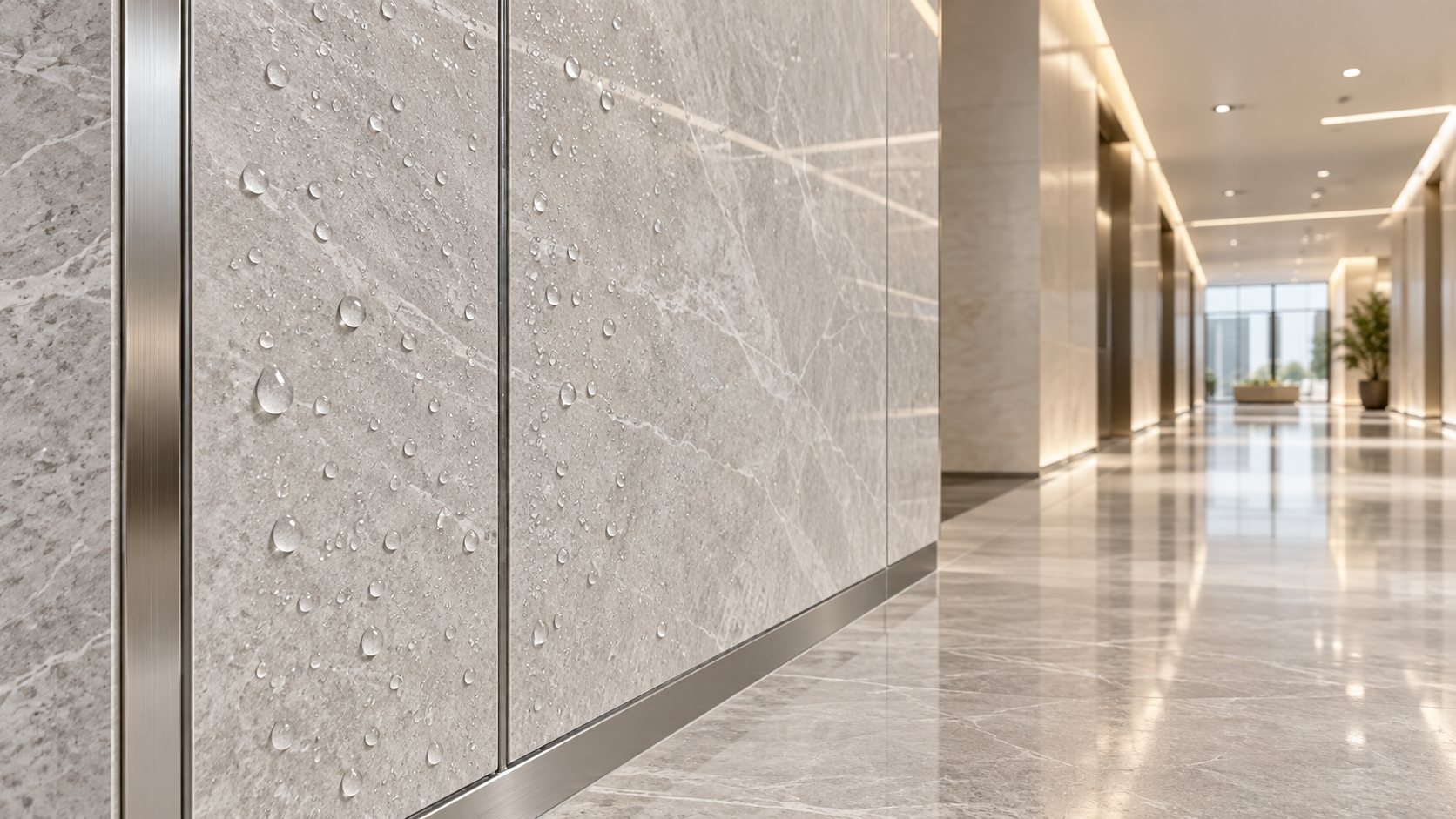
Waterproof decorative wall panels are designed to create a moisture-resistant surface that is easier to clean than painted drywall, wallpaper, or porous tile grout. When installed correctly, they help protect the wall substrate from routine splashing and humid air while providing a finished appearance suitable for commercial interiors.
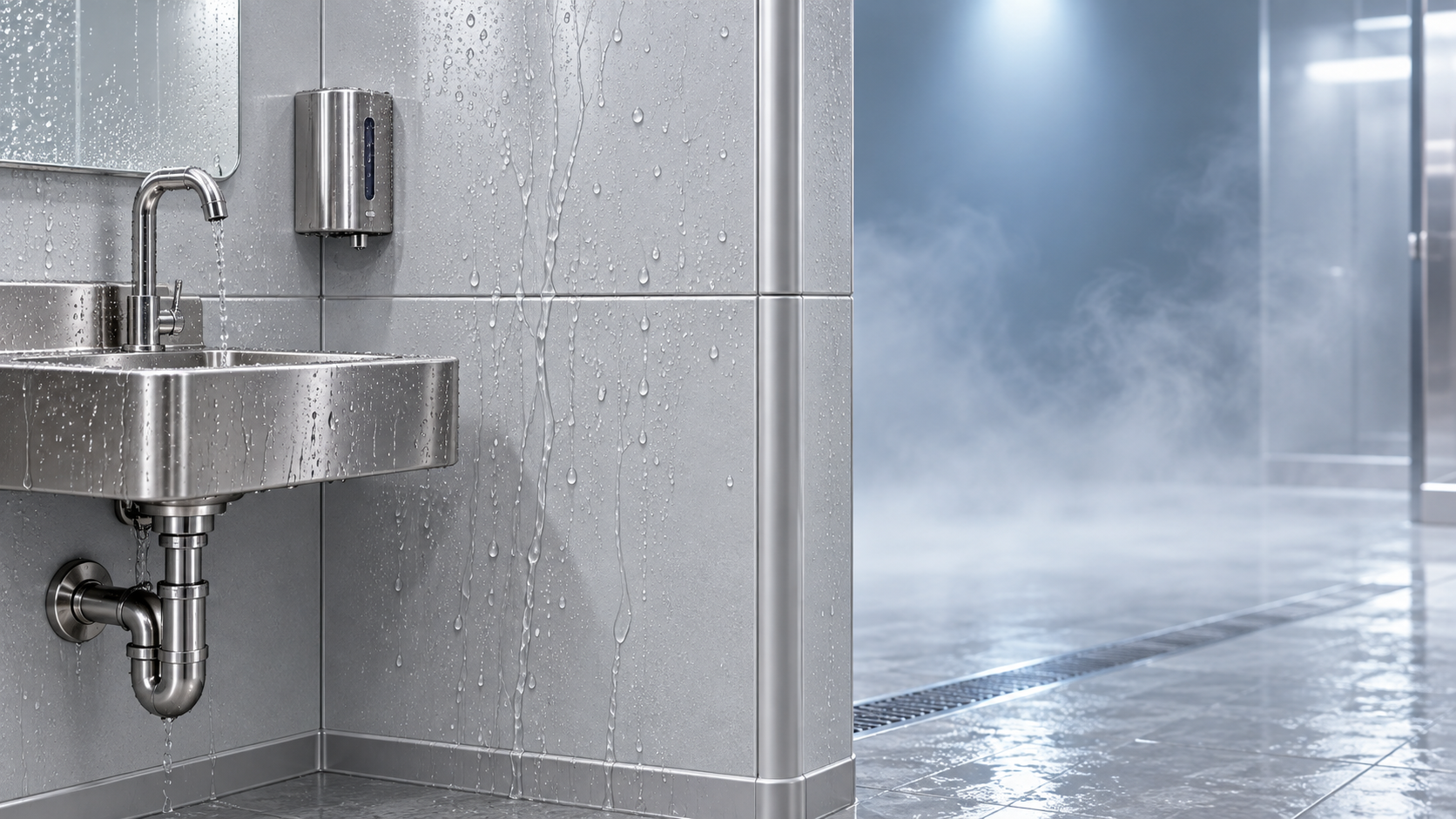
Yet commercial restrooms are unusually demanding spaces. The challenges are not limited to water. Cleaning teams may use chemicals with varying pH levels; users may scratch surfaces with bags, carts, or cleaning equipment; joints and edges may be exposed to repeated wetting; and poorly ventilated rooms can retain moisture long after the last visitor leaves.
That is why proper care focuses less on the panel face itself and more on the complete wall system: the surface, seams, trims, sealant lines, penetrations around fixtures, and the condition of the substrate behind the panel. A durable material can only perform as intended when those details are respected.
What routine care actually looks like
Most commercial restroom wall panels can be maintained with ordinary cleaning practices, provided the products and methods are compatible with the panel manufacturer’s guidance. In many facilities, the routine is straightforward: remove visible dirt, wash the surface with a soft cloth or non-abrasive sponge and a mild cleaner, rinse if needed, and wipe away excess moisture.
For daily or high-frequency cleaning, avoid treating the panels as though they were industrial metal surfaces. Harsh scouring pads, steel wool, abrasive powders, and sharp scraping tools can dull a decorative finish or create fine scratches where grime may later collect. A scratch may not immediately affect waterproof performance, but it can make a well-designed restroom look neglected far sooner than expected.
Disinfectants are often necessary in public washrooms, especially in healthcare, education, hospitality, and food-service environments. The important point is to use them responsibly. Strong chemicals should not be left sitting on the wall for extended periods, and cleaners should be diluted and applied according to their instructions. When a new chemical is being introduced to the maintenance program, testing it first in a discreet area is a sensible precaution.
A practical cleaning approach
- Daily: Wipe splash zones near sinks, hand dryers, dispensers, and toilets. Remove soap streaks, fingerprints, and visible residue before they become difficult to clean.
- Weekly: Clean the full panel surface, including corners, lower wall areas, trims, and areas behind or beside accessories where buildup is easily missed.
- Monthly: Inspect joints, sealant, panel edges, and fixture penetrations for gaps, staining, looseness, or signs of water getting behind the surface.
- As needed: Address graffiti, adhesive residue, mineral deposits, or accidental chemical splashes promptly using a compatible method rather than aggressive scrubbing.
This schedule does not need to be rigidly identical for every site. A lightly used executive office restroom may need less attention than a train station facility open all day. The right frequency depends on traffic, cleaning practices, ventilation, and the local water quality.
The seams deserve more attention than the panels
When people ask, “Do waterproof interior wall panels require special maintenance in commercial restroom areas?” they are often thinking about the panel surface. In reality, seams and transitions are usually the more important inspection points.
A waterproof wall installation depends on properly formed joints and reliable sealing at vulnerable locations. These include internal and external corners, the lower edge near the floor, the top edge near ceilings, openings around pipes, hand dryers, soap dispensers, grab bars, mirrors, and other wall-mounted accessories. If water finds a path behind the panel, the visible face may still look clean while hidden moisture gradually affects the substrate.
Sealant should remain continuous, flexible, and well bonded. Cracking, shrinking, discoloration, peeling, or separation at the edge of a panel is a signal to investigate. In a commercial environment, small defects are easier and less costly to correct early. Waiting until a wall feels soft, smells damp, or shows visible distortion can turn a minor resealing task into a more disruptive repair.
It is also worth remembering that wall-mounted equipment is not static forever. Accessories may be replaced, upgraded, moved, or tightened during routine operations. Any new hole, bracket, or penetration should be sealed correctly. A wall panel system cannot remain watertight if later alterations bypass the original installation details.
Cleaning mistakes that shorten the service life of decorative panels
Many maintenance problems are caused by good intentions applied with the wrong tools. A restroom cleaner may see a stubborn stain and reach for the strongest product available. A maintenance technician may use a blade to remove residue. These choices can create avoidable damage.
Common mistakes include:
- Using highly abrasive pads or powders that wear away the surface finish.
- Allowing concentrated bleach, solvent-based products, or other aggressive chemicals to remain on the panel for too long.
- Directing high-pressure water at joints, trims, and fixture penetrations unless the system has been specifically designed for that cleaning method.
- Ignoring damaged caulk because the panel face still appears waterproof.
- Using unsupported wall fixtures that stress the panel or create unsealed openings.
- Covering persistent moisture or mold concerns with surface cleaning instead of identifying the underlying leak or ventilation issue.
The last point matters. Waterproof panels are part of a moisture-management strategy, not a substitute for sound building conditions. A leaking pipe behind the wall, failed plumbing connection, blocked exhaust system, or persistent condensation issue needs to be corrected at the source.
Ventilation still matters in a waterproof restroom
A well-panelled restroom can look dry even when the room’s humidity remains high. That is one reason ventilation should not be overlooked. Good air movement helps surfaces dry after cleaning, reduces condensation on cool walls and fixtures, and supports a fresher environment for users and staff.
Inadequate ventilation may not immediately damage a quality waterproof panel, but it can affect sealants, surrounding construction materials, ceilings, doors, and concealed spaces. It may also allow odors and moisture to linger, undermining the clean, calm impression a commercial restroom should provide.
During inspections, facility teams should look beyond the panels: Is the extractor operating? Are air grilles blocked? Does steam or moisture remain in the room long after cleaning? Are there signs of condensation around ceilings, windows, or plumbing? These observations often reveal whether a wall-care issue is actually a building-services issue.
Different panel finishes may need slightly different handling
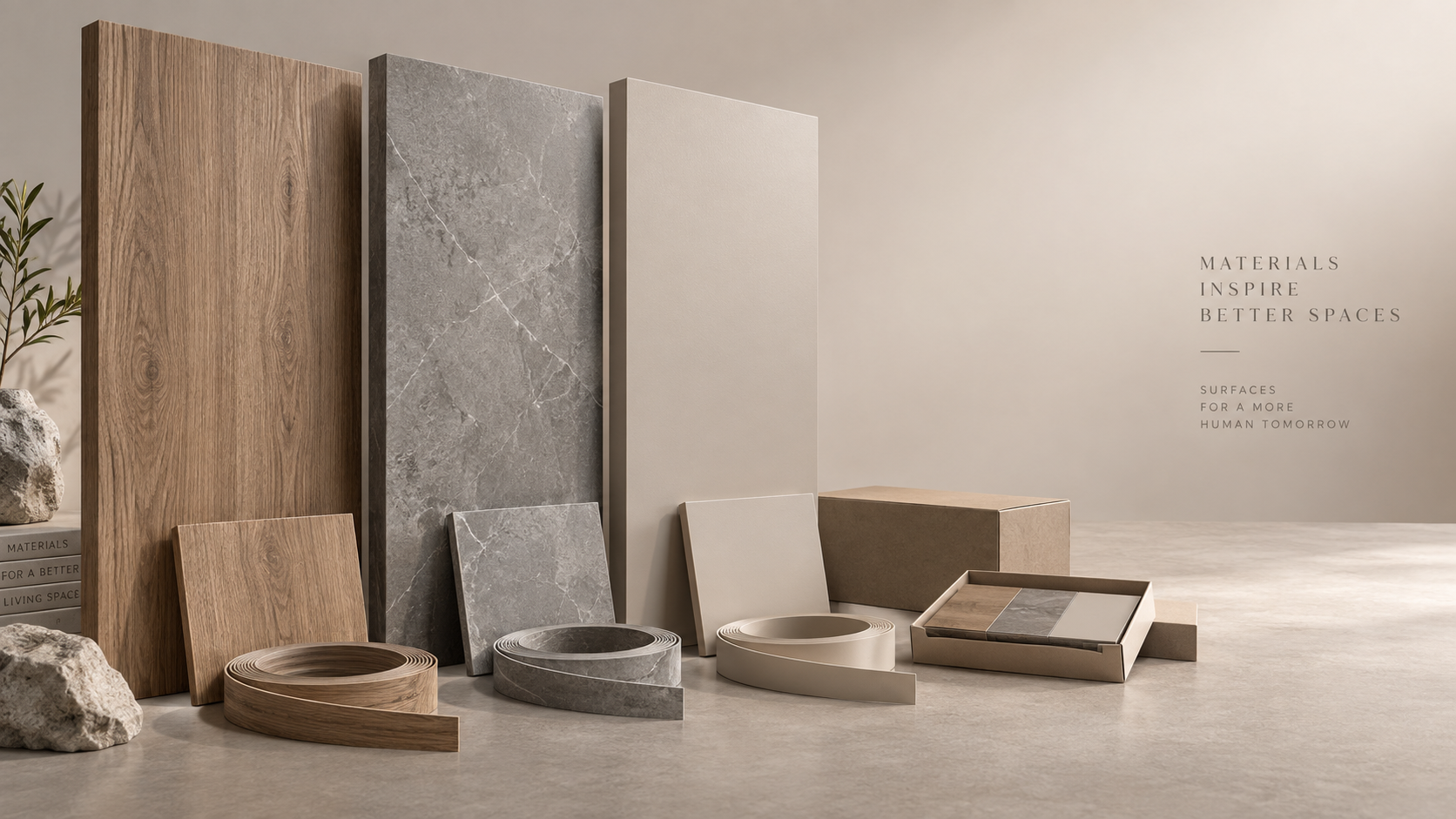
Not all waterproof wall panels have the same surface texture or decorative finish. Smooth, non-porous panels are generally the simplest to wipe down, making them a practical choice for high-traffic restroom walls. Textured surfaces, embossed designs, deep grooves, or decorative trim profiles can create more areas where dust, soap film, and residue settle.
This does not make textured materials unsuitable. It simply means the cleaning team should use soft brushes or cloths that can reach the detail without damaging the finish. Designers should also consider the cleaning reality of the space. A visually striking surface may be appropriate in a boutique hotel restroom with attentive housekeeping, while a heavily used public facility may benefit from a cleaner, smoother wall design with fewer dirt-catching details.
Color selection can also influence the perceived maintenance burden. Very dark gloss surfaces may reveal water spotting, while very light finishes may make scuff marks more noticeable. A balanced finish—one that supports the desired design while fitting the facility’s cleaning capacity—usually delivers better long-term satisfaction than a purely decorative choice.
When should panels be repaired or replaced?
Routine cleaning will not solve structural or installation-related problems. Professional review is advisable when panels become loose, noticeably warped, cracked, deeply gouged, or separated at joints. The same applies if there is recurring staining around seams, a persistent musty odor, soft wall areas, or evidence of water behind the system.
Localized damage does not always mean the entire wall must be replaced. Depending on the panel type, installation method, and extent of the issue, a contractor may be able to repair a joint, renew sealant, replace a trim component, or address a limited panel area. Early reporting gives maintenance teams more options and helps minimize restroom downtime.
During renovation planning, it is wise to retain records of the panel material, finish, batch information where available, compatible sealants, and installation details. These records make future repairs more consistent and reduce the risk of using incompatible materials years later.
Maintenance begins with specification and installation
The easiest wall panel to maintain is one chosen for the actual environment and installed with care. In commercial restroom projects, that means considering expected foot traffic, cleaning chemicals, wall substrate condition, fixture loads, moisture exposure zones, fire-related requirements where applicable, and the ability of the maintenance team to access joints and corners.
Shenyang Shengshi Meilin Technology Co., Ltd. develops new-material solutions for construction and interior applications with an emphasis on innovation, quality, service, and environmentally conscious design. For projects involving decorative wall materials, the most useful conversation is not simply about appearance. It should include how the panel system will be sealed, cleaned, repaired, and integrated with the rest of the restroom environment.
That planning mindset is especially valuable for contractors and designers working under tight schedules. A wall finish that looks excellent on opening day should also remain practical after hundreds of cleaning cycles, changing staff routines, and normal commercial wear.
Frequently asked questions
Can waterproof wall panels be cleaned with bleach?
Some panel systems may tolerate appropriately diluted bleach-based disinfectants, but compatibility depends on the panel finish and the manufacturer’s recommendations. Avoid prolonged contact, rinse when required, and never assume that a stronger concentration will produce a better result. Test unfamiliar products in an inconspicuous area first.
Do commercial restroom wall panels need to be resealed regularly?
The panels themselves typically do not require periodic resealing like some natural materials. Sealant at joints, corners, and penetrations should, however, be inspected regularly and renewed when it shows deterioration. The timing depends on usage, moisture exposure, cleaning practices, and installation quality.
Can waterproof panels be installed behind sinks and toilets?
Yes, these are common application areas because they experience frequent splashing and need easy-to-clean surfaces. Proper sealing around fixtures and plumbing penetrations is essential, particularly where water may run down the wall or collect at edges.
Are waterproof panels better than painted walls in restrooms?
For many commercial restrooms, waterproof panels offer stronger resistance to moisture, staining, and repeated cleaning than conventional painted drywall. The best choice still depends on the building’s use, budget, design requirements, wall condition, and maintenance strategy.
A simple answer with an important distinction
Waterproof wall panels do not need complicated special care, but they do need sensible care. Gentle routine cleaning, prompt removal of residue, regular seam inspections, compatible cleaning chemicals, and good ventilation are usually enough to protect their appearance and function.
In commercial restroom areas, the goal is not merely to keep walls looking presentable. It is to maintain a space that feels clean to visitors, is manageable for staff, and protects the investment made in the renovation. When waterproof interior wall panels are properly specified, installed, and maintained, they can support that goal without adding unnecessary burden to everyday facility operations.
RECOMMEND

Oct 03, 2026
Can Designers Order Private-Label Decorative Panels?
Private label decorative panel production for designers creates distinctive, repeatable finishes. Explore customization, sampling, performance, and branding options.
Oct 02, 2026
Are Waterproof Interior Wall Panels Suitable for High-Humidity Commercial Areas?
Waterproof interior wall panels for high humidity commercial use: discover how sealed joints, suitable substrates, and proper installation deliver durable, hygienic wall protection.
Oct 01, 2026
Are Lightweight Composite Wall Panels Lighter Than Traditional Materials?
Lightweight composite wall panels vs traditional materials weight: compare kg/m², installation benefits, and key fire, fixing, and code factors.
Sep 30, 2026
How to Select Fireproof Waterproof Wall Panels for Commercial Spaces
Luxury interior wall panels with stone texture finish options: learn how to select fireproof, waterproof systems for durable, elegant commercial spaces.