

What Are the Moisture Resistance Ratings I Should Look for in Interior Wall Cladding Panels?
Decoding Moisture Resistance: What Technical Evaluators Need to Know
For a technical evaluator, selecting the right interior wall cladding panels is rarely a matter of aesthetics alone. You are likely balancing performance data, long-term maintenance costs, and the specific environmental stressors of a building. Among these, moisture is arguably the most insidious adversary. It does not always announce itself with a visible leak; it creeps in through humidity, condensation, or hidden vapor barriers, slowly undermining the structural integrity and appearance of your chosen materials.
When you are tasked with specifying panels for a high-humidity commercial kitchen, a residential bathroom, or even a climate-controlled office, the moisture resistance rating is not just a number—it is a forecast of future performance. Yet, the industry is filled with jargon, test standards, and marketing claims that can obscure the real data. This guide is designed to cut through that noise, offering you a clear, technically grounded perspective on what moisture resistance ratings actually mean for your projects.
Why Standard Ratings Matter More Than Manufacturer Claims
Let’s start with a fundamental truth: every panel manufacturer will claim their product is “moisture resistant.” The difference lies in the how and the how much. As a evaluator, you need to look beyond surface-level marketing and into the specific test methods and classification systems used to generate those ratings. In North America and many global markets, the most common standards are derived from ASTM (American Society for Testing and Materials) and ISO (International Organization for Standardization) protocols.
Three key ratings should be on your checklist:
- Water Absorption Rate (WA): This measures the percentage of water a panel absorbs when submerged for a set period (typically 24 hours). A lower percentage indicates better resistance. For interior applications, look for panels with a WA of less than 5%. For areas with direct water exposure, aim for under 2%.
- Thickness Swell (TS): This rating indicates how much the panel expands in thickness after exposure to moisture. Even if a panel resists absorption, it can still swell, leading to joint separation, warping, and surface distortions. A TS of less than 1% is considered excellent for interior cladding.
- Modulus of Rupture (MOR) – Wet Condition: This is a strength test performed after the panel has been saturated. It tells you how much structural integrity the panel retains when wet. A high wet MOR value is crucial for load-bearing or high-traffic areas.
These three metrics, when evaluated together, provide a much more reliable picture than a single “waterproof” claim. They answer the critical question: What happens to this panel when it gets wet, and how long will it remain functional?
Navigating the Alphabet Soup: Classes, Grades, and Types
Once you understand the base metrics, the next step is to interpret the classification systems. Different material types—MDF, plywood, fiber cement, and metal composites—use different rating systems. For example, in the world of medium-density fiberboard (MDF), you will encounter “MR” (Moisture Resistant) or “HMR” (High Moisture Resistant) grades. These are often tested under EN 321 or similar standards. A standard MDF might have a TS of 6-8%, while an HMR grade can drop that to under 3%.
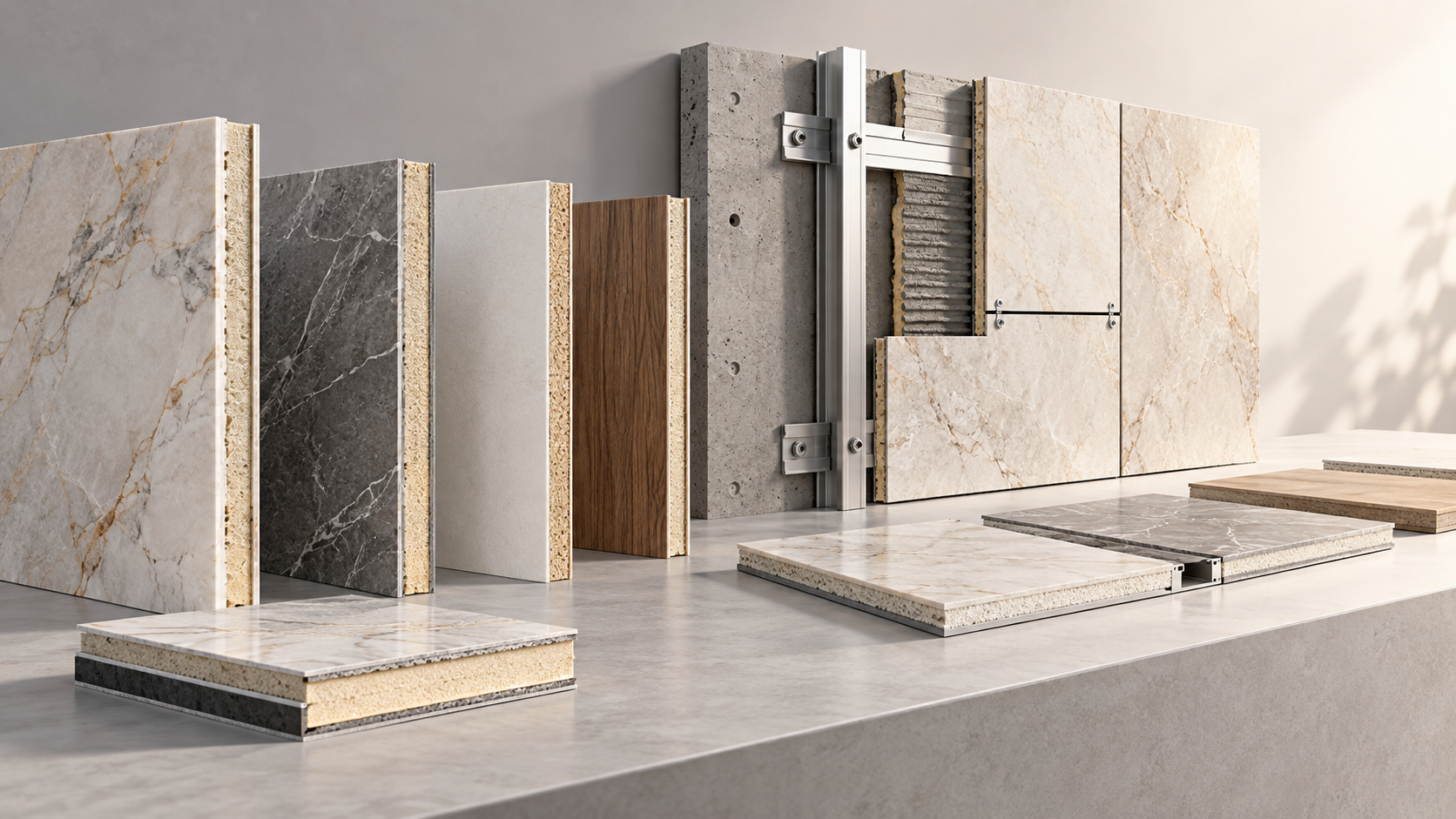
For metal-based panels, such as those offered by Shengshi Meilin, the conversation shifts. The metal itself is inherently non-porous, which eliminates the absorption and swelling risks common to organic materials. However, the critical evaluation point shifts to the core material and the edge sealing. A metal panel with a mineral core will have a different moisture profile than one with a wood-based core. The key rating here is often the Vapor Permeance (perm rating)—a measure of how much water vapor can pass through the panel. For interior cladding in humid environments, a low perm rating (Class I or II) is generally preferred to prevent vapor from penetrating the wall assembly.
Real-World Application: Where Ratings Fail and Where They Shine
It is one thing to read a technical data sheet; it is another to see how a panel performs on site. I have seen evaluators make the mistake of choosing a panel with a low water absorption rate but a high thickness swell value. They installed it in a bathroom, and within six months, the seams were visibly raised, creating an uneven surface that required costly rework. The data sheet was technically correct—the panel did not absorb much water—but it swelled, causing failure.
This is why you should always prioritize dimensional stability over raw absorption numbers. A panel that remains dimensionally stable under moisture exposure is far more reliable than one that merely resists water intake. Here are a few practical scenarios to consider:
- Bathrooms and Shower Surrounds: Look for a panel with a wet MOR of at least 50% of its dry strength. This ensures the panel will not crack or sag under its own weight when exposed to steam and condensation.
- Basements and Below-Grade Applications: Vapor barrier performance is critical. A perm rating of less than 1.0 perm is recommended to prevent ground moisture from migrating through the cladding into the interior space.
- Commercial Kitchens and Laundry Rooms: Chemical resistance often goes hand-in-hand with moisture resistance. Ensure the panel’s surface finish is rated for cleaning agents, not just water. A high-pressure laminate (HPL) or metal panel with a sealed core is often the best choice here.
The Hidden Variable: Installation and Edge Sealing
No matter how high the moisture resistance rating of your chosen panel, the installation process is the single greatest variable that determines real-world performance. Even a panel with a perfect water absorption rate can fail if the edges are not properly sealed. In a wall cladding system, the edges are the most vulnerable point. They are often cut on-site, exposing the core material to direct moisture ingress.
When evaluating a product, ask for the manufacturer’s recommended edge sealing procedure. Some panels come with pre-sealed edges, but many require field-applied sealants. For metal panels, the primary vulnerability is at the cut edges. A high-quality product, such as the Embossed Metal-Metal Stripe Bronze, is designed with a core that is inherently resistant to moisture and requires minimal edge treatment. This reduces the risk of installation error. As a technical evaluator, you should always factor in the skill level of the installation crew. The simpler the sealing process, the lower the likelihood of field failure.
Another often-overlooked rating is the Peel Strength of the adhesive bond between the metal surface and the core. In high-humidity environments, moisture can cause delamination if the bond is weak. Look for a peel strength rating of at least 1.0 N/mm, tested under wet conditions (e.g., after 24 hours of water immersion). This ensures the metal surface will not separate from the core, even when the panel is exposed to steam or splashes.
Beyond the Data Sheet: Evaluating Long-Term Performance
As an evaluator, you are not just buying a panel for today; you are buying a performance guarantee for the next 10, 20, or 30 years. This is where the concept of accelerated aging tests becomes invaluable. Some manufacturers will provide data from cyclic tests, where panels are exposed to repeated cycles of heat, humidity, and cold. This mimics the real-world stress of seasonal changes and HVAC cycles.
Look for panels that have undergone at least 100 cycles of accelerated aging with no significant degradation in appearance or mechanical properties. This is a much stronger indicator of long-term reliability than a simple static water absorption test. It tells you the panel can handle the slow, cumulative damage of daily moisture exposure, not just a single soaking event.
Finally, do not ignore the surface finish. A textured or embossed surface, like the one found on certain metal panels, can actually help manage moisture by reducing the surface area for condensation to form. A smooth, glossy surface, while easy to clean, may be more prone to condensation in high-humidity environments. The interaction between the panel’s surface texture and its thermal properties is a nuanced but important factor for long-term moisture management.
Making the Final Call: A Checklist for the Evaluator
When you are in the final stages of selection, use this checklist to ensure you have covered all the critical moisture-related parameters:
- Water Absorption (WA): Ideally < 2% for wet areas, < 5% for general interior.
- Thickness Swell (TS): < 1% for all interior applications.
- Wet Modulus of Rupture (MOR): At least 50% of dry MOR.
- Vapor Permeance (Perm Rating): Class I or II for humid environments.
- Edge Sealing: Confirm the manufacturer’s recommended procedure and whether it is pre-applied or field-applied.
- Accelerated Aging: Look for 100+ cycle test data without significant degradation.
- Peel Strength (Wet): > 1.0 N/mm for metal-faced panels.
Choosing the right interior wall cladding panel is rarely about finding a single perfect rating. It is about understanding the interplay of multiple metrics, the specific demands of your building environment, and the practical realities of installation. By focusing on dimensional stability, vapor transmission, and real-world test data, you can make a selection that not only meets the specification but also delivers lasting performance. This is the kind of informed decision-making that separates a project that ages gracefully from one that requires constant maintenance.
RECOMMEND

Oct 26, 2026
How Do You Choose Fire-Resistant Composite Panels for Commercial Use?
Choose fire resistant composite panels for commercial interior projects. Learn how to verify fire documentation, compare options, and avoid costly specification mistakes.
Oct 26, 2026
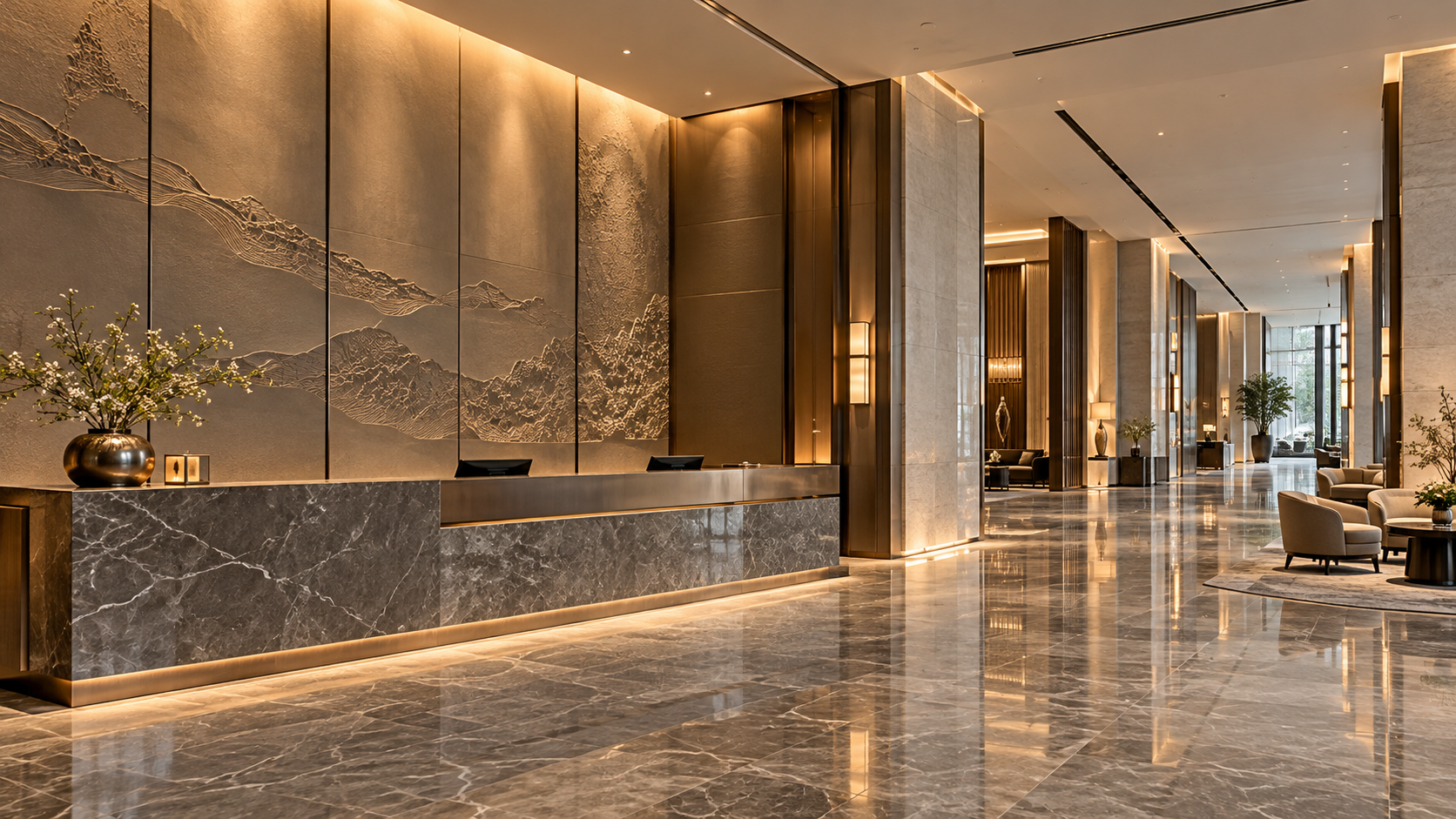
Are Meilin Board Custom Panels Suitable for Luxury Hotel Lobbies?
Explore Meilin Board custom decorative panels for luxury hotel lobbies. Discover design considerations and essential fire, emissions, and maintenance checks before specifying your project.
Oct 26, 2026
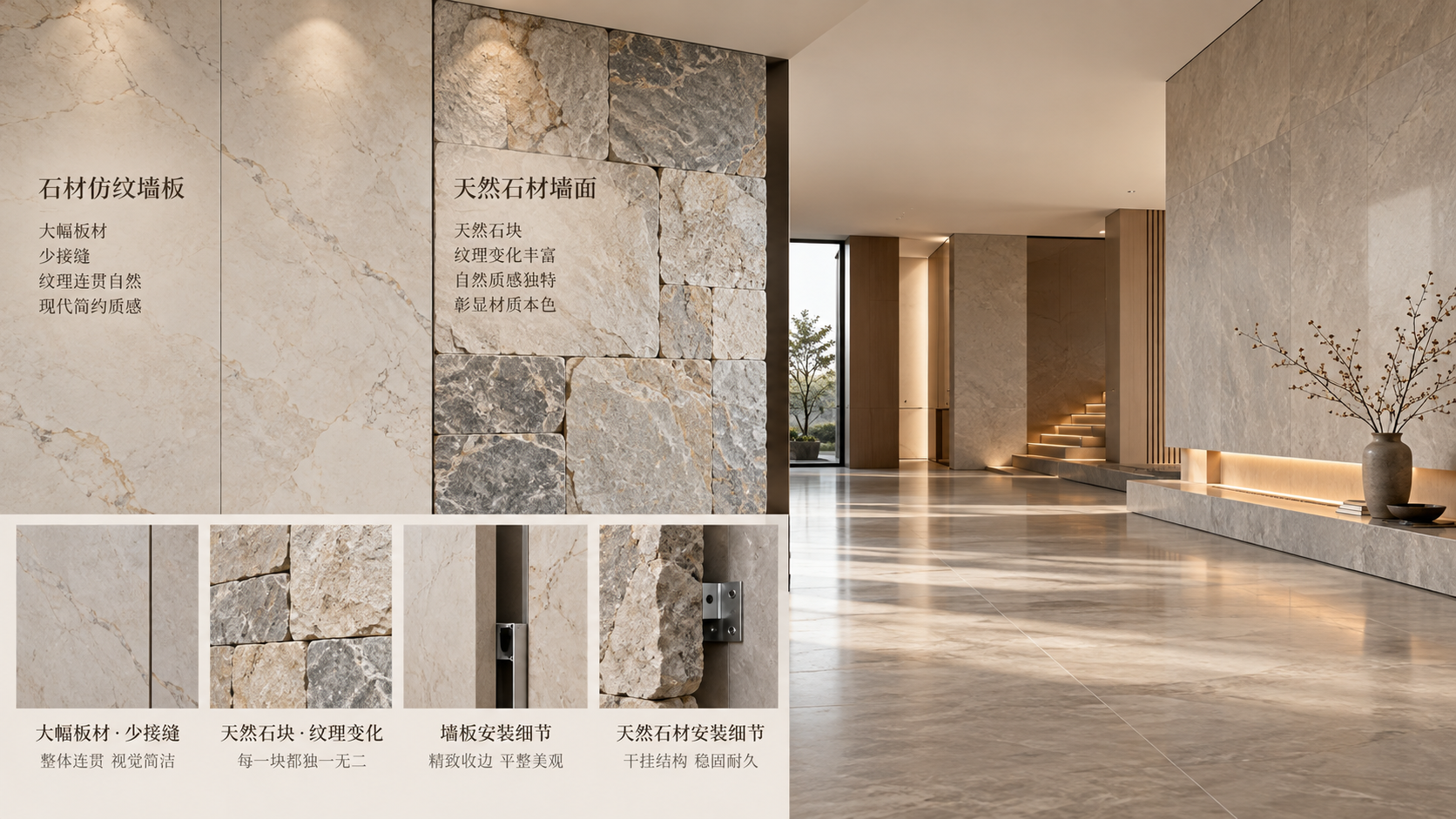
Stone-Look Wall Panels vs. Natural Stone: Which Costs Less?
Compare stone look wall panels vs natural stone cost, from materials and installation to maintenance. Discover which option delivers better value for your next wall project.
Oct 25, 2026
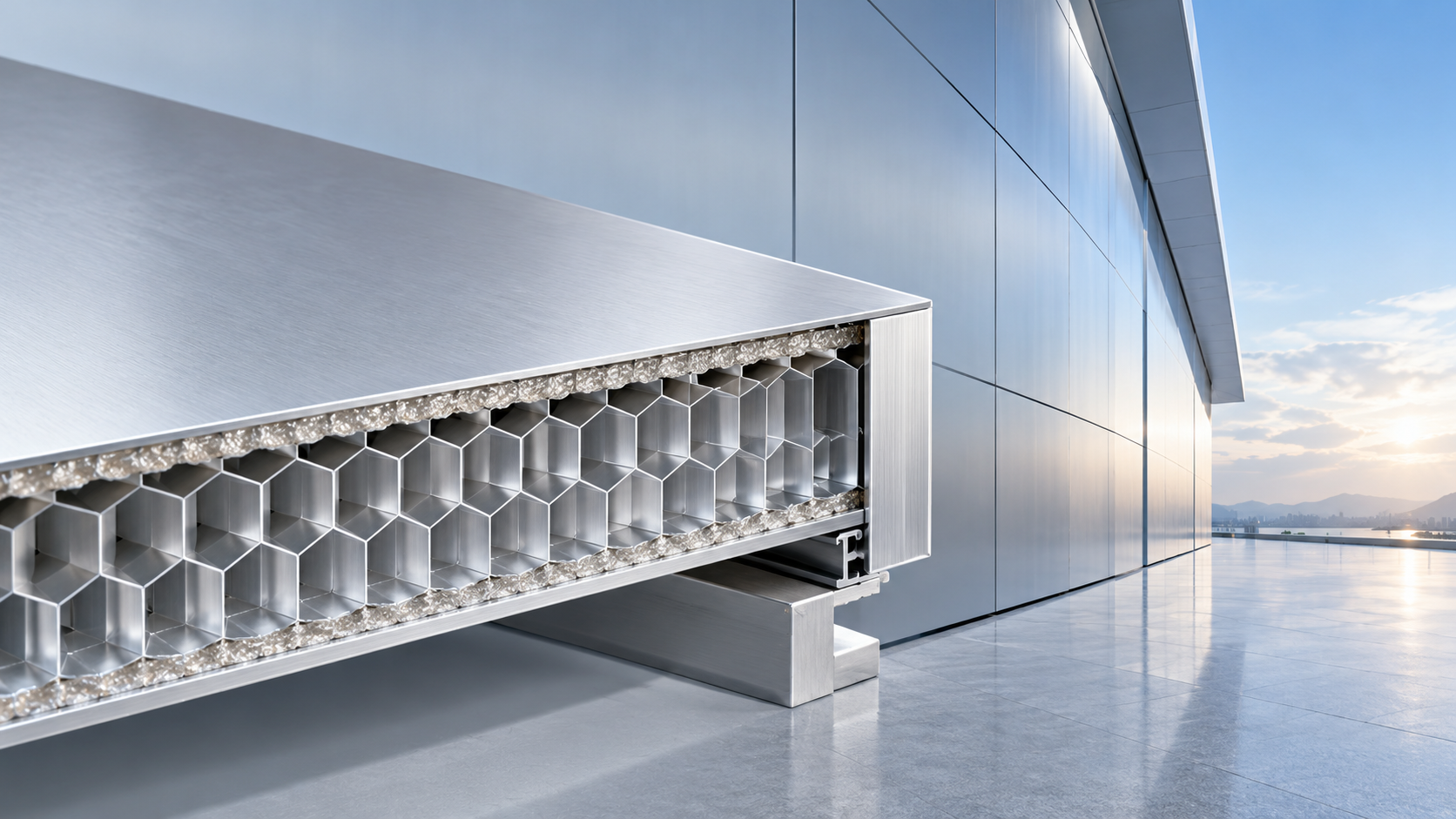
How Strong Are Meilin Board Aluminum Honeycomb Panels?
Explore aluminum honeycomb panels structural strength with Meilin Board. Learn how thickness, core design, and fixings affect performance to choose panels confidently.