


Magnesium Oxysulfate Boards Explained: Where They Fit in Moisture-Prone Interior Projects
Magnesium Oxysulfate Boards are drawing more attention in interior construction because they sit in a useful middle ground: they offer better moisture tolerance than many conventional interior boards, while also meeting growing expectations around fire performance, dimensional stability, and cleaner finished surfaces. For anyone researching materials for bathrooms, kitchens, laundry rooms, basements, utility areas, or other humidity-exposed interiors, the key question is not whether these boards are “better” in general. It is where they actually fit, and where they do not.
That distinction matters because moisture-prone projects are often where material selection mistakes become expensive. Boards that perform adequately in dry spaces may swell, soften, mold, stain, or lose finish quality once exposed to repeated humidity cycles, water splashes, or intermittent condensation. In interior decorative systems, those failures usually show up later than expected—at joints, fastener points, coatings, tile backings, or concealed wall cavities.
Magnesium Oxysulfate Boards are often considered in response to exactly those risks.
What Magnesium Oxysulfate Boards actually are
In practical terms, Magnesium Oxysulfate Boards are inorganic boards made with a magnesium-based cementitious system. They belong to the broader family of magnesium-based building boards, but that broad category can be misleading for researchers. Not all magnesium boards behave the same way, and one of the most important distinctions is the binder chemistry.
The “oxysulfate” part refers to a magnesium oxide and magnesium sulfate system, which differs from magnesium oxychloride formulations. This difference matters because the market has spent years learning hard lessons about chloride-related moisture issues in some older or lower-quality magnesium board products. Those concerns included corrosion risk around metal fasteners or framing in certain conditions, as well as performance instability when materials were poorly formulated or used outside their suitable environments.
That history is one reason Magnesium Oxysulfate Boards are now being examined more closely. For many buyers and specifiers, they represent an attempt to retain the advantages of magnesium-based boards while reducing some of the concerns associated with chloride-containing alternatives.
Why they are being considered for humid interior environments
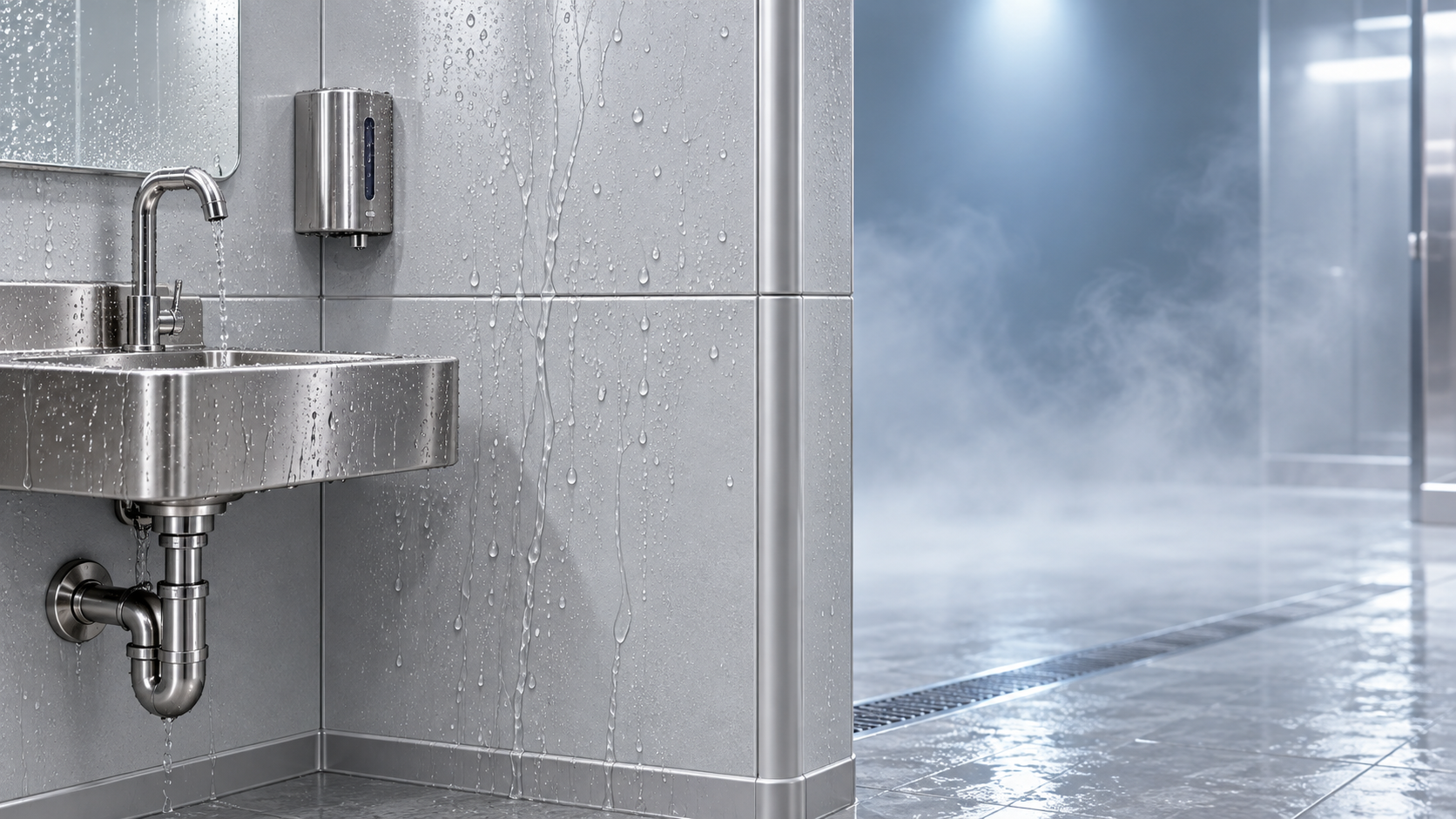
Interior moisture exposure is rarely just about direct water contact. In real projects, materials are stressed by several overlapping conditions: daily steam in bathrooms, warm-cold temperature shifts near exterior walls, low-grade basement humidity, occasional plumbing leaks, wet cleaning, and trapped moisture behind impermeable finishes. A board that looks stable in a showroom may perform very differently after months of service.
Magnesium Oxysulfate Boards are being selected in these situations for several reasons.
Moisture resistance. They are generally valued for better dimensional stability in humid conditions than standard gypsum-based interior boards. That does not mean they are waterproof in every assembly, but it does mean they are often less prone to the swelling and surface degradation that can affect conventional boards when moisture exposure is repeated.
Fire performance. Inorganic composition is a major advantage in many partitions, ceilings, service shafts, and wall lining systems where fire resistance is part of the specification logic. In modern interior projects, especially hospitality, multifamily, healthcare, and public-use buildings, moisture performance and fire performance are often evaluated together rather than separately.
Mold resistance potential. Because these boards are not based on paper-faced organic layers in the way some common interior boards are, they are often seen as a lower-risk option in spaces where mold prevention is part of the design strategy. That said, mold risk is always assembly-dependent. A resistant board does not eliminate the risk created by trapped moisture, poor ventilation, or wet insulation.
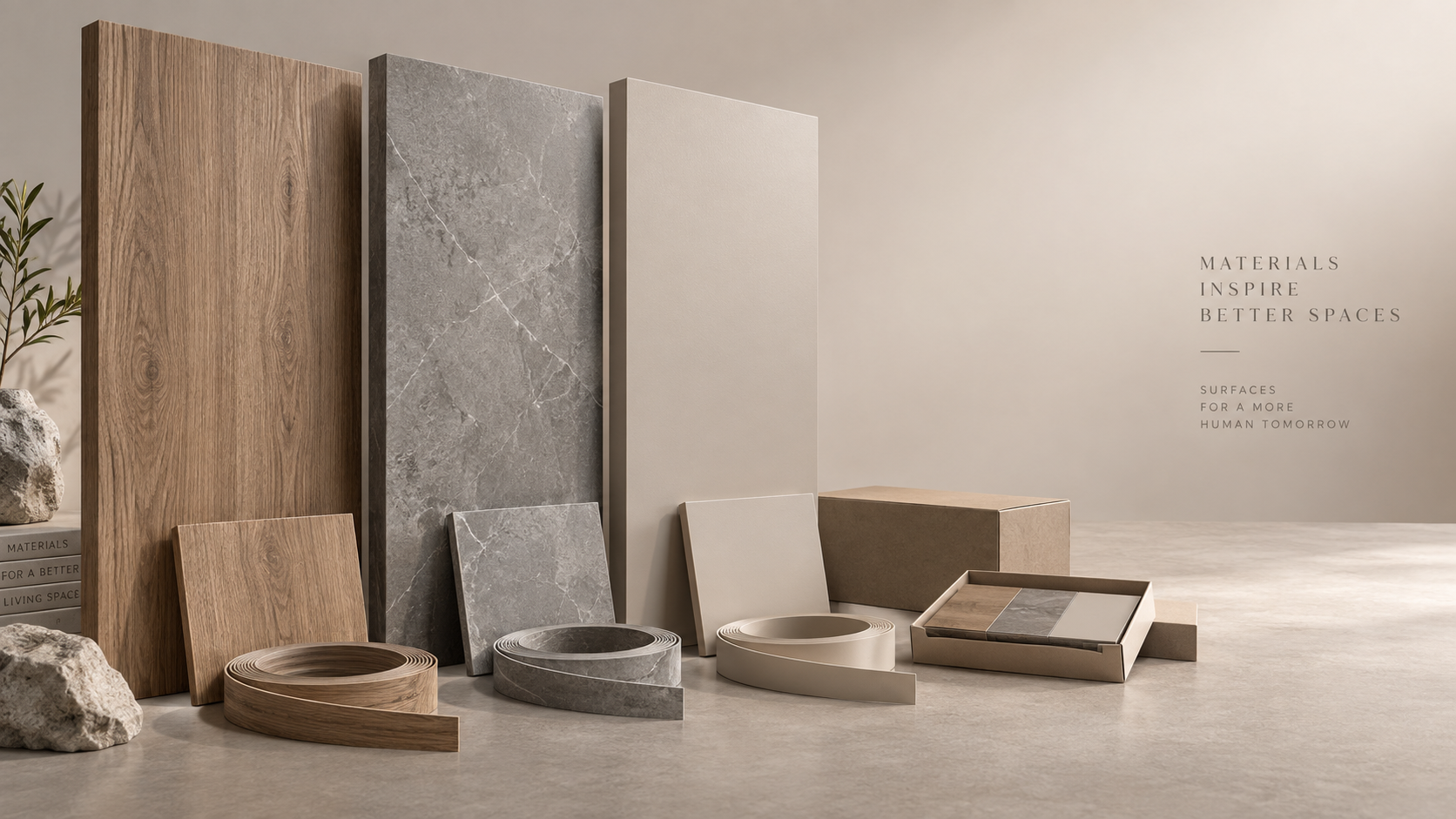
Surface quality and finish versatility. Many magnesium-based boards are appreciated for smooth, dense surfaces that can support coatings, laminates, tile backings, and decorative finishes, depending on the exact product grade. In higher-end interiors, that matters because the substrate affects the final appearance more than many non-specialists expect.
Where these boards fit best
The strongest use case for Magnesium Oxysulfate Boards is not “all wet areas.” It is interior spaces with persistent humidity exposure, intermittent splash risk, and a need for a more stable non-combustible or low-combustibility substrate than standard drywall can provide.
Bathrooms and shower-adjacent walls. This is one of the clearest fit areas, especially in projects where tile backers, vanity wall linings, or concealed service wall substrates need better moisture tolerance. The board is not a substitute for proper waterproofing membranes in direct wet zones, but it can improve substrate stability behind the system.
Kitchens and pantry service areas. Residential and commercial kitchens create a combination of heat, grease, cleaning chemicals, and humidity. Boards with better resistance to warping and moisture uptake can help maintain finish integrity over time.
Basements and semi-below-grade interiors. These projects are often where researchers begin comparing alternatives, because basement moisture is usually chronic rather than dramatic. Materials may not be visibly wet, but they are repeatedly exposed to elevated humidity, colder surfaces, and condensation risk. Magnesium Oxysulfate Boards can be useful here if the broader moisture management strategy is sound.
Laundry rooms, utility rooms, and mechanical enclosures. These spaces generate moisture and often have stricter practical demands than formal living areas. Durability and lower maintenance can matter more than decorative flexibility alone.
Hospitality and multifamily interiors. In these sectors, operators increasingly look for materials that reduce maintenance cycles. Repeated turnover, cleaning, occupant misuse, and moisture exposure all punish weak substrates. A more stable board can support lower lifecycle disruption even if upfront material cost is higher.
Where expectations should stay realistic
One of the most common market misunderstandings is to treat moisture-resistant boards as universal problem-solvers. They are not.
Magnesium Oxysulfate Boards should not be assumed to replace waterproofing design, vapor control planning, sealant detailing, or correct installation methods. If water intrusion is active and continuous, even a strong board can become part of a failing assembly. Researchers should pay attention to the difference between:
- humidity resistance,
- intermittent splash tolerance,
- direct wet-area suitability,
- and long-term immersion or exterior exposure.
These are not the same performance category.
Similarly, not every project benefits enough from this material to justify specification change. In dry interior partitions with low abuse and no elevated fire requirement, standard solutions may still be commercially rational.
The comparison researchers usually need: magnesium oxysulfate vs common interior boards
When compared with standard drywall, Magnesium Oxysulfate Boards usually enter the conversation because drywall is cost-efficient and easy to install, but less forgiving in moisture-prone conditions. In spaces where humidity and service life are real concerns, the comparison often shifts from initial price to maintenance risk.
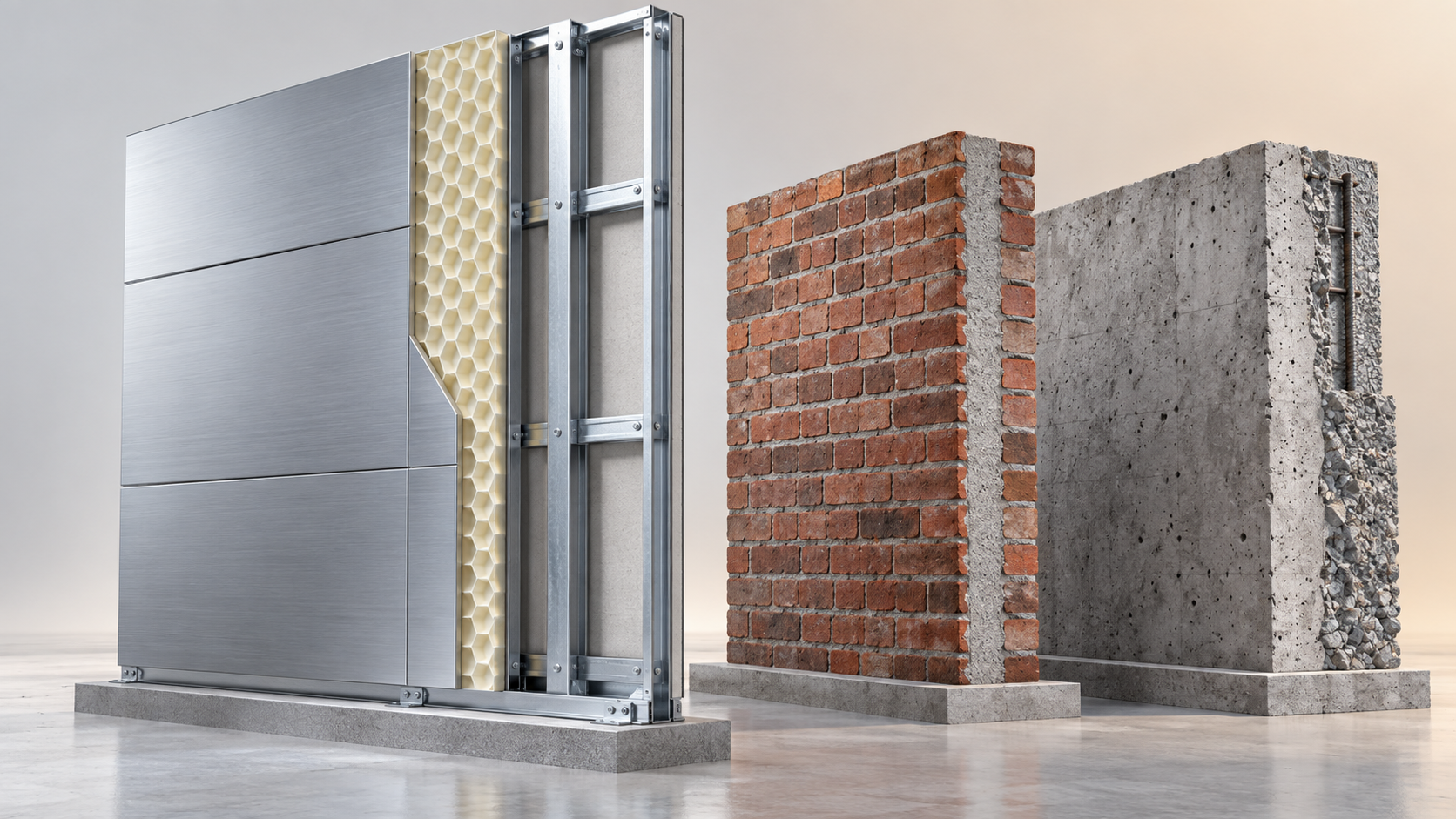
Against cement board, the comparison becomes more nuanced. Cement board is familiar in wet-area applications and may offer strong moisture durability, but it can be heavier, more brittle in handling, or less convenient depending on the project. Magnesium Oxysulfate Boards may appeal where users want a balance between stability, workability, and interior finish quality.
Against fiber cement or calcium silicate boards, the choice often depends on density, installation preference, finish requirements, and local availability. There is no single winner across all projects. What matters is which board solves the actual failure risk in the intended assembly.
Why the chloride question keeps appearing in this category
Anyone researching magnesium boards in international trade markets will eventually encounter discussion about corrosion, “weeping boards,” or inconsistent quality. This is not accidental. The category has had uneven quality histories across suppliers, regions, and formulation types.
That is why Magnesium Oxysulfate Boards are increasingly positioned as a more stable alternative within magnesium board development. For buyers, though, the lesson is broader: do not evaluate these materials only by generic category names. Ask about formulation type, test reports, density, moisture movement behavior, fastener compatibility, and intended application class.
This is especially important in export and procurement contexts, where board appearance can look similar across suppliers while performance differences are substantial.
What to verify before treating them as a reliable option
For information researchers, the most useful next step is not memorizing technical claims. It is understanding what should be verified.
Application scope. Is the board intended for interior dry areas, humid areas, tile backing, ceiling use, partition systems, or decorative cladding substrate? “Moisture-resistant” is too vague on its own.
Test basis. Fire, strength, water absorption, dimensional change, and mold-related claims should be backed by identifiable testing. If certifications or standards are presented, they should be reviewed in their original context. If exact references are unavailable, they should be treated as 【待核实】.
Installation system compatibility. Performance depends on screws, framing, joint treatment, membranes, finishes, sealants, and edge detailing. A good board can fail inside a poor system.
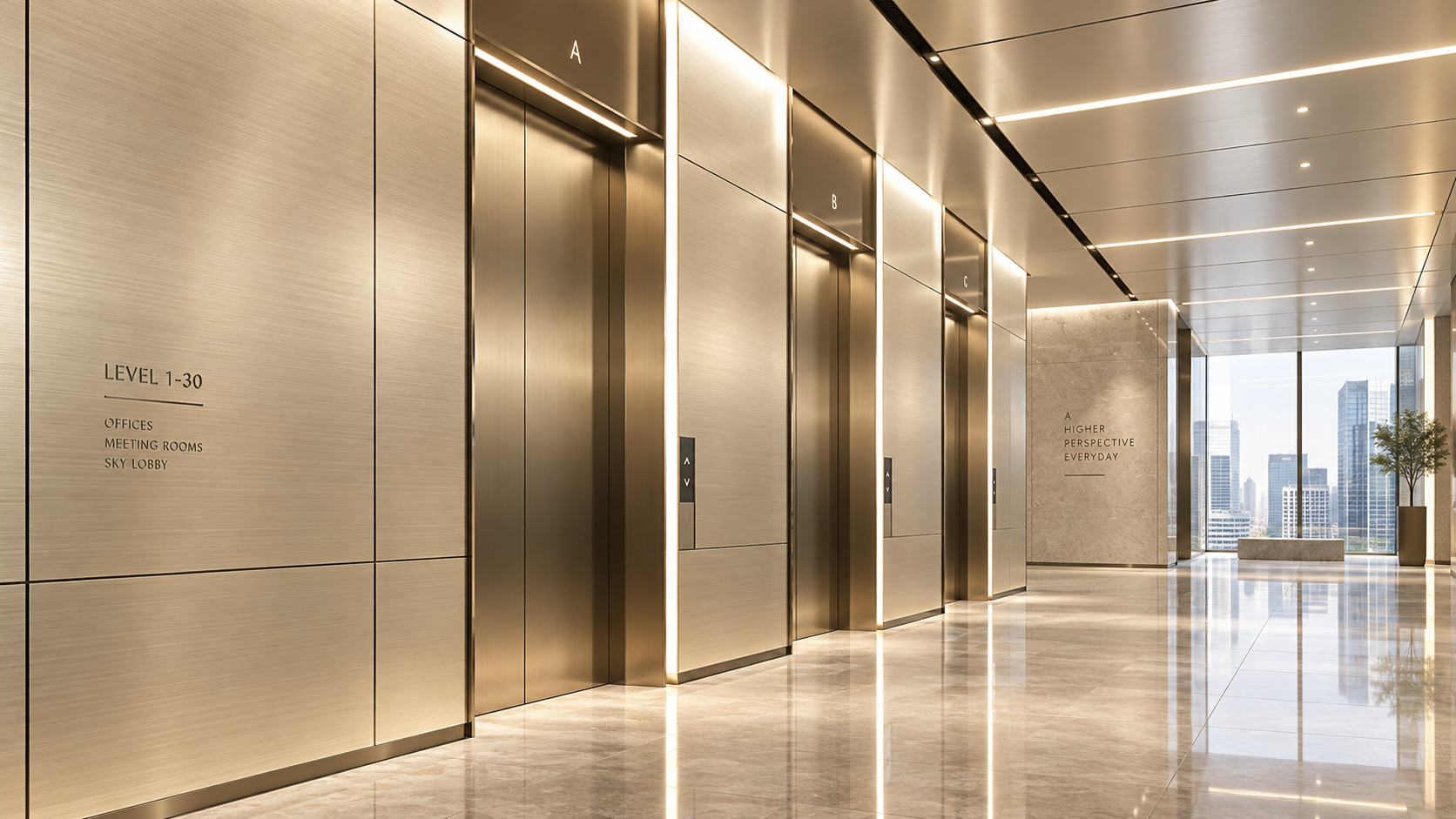
Surface and decorative intent. In some interior projects, the board is hidden behind tile or coating. In others, it supports visible decorative layers. For example, in a premium commercial interior, a moisture-stable substrate may sit behind more expressive finish materials such as metal-faced panels or feature surfaces, including products like Embossed Metal-Herringbone Bronze, where substrate flatness and long-term dimensional stability influence final visual quality.
Supply consistency. In international sourcing, consistency is often a bigger issue than the headline specification. Researchers should consider whether the supplier can maintain formulation stability, board density control, batch traceability, and delivery quality over repeated orders.
Common mistakes in early-stage material research
One frequent mistake is assuming that all “green” or inorganic boards automatically outperform traditional materials in every condition. Another is focusing only on one headline property—usually fire or moisture resistance—without looking at the assembly as a whole.
There is also a tendency to overread marketing terms like “waterproof,” “moldproof,” or “zero deformation.” In professional use, those terms are starting points for questions, not final answers.
A more grounded approach is to ask: what specific failure is this board meant to prevent? Surface bubbling? Tile bond instability? Joint cracking? Mold risk from organic facings? Maintenance downtime in humid rooms? Once that is clear, the material can be judged more accurately.
Why interest in these boards is likely to continue
The direction of the interior materials market helps explain the growing attention. More projects now require combinations of performance that used to be evaluated separately: fire resistance, moisture tolerance, cleaner aesthetics, lower maintenance, and support for healthier indoor environments. At the same time, developers and contractors are under pressure to reduce callback risk and improve durability in compact, heavily used spaces.
That creates a favorable context for Magnesium Oxysulfate Boards, particularly in segments where standard drywall feels underqualified but heavier cementitious boards may not always be the preferred answer.
The material is also benefiting from a broader shift in decorative construction toward system thinking. Interior substrates are no longer judged only by whether they hold paint. They are part of integrated wall and ceiling solutions, often supporting tiles, coatings, laminates, acoustic layers, or decorative metal surfaces. In that context, a stable board hidden beneath the finish can have an outsized effect on service life and appearance.
For researchers trying to place this material correctly, the most accurate conclusion is a measured one. Magnesium Oxysulfate Boards are not a universal replacement for every interior board, and they do not remove the need for proper moisture management. But in moisture-prone interiors where durability, fire performance, and substrate stability all matter, they represent a category worth serious attention.
That is where they fit best: not as a trend item, but as a practical response to interior environments where conventional board choices too often underperform.
RECOMMEND

Oct 04, 2026
Are Aluminum Honeycomb Panels Suitable for High-Rise Interiors?
Aluminum honeycomb composite panels for high-rise interiors offer lightweight strength, flatness, and design flexibility. Explore fire, installation, and specification insights.
Oct 03, 2026
Can Designers Order Private-Label Decorative Panels?
Private label decorative panel production for designers creates distinctive, repeatable finishes. Explore customization, sampling, performance, and branding options.
Oct 02, 2026
Are Waterproof Interior Wall Panels Suitable for High-Humidity Commercial Areas?
Waterproof interior wall panels for high humidity commercial use: discover how sealed joints, suitable substrates, and proper installation deliver durable, hygienic wall protection.
Oct 01, 2026
Are Lightweight Composite Wall Panels Lighter Than Traditional Materials?
Lightweight composite wall panels vs traditional materials weight: compare kg/m², installation benefits, and key fire, fixing, and code factors.