How to Keep Wall Panel Color Consistent Across Batches and Repeat Orders
How to Keep Wall Panel Color Consistent Across Batches and Repeat Orders
Color mismatch rarely shows up in the first delivery. It shows up in the third — when a hotel adds ten more rooms and the new panels arrive half a shade off the wall installed eight months earlier. The difference between suppliers that drift and suppliers that don't is not luck. It is whether color was controlled as a written specification or treated as an assumption.
Why batches drift in the first place
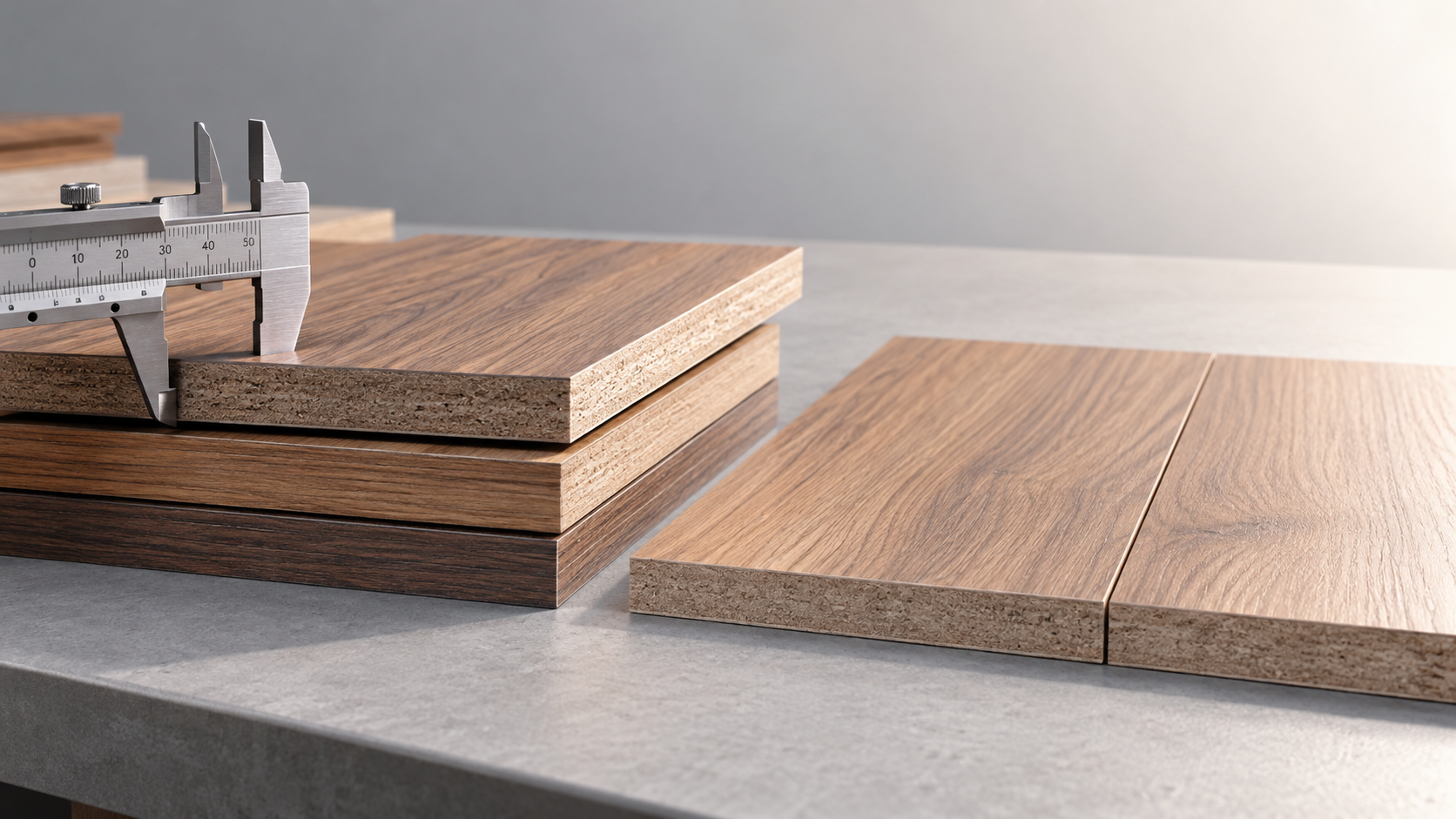
A laminated decorative panel gets its color from a printed film (PVC, PP or PET) bonded to the substrate. Three things move between production runs:
Film lots. Decorative film is made in rolls. A new film lot can shift ink density slightly even under the same design code.
- Press conditions. Lamination temperature and pressure change how a film reads once bonded — the same film can look marginally different at a different line speed.
- Adhesive layer. A thicker or thinner adhesive line shifts perceived tone, most visibly on light solid colors and skin-feel finishes.
None of this makes a panel defective. It makes two batches different — and on a six-meter uninterrupted reception wall, the eye catches differences a single panel never reveals.
What belongs in the order, not just in the email
A supplier who cannot answer "do you retain batch samples?" before the first order will not answer it after the problem appears.
If your delivery is single-batch vs phased
- If the whole quantity ships at once: require one production batch plus a per-batch inspection before dispatch. Film-lot shift becomes a non-issue by construction.
- If the project is phased (lobby first, guest floors months later): approve the master sample, require retained samples from every run, and ship one confirmation panel to be checked against the installed wall before phase two leaves the factory.
- If replenishment comes years later: only a supplier who archived the color code and kept the retained sample can match it. A retired film code cannot be reproduced. Ask about retention policy at quotation stage.
The check most buyers skip: lighting
A panel approved under office lighting can read differently under warm hotel corridor light. Approve samples under the lighting condition of the actual space, and view dry-laid panels from the distance the wall will actually be seen — not across a warehouse bench. If the wall is lit from the side, check the sample under side light; surface texture differences show up there first.
FAQ
Q: What ΔE tolerance is realistic between batches?
A: It depends on the color and finish. Dark solid colors show drift sooner than textured wood grains. State the tolerance your project needs and have the supplier confirm it against their own measurement process — do not accept a verbal "no problem."
Q: Can I just match by RAL code?
A: No. A RAL code defines the ink, not the laminated result. Backing color, adhesive layer and surface finish all shift perceived tone. The physical master sample is the binding reference.
Q: We already installed phase one. Can phase two still be matched?
A: Usually yes, if the supplier retained a sample from the original run and the film code is still in production. Send photos of the installed wall under project lighting plus a retained panel if you have one, and get written confirmation of matchability before paying for phase two.
Q: Who pays if a later batch is off-color?
A: Whoever the contract says. That is exactly why the tolerance and the master sample must be written into the purchase order — after the fact, "close enough" is a negotiation, not a standard.
Next:No more content
RECOMMEND

Nov 03, 2026
How to Keep Wall Panel Color Consistent Across Batches and Repeat Orders
Color drift between batches is a process problem, not luck. The batch-control workflow buyers should write into the order before a repeat purchase.
Nov 02, 2026
Will a PUR-Laminated Panel Delaminate in a Humid Room?
Will a PUR laminated panel delaminate in a humid room? Discover what affects moisture resistance and how to choose the right panel for your bathroom or kitchen.
Nov 02, 2026
How Do I Choose the Right Core for a Custom Composite Panel?
How do I choose the right core for a custom composite panel? Compare fire performance, weight, moisture resistance and cost to find the best fit for your project.
Nov 01, 2026
Which Wall Panel Finish Is Easiest to Clean in a Jewelry Store?
Which wall panel finish is easiest to clean in a jewelry store? Compare laminate, glass and metal to find a low-maintenance finish that complements your displays.