Which Wall Panel Finish Is Easiest to Clean in a Jewelry Store?
Which wall panel finish is easiest to clean in a jewelry store? For most retail spaces, smooth, nonporous finishes are a practical choice.
They resist everyday marks and can be wiped clean without trapping dust in textured surfaces. The right finish should also complement display lighting and regular maintenance.
This guide compares common wall panel finishes to help jewelry retailers balance easy cleaning with appearance, durability, and safety when choosing materials for their stores.
The Short Answer: Choose a Smooth, Nonporous Finish
High pressure laminate, back painted glass, and certain factory coated metal panels are among the easiest wall finishes to clean in a jewelry store.
For many stores, a smooth, matte or satin high pressure laminate offers the best overall balance of wipeability, visual comfort, cost, and design flexibility.
Glass can be exceptionally easy to wipe clean, but glossy surfaces reveal fingerprints and reflections more readily. Coated metal is durable when its coating is appropriate for the environment.
The finish alone does not determine performance. Panel joints, substrate quality, installation details, cleaning products, and the amount of customer contact all affect maintenance requirements.
Before ordering, ask suppliers for product specific cleaning instructions and test samples under the lighting conditions and cleaning routine planned for your store.
How Do Common Wall Panel Finishes Compare?
The following comparison focuses on routine cleaning, visible marks, and practical tradeoffs. Actual performance depends on the product, coating, substrate, and installation system.
Use the table as a starting point, not a substitute for product testing. Two panels in the same category can perform differently in daily use.
Why Is Smooth Laminate Often the Practical First Choice?
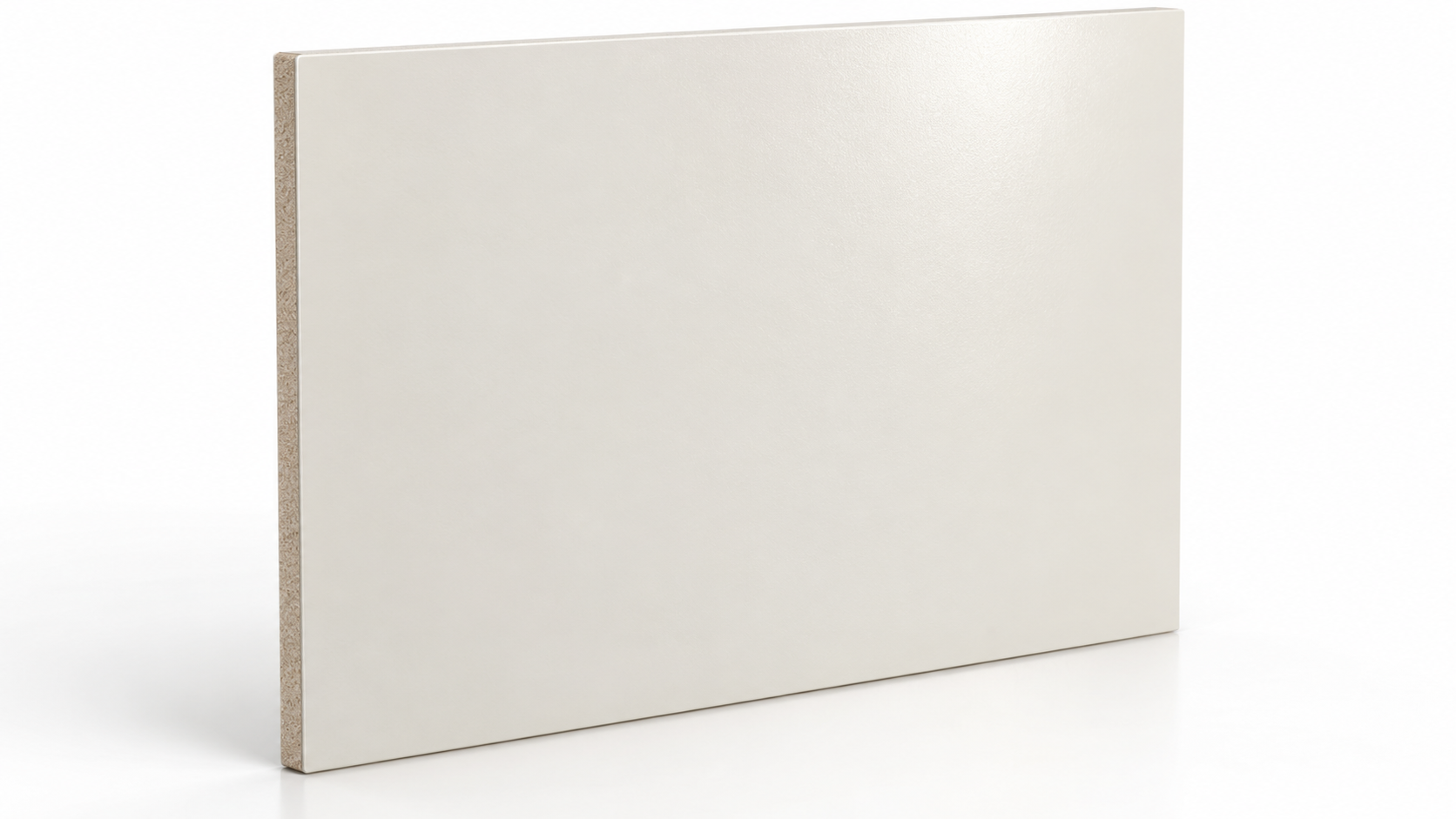
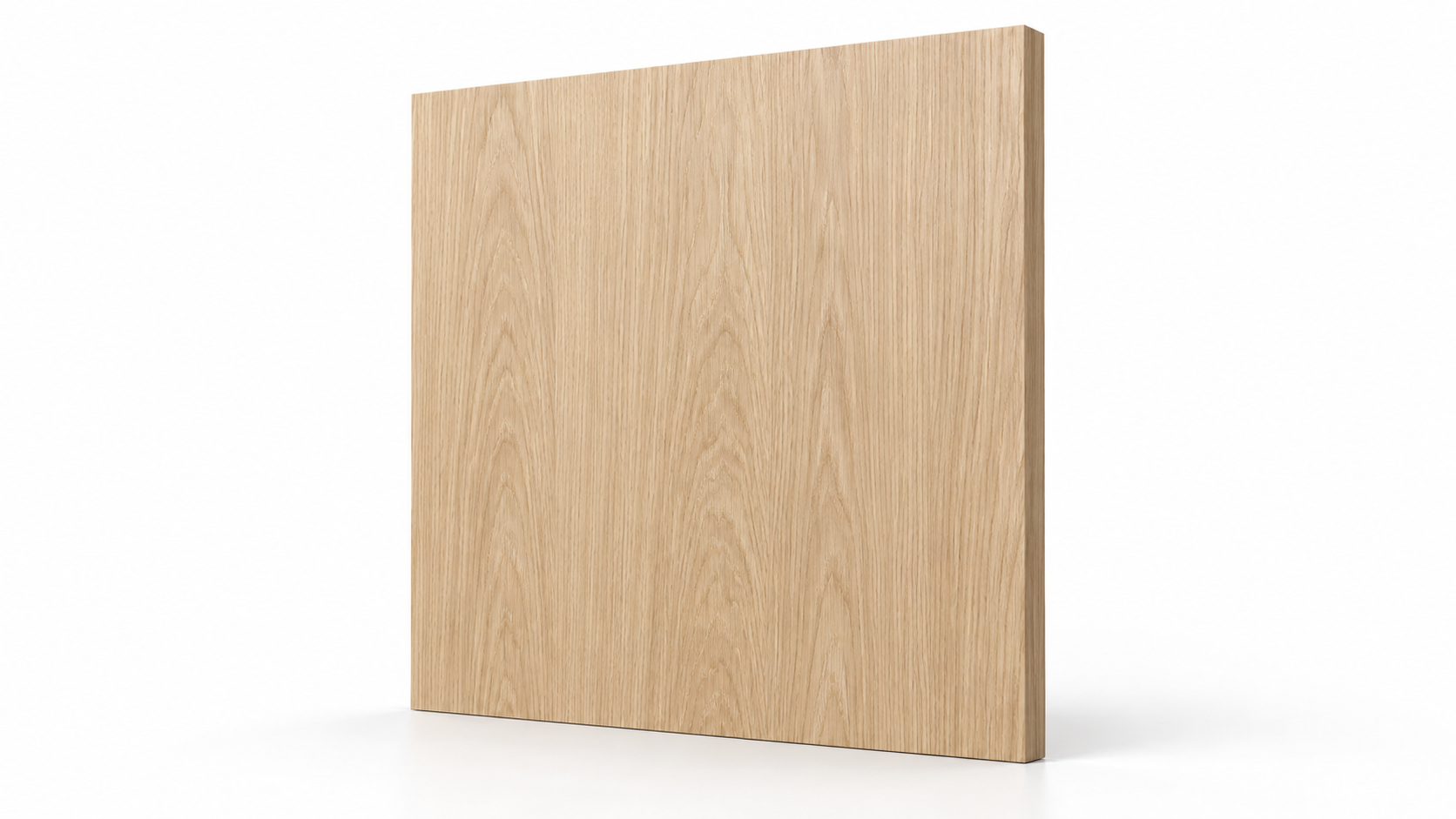
High pressure laminate combines a decorative surface with a manufactured panel system. Many smooth grades tolerate routine wiping and offer consistent colors, wood effects, or stone looks.
For a jewelry retailer, a satin or matte surface can provide a restrained backdrop that keeps attention on merchandise while reducing distracting reflections from display lighting.
Laminate also offers design continuity across walls, counters, and cabinetry. Coordinating finishes can simplify purchasing, although horizontal work surfaces may need a different performance grade.
Its main vulnerability is often the assembly, not the decorative face. Moisture entering poorly sealed joints or damaged edges can affect the substrate beneath the surface.
Specify suitable edge protection, tight installation details, and a substrate appropriate for the location. Avoid allowing cleaning liquid to pool at seams or panel bases.
Very dark or ultra matte designs may show fingerprints, polishing marks, or cleaning residue. Review actual samples rather than assuming every low sheen surface hides marks equally well.
When Are Glass or Metal Panels Worth Considering?
Back painted glass provides a smooth surface with few texture related cleaning concerns. It can work well behind displays or in controlled areas with limited touching.
However, its shine may create reflections that compete with jewelry, mirrors, and spotlights. Fingerprints and streaks can also be visible under strong directional lighting.
Glass selection should account for panel size, edge treatment, fixing method, and applicable safety glazing requirements. Confirm access for replacement before approving a large installation.
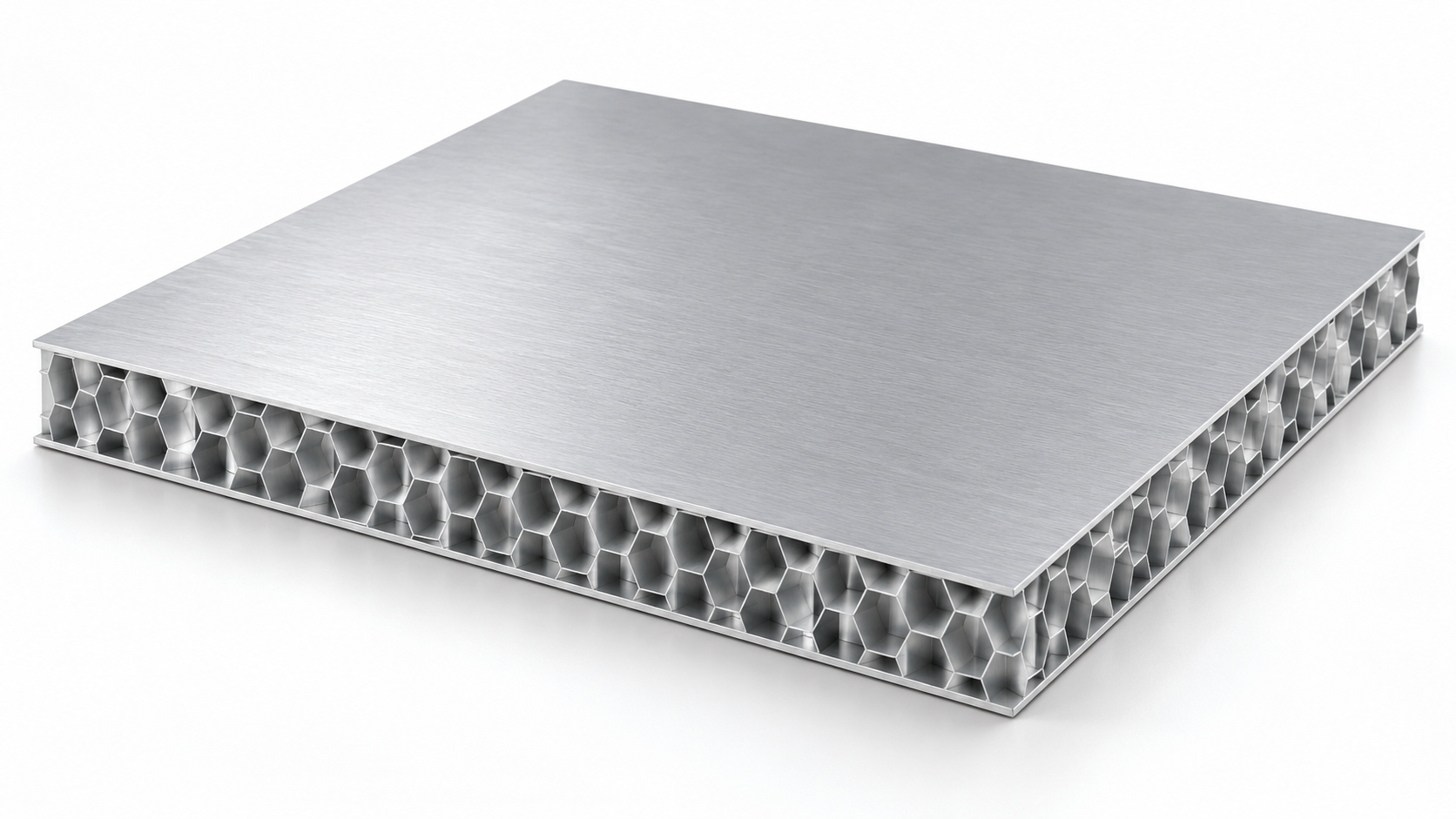
Factory coated metal panels offer a different visual character and can be useful where a contemporary, crisp appearance is important. Choose a smooth coating intended for interior use.
Check whether the proposed coating tolerates the store's cleaning products and expected contact. Scratches, dents, and inconsistent sheen can remain visible even after the surface is clean.
Both materials benefit from mockups. View samples from customer and staff positions, with the actual display lights on, before committing to a large wall area.
Matte, Satin, or Gloss: Which Looks Clean Longer?
Glossy panels are usually simple to wipe, but that does not mean they always look clean. Strong light can emphasize fingerprints, smears, dust, and reflections.
Matte finishes reduce glare and can make small marks less noticeable. Some specialized matte coatings, however, require particular cleaning methods or show oily fingerprints more clearly.
Satin finishes sit between these extremes and are often a sensible starting point for sales floors. Their exact appearance varies by manufacturer and viewing angle.
Color matters too. Very dark, highly reflective panels can reveal dust and streaks, while extremely pale surfaces may highlight scuffs near chairs, bags, and doorways.
Choose the sheen and color together, then inspect samples under warm and cool display lighting. Test fingerprints and wipe marks before approving the final specification.
Where Should You Use Each Finish in the Store?
Behind display cases, prioritize visual consistency and low glare. Smooth satin laminate or another verified low sheen surface can support the merchandise without creating distracting reflections.
At consultation desks and near entrances, expect more contact from hands, clothing, and bags. Select a smooth, durable finish with protected edges and an accessible cleaning surface.
For feature walls, glass, metal, or a textured material may be appropriate when appearance justifies the maintenance. Keep heavily textured accents away from frequent customer contact.
In staff work areas, focus on practical maintenance and resistance to the products used there. Confirm compatibility with any disinfectants before specifying a panel or coating.
Near sinks or cleaning stations, assess splash exposure separately. A wipeable face does not make an entire panel assembly waterproof, especially where edges and joints are exposed.
At floor level, a durable base or skirting can protect panel edges from mops and impacts. Detail the junction so staff can clean without forcing water behind panels.
How Should Staff Clean Wall Panels Without Damaging Them?
Begin with the manufacturer's instructions for the specific finish. Establish a routine based on actual traffic, with more frequent attention to entrances and consultation areas.
For many smooth surfaces, a soft microfiber cloth and a small amount of mild detergent diluted in water are suitable starting points when the manufacturer permits them.
Apply liquid to the cloth rather than spraying the wall directly. Wipe gently, avoid soaking joints, and dry the surface to reduce streaks and moisture exposure.
Test any unfamiliar cleaner on an inconspicuous area first. Avoid abrasive pads, scouring powders, and strong solvents unless the panel manufacturer explicitly approves their use.
Disinfectants are a separate consideration from everyday cleaners. Confirm the product's compatibility and follow its label instructions, including any required contact time, without exceeding panel recommendations.
For persistent marks, consult the supplier before escalating to stronger chemicals. Aggressive scrubbing can permanently change the sheen or damage a protective coating.
What Should Buyers Check Before Placing an Order?
Request a full specification for the panel face, substrate, coating, thickness, dimensions, and edge treatment. A product described only as easy to clean is difficult to evaluate.
Ask for written cleaning and maintenance instructions, including approved chemicals and restrictions. Check whether the finish requires specialist products or periodic resealing to retain its appearance.
Review scratch and impact performance using relevant product data or test reports. Cleaning convenience offers limited value if the wall quickly needs repair or replacement.
Request fire performance documentation for the complete proposed assembly where applicable. Compliance depends on local rules, building use, installation method, and the products used together.
For indoor air quality, ask about relevant emissions documentation and adhesive specifications. Do not assume a finish is environmentally preferable without evidence for the particular product.
Confirm lead times, minimum order quantities, spare panel availability, and replacement procedures. Matching a finish several years later can be difficult if a color is discontinued.
Shenyang Shengshi Meilin Technology Co., Ltd. works in new material applications and supplies products for construction and furnishings. Discuss project requirements and request documentation for any proposed material.
How Can You Test Samples Before Committing?
Order representative samples in the intended colors and sheens. A small digital image cannot reveal reflections, surface texture, fingerprints, or the quality of panel edges.
Place samples vertically in the store or a mockup under similar lighting. View them from the entrance, at consultation height, and beside illuminated display cases.
Apply ordinary fingerprints and a small amount of a typical permitted mark, then clean according to the supplier's instructions. Compare effort, residue, and visible sheen changes.
Inspect joints, corners, and mounting details as well as the panel face. Ask the installer how damaged sections can be removed without disturbing adjacent finishes.
Record the results alongside purchase price, installation cost, expected cleaning frequency, and replacement availability. The lowest initial quote may not be the lowest maintenance choice.
Final Recommendation
For most jewelry stores, start with a smooth satin or matte high pressure laminate, then verify its cleaning instructions, durability, and lighting performance with physical samples.
Choose glass when a reflective feature suits the design and staff can manage visible fingerprints. Consider coated metal where its appearance and verified surface durability fit.
Whatever the material, prioritize the complete installed system: sound edges, manageable joints, compatible cleaners, documented safety performance, and a realistic plan for future repairs.
Next:No more content
RECOMMEND

Nov 01, 2026
Which Wall Panel Finish Is Easiest to Clean in a Jewelry Store?
Which wall panel finish is easiest to clean in a jewelry store? Compare laminate, glass and metal to find a low-maintenance finish that complements your displays.
Nov 01, 2026
How Do I Choose Wall Panels for a Temporary Exhibition?
How do I choose wall panels for a temporary exhibition? Compare materials, safety, setup and reuse to find the right display solution for your event.
Oct 31, 2026
Which Wall Panel Finish Works Best in a Sales Center?
Which wall panel finish works best in a sales center? Compare wood-look, stone-look and other finishes to create a welcoming, practical space.
Oct 31, 2026
How Much Does an Aluminum Honeycomb Panel Weigh?
Discover aluminum honeycomb panel weight, typical ranges, and easy calculation methods. Find the right panel for your project with practical supplier tips.