How Can You Assess the Quality of Shengshi Meilin Custom Panels?
You can assess Shengshi Meilin custom decorative panels quality by checking whether the specified construction, sample workmanship, test documentation, and delivered panels all match your project requirements. An attractive finish is only one part of that assessment. The substrate, bonding, edge treatment, dimensional accuracy, and installation conditions determine whether the finished surface will remain attractive in use.
Start by asking for the specification of the exact panel you intend to order. Shenyang Shengshi Meilin Technology Co., Ltd. works in new material development and applications, but a company profile cannot establish the performance of an individual product. Quality decisions should rest on evidence tied to the selected material, finish, thickness, and intended application.
Define what the panel needs to withstand
A decorative panel for a dry bedroom wall faces different demands from one installed beside a washbasin, along a busy corridor, or on a cabinet door. Before comparing samples, describe the location, expected contact, cleaning routine, and exposure to moisture, sunlight, and heat. These conditions determine which properties deserve the closest attention.
For a residential feature wall, visual consistency and flatness may lead the assessment. In a reception area, scuff resistance and ease of cleaning become more important. Near sinks, the exposed edges, joints, and penetrations need particular scrutiny because moisture can enter through these details even when the decorative face resists splashes.
Separate the properties of the surface from those of the complete panel. A durable decorative layer does not establish that the core tolerates damp conditions. Likewise, a suitable panel can still fail if it is bonded to an unsuitable wall or installed with poorly protected cut edges.
Get a clear description of the panel construction
“Custom decorative panel” describes a product category, not a single material. Ask Shengshi Meilin to identify the substrate, decorative layer, bonding method, backing, and edge treatment for the proposed order. These details make quotations comparable and help explain differences in weight, machining behavior, stability, and maintenance.
The substrate provides the panel’s underlying support. Depending on its composition, it may respond differently to humidity, fasteners, impact, and cutting. If the panel will carry fittings or be used as a furniture component, request information relevant to fixing strength and the proposed hardware. A sample that looks satisfactory on a table does not demonstrate that a hinge or bracket will hold securely.
The decorative face also needs a precise description. A printed coating, laminated film, veneer, and other surface constructions have different care requirements and damage patterns. Ask how the finish should be cleaned, whether exposed edges require sealing, and whether site cutting affects the specified performance.
Backing deserves attention because a panel’s construction influences how it responds to environmental changes. Ask whether the supplied backing and recommended installation method are intended for the chosen panel size and location. Do not assume that a larger custom panel will behave exactly like a small sample.
Inspect samples under the conditions that reveal defects
A useful sample should represent the proposed production construction, including its thickness, finish, backing, and edge detail. A small color chip can help select a shade, but it cannot show full-panel flatness, joint appearance, or how a repeating pattern reads across a wall.
Examine the face in both diffuse light and light directed across the surface. Diffuse light helps reveal color differences; light from the side exposes ripples, uneven texture, sanding marks, and local depressions. If the installation includes wall-washing lights, assess the sample under a similar lighting arrangement, since that arrangement can make minor surface irregularities much more visible.
Look closely at corners, cutouts, and edges. These areas can reveal chipped faces, incomplete bonding, rough machining, exposed core material, or inconsistent edge finishing. Where the edge treatment is intended to form a continuous seal, visible gaps deserve an explanation before approval.
For woodgrain, stone-effect, or directional finishes, place several samples together in the planned orientation. Check whether the pattern direction is clear and whether adjacent pieces create an acceptable appearance. Some variation may be intentional; the useful distinction is between an agreed decorative effect and uncontrolled variation.
Keep an approved physical sample, identified with the finish reference and approval date. Photographs are useful records, but screens, camera settings, and lighting make them unreliable as the sole reference for color and gloss.
Check dimensions against the installation design
Dimensional quality becomes particularly visible where panels meet. Small differences in thickness, squareness, or edge straightness can create uneven joints and steps between neighboring faces. Large panels can also make bowing more apparent, especially when reflected light crosses the finished surface.
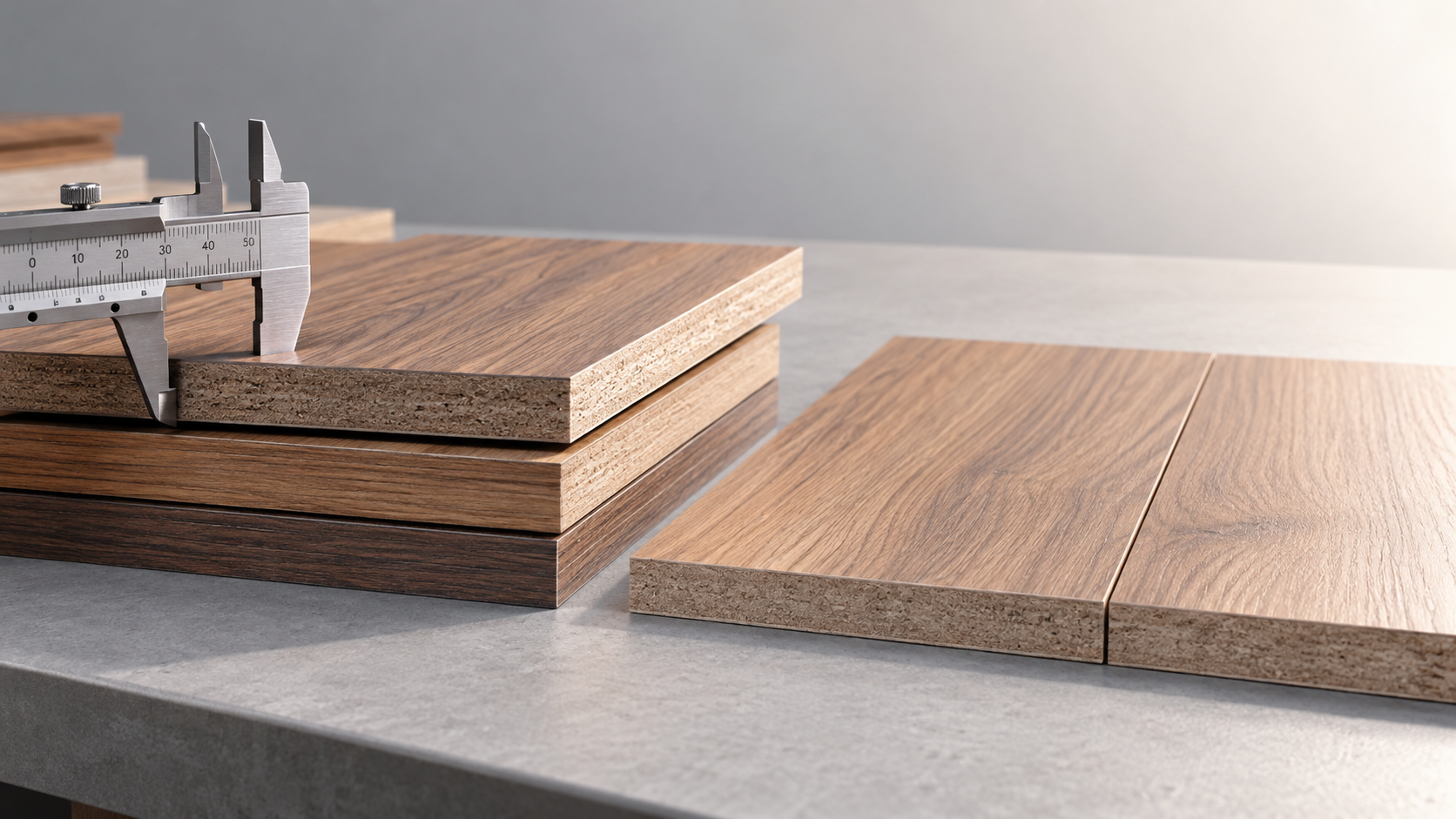
Measure representative samples at several points with suitable tools. Check thickness away from obvious edge irregularities, compare diagonals to assess squareness, and inspect flatness on an appropriate reference surface. A single measurement through the middle provides limited information about consistency across the panel.
The acceptance criteria should come from the installation design. Narrow joints, flush transitions, and concealed fixing systems may require closer dimensional control than a layout with expressed gaps and independent supports. Ask for agreed tolerances for the ordered sizes rather than relying on the phrase “standard tolerance.”
If the design includes grooves, drilled holes, shaped edges, or cutouts, approve those features on a fabricated sample. This establishes whether the material can be processed cleanly and whether dimensions refer to the unfinished substrate or the completed panel.
Read performance reports as evidence for a specific product
Test documentation is useful when it corresponds to the panel being purchased. Check the product identification, specimen description, thickness, finish, test method, and reported result. Where an independent laboratory issued the report, its identity and the report reference should be clear.
A report for another substrate or surface construction does not automatically establish the performance of your custom order. If the proposed panel differs from the tested specimen, ask for the technical basis connecting the report to that configuration.
Fire performance needs particular care. Reaction to fire concerns how a material contributes to a fire, while fire resistance concerns an assembly’s ability to perform during fire exposure. A decorative panel’s classification should not be treated as proof that a wall assembly provides fire resistance. Similarly, the availability of fireproof sealing products within a supplier’s wider range does not establish the classification of its decorative panels.
For indoor air quality, odor is an unreliable acceptance test. A noticeable smell does not quantify emissions, and little smell does not prove that a product meets a specified emissions requirement. Use documentation relevant to the panel construction, and include installation adhesives in the assessment.
Use a mock-up to test the details that samples miss
Before committing to a substantial custom order, build a representative section using the intended panel, joint detail, adhesive or fixing system, and supporting surface. Include a corner, an exposed edge, or a service cutout if those features occur in the design. A flat sample cannot demonstrate how all these interfaces will perform together.
The mock-up should answer practical questions: Do adjoining faces sit evenly? Does the joint remain visually acceptable under the planned lighting? Can the installer cut the panel cleanly? Does the fixing method provide adequate support without distorting the surface?
Simple cleaning trials can also help assess suitability. Use the proposed maintenance product and method on a designated sample, following the panel supplier’s instructions. Look for changes in gloss, color, texture, or edge condition after the surface dries. Aggressive scratching, soaking, or solvent exposure may damage almost any finish and can produce misleading conclusions when those conditions do not represent actual use.
For demanding applications, use formal test evidence to support performance claims. A site mock-up is especially valuable for appearance, fit, workmanship, and installation compatibility.
Make the approved quality reproducible across the order
Custom panel quality includes consistency from the approved sample to the finished delivery. Before production, record the material construction, finish reference, panel dimensions, pattern direction, edge details, machining requirements, and acceptance criteria in the order documents.
Color and texture approval should account for the material’s expected variation. A uniform decorative finish may need a closely controlled reference, while a naturally variable surface may require an agreed range. Without that distinction, both parties can approve the same sample while expecting different results.
Ask how panels will be identified for installation, particularly where a pattern continues across several pieces. Clear labels, orientation marks, and a panel layout reduce the risk of installing a correct product in the wrong position.
Packaging and storage instructions also affect the outcome. Faces need protection against abrasion during transport, corners need protection against impact, and panels need support appropriate to their construction. Storage and conditioning should follow the product instructions so that handling does not introduce damage before installation begins.
Inspect the delivery before panels are cut or fixed
At delivery, compare the supplied labels and paperwork with the approved specification. Inspect panels from different packs and positions within the shipment. Look for surface damage, dimensional inconsistencies, finish variation, edge defects, and signs of moisture exposure.
Where practical, lay out adjoining panels before installation. This is the point to spot an unintended shade change or a misplaced pattern sequence. Finding those issues after cutting and bonding makes replacement more difficult and can obscure whether the problem originated in supply, handling, or installation.
Record any discrepancy with clear photographs, panel identifiers, and measurements. The purchase agreement should explain how nonconforming material will be assessed and resolved, including responsibility for replacement panels and associated work.
Before approving a Shengshi Meilin custom panel order, bring together the construction specification, approved sample, relevant performance documents, and installation detail. Each should describe the same product and intended use. That connection gives you a practical basis for deciding whether the panels meet your project’s needs—and a clear reference for checking what arrives.
Next:No more content
RECOMMEND

Oct 30, 2026
How Can You Assess the Quality of Shengshi Meilin Custom Panels?
Assess Shengshi Meilin custom decorative panels quality with expert tips on samples, construction, test reports, and delivery checks. Discover how to choose panels that meet your project needs.
Oct 30, 2026
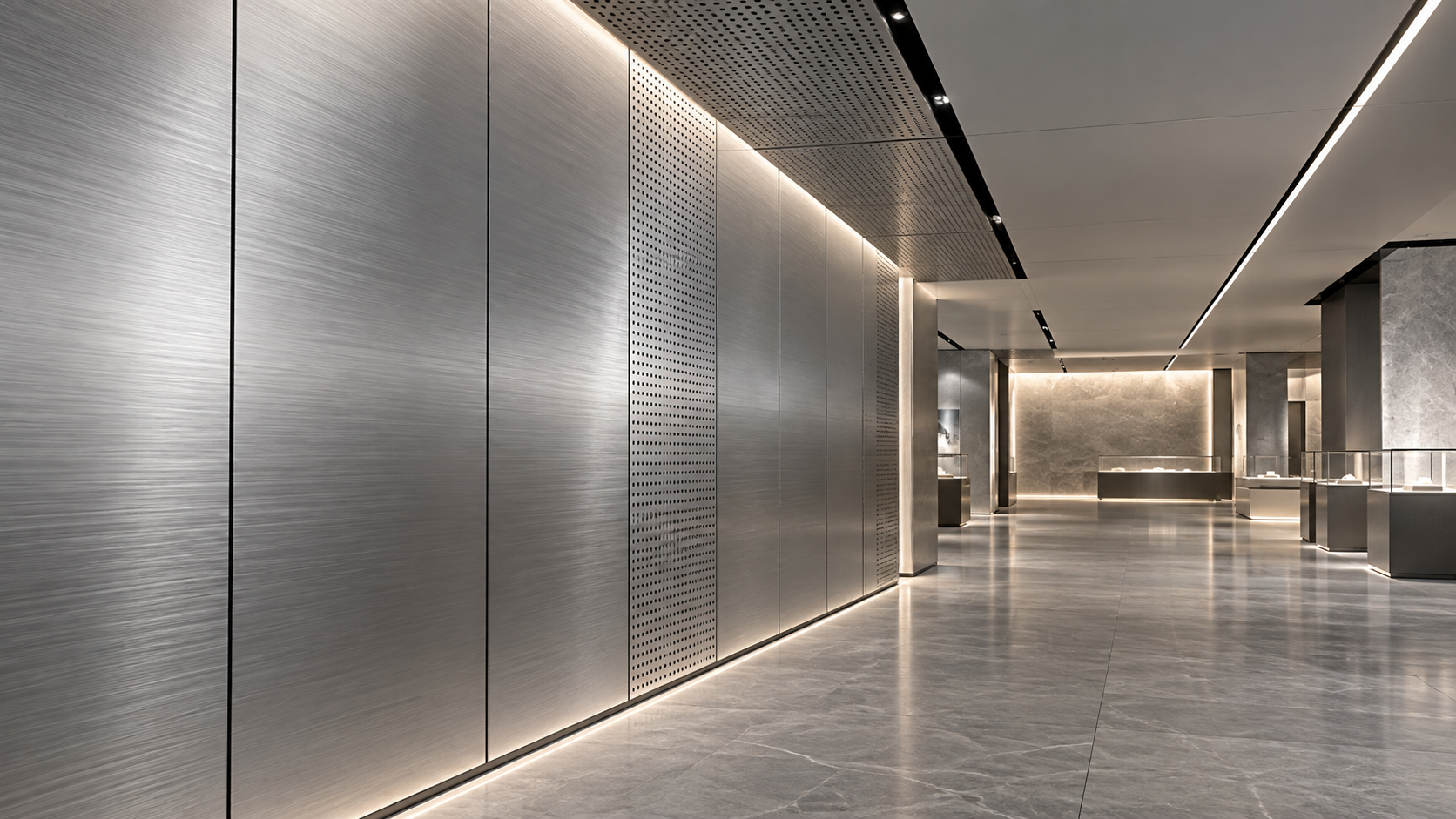
Why Do Designers Choose Metal Panels for High-End Exhibition Halls?
Why do designers prefer metal decorative panels for high-end exhibition halls? Discover premium finishes, durability benefits, and specification tips to elevate your next project.
Oct 29, 2026
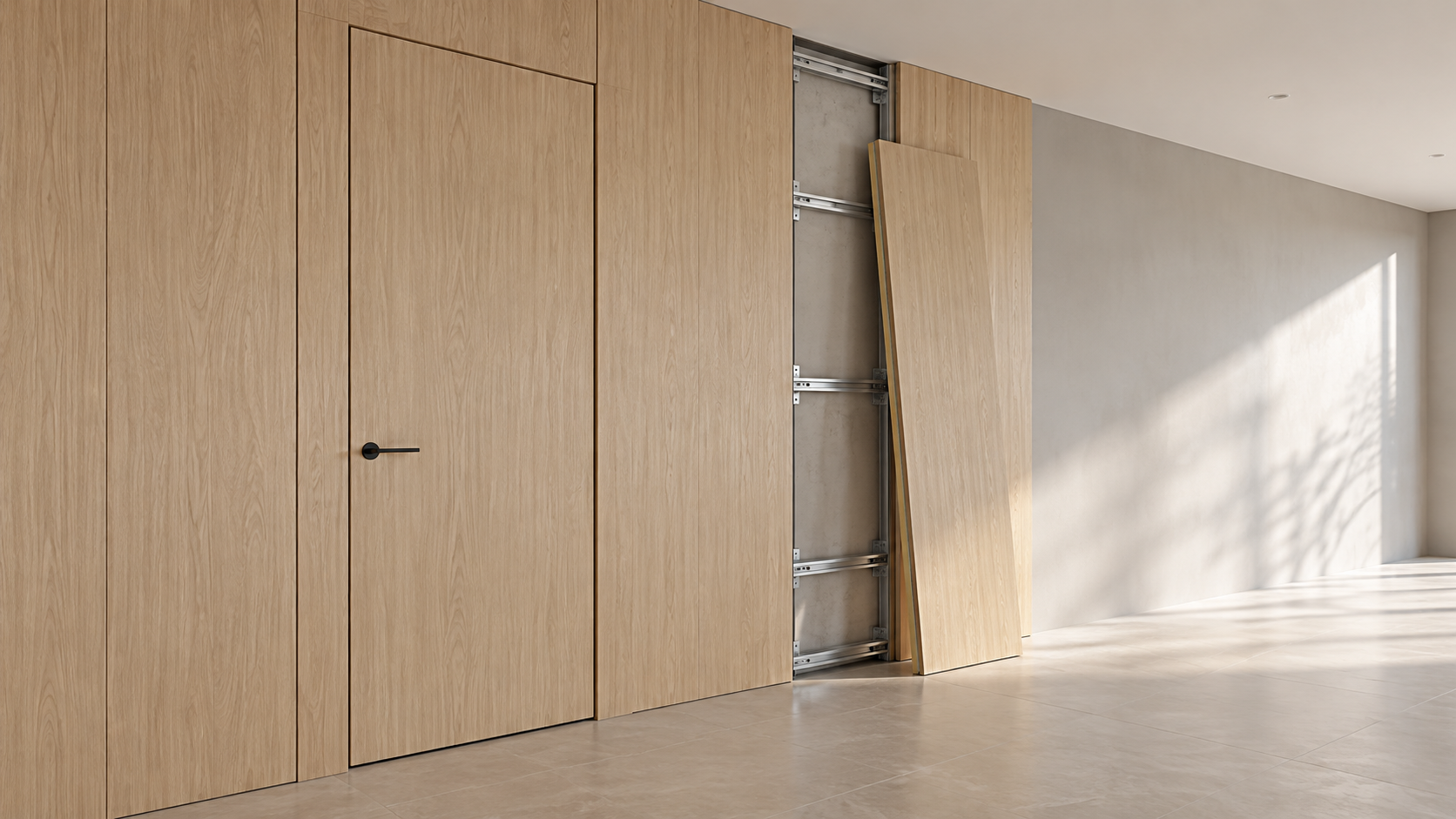
Are Door-and-Wall Systems Easier to Retrofit Than Traditional Finishes?
Is integrated door and wall panels installation easier than traditional materials for renovations? Compare prep, fitting, costs, and disruption to find the best finish for your upgrade.
Oct 29, 2026
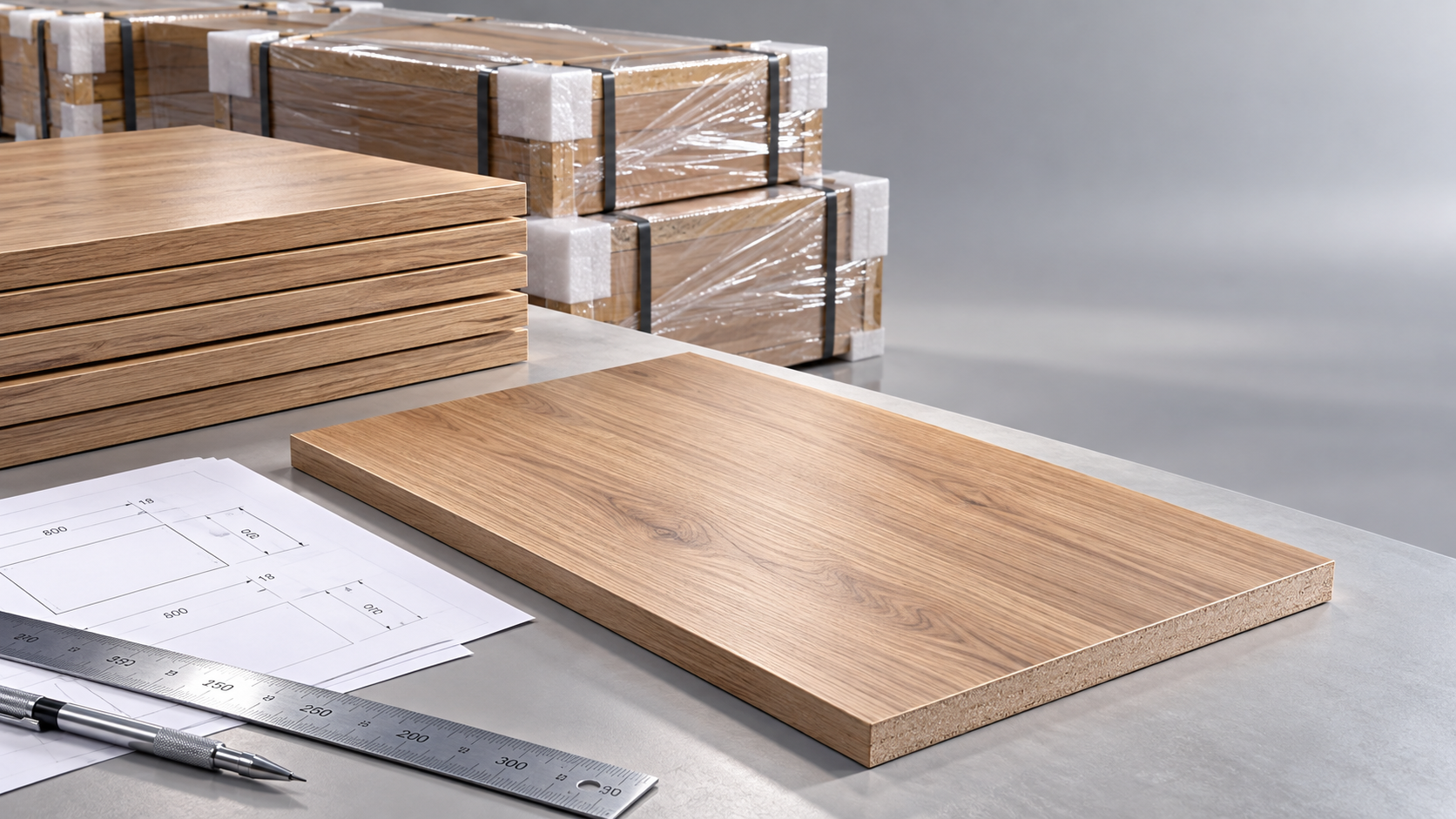
What Is the Typical Lead Time for Custom Cut-to-Size Decorative Panels?
What is the typical lead time for cut to size decorative panels custom orders? Discover how stock, finishes, and delivery affect turnaround so you can plan confidently and avoid costly delays.