What Is the Typical Lead Time for Custom Cut-to-Size Decorative Panels?
The lead time for custom cut-to-size decorative panels can be measured in working days when suitable finished sheets are in stock and the order only requires straightforward cutting. When panels need a special finish, a different substrate, detailed machining, or material produced specifically for the project, the schedule can extend into weeks. Delivery adds a separate period, particularly for international orders.
There is no single turnaround time that applies to every custom order. The useful distinction is between cutting an available panel to your dimensions and manufacturing a panel to your specification. Before planning installation, establish which process your order requires and what event starts the supplier’s quoted lead time.
What does the quoted lead time actually cover?
A quotation may describe production time, dispatch time, or delivery time. These represent different milestones, and confusing them can leave an installation team waiting for material that has only just left the factory.
Production lead time generally covers the supplier’s agreed manufacturing scope. Depending on the order, that might include material preparation, cutting, machining, finishing, inspection, and packing. A dispatch commitment identifies when the goods are expected to leave the supplier. A delivery commitment concerns arrival at an agreed destination.
The starting point matters just as much. A supplier may begin counting after payment, drawing approval, sample approval, or confirmation that the specified material is available. If several conditions apply, the production schedule may begin only after the last one is completed.
For a usable schedule, request a written statement covering:
- The event that releases the order into production.
- Whether the period is measured in working days or calendar days.
- Whether inspection and protective packing are included.
- Whether the final milestone is factory completion, dispatch, or arrival.
- Which approvals or customer decisions remain outstanding.
A short quoted lead time has limited value if its starting conditions remain unresolved.
How the panel specification changes the schedule
“Custom” can describe anything from trimming a stock sheet to producing a coordinated decorative surface with machined joints. These orders place different demands on a factory.
This is why panel area alone is a weak basis for estimating turnaround. A small feature wall with matched veneer and concealed fixing details can involve more preparation than a larger order of repeated rectangular panels.
Stock availability means more than having the right color
The supplier needs the correct combination of substrate, thickness, finish, sheet size, and usable quantity. A decorative surface may be available while the required backing board is awaiting supply. A stocked sheet may also be unsuitable for the requested finished dimensions once trimming and cutting losses are allowed for.
For visually continuous installations, stock from different batches may need assessment before it can be combined. Color, texture, and natural grain variation can affect whether panels look consistent when installed together. Reserving suitable material early helps prevent a later substitution from reopening the approval process.
Finishing and edge work add operations
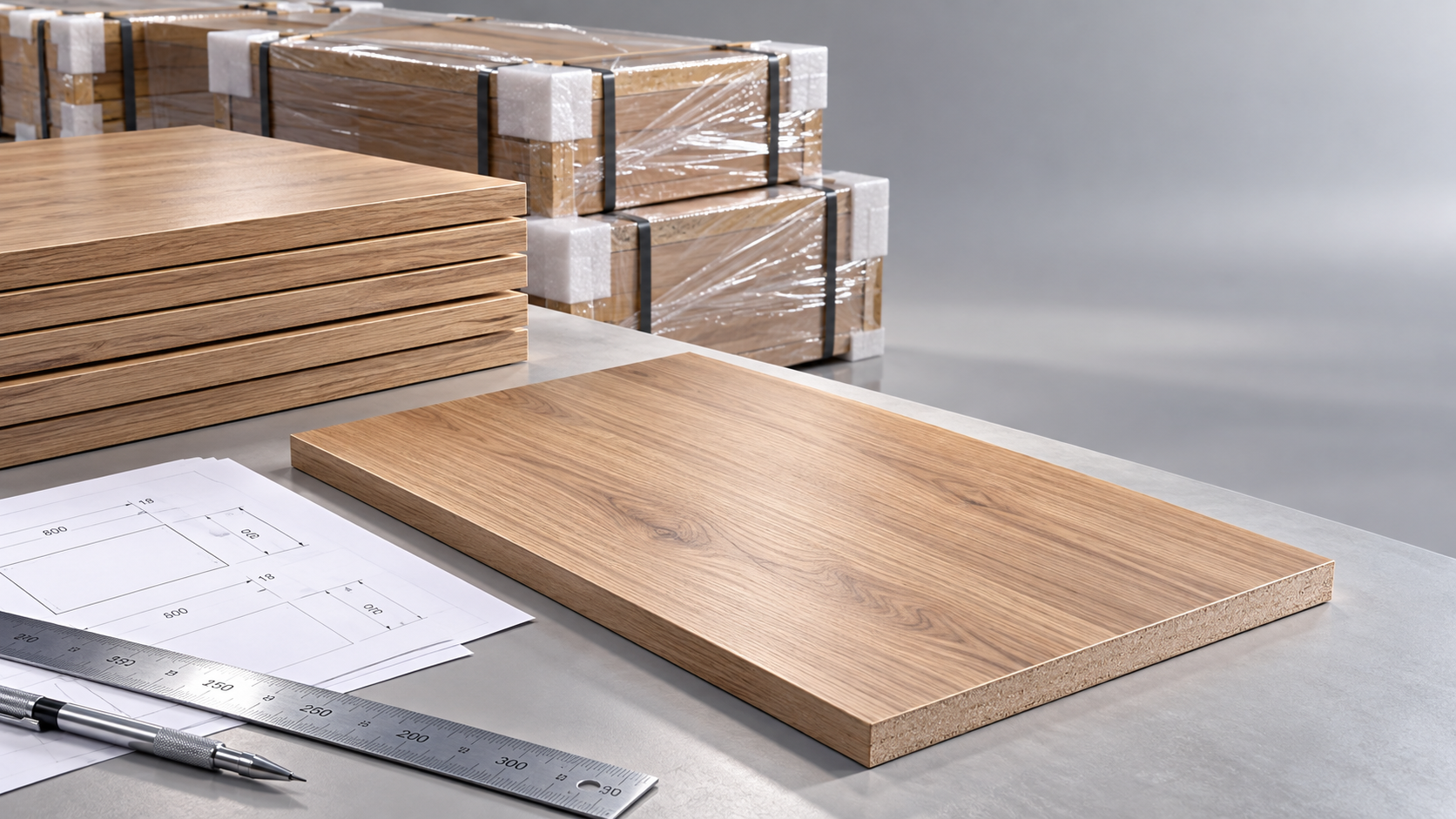
Cutting can be a relatively short part of the total process. Edge banding, profiling, routing, drilling, coating, and bonding each require preparation and capacity. Some finishes and adhesives also need time to cure or stabilize before inspection and packing.
Specify which edges will remain visible. An exposed edge beside a doorway may need a different treatment from an edge concealed behind a trim. Leaving that decision until production creates uncertainty over appearance, finished dimensions, and processing time.
Where moisture resistance, fire performance, or another technical requirement affects the specification, resolve the complete panel construction before approval. A change to the substrate or bonding system can alter both sourcing and processing requirements.
Drawing approval is often the real starting point
A supplier cannot reliably cut panels from dimensions that are still changing. Finished sizes, quantities, orientation, visible faces, openings, and machining details need to agree with the intended installation.
Site dimensions deserve particular attention. A wall that appears rectangular on a design drawing may have uneven corners, changing floor levels, or adjacent finishes that reduce the available space. Ordering from nominal dimensions can create panels that require site alteration or replacement.
For fitted work, establish who takes responsibility for measurement and installation allowances. A factory should not have to guess whether a dimension represents the opening size or the required panel size. That distinction affects joints, perimeter gaps, trims, and access for fitting.
Directional finishes introduce another dependency. Woodgrain, brushed surfaces, and patterned designs need a clear orientation on the cutting list. For a continuous feature wall, panel labels should connect each piece to its position on the approved layout.
Issue one clearly identified production revision. If a dimension changes after approval, ask how it affects work already completed and the remaining schedule. A seemingly minor adjustment can require a different sheet layout or replacement material.
Order quantity matters, but complexity can matter more
Larger orders require more material, machine time, handling, and packing. However, repeated parts can be efficient to produce once the equipment is set up. A smaller order containing many unique shapes, finishes, and edge details may need more individual attention.
For scheduling purposes, describe the order by its distinct operations as well as its total area. A clear cutting list reveals how many unique components exist, which parts repeat, and where special processing is required.
Factory workload also affects the available production slot. Material on the shelf does not automatically mean machinery and finishing capacity are immediately available. Ask when the complete approved order can enter production, especially if several operations must pass through different departments.
If installation will happen in stages, discuss phased production before placing the order. Releasing one complete area first may help the project progress. The benefit depends on coordinated packing, transport costs, and visual consistency across later batches.
Work backward from installation, not from factory completion
The date panels are ready at the factory is only one point in the procurement schedule. Collection, transport, customs clearance where applicable, unloading arrangements, and site receiving all sit between production and installation.
Large decorative panels also need packaging suited to their dimensions, finish, and transport route. Edge protection, surface protection, and handling support influence whether the panels arrive ready to use. Removing necessary protection to save dispatch time can create a much longer delay if material arrives damaged.
Build the project schedule around these separate stages:
- Finalize the specification, measurements, and required samples.
- Approve the drawings and release the order.
- Complete production, inspection, and packing.
- Transport the panels to the agreed receiving location.
- Inspect the delivery and prepare the material for installation.
Some panel systems also require storage or acclimatization under specified conditions before fitting. Follow the instructions for the selected product rather than assuming every decorative panel can move directly from a vehicle onto a wall.
Allow practical room for resolving delivery damage, missing components, or site access problems. A fixed installation booking immediately after the earliest estimated arrival leaves little flexibility. The appropriate allowance depends on the transport route, replacement difficulty, and consequences of a missed installation date.
How to shorten lead time without creating installation problems
The most effective way to reduce waiting is to remove unresolved choices before production. A complete specification lets the supplier assess material, capacity, and processing requirements together.
If the deadline is tight, start by asking which suitable materials and finishes are already available. A standard decorative surface may avoid the sampling and production stages associated with a custom finish. That choice works when the available option still meets the project’s appearance and performance requirements.
Simplifying fabrication can also help. Repeated dimensions, consistent edge treatments, and fewer unique profiles reduce setup and checking work. Any simplification should remain compatible with the design and fitting method; transferring difficult machining to site may merely move the delay elsewhere.
Provide a coordinated enquiry package containing:
- Panel material, thickness, finish, and quantities.
- Finished dimensions with units clearly stated.
- Visible faces, exposed edges, and finish direction.
- Hole positions, cutouts, profiles, and relevant tolerances.
- Panel references linked to an installation layout where needed.
- Delivery destination, access restrictions, and required arrival date.
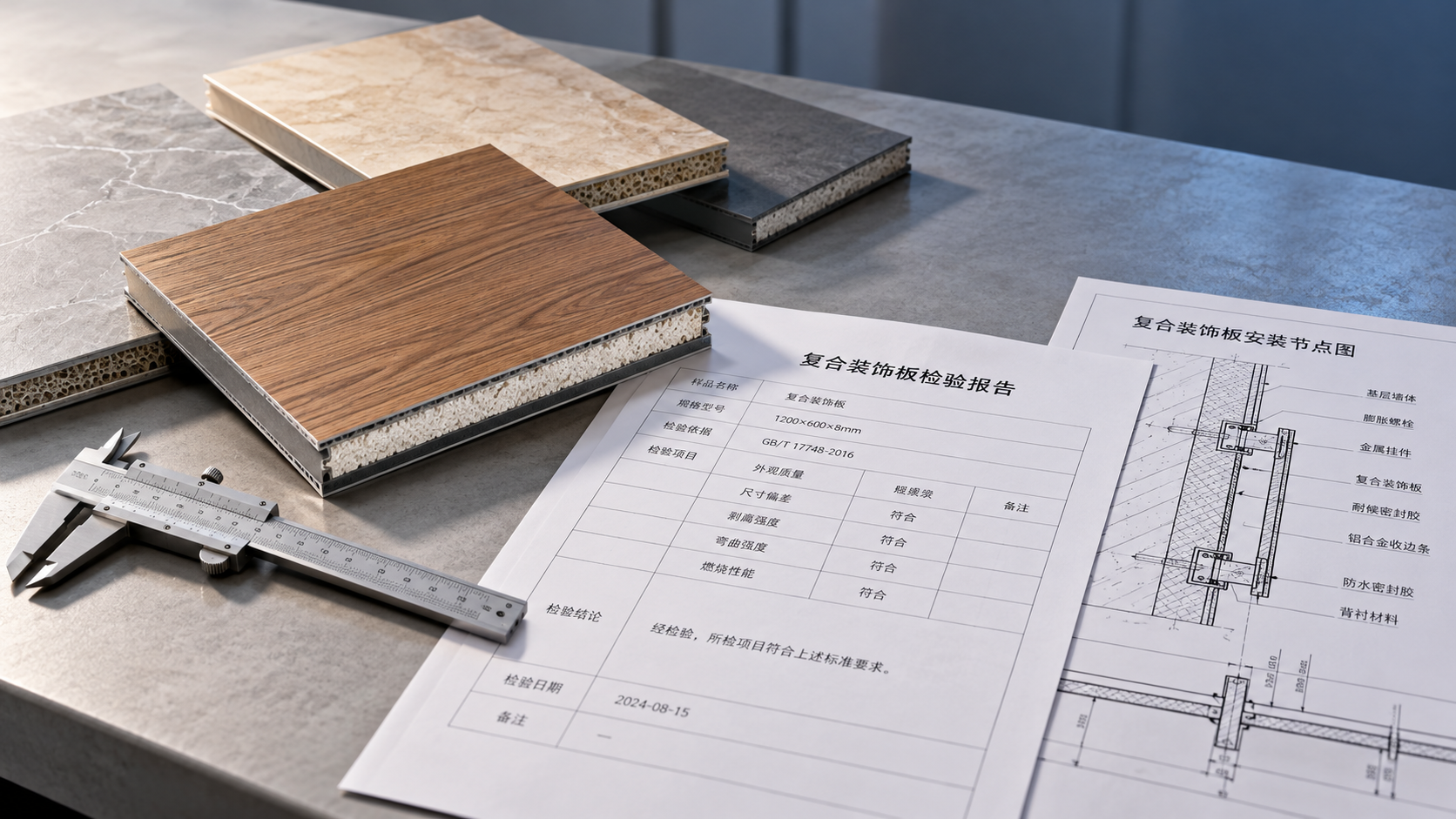
For technically demanding orders, identify the necessary product documentation at the enquiry stage. Discovering an essential specification requirement after material has been ordered can force a change that affects the whole schedule.
An expedited service can help when the supplier has suitable stock and flexible capacity. It cannot remove every dependency. Finish approval, material supply, curing, and transport still need to fit the revised plan. Ask which operation will actually move forward under the expedited arrangement.
Compare quotations using the same milestones
Two suppliers can quote different lead times while offering similar arrival dates. One may include material procurement and packing; another may count only fabrication after all materials and approvals are ready.
Compare the same specification, release conditions, and delivery scope. A useful quotation makes the dependencies visible and identifies what happens if a sample, drawing, or site measurement is delayed.
Also discuss replacement arrangements for damaged or incorrectly supplied pieces. Custom dimensions and matched finishes can make replacement more involved than supplying a standard stock item. For installations where continuity matters, consider whether spare material should be included in the original order and how it will be stored.
When requesting a firm schedule, use a direct question: “With this specification, approved drawings, and delivery destination, when can the complete order arrive, and what must we provide to hold that date?” That gives the supplier a practical basis for committing to a schedule and gives you a date that can support the installation plan.
RECOMMEND

Oct 29, 2026
Are Door-and-Wall Systems Easier to Retrofit Than Traditional Finishes?
Is integrated door and wall panels installation easier than traditional materials for renovations? Compare prep, fitting, costs, and disruption to find the best finish for your upgrade.
Oct 29, 2026
What Is the Typical Lead Time for Custom Cut-to-Size Decorative Panels?
What is the typical lead time for cut to size decorative panels custom orders? Discover how stock, finishes, and delivery affect turnaround so you can plan confidently and avoid costly delays.
Oct 28, 2026
Do E0 Decorative Boards Offer Enough Textures for Luxury Clubs?
Do E0 decorative boards offer enough surface texture options for luxury clubs? Explore finishes, lighting checks, and durability tips to choose a premium look with confidence.
Oct 28, 2026
How Do You Verify Composite Panel Fire Ratings for Public Spaces?
How to verify fire resistance rating of composite decorative panels for public spaces? Learn to authenticate test reports, match installed assemblies, and avoid costly compliance gaps.