

How interior decorative panels change the acoustic feel of a room
Interior Decorative Panels do more than enhance a room’s appearance—they can significantly shape its acoustic feel by reducing echo, softening harsh sounds, and creating a more comfortable living environment. For homeowners seeking a balance of style, function, and well-being, choosing the right decorative materials is an important step toward building a quieter, more inviting space.
When people search for how Interior Decorative Panels affect room acoustics, they usually want a practical answer: will these panels actually make a room sound better, and what should they choose for their home?
The short answer is yes, but the effect depends on material, surface structure, installation area, and the kind of noise problem in the room. Decorative panels can improve acoustic comfort, though they do not all perform equally.
Why the acoustic feel of a room matters in everyday life
Many homeowners notice poor acoustics before they understand the cause. A room may look beautiful, yet conversations feel sharp, television sounds tiring, or footsteps seem to bounce around the space.
This happens because sound interacts with every hard and soft surface. Walls, ceilings, floors, windows, and furniture all influence whether sound is absorbed, reflected, or scattered throughout the room.
The acoustic feel of a room is not only about loudness. It also includes clarity, warmth, softness, privacy, and how relaxing the space feels during normal daily activities.
In open-plan homes, apartments, and modern interiors with tile, glass, and painted walls, sound reflection often becomes more noticeable. Even moderate household noise can feel harsher in these environments.
That is why Interior Decorative Panels are increasingly valued by end consumers. They offer a way to improve both style and sound without making the room look technical or overly specialized.
How Interior Decorative Panels influence sound
Interior Decorative Panels change acoustics mainly by affecting how sound waves move across interior surfaces. Some panels reduce direct reflection, while others help diffuse sound so it feels less concentrated.
When a room has too many smooth and dense surfaces, sound waves bounce repeatedly between them. This creates echo, brightness, and a sense that the room is acoustically hard.
Panels with textured surfaces, layered construction, or sound-moderating backing can interrupt that pattern. Instead of allowing sound to reflect cleanly, they help soften the return of the sound wave.
This does not mean every decorative panel is a full acoustic panel in the technical sense. However, well-chosen wall materials can still noticeably improve comfort in living rooms, bedrooms, dining areas, and studies.
For homeowners, the most meaningful benefit is usually not complete soundproofing. It is a more balanced room where speech feels clearer, noise feels less tiring, and the environment feels calmer.
What problems can decorative panels realistically improve
It helps to set realistic expectations. Interior Decorative Panels can improve acoustic feel inside a room, but they are not always designed to block heavy outside noise from traffic or neighboring units.
Their biggest strength is controlling internal sound behavior. They can reduce flutter echo, soften voice reflection, and improve the listening experience in spaces that feel empty or acoustically harsh.
In a living room, this may mean television audio sounds less piercing and conversations become easier to follow. In a bedroom, it may create a quieter, softer atmosphere that supports rest.
In dining spaces, panels can make family meals feel less noisy. In home offices, they may help reduce distracting reflection during calls, meetings, or focused work sessions.
For media rooms or reading areas, decorative panels can also make the room feel more intentional. Sound becomes less scattered, which often improves comfort even when the overall volume stays the same.
Which panel characteristics make the biggest difference
Consumers often focus first on color and pattern, but acoustic performance is shaped by several other details. Surface profile, density, core structure, and installation method all matter.
Panels with grooves, ridges, slats, perforations, or layered finishes usually affect sound more than completely flat glossy surfaces. Texture helps break up reflection and can make the room feel less sharp.
Material composition matters as well. Some decorative panels are mostly aesthetic, while others combine visual appeal with better sound moderation through engineered backing or composite construction.
Thickness can also influence results. In general, a panel with more dimensional structure offers more opportunity to alter reflection than a thin decorative skin applied only for appearance.
Homeowners should also pay attention to where the panel is used. A moderate-performing material installed in the right area often does more than a premium material placed without acoustic purpose.
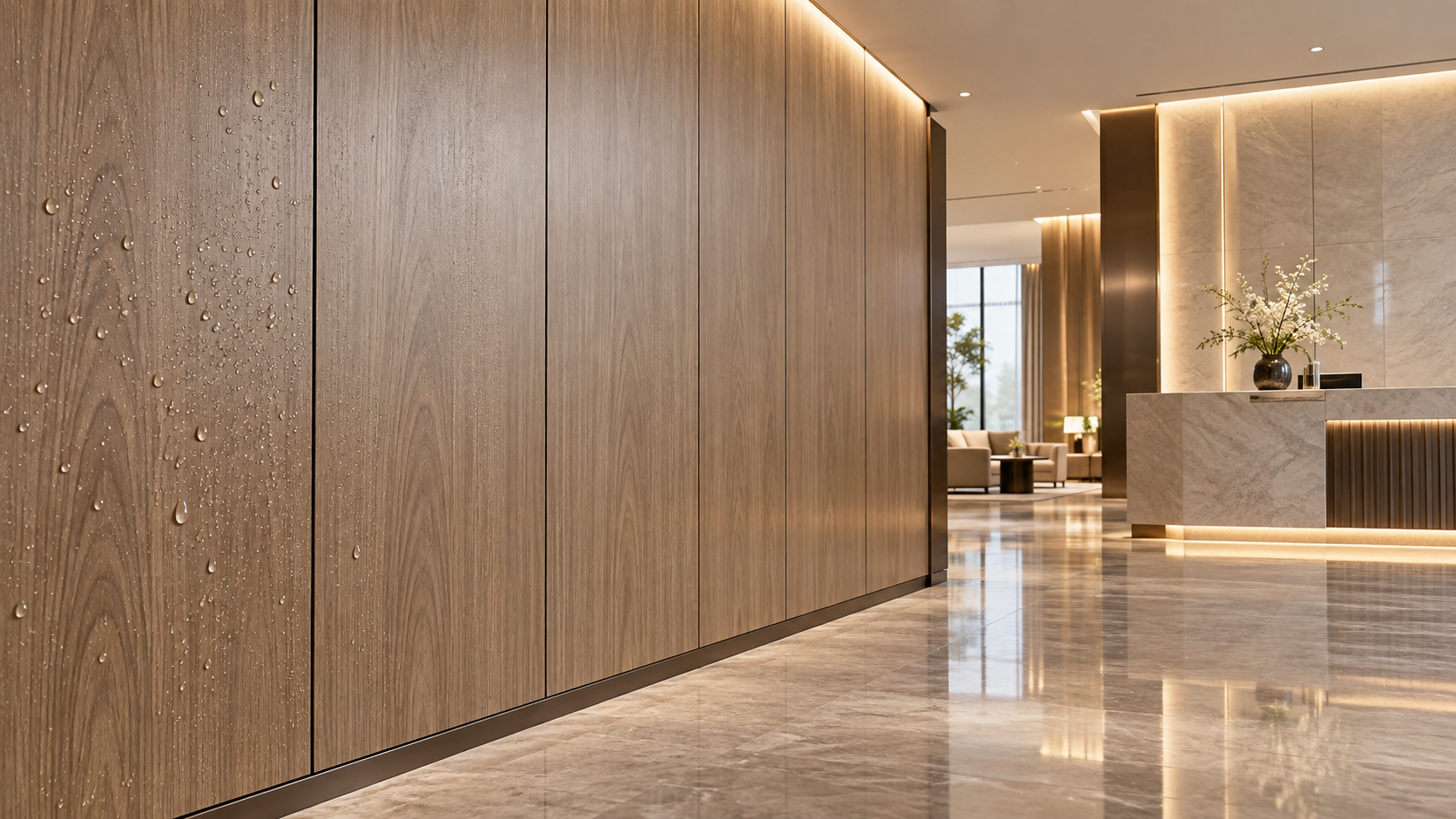
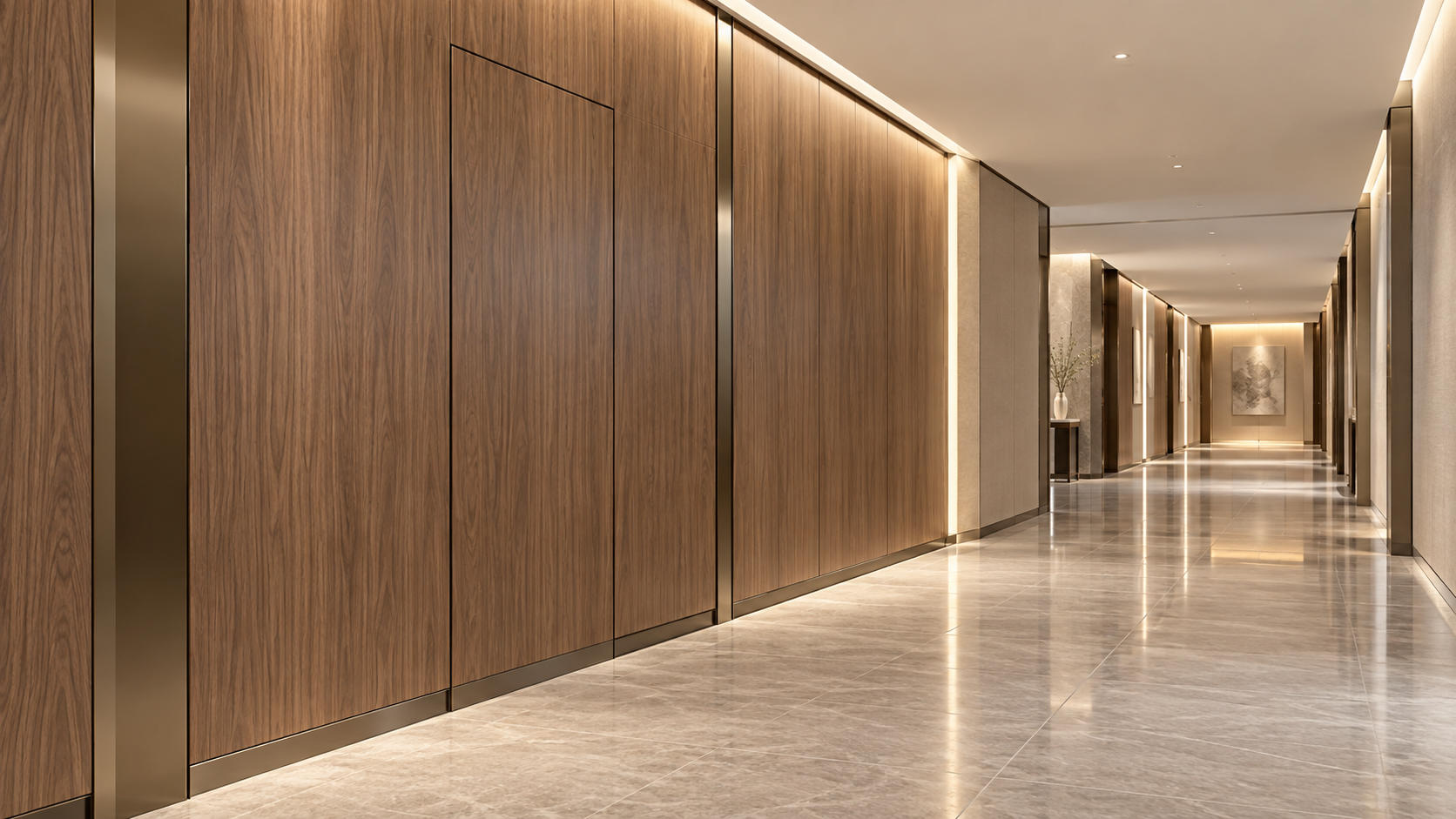
Products with a refined wood-grain finish are popular because they bring warmth visually and acoustically. For example, High-End Wood Grain-MLMW524 fits interiors where homeowners want a decorative surface that feels elegant while helping reduce excessive hardness in the room.
Where panels should be installed for the best effect
Placement matters more than many people expect. Covering every wall is rarely necessary. Strategic installation on the most reflective surfaces usually creates the most efficient improvement.
In living rooms, the wall behind the television or opposite large seating zones is often a useful location. These areas commonly contribute to reflected sound during conversation and entertainment.
In bedrooms, the wall behind the bed or the largest uninterrupted wall may help soften the room. This is especially useful in minimalist spaces with wardrobes, laminate floors, and little fabric.
For home offices, the wall in front of or beside the desk can reduce harsh reflection during calls. This can make speech sound cleaner and reduce the sense of sound bouncing back.
Hallways, entry spaces, and stair-adjacent walls are also worth considering. These transition areas often amplify footsteps and short bursts of sound because they contain many hard surfaces.
If a room has a large ceiling plane and minimal furnishings, ceiling applications may also help. The right solution depends on layout, but vertical and overhead surfaces often drive acoustic discomfort.
How decorative panels compare with curtains, rugs, and soft furnishings
Soft furnishings already influence acoustics, so consumers often ask whether panels are really necessary. The answer depends on how much improvement the room still needs after basic furnishing is complete.
Curtains, rugs, sofas, and bedding are helpful because they absorb part of the sound energy. They are often the first line of improvement in homes that feel too empty or reflective.
However, soft furnishings do not always solve the whole problem. Some rooms still sound bright because the wall area remains large, exposed, and acoustically active.
Interior Decorative Panels are valuable in these situations because they address vertical surfaces directly. They can complement existing furnishings instead of replacing them.
This combination often works best: rugs reduce floor reflection, curtains soften window areas, and wall panels help control the remaining bounce. Together, they create a more complete acoustic balance.
For homeowners who want cleaner lines and a more architectural finish, panels may also feel more integrated than adding extra fabric elements throughout the room.
How to choose panels without overbuying or choosing the wrong product
Many consumers worry about paying for decorative upgrades that look good but add little practical value. A good buying decision starts with identifying the actual acoustic problem first.
If the room feels echoey when empty, reflective surfaces are likely the issue. If the problem is mostly outside noise, decorative panels alone may not be the primary solution.
Next, consider the room’s function. A family lounge, child’s bedroom, study, and entrance hall each need different balances of durability, appearance, maintenance, and acoustic softness.
Then look at finish and structure together. A panel should match the home’s visual style, but it should also provide enough texture or engineered depth to influence sound meaningfully.
Safety and environmental performance also matter, especially for household use. Consumers increasingly prefer materials that support indoor comfort while aligning with fire safety, environmental responsibility, and long-term durability.
This is where established material suppliers can add value. Companies focused on environmentally friendly, safe, and aesthetically pleasing construction solutions are better positioned to offer balanced options for real home use.
Signs that a room may benefit from Interior Decorative Panels
Homeowners do not need acoustic measurements to notice when a room may need improvement. A few consistent signs can point clearly to the value of decorative panel installation.
If voices sound slightly sharp, if empty rooms feel louder than expected, or if television audio becomes uncomfortable at moderate volume, reflective surfaces may be affecting the space.
Another sign is fatigue. Some rooms are not technically loud, but they feel tiring after long conversations or family activity because the sound energy keeps bouncing around.
Rooms with large blank walls, smooth painted finishes, tile flooring, limited curtains, and minimal upholstery are common candidates for this kind of upgrade.
If you have already added rugs and curtains but the room still feels hard, wall-based solutions often become the next logical step. That is where Interior Decorative Panels can offer noticeable value.
In spaces where visual warmth is also a goal, wood-grain styles such as High-End Wood Grain-MLMW524 can support both design coherence and a softer sensory experience.
What homeowners should expect after installation
After installation, the change is often subtle but meaningful rather than dramatic. Most people notice that the room feels calmer, speech sounds less harsh, and the overall environment becomes more comfortable.
You may hear less ringing effect after clapping, less sharpness during conversations, and a more controlled sound when music or television is playing. The room usually feels more settled.
This kind of improvement is especially valuable in homes where people spend long periods in shared spaces. Better acoustic comfort supports rest, focus, communication, and general well-being.
Just as important, decorative panels can deliver this result without making the room feel commercial or technical. For consumers, that balance is often the strongest reason to choose them.
Conclusion
Interior Decorative Panels can absolutely change the acoustic feel of a room, but their real value lies in using the right material in the right place for the right purpose.
For end consumers, the goal is usually not laboratory-level acoustic treatment. It is creating a home that sounds softer, feels warmer, and supports daily life more comfortably.
When chosen carefully, decorative panels help reduce echo, soften reflection, and improve the sensory quality of interior space. They offer a practical bridge between design preference and everyday comfort.
If you are evaluating materials for a renovation or room upgrade, focus on acoustic symptoms, surface conditions, and placement strategy. That approach leads to better decisions than choosing by appearance alone.
In the end, the best Interior Decorative Panels are the ones that make your room look refined, feel inviting, and sound easier to live in every day.
RECOMMEND

Oct 01, 2026
Are Lightweight Composite Wall Panels Lighter Than Traditional Materials?
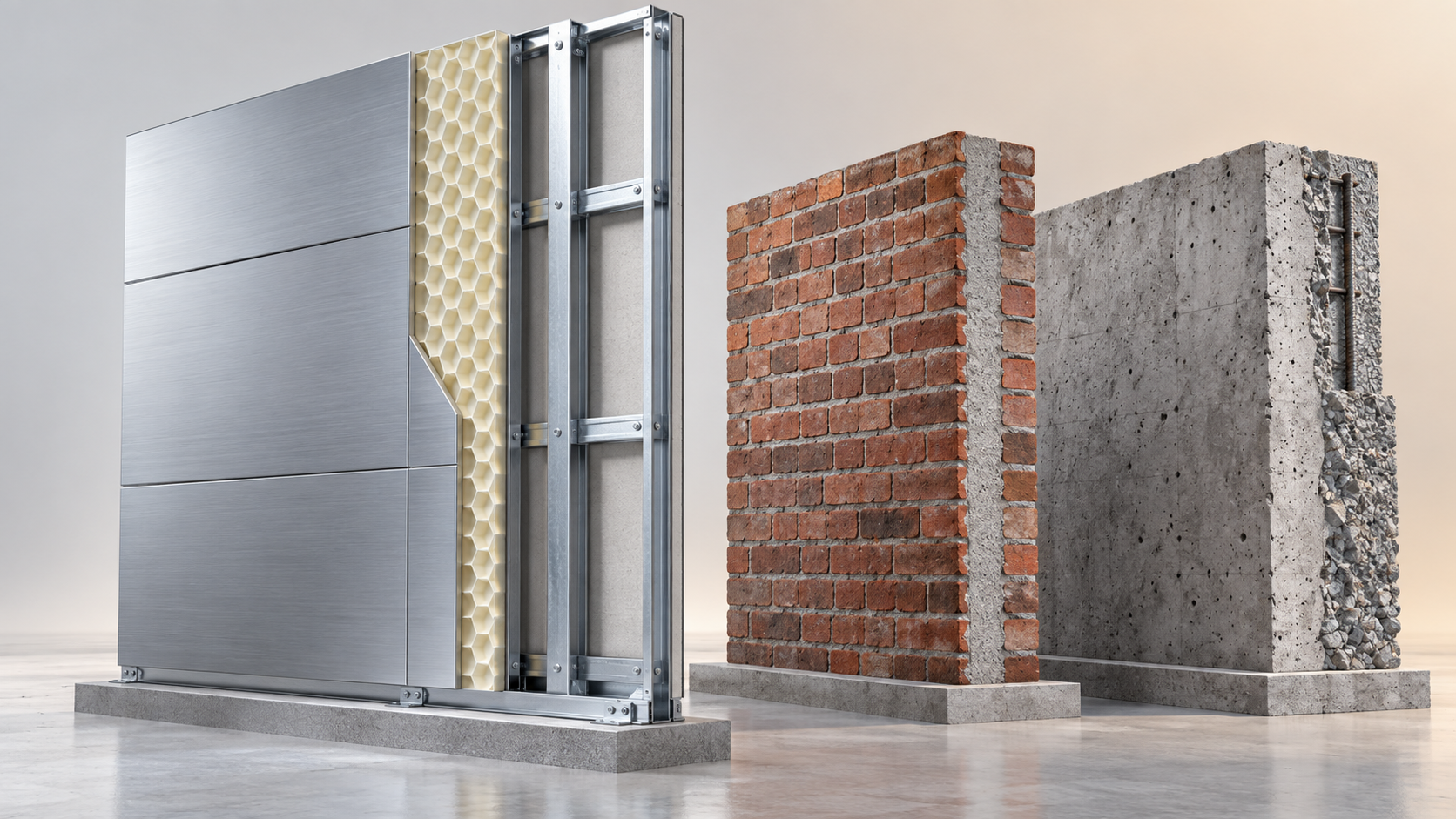
Lightweight composite wall panels vs traditional materials weight: compare kg/m², installation benefits, and key fire, fixing, and code factors.
Sep 30, 2026
How to Select Fireproof Waterproof Wall Panels for Commercial Spaces
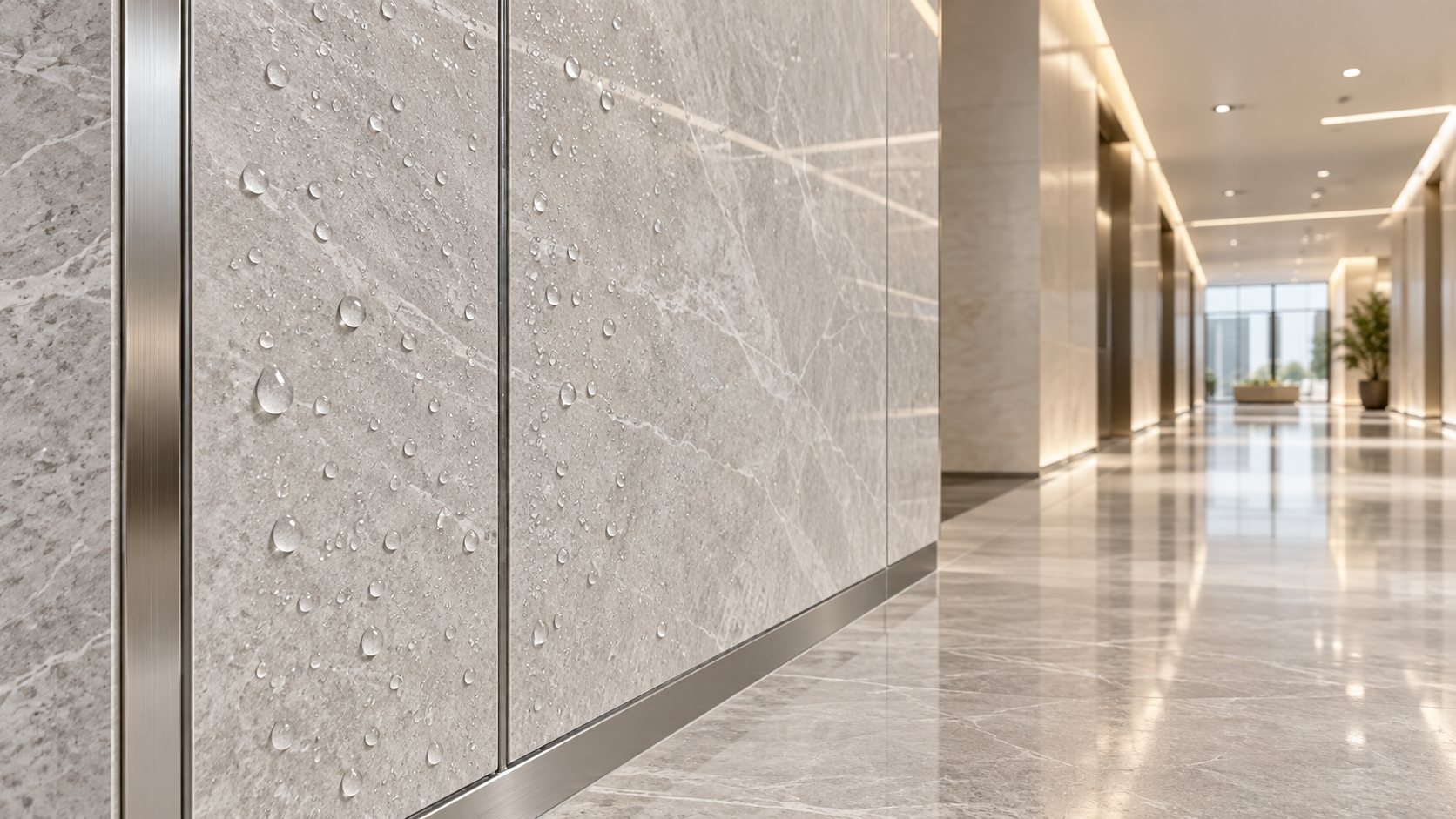
Luxury interior wall panels with stone texture finish options: learn how to select fireproof, waterproof systems for durable, elegant commercial spaces.
Sep 29, 2026
How Reliable Is Meilin Board for OEM Commercial Interior Panels?
Fireproof waterproof composite wall panels for commercial spaces: discover how Meilin Board supports reliable OEM interiors with customizable finishes, quality control, and durable performance.
Sep 30, 2026
What Can Shengshi Meilin Deliver for Custom Hotel Panel Projects?
Meilin Board OEM panel manufacturing reliability for commercial interiors: discover how Shengshi Meilin supports custom hotel panels with repeatable finishes, coordinated materials, and delivery control.