

Fire Resistant Decorative Panels for Elevator Cabs: Structural Integrity, Surface Burn Spread, and Code Compliance Checklist
Why Structural Integrity Matters More Than Surface Appearance in Elevator Cab Panels
When specifying fire resistant decorative panels for elevator cabs, project managers often prioritize aesthetics—texture, color consistency, seam visibility—only to discover later that structural behavior under fire conditions dictates real-world performance. Unlike wall cladding or ceiling systems, elevator interiors are enclosed vertical shafts where heat and smoke accumulate rapidly. A panel may look seamless and premium, but if its substrate deforms, delaminates, or pulls away from framing at 200°C, it compromises both fire containment and occupant egress time. Structural integrity here isn’t about load-bearing capacity—it’s about dimensional stability, adhesion retention, and resistance to thermal bowing during the critical first 5–10 minutes of a fire event. Panels with rigid mineral cores (e.g., calcium silicate or magnesium oxide) typically outperform lightweight composites when mounted on thin steel cab frames, especially where vibration and repeated door cycling stress fastener points.
Surface Burn Spread Is Not Just About Flame Rating—It’s About Smoke and Dripping
Many teams assume passing ASTM E84 Class A (flame spread ≤25) guarantees safety. That’s incomplete. In an elevator cab, surface burn spread interacts directly with ventilation limitations, material toxicity, and melt-drip behavior. A panel rated Class A can still generate dense, acrid smoke if its resin binder decomposes below 300°C—or worse, drip molten polymer onto passengers during evacuation. EN 13501-1 goes further: it classifies materials by both flame spread *and* smoke production (s1–s3) and burning droplets (d0–d2). For elevator applications, s1 + d0 is non-negotiable—not because codes always mandate it explicitly, but because real-world fire investigations consistently link delayed evacuation and inhalation injuries to smoke obscuration and falling debris in confined vertical spaces. If your panel supplier only cites flame spread without providing full EN classification data, treat that as a red flag—not a compliance shortcut.
The Code Compliance Checklist Isn’t Static—It Depends on Your Jurisdiction and Building Type
A “code-compliant” panel isn’t universally compliant. What passes in Shanghai may fail review in Dubai or Toronto—not due to inferior quality, but because local amendments override base standards. For example:
- China GB 8624-2012 requires B1 classification for interior decoration in high-rises—but defines B1 differently than EN 13501-1, particularly around smoke density thresholds.
- UL 723 (ASTM E84) is widely accepted in North America, yet some U.S. jurisdictions (e.g., NYC Local Law 26) require additional NFPA 285 wall assembly testing—even for non-load-bearing cab linings—if installed over combustible substrates.
- EN 13501-1 classifications are mandatory across EU member states, but interpretation varies: Germany’s DIN 4102-1 emphasizes radiant panel test repeatability; the UK’s BS 476-6/7 focuses on lateral flame propagation in mock-up configurations.
The practical takeaway? Never rely solely on a product datasheet claiming “meets international standards.” Request third-party test reports *with full lab identification*, verify the report date (older than 3 years often triggers retesting), and cross-check whether the tested configuration matches your installation method—especially substrate type, adhesive, joint treatment, and edge detail.
Three Real-World Installation Risks Most Project Managers Overlook
Even certified panels fail in practice—not because they’re defective, but because field execution bypasses fire-performance dependencies:
- Adhesive selection: Using standard construction adhesive instead of fire-rated sealant creates hidden thermal pathways. At 200°C, many acrylic or polyurethane adhesives soften, allowing panel edges to lift and feed oxygen into the cavity behind.
- Joint treatment: Gaps wider than 1.5 mm between panels aren’t just cosmetic—they act as chimney channels for flame front migration. Fire-rated intumescent tapes or gaskets must be specified *and installed*, not assumed.
- Back-of-panel cavity management: Leaving insulation or wiring harnesses exposed behind panels violates compartmentation logic. Even non-combustible wiring jackets can emit toxic gases when overheated—and unsealed penetrations defeat the purpose of the fire barrier.
These aren’t theoretical concerns. They’re the top three root causes cited in post-fire forensic reviews of elevator cab failures—not material failure, but system-level oversights.
What “Environmentally Friendly” Actually Means for Fire Resistant Decorative Panels
In sustainability discussions, “eco-friendly” often defaults to VOC content or recycled content. For elevator interiors, it’s more consequential: halogen-free chemistry matters. Panels containing chlorine or bromine-based flame retardants release hydrogen chloride or hydrogen bromide gas when heated—highly corrosive, low-threshold irritants that impair vision and breathing faster than CO in confined spaces. Halogen-free alternatives (e.g., aluminum trihydrate or phosphinate systems) decompose endothermically, absorbing heat while releasing only water vapor and inert residue. This isn’t greenwashing—it’s functional safety. When evaluating environmental claims, ask for the specific flame retardant chemistry and its decomposition products—not just “low VOC” or “recycled content.”
How R&D Investment Translates to Field Reliability—Not Just Lab Certificates
A registered capital of 30 million RMB signals capacity—but what matters on site is how that investment translates into real-world validation. High-performing fire resistant decorative panels require iterative testing beyond single-point certification: accelerated aging under UV/humidity cycles, thermal cycling between -20°C and 80°C, and mechanical fatigue simulation mimicking 10+ years of elevator door operation. Without this, panels may pass initial fire tests but degrade prematurely—cracking at joints, discoloring under LED lighting, or losing bond strength after repeated thermal expansion. Companies focused on applied material science—not just compliance paperwork—embed durability checks into every development cycle. That’s why consistent performance across domestic and international markets isn’t about scaling production—it’s about validating behavior across climate zones, installation practices, and maintenance regimes.
If you need a solution engineered for structural stability, low-smoke combustion, and jurisdiction-specific code alignment—without sacrificing design flexibility or installability—consider the Embossed Metal-Diagonal Interlocking Silver. It’s designed for precisely these constraints.
RECOMMEND

Oct 27, 2026
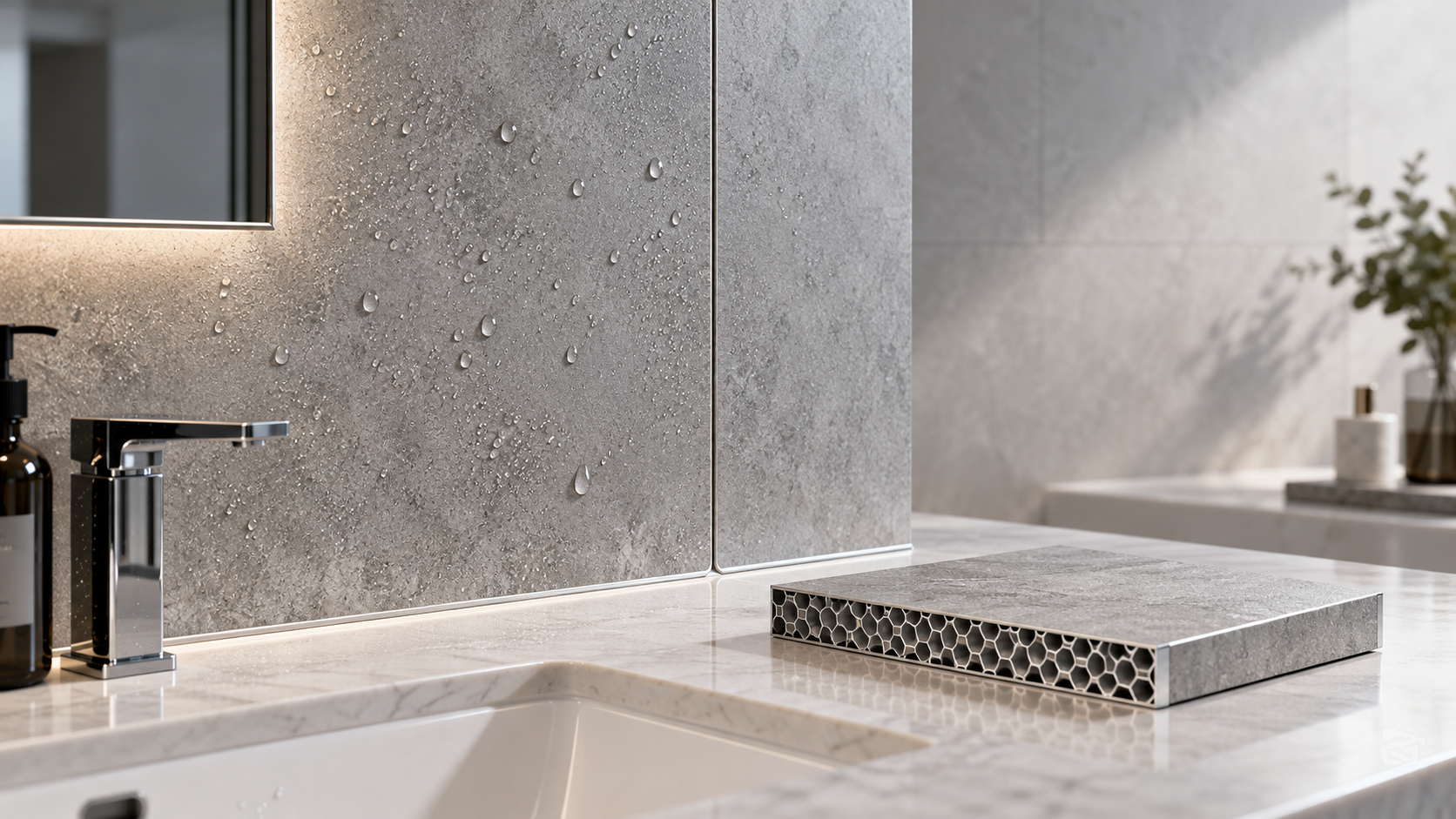
Are Aluminum Honeycomb Panels Moisture-Resistant Enough for Bathrooms?
Explore aluminum honeycomb panel moisture resistance for bathrooms. Learn how finishes, sealed edges, and waterproofing help you choose suitable panels for walls, ceilings, and showers.
Oct 27, 2026
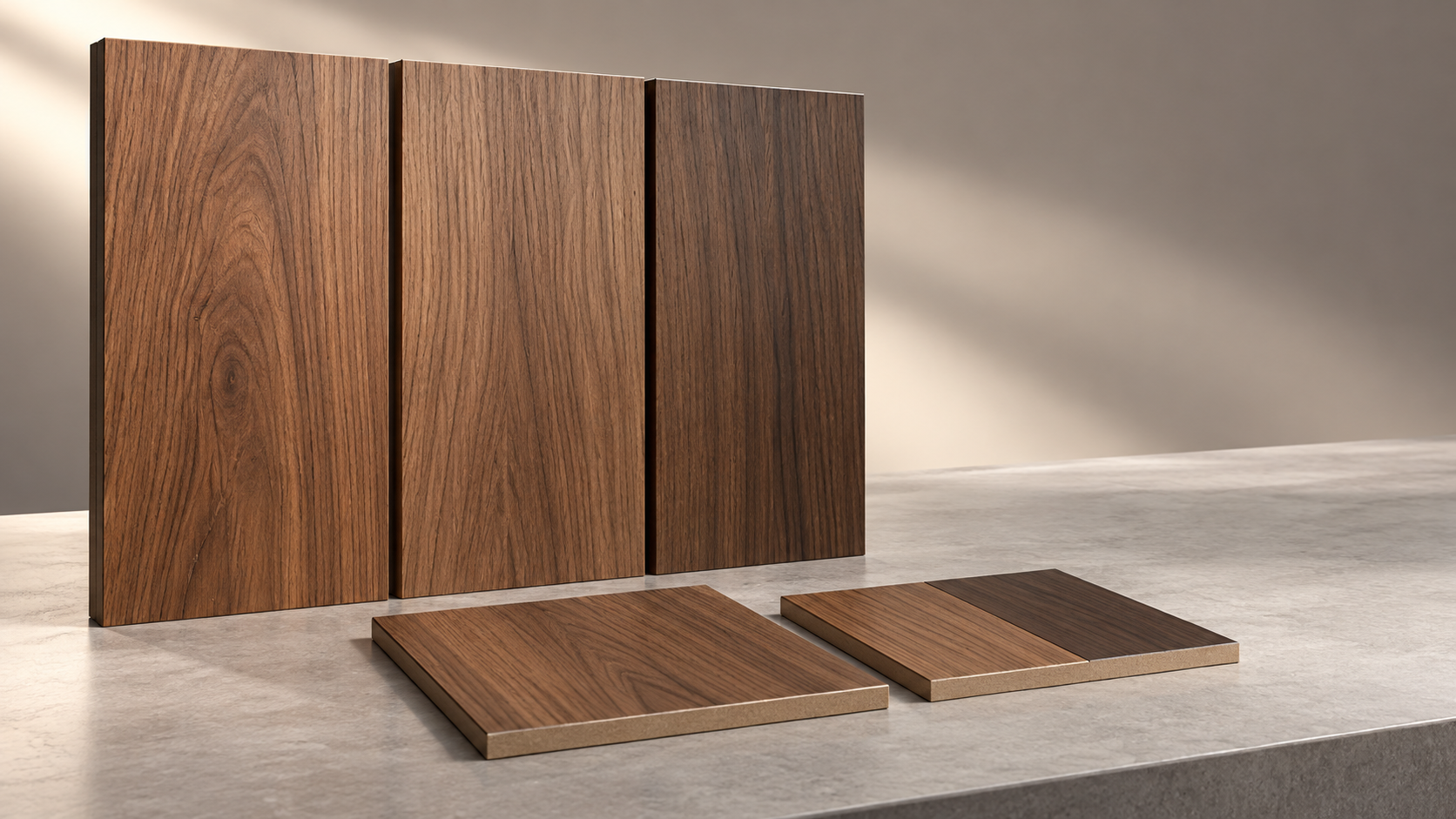
How Are Custom Veneer Panels Color-Matched for High-End Interiors?
Explore custom veneer panels color matching for high-end design. Discover how veneer selection, finishes, and lighting create cohesive, luxurious interiors.
Oct 26, 2026
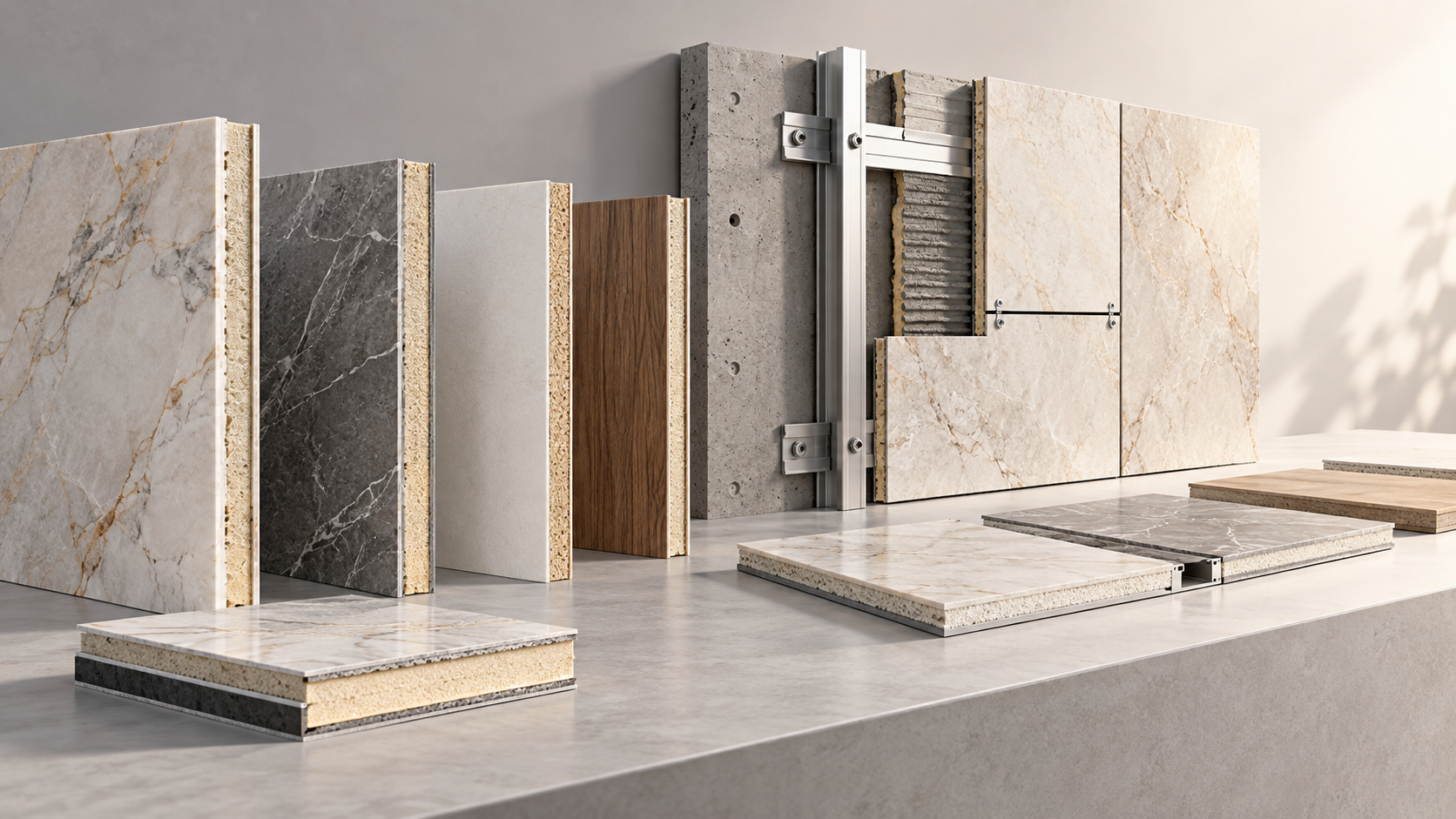
How Do You Choose Fire-Resistant Composite Panels for Commercial Use?
Choose fire resistant composite panels for commercial interior projects. Learn how to verify fire documentation, compare options, and avoid costly specification mistakes.
Oct 26, 2026
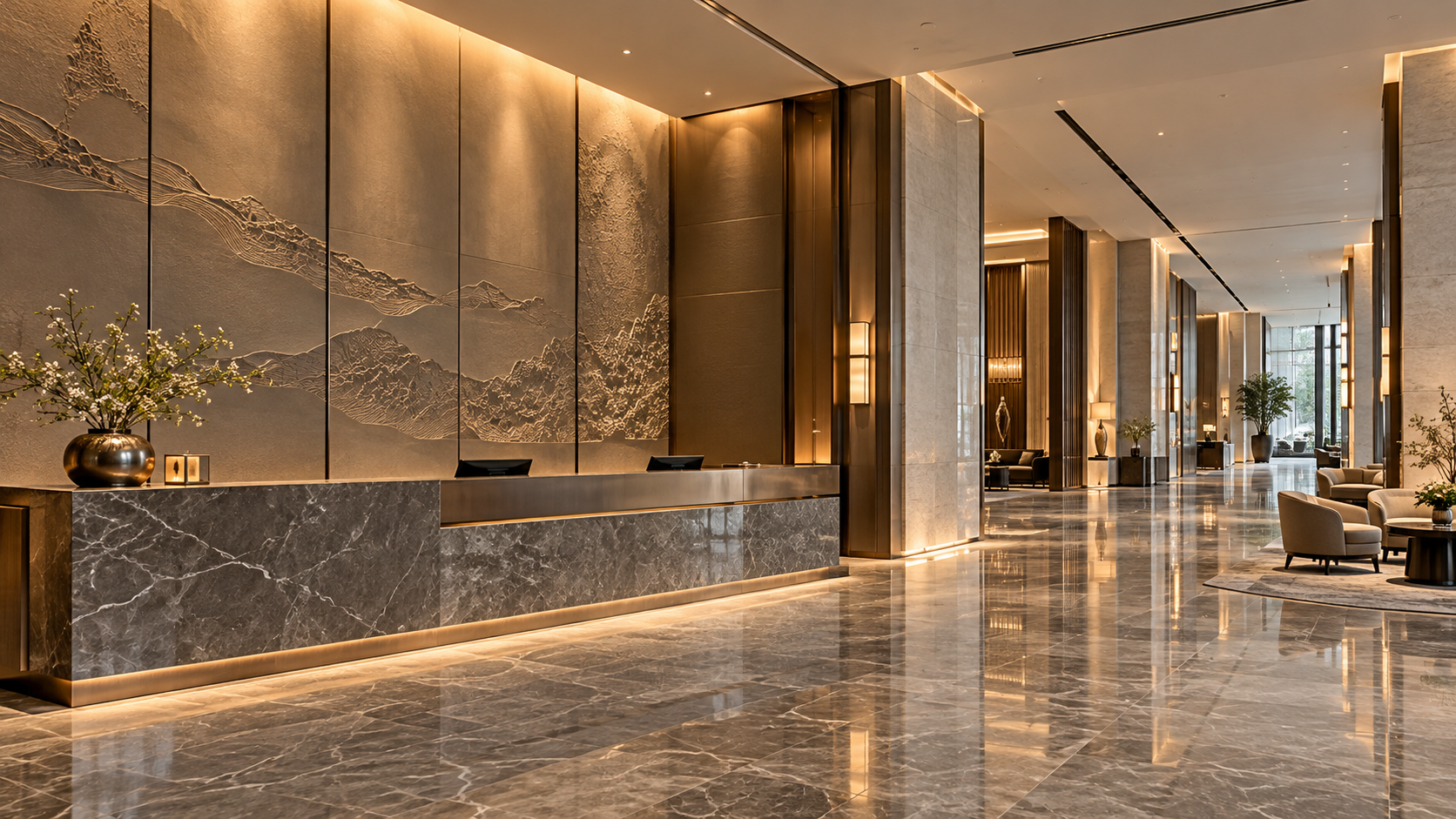
Are Meilin Board Custom Panels Suitable for Luxury Hotel Lobbies?
Explore Meilin Board custom decorative panels for luxury hotel lobbies. Discover design considerations and essential fire, emissions, and maintenance checks before specifying your project.