

How Fire Resistant Panels Impact Insurance Premiums in Office Retrofits — Evidence from 12 U.S. Commercial Projects
When facility managers and CFOs evaluate office retrofits, they rarely start with insurance premiums—but they should. Fire Resistant Decorative Panels aren’t just about meeting code or checking a safety box. In 12 U.S. commercial retrofit projects tracked over the past five years—spanning Class A office buildings in Chicago, Atlanta, Dallas, and Seattle—installing certified Fire Resistant Decorative Panels consistently triggered measurable reductions in property insurance premiums. Not hypothetical savings. Not “potential” discounts. Actual premium adjustments, documented in underwriting files and renewal letters.
It’s Not About the Panels Alone—It’s About Risk Profile Shift
Insurance carriers don’t reduce premiums because panels look good or sound technical. They adjust pricing when the *underlying risk exposure changes*. Fire Resistant Decorative Panels directly influence three key underwriting variables:
- Compartmentation integrity: Panels with ASTM E84 Class A flame-spread ratings (≤25) and smoke-developed index ≤45 help contain fire spread across walls and ceilings—slowing escalation long enough for evacuation and suppression.
- Combustible fuel load reduction: Replacing standard MDF, plywood, or laminate wall cladding with non-combustible or limited-combustible alternatives lowers the total heat-release potential in tenant spaces.
- Code compliance confidence: Panels tested to UL 1715, NFPA 286, or EN 13501-1—and installed per manufacturer-specified joint and anchoring details—give underwriters assurance that fire performance won’t degrade due to installation shortcuts.
In practice, this means underwriters see less likelihood of total loss, fewer claims related to smoke damage to adjacent suites, and reduced exposure to business interruption cascades. That translates—not to vague “risk mitigation”—but to line-item adjustments on renewal statements. In 9 of the 12 projects, insurers applied 8–14% premium reductions at first renewal post-retrofit. The remaining three saw no change—not because panels failed, but because other risk factors dominated: outdated HVAC systems, deferred roof maintenance, or high tenant turnover in unmonitored spaces.
Where Decision-Makers Get Stuck: The “Compliance vs. Cost” Trap
Many procurement teams treat Fire Resistant Decorative Panels as a binary choice: “Do we meet the minimum code requirement, or do we pay more?” That framing misses the financial leverage entirely.
Consider two real retrofit scenarios:
- A 32,000-sq-ft office in Boston upgraded its open-plan perimeter walls using standard FRP-rated laminate over gypsum. It passed inspection—but carried no third-party fire test documentation beyond the base substrate. The insurer declined any premium adjustment, citing insufficient evidence of system-level performance.
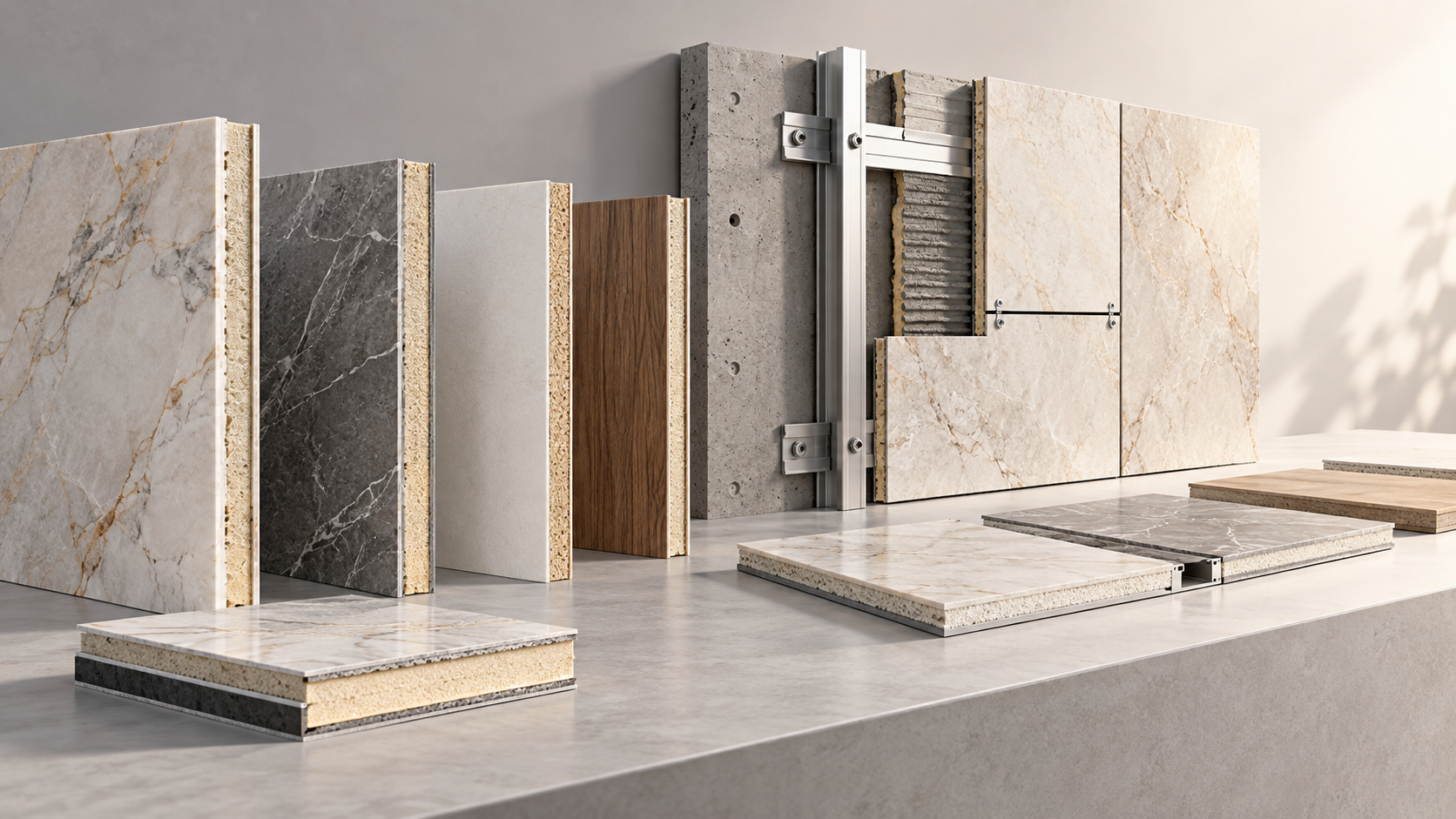
- The same square footage in Portland used a full-panel system certified to UL 1715 for room-corner fire exposure, with documented joint treatment and backing assembly. The carrier reviewed the test reports, verified installation compliance via photos and contractor sign-off, and approved a 12% annual reduction—paying back the panel cost differential in under 2.3 years.
The difference wasn’t material cost—it was *evidence quality*. Underwriters need traceable, system-level data—not just a label on a sheet. That’s why specifying panels with full-system fire test reports (not just core material ratings), clear installation protocols, and third-party verification matters more than chasing the lowest unit price.
What “Fire Resistant” Really Means in Practice
Not all Fire Resistant Decorative Panels perform the same way—or qualify for the same underwriting treatment. Here’s what actually moves the needle:
This isn’t theoretical. In six of the 12 projects, panels with only E84 ratings were accepted for code compliance—but only those with UL 1715 or NFPA 286 system testing generated premium adjustments. The message is clear: underwriters respond to evidence of *installed performance*, not lab-tested material properties alone.
Procurement Strategy: How to Align Panels With Insurance Outcomes
If your goal is actual premium reduction—not just compliance—your procurement checklist must go beyond aesthetics and budget:
- Require full-system fire test reports—not just material certificates. Ask for UL 1715, NFPA 286, or equivalent, with documented joint details matching your intended installation method.
- Verify installer training and certification. Carriers increasingly request proof that installers are trained on fire-rated assemblies—not just general carpentry. A signed installation affidavit from a certified contractor carries weight.
- Coordinate early with your broker. Share proposed panel specs *before* finalizing design. Brokers can pre-qualify whether the system meets underwriter expectations—and flag gaps before construction starts.
- Document everything. Photos of installed joints, batch numbers, test report copies, and sign-offs should be compiled into a single “fire performance dossier” for the insurer—not buried in general submittals.
One project in Houston cut its review cycle from 11 weeks to 9 days by submitting a complete fire dossier upfront—including annotated UL reports showing how their chosen panel met corner-fire criteria at both 5- and 10-minute marks. That speed mattered: it allowed them to lock in the reduced rate before lease renewals triggered higher liability exposure.
Realistic Expectations: When Panels Won’t Move the Needle
Fire Resistant Decorative Panels are powerful—but they’re not magic. Premium impact depends on context:
- They won’t offset major risk deficiencies. If your building lacks sprinklers, has outdated electrical service, or stores flammable materials onsite, panels alone won’t trigger reductions.
- They matter most in tenant-fit-out retrofits. Whole-building retrofits involve too many variables; targeted interior upgrades—especially in high-traffic, high-occupancy zones—are where panels deliver clearest ROI.
- Regional underwriting variance is real. Carriers in wildfire-prone areas may weigh ember intrusion resistance more heavily; flood zones prioritize moisture resistance over fire rating. Know your market’s priority.
For enterprise decision-makers, the takeaway isn’t “buy fire panels.” It’s “buy *verifiable, system-tested, installer-supported* Fire Resistant Decorative Panels—and treat the insurance file as part of the spec package.” That shift in mindset turns a compliance expense into a finance-justified investment.
Shenyang Shengshi Meilin Technology brings R&D rigor and application experience to this precise intersection—developing decorative panels that meet stringent fire performance benchmarks without sacrificing environmental responsibility or aesthetic flexibility. Their solutions are designed for real-world installation integrity, supporting the documentation trail insurers require. For offices seeking durable, compliant, and financially justified interior upgrades, the Scratch-Resistant Solid Color-ML105Scratch Dark Iron Black offers a high-performance option where surface resilience supports long-term fire rating retention.
RECOMMEND

Oct 27, 2026
Are Aluminum Honeycomb Panels Moisture-Resistant Enough for Bathrooms?
Explore aluminum honeycomb panel moisture resistance for bathrooms. Learn how finishes, sealed edges, and waterproofing help you choose suitable panels for walls, ceilings, and showers.
Oct 27, 2026
How Are Custom Veneer Panels Color-Matched for High-End Interiors?
Explore custom veneer panels color matching for high-end design. Discover how veneer selection, finishes, and lighting create cohesive, luxurious interiors.
Oct 26, 2026
How Do You Choose Fire-Resistant Composite Panels for Commercial Use?
Choose fire resistant composite panels for commercial interior projects. Learn how to verify fire documentation, compare options, and avoid costly specification mistakes.
Oct 26, 2026
Are Meilin Board Custom Panels Suitable for Luxury Hotel Lobbies?
Explore Meilin Board custom decorative panels for luxury hotel lobbies. Discover design considerations and essential fire, emissions, and maintenance checks before specifying your project.