What Is the Difference Between Prototyping and Full Production in Custom Decorative Panel Manufacturing?
What Is the Difference Between Prototyping and Full Production in Custom Decorative Panel Manufacturing?
In custom decorative panel manufacturing, understanding the distinction between prototyping and full production is crucial for optimizing cost, quality, and timeline. Prototyping allows for design validation and material testing, while full production scales up precision and efficiency. This guide explores the key differences, helping information researchers navigate the process from concept to completion.
Why Does the Distinction Between Prototyping and Production Matter for Your Project?
For professionals sourcing decorative panels, the core difference lies in purpose and scale. Prototyping is a discovery phase focused on verifying aesthetics and fit.
Full production, by contrast, is an execution phase centered on repeatability and cost efficiency. Understanding this split helps you allocate budget wisely and avoid costly redesigns later.
If you skip thorough prototyping, you risk manufacturing panels that look great on screen but fail in real-world lighting or assembly. This distinction directly impacts your project’s success rate.
What Specific Goals Does Prototyping Achieve in Custom Decorative Panels?
Prototyping answers critical questions before you commit to mass production. It tests material behavior under real conditions, such as how a fabric grain finish responds to humidity or handling.
It also validates color matching, texture depth, and dimensional accuracy. For example, a prototype can reveal whether a specific laminate bonds properly with the substrate.
This stage reduces guesswork. You can evaluate multiple finish options and make adjustments without scrapping large quantities of material. It is your safety net for design integrity.
How Does Full Production Shift Focus from Flexibility to Efficiency?
Once the prototype is approved, full production scales up the process. The objective shifts from experimentation to consistent output at a lower unit cost.
Manufacturers optimize tooling, automate cutting, and standardize quality checks. This phase demands tight tolerances and repeatable results across thousands of panels.
For you, this means faster delivery times and predictable pricing. However, changes become expensive and disruptive after production starts, so approval of the prototype is a firm commitment.
What Are the Cost Implications of Prototyping Versus Full Production?
Prototyping typically involves higher per-unit costs because of manual setup, specialized attention, and smaller material batches. A single prototype panel can cost significantly more than its production counterpart.
Full production spreads fixed costs like mold creation and machine calibration over large volumes. This drives down the price per panel dramatically.
Your budget strategy should allocate a reasonable percentage for prototyping. Investing more here can prevent expensive mistakes during full production, ultimately saving money on rework and waste.
How Do Timelines Differ Between These Two Phases?
Prototyping is usually faster in calendar days but slower in terms of output per hour. You might receive a sample within one to two weeks, depending on complexity.
Full production requires longer lead times due to material procurement, scheduling, and batch processing. A typical production run may take four to eight weeks.
Plan your project timeline accordingly. Allow for multiple prototype iterations if needed, especially for custom finishes like fabric grain textures. Rushing this phase can delay the entire project.
What Quality Control Measures Change from Prototype to Production?
During prototyping, quality control is hands-on and subjective. Designers and engineers inspect the panel visually and physically, checking for warping, color consistency, and surface finish.
In full production, quality control becomes systematic. Manufacturers use jigs, gauges, and statistical sampling to detect defects. Automated systems monitor dimensions and surface quality.
You should request a quality control plan from your supplier. This ensures that the standards met in the prototype are maintained throughout the production run.
Which Materials and Processes Are Tested During Prototyping?
Prototyping allows you to test materials that are difficult to modify later. For decorative panels, this includes UV resistance, scratch hardness, and fire retardancy.
You can also test different adhesives, edge treatments, and backing materials. This is especially important for panels used in high-moisture areas like kitchens or bathrooms.
By verifying these properties early, you avoid field failures. A prototype that passes all tests gives you confidence that the final product will perform as expected.
How Do Communication and Feedback Loops Change Between Phases?
Prototyping relies on close collaboration. You share feedback directly with designers and engineers, often through multiple revisions. This dialogue is essential for capturing nuances.
In full production, communication becomes more structured. Feedback goes through project managers, and changes require formal engineering change orders.
To ensure smooth transitions, document all prototype findings clearly. Include approved samples, color codes, and tolerance specifications. This documentation becomes the production blueprint.
What Are the Hidden Risks of Skipping or Rushing Prototyping?
Rushing prototyping to save time often leads to production delays. Panels may arrive with unexpected color shifts, poor fit, or surface defects that require rework.
Skipping prototyping entirely is riskier. You might discover that the material doesn’t cut cleanly, or the finish doesn’t match the surrounding environment. These issues are costly to fix at scale.
For complex projects, plan at least one full prototype cycle. It is a small investment compared to the cost of replacing hundreds of defective panels.
How Can You Evaluate a Supplier’s Prototyping Capability?
Ask suppliers about their prototyping process. Do they use CNC routers for precision samples? Can they match Pantone colors or provide A/B comparisons of surface textures?
Look for a supplier that offers multiple material options and detailed test reports. A manufacturer like Shenyang Shengshi Meilin Technology Co., Ltd. emphasizes research and development, which supports thorough prototyping.
Their focus on innovation and quality means they can handle complex custom finishes. This capability is critical for achieving the exact look and feel you want.
What Should You Expect in a Prototype Deliverable?
A proper prototype should include a physical sample that matches your design specifications. It should indicate the material composition, finish type, and dimensions.
Request a written report documenting any deviations from the original design. This report helps you make informed decisions about adjustments before production.
For fabric grain or textured finishes, the prototype should show how light interacts with the surface. This visual confirmation is irreplaceable for aesthetic decisions.
How Do You Transition Smoothly from Prototype to Full Production?
After approving the prototype, provide a formal sign-off document. This triggers the procurement of bulk materials and the setup of production tooling.
Maintain a single point of contact with the manufacturer to avoid miscommunication. Schedule a pre-production meeting to review the prototype’s specifications and production plan.
This structure minimizes errors during the scale-up. It also ensures that the manufacturer understands your quality expectations and deadlines.
Conclusion: Making Informed Decisions Between Prototyping and Production
Understanding the difference between prototyping and full production empowers you to manage cost, time, and quality effectively. Prototyping validates your design and material choices, while full production delivers consistent results at scale.
For projects requiring custom decorative panels, invest in a thorough prototyping phase. It is the most reliable path to a successful final product. When selecting a partner, choose a high-tech enterprise committed to innovation and service, such as those offering advanced material solutions.
For instance, the Fabric Grain-MLBW045 is a product that exemplifies the transition from prototype to production. This finish requires careful testing during prototyping to ensure the grain pattern aligns perfectly across panels. By understanding the nuances of prototyping versus full production, you can confidently specify high-quality decorative panels that meet your project’s aesthetic and functional requirements.
RECOMMEND

Oct 26, 2026
How Do You Choose Fire-Resistant Composite Panels for Commercial Use?
Choose fire resistant composite panels for commercial interior projects. Learn how to verify fire documentation, compare options, and avoid costly specification mistakes.
Oct 26, 2026
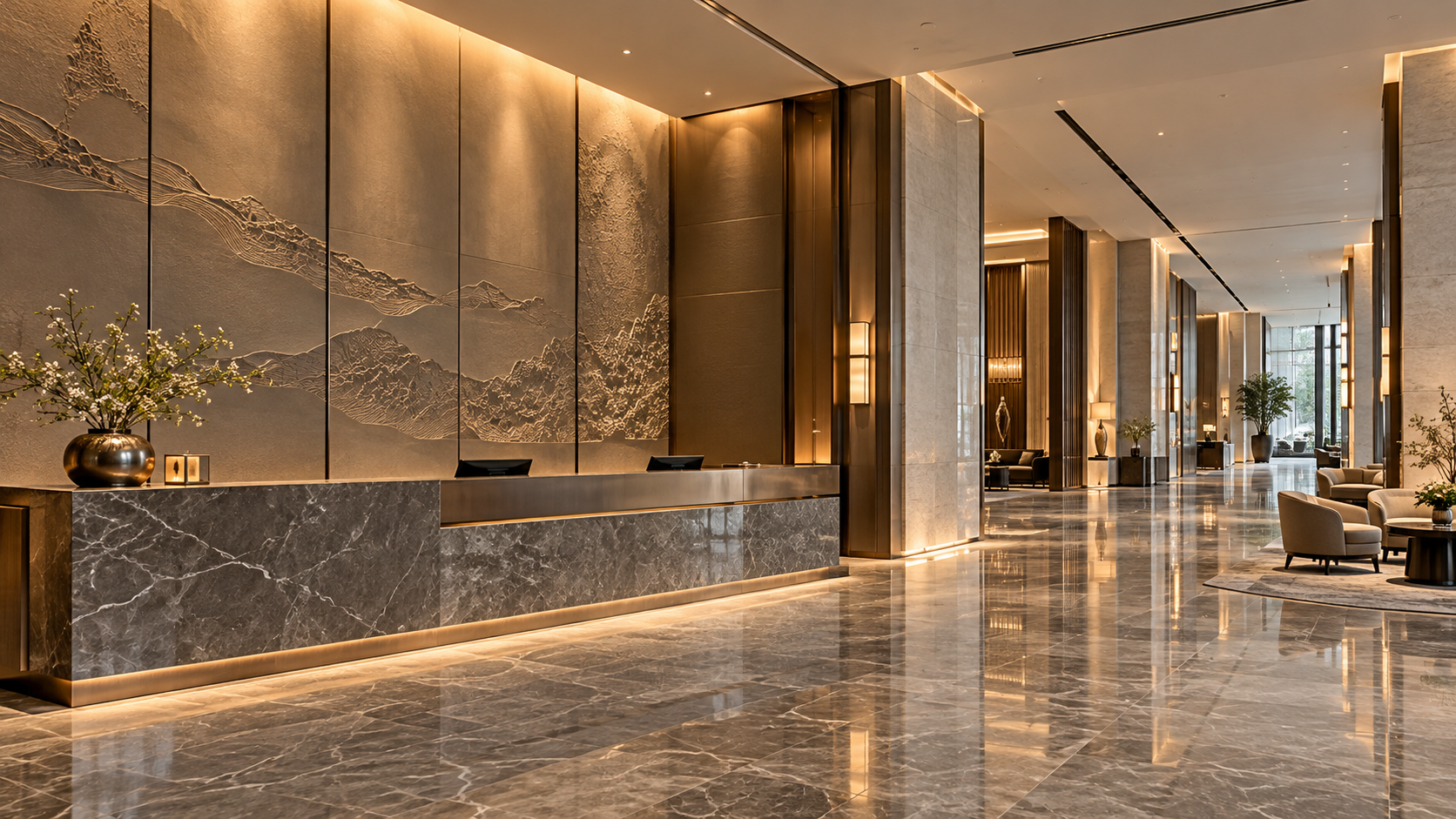
Are Meilin Board Custom Panels Suitable for Luxury Hotel Lobbies?
Explore Meilin Board custom decorative panels for luxury hotel lobbies. Discover design considerations and essential fire, emissions, and maintenance checks before specifying your project.
Oct 26, 2026
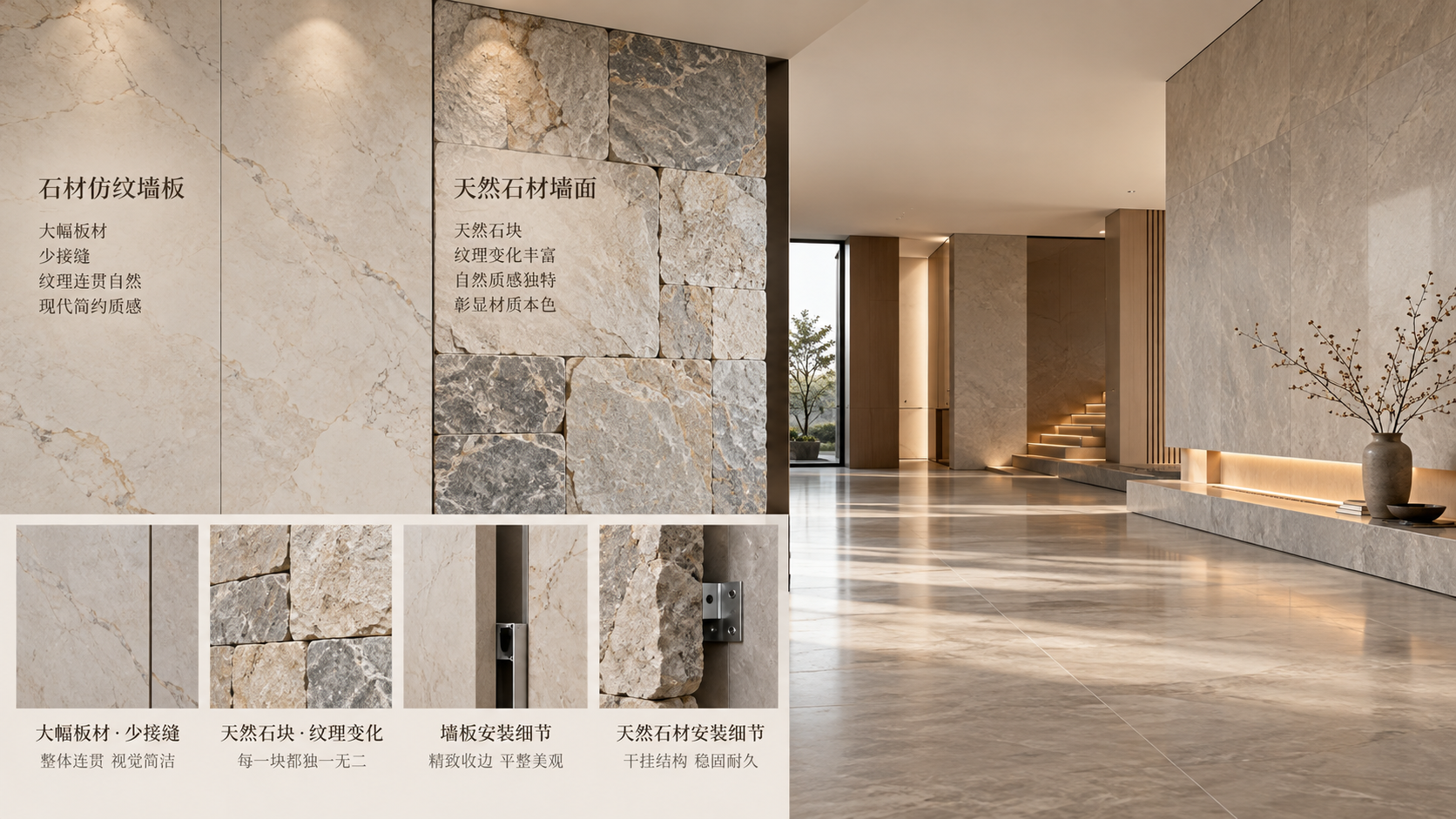
Stone-Look Wall Panels vs. Natural Stone: Which Costs Less?
Compare stone look wall panels vs natural stone cost, from materials and installation to maintenance. Discover which option delivers better value for your next wall project.
Oct 25, 2026
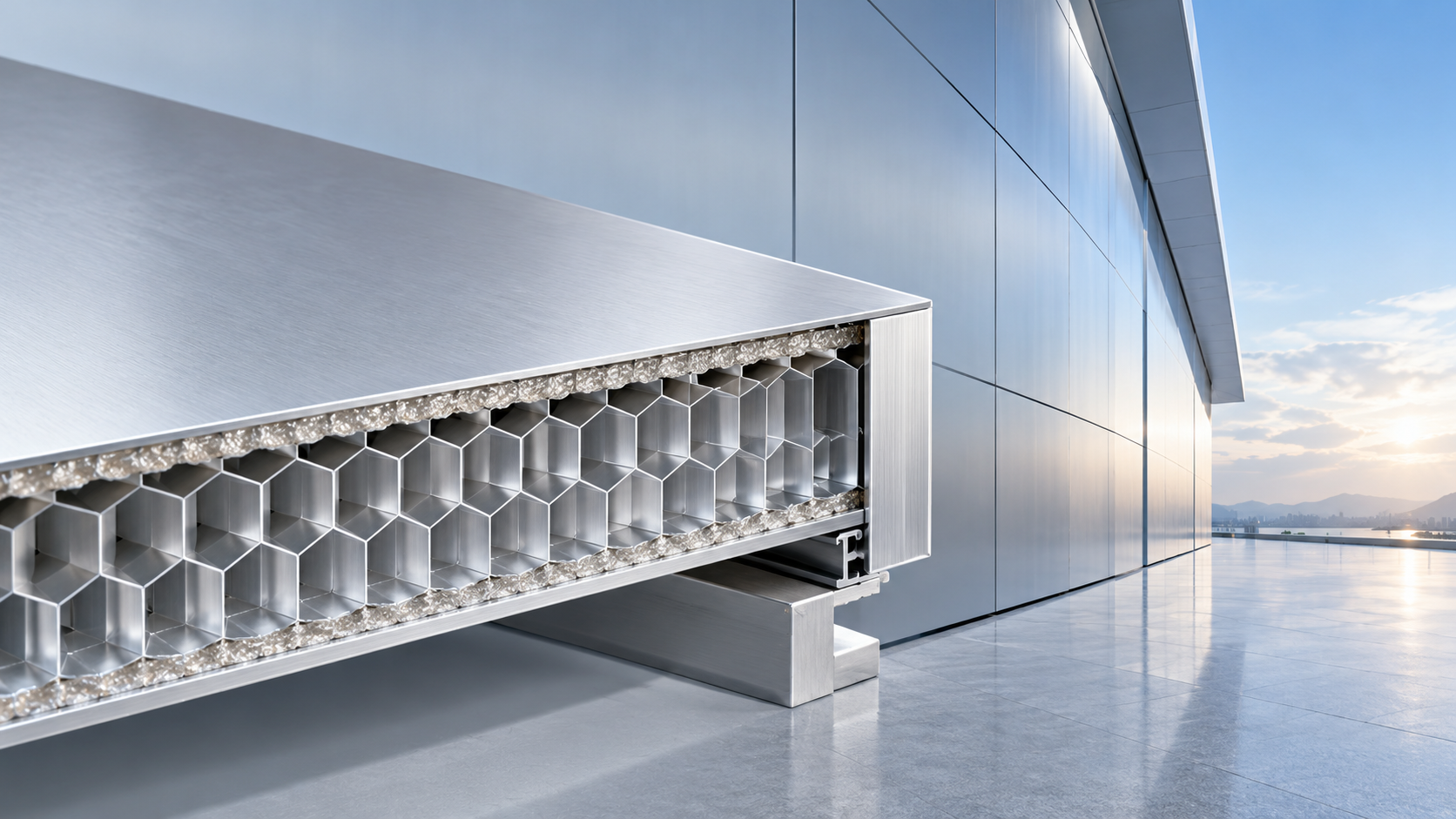
How Strong Are Meilin Board Aluminum Honeycomb Panels?
Explore aluminum honeycomb panels structural strength with Meilin Board. Learn how thickness, core design, and fixings affect performance to choose panels confidently.