

Custom Decorative Panels for Branded Spaces: Design Flexibility and Lead Time Factors
For procurement and evaluation teams shaping branded commercial environments, Custom Decorative Panels offer a practical balance of visual identity, material performance, and project control. From surface finishes and fire-resistant options to fabrication accuracy and delivery schedules, the right panel solution can directly affect brand consistency, compliance, and installation efficiency. This article explores the key design flexibility advantages and lead time factors that matter most in informed supplier assessment.
What Buyers Are Really Evaluating When They Search for Custom Decorative Panels
When business evaluators search for Custom Decorative Panels, they are rarely looking for decoration alone. Their core intent is to compare suppliers that can support brand-specific design requirements without creating delivery risk.
They want to know whether a panel system can translate visual concepts into reliable manufacturing outcomes. That includes finish consistency, technical compliance, installation practicality, and the supplier’s ability to meet commercial project timelines.
For this audience, design freedom matters only when it can be controlled. A visually impressive panel becomes a procurement problem if customization introduces unclear pricing, unstable quality, or schedule delays.
That is why the best evaluation approach is not simply asking what can be customized. It is asking which design variables are feasible, repeatable, compliant, and realistic within the intended budget and handover window.
Why Design Flexibility Matters in Branded Commercial Spaces
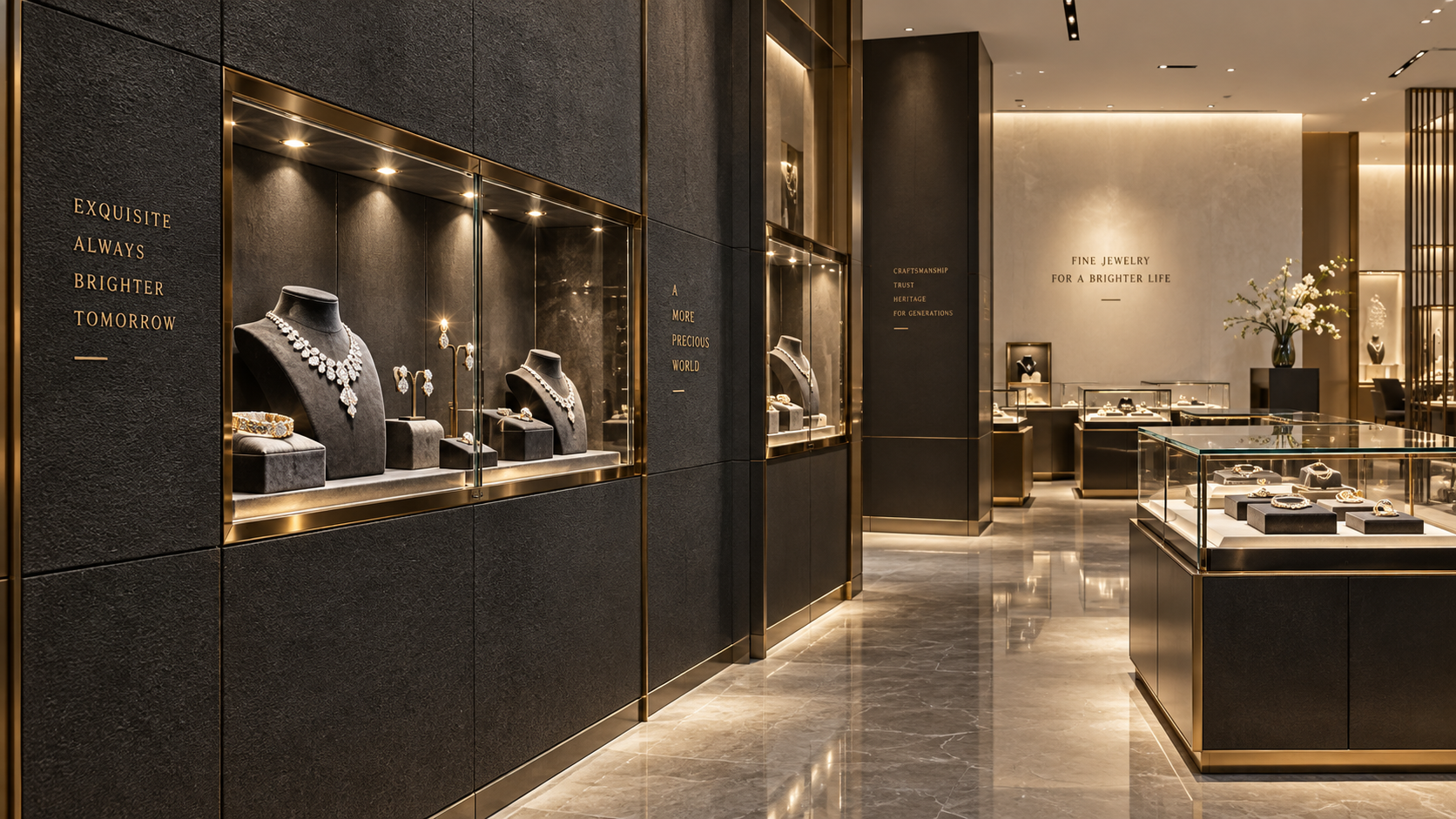
Branded spaces rely on materials that communicate identity without sacrificing performance. In retail, hospitality, offices, showrooms, and public reception areas, decorative panels often shape the first physical impression of a brand.
Custom Decorative Panels give project teams more control over color, texture, pattern, gloss level, edge treatment, substrate selection, and dimensional fabrication. That flexibility helps align interiors with brand standards across multiple locations.
For procurement teams, this is not just an aesthetic discussion. Consistent branded materials can reduce redesign cycles, simplify approvals, and lower the risk of visual mismatch between concept drawings, sample boards, and installed results.
Panels also help designers create a unified environment across walls, columns, partitions, counters, ceilings, and feature zones. A coordinated system can improve both visual coherence and procurement efficiency when multiple elements share the same material logic.
Which Customization Options Actually Affect Procurement Decisions
Not every customization variable carries equal business value. Evaluators should focus first on the options that influence usability, cost certainty, maintenance expectations, and downstream project coordination.
Surface finish is usually one of the most important factors. Matte, brushed, embossed, metallic, woodgrain, stone-inspired, and coated surfaces each create different brand signals and different expectations for durability, cleaning, and visual consistency.
Color matching is another priority, especially for franchises, chain stores, or corporate environments. Buyers should confirm whether the supplier can manage controlled color reproduction across production batches rather than only delivering an attractive sample.
Panel size and fabrication precision also matter. Large-format panels may reduce joint lines and create a cleaner branded appearance, but they can increase transport complexity, site handling requirements, and replacement costs.
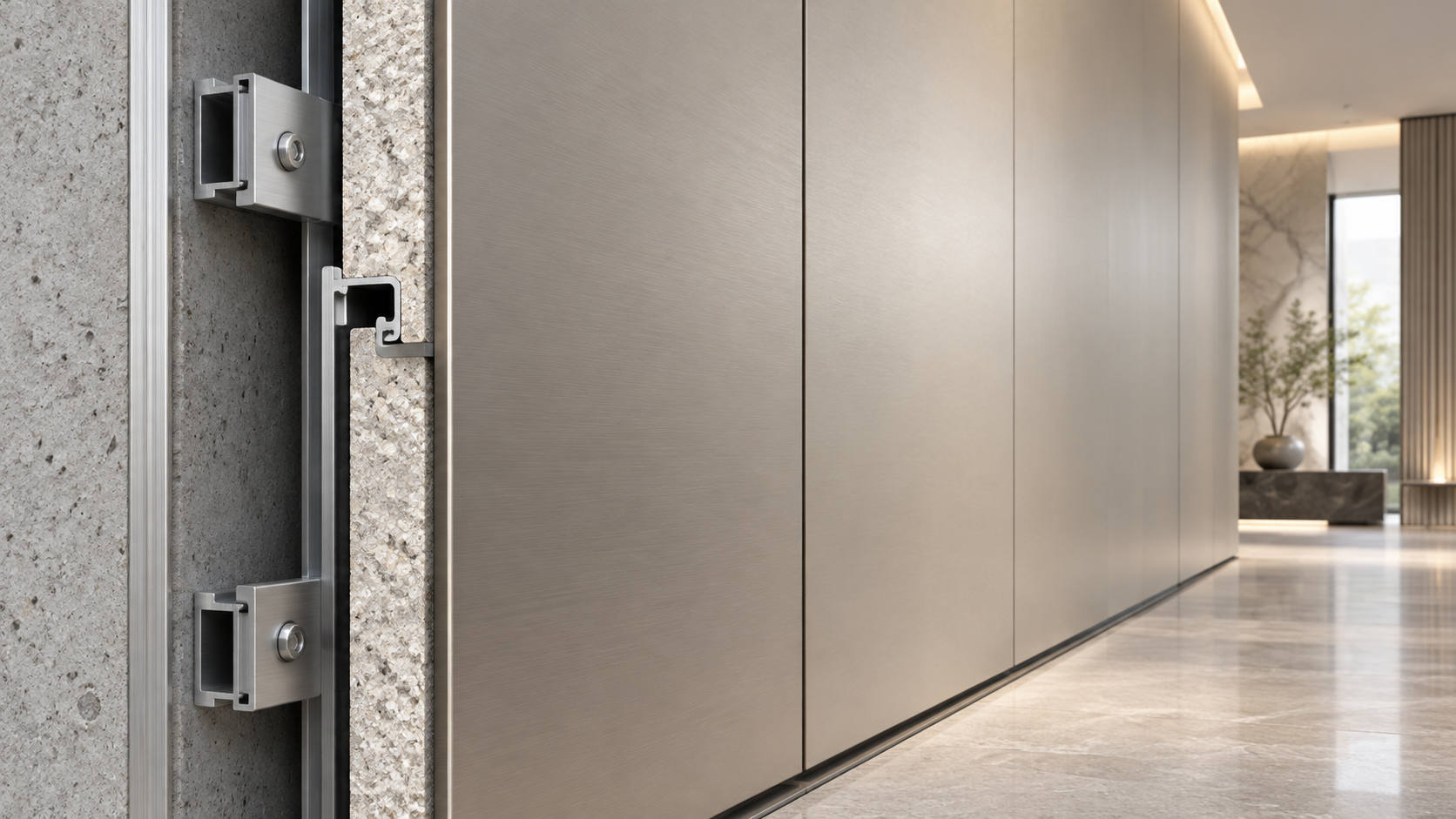
Edge profiles, perforation, relief textures, and integrated fixing solutions may appear secondary at first. In practice, these details often determine installation speed, visible finish quality, and the amount of field modification required on site.
Some projects also need decorative products that bridge aesthetics with a distinctive tactile effect. In those cases, a reference such as Embossed Metal-Metal Stripe Coffee Gold can help evaluators assess how surface character supports premium brand presentation.
How Material Performance Influences Supplier Selection
For commercial environments, visual appeal alone is not enough. Procurement teams usually need evidence that Custom Decorative Panels can satisfy functional requirements linked to safety, durability, and long-term operating conditions.
Fire performance is often one of the first screening criteria, especially in hospitality, transportation, public interiors, and high-traffic commercial buildings. Buyers should verify test documentation, classification standards, and project-specific compliance requirements early.
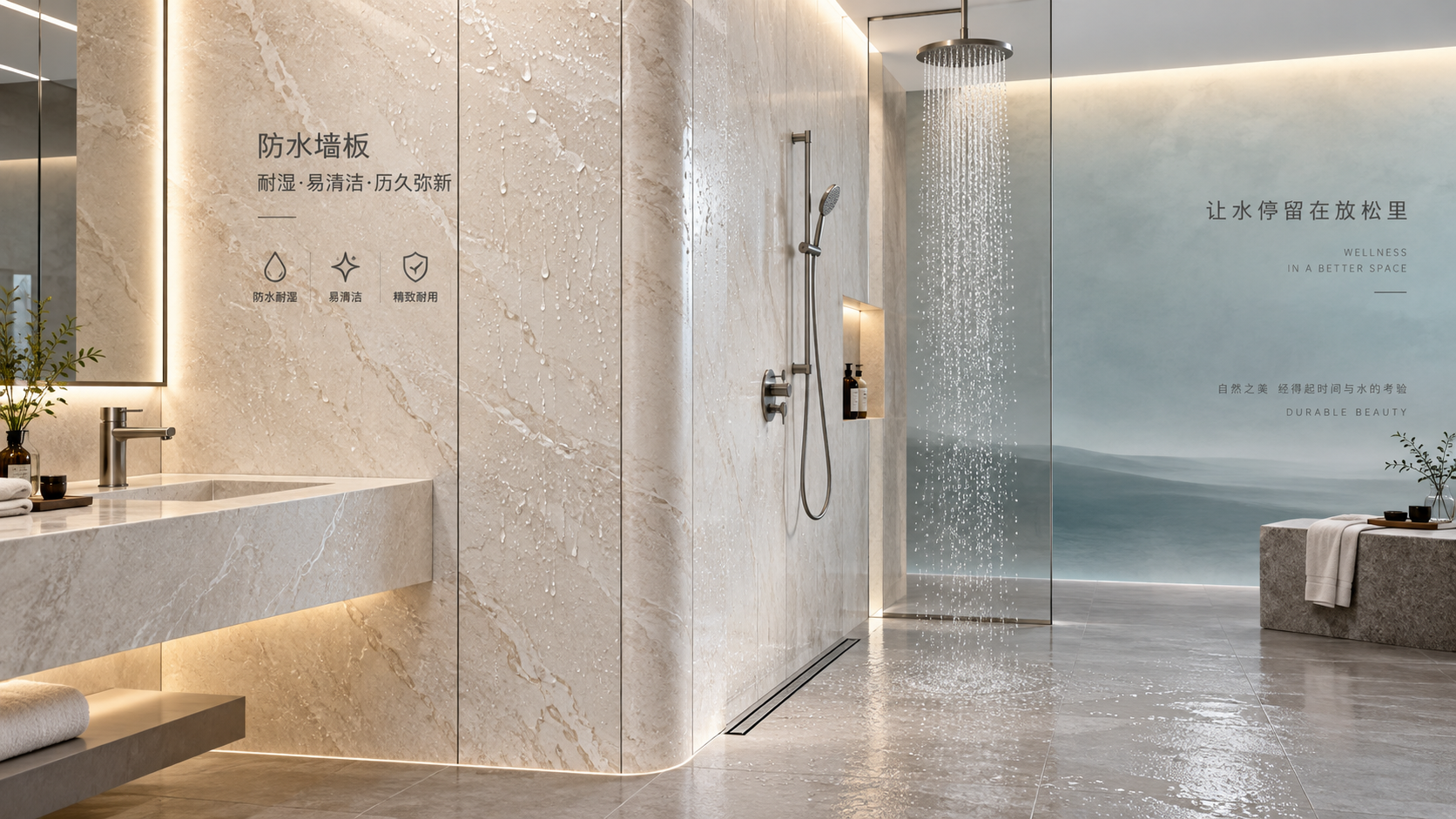
Moisture resistance, dimensional stability, scratch resistance, and ease of maintenance are equally important in practical use. A panel that looks strong in a showroom sample may underperform in humid, busy, or cleaning-intensive environments.
Environmental performance is also becoming a more visible evaluation factor. Low-emission materials, responsible manufacturing, and safer material systems can support internal sustainability objectives as well as client-facing brand commitments.
For businesses comparing international suppliers, consistency in quality assurance is essential. A supplier with structured material research, technical application experience, and stable manufacturing controls usually offers stronger long-term procurement reliability.
Lead Time Is More Than Production Time
One common mistake in supplier evaluation is treating lead time as a single factory number. In reality, the delivery schedule for Custom Decorative Panels includes multiple stages that should be reviewed separately.
The first stage is design clarification. Custom projects often begin with drawings, finish selection, substrate confirmation, and performance discussions. Delays here usually come from incomplete specifications or repeated revision cycles rather than manufacturing constraints.
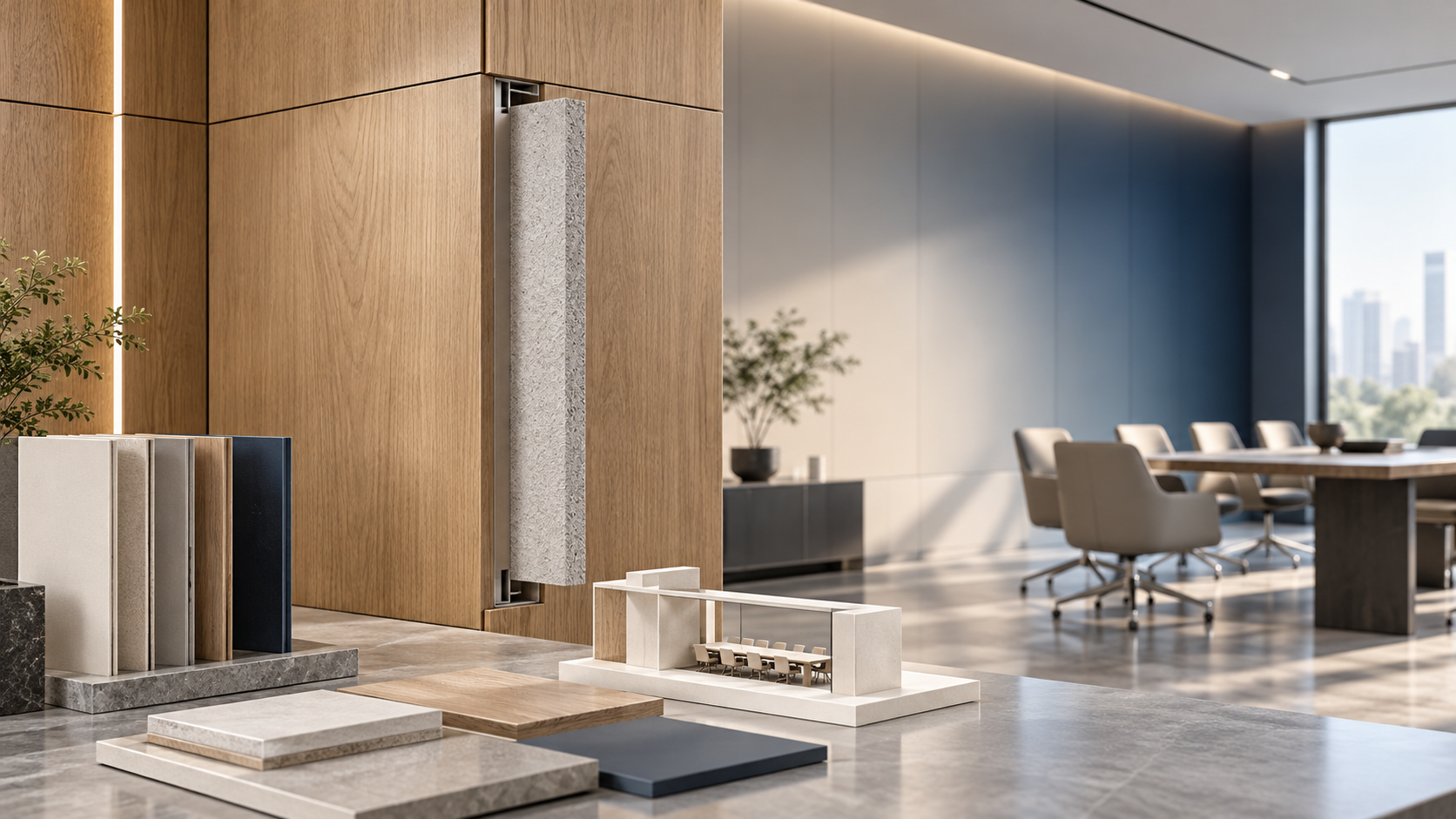
The second stage is sample development and approval. Physical samples, color chips, mock-ups, or small trial panels may be required before mass production. This stage is essential because it reduces later disputes, but it must be built into planning.
The third stage is production itself. Actual fabrication time depends on order volume, surface treatment complexity, machine loading, material availability, and whether the design uses standard or highly specialized processing methods.
The fourth stage includes packaging, export preparation, inland transportation, and international shipping where applicable. Procurement teams should avoid approving a supplier based only on factory lead time while ignoring logistics variability.
Finally, site readiness can affect the real project schedule. Even well-produced panels can create delay if measurements change, installation interfaces are incomplete, or replacement panels are needed because field conditions were not coordinated in advance.
What Causes Lead Time Delays in Custom Panel Projects
Most lead time issues are not random. They usually come from a limited set of predictable causes that experienced buyers can identify before placing an order.
Frequent design changes are one of the biggest causes. When branding teams, designers, and procurement functions approve different versions at different times, production planning becomes unstable and schedules slip quickly.
Unclear technical specifications create another major risk. If dimensions, tolerance expectations, finish standards, fire requirements, or installation methods are not confirmed early, suppliers may pause production or produce samples that require revision.
Complex finishes can also extend timelines. Embossing, metallic treatments, multilayer coatings, or special textures often require additional process steps, quality checks, or external finishing coordination compared with simpler decorative surfaces.
Material sourcing can be a hidden constraint as well. Even capable manufacturers may face delays if a chosen substrate, coating component, or specialty finish is not available in the needed quantity or batch consistency.
For this reason, strong suppliers do more than quote fast production. They explain schedule dependencies clearly, identify approval milestones, and help customers understand which specifications have the greatest impact on delivery certainty.
How Procurement Teams Should Compare Suppliers More Effectively
Evaluating Custom Decorative Panels requires more than comparing appearance samples and unit prices. A stronger assessment framework connects design capability, technical reliability, and execution discipline.
Start by asking suppliers to define their customization boundaries clearly. Can they handle project-specific colors, textures, sizes, and performance targets within repeatable production conditions, or are they relying on one-off manual adjustments?
Next, review their sampling process. Buyers should understand how many rounds are typical, what approval standards are used, and how final bulk production is matched to the approved sample.
Production visibility is another useful indicator. Suppliers that can explain workflow stages, quality checkpoints, tolerances, and packaging methods generally provide a more reliable basis for commercial planning.
Ask direct questions about schedule risk. Which part of the lead time is fixed, and which part depends on approvals, material inventory, or process complexity? Clear answers are usually a sign of mature project handling.
It is also worth checking how the supplier supports broader construction and furnishing applications. Companies with cross-category experience often understand compatibility issues better, especially when decorative materials must work alongside fireproof or interior finishing systems.
Balancing Brand Impact, Cost Control, and Long-Term Value
Business evaluators are often under pressure to control cost without diluting the intended brand experience. That balance is where Custom Decorative Panels can create meaningful value if chosen with the right criteria.
A lower initial quote may not represent the best commercial decision if it leads to inconsistent finishes, high installation adjustments, replacement orders, or accelerated wear in high-visibility areas. Total project value matters more than unit price alone.
On the other hand, not every area needs the highest-spec decorative treatment. Many projects benefit from a tiered material strategy, using premium panels in focal zones and more standardized solutions in secondary spaces.
This approach protects visual impact where customers notice it most while keeping budget allocation more disciplined. It also helps procurement teams negotiate specifications based on functional priority rather than design preference alone.
When reviewing specialty finishes, buyers should compare not just appearance but lifecycle practicality. A refined textured option, including a reference like Embossed Metal-Metal Stripe Coffee Gold, should be assessed for maintenance, repeatability, and replacement matching as well as aesthetics.
Why Supplier Capability Matters as Much as Product Range
In custom projects, the supplier is not simply delivering boards or finished panels. They are participating in the translation of brand intent into manufacturable and installable material outcomes.
That makes technical communication, manufacturing discipline, and service responsiveness central to procurement success. A broad catalog is useful, but it does not replace application knowledge and project coordination ability.
Suppliers with experience in new material development, decorative applications, and performance-oriented building solutions are often better positioned to support complex branded environments. They can usually guide buyers through tradeoffs more effectively.
For evaluation teams, this means looking beyond visuals to operational competence. The right partner should help reduce uncertainty, not just expand the list of decorative possibilities.
Companies such as Shenyang Shengshi Meilin Technology Co., Ltd., with a focus on new material technologies and environmentally conscious construction and furnishing solutions, reflect the type of supplier profile many commercial buyers now prioritize.
Conclusion: What an Informed Purchase Decision Should Look Like
For branded commercial spaces, Custom Decorative Panels are most valuable when design flexibility is backed by technical control and realistic lead time planning. Buyers should evaluate customization in terms of repeatability, compliance, installation impact, and schedule clarity.
The strongest procurement decisions come from balancing visual ambition with manufacturing reality. That means verifying samples carefully, defining specifications early, understanding lead time stages, and comparing supplier capability beyond price alone.
In practical terms, the right panel solution should help deliver brand consistency, reduce project friction, and support long-term performance in the real environment where it will be used. That is the standard worth applying in supplier assessment.
RECOMMEND

Oct 11, 2026
Custom Composite Panel Design: Selecting Skins, Cores, and Fixing Methods
Custom Composite Panel Design guide: choose durable skins, high-performance cores, compatible bonds, and smart fixing methods for safer, longer-lasting decorative panels.
Oct 11, 2026
What Decorative Panel Design Services Should Include Before Fabrication Begins
Decorative Panel Design Services help turn concepts into fabrication-ready solutions with material guidance, fire planning, samples, drawings, cost control, and quality checks.
Oct 10, 2026
Choosing Spa Wall Panels for Humid Rooms, Hygiene, and Easy Maintenance
Spa Wall Panels for humid rooms: compare moisture resistance, hygiene, chemical durability, fire compliance, and easy-maintenance system details for lasting spa interiors.
Oct 10, 2026
Jewelry Store Wall Panels That Enhance Lighting, Security, and Luxury Displays
Jewelry Store Wall Panels: discover how refined finishes improve lighting, security integration, durability, and luxury displays for a polished retail experience.