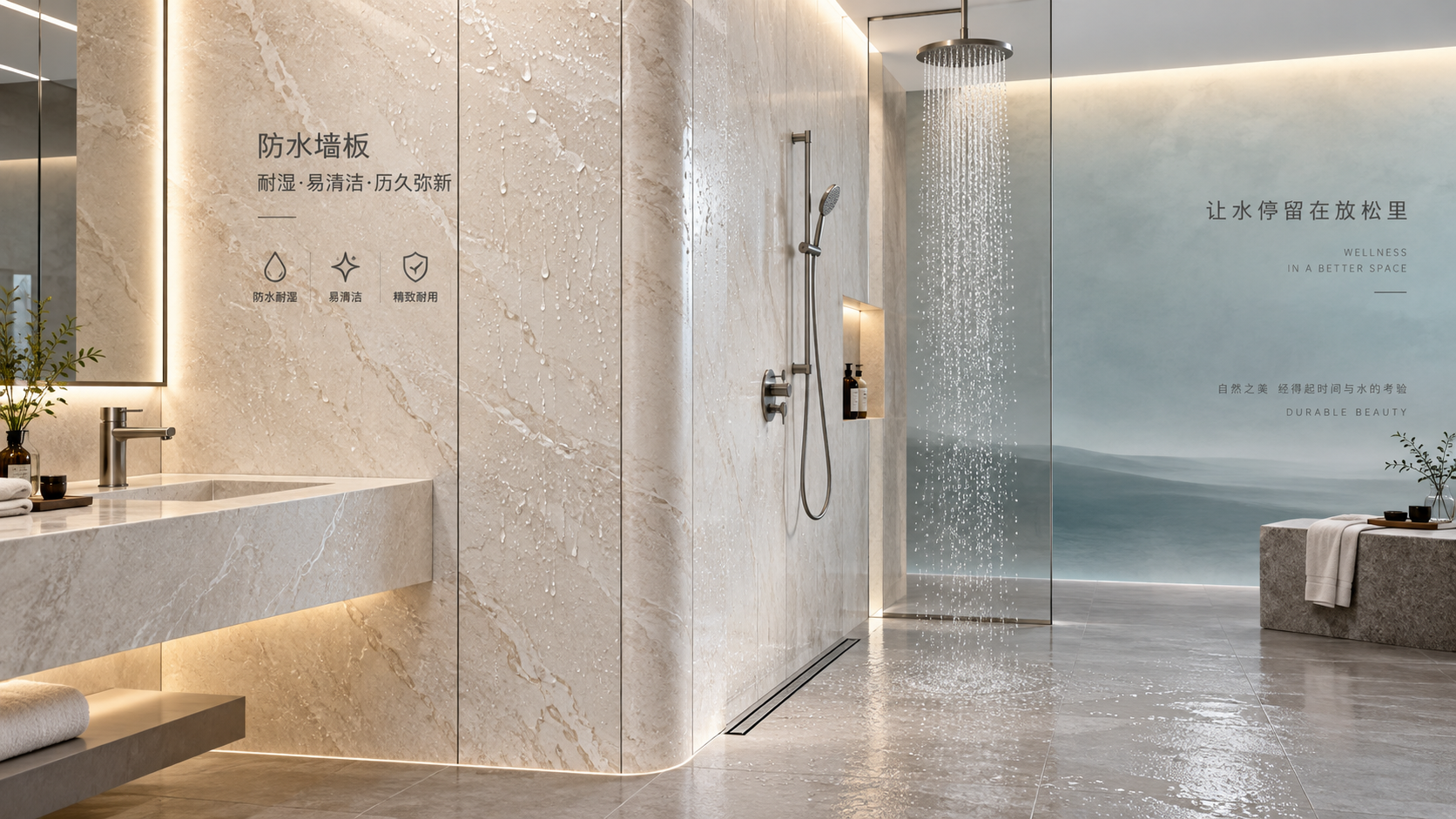


Choosing Spa Wall Panels for Humid Rooms, Hygiene, and Easy Maintenance
Choosing Spa Wall Panels for Humid Rooms, Hygiene, and Easy Maintenance
Choosing Spa Wall Panels for humid rooms requires more than an attractive finish. Technical evaluators must assess moisture resistance, hygienic performance, fire safety, installation compatibility, and maintenance under constant steam, water, and chemical exposure.
The strongest choice is usually a complete wall system, not simply a decorative board. Panel composition, edge treatment, joints, sealants, substrates, and installation quality determine whether a spa interior performs reliably over time.
For wellness facilities, the key procurement question is straightforward: can the wall remain stable, cleanable, safe, and visually consistent through repeated wet-dry cycles and routine sanitation?
Start With the Actual Moisture Load
Not every spa room creates the same environmental stress. A dry relaxation lounge, treatment room, shower corridor, sauna entrance, and steam room require different levels of water resistance and detailing.
Technical evaluation should begin by mapping direct water exposure, airborne humidity, condensation frequency, ventilation performance, cleaning schedules, and expected room temperatures. These conditions define the required panel specification more accurately than appearance alone.
Areas beside showers, plunge pools, and wet benches need materials that resist direct splashing and prolonged surface moisture. Steam-room-adjacent walls must also tolerate condensation migrating behind poorly sealed panel joints.
Humidity is particularly damaging when it reaches the panel core or backing wall. Even a water-resistant face can fail if exposed edges absorb moisture, adhesives degrade, or trapped water cannot dry.
Ask whether the proposed system is intended for high-humidity interiors, intermittent splash zones, or continuously wet environments. Manufacturer claims should be matched to the specific application rather than accepted as universal performance guarantees.
A realistic moisture assessment also considers operational failures. Extract fans may be switched off, drains can block, seals can deteriorate, and cleaning staff may use more water than the original design assumed.
For this reason, a safety margin is valuable. Spa wall panels should perform under normal conditions while retaining practical resilience when temporary humidity spikes or maintenance issues occur.
Evaluate Panel Construction, Not Only Surface Appearance
The visible finish is important, but it does not reveal the full technical capability of Spa Wall Panels. Evaluators should request information about the face layer, core, backing, edges, and fixing method.
Common panel options may include compact laminate systems, PVC-based panels, aluminum composite products, mineral-based boards, decorative laminates, and other engineered wall cladding materials. Each option carries different strengths and limitations.
A non-porous decorative surface can simplify cleaning, but the core must remain dimensionally stable when humidity fluctuates. Swelling, bowing, blistering, cracking, and delamination are common signs of unsuitable construction.
Edge treatment deserves equal attention. Factory-sealed edges, compatible trims, and purpose-designed joint profiles reduce pathways for moisture ingress. Cut edges created on site require clear sealing procedures and inspection controls.
Panel thickness can influence impact resistance, flatness, fixing capacity, and joint stability. However, thickness alone is not a performance metric; material density, structural design, and installation support are equally important.
Request technical data sheets that identify water absorption, dimensional stability, service temperature, impact resistance, surface abrasion performance, and cleaning recommendations. Unsupported marketing descriptions are insufficient for specification decisions.
When comparing samples, inspect both the front face and concealed edges. A visually premium sample can still conceal a moisture-sensitive substrate that becomes vulnerable after trimming, drilling, or repeated cleaning.
Hygiene Depends on Surface Continuity and Joint Design
In spa environments, hygiene is not achieved solely through frequent cleaning. The wall finish must support cleaning by minimizing pores, open seams, ledges, cracks, and difficult-to-access interfaces where residue can collect.
Smooth, non-porous surfaces generally provide a practical advantage because oils, cosmetic products, mineral deposits, and body-care residues are easier to remove without aggressive scrubbing or excessive water use.
Joint geometry is critical. Wide recessed gaps, poorly aligned trims, and exposed fasteners can become collection points for moisture and cleaning chemicals. A panel system should provide joints that are accessible and sealable.
Where hygiene requirements are high, select panel layouts that limit unnecessary seams. Larger-format panels may reduce joint counts, provided the substrate, handling method, and thermal movement allowance are properly considered.
Sealants should be compatible with both panel surfaces and expected cleaning products. Incompatible sealants may stain decorative finishes, lose adhesion, support microbial growth, or crack after repeated temperature changes.
Technical teams should confirm whether silicone or alternative sealants are appropriate for each interface. Corners, penetrations, floor transitions, ceiling junctions, and service access points require particular attention during detailing.
A hygienic specification also includes cleaning validation. Ask the supplier which detergents, disinfectants, descalers, and concentrations can be used safely, and whether the surface tolerates routine mechanical wiping.
Cleaning instructions should be specific enough for facility teams to follow. A wall panel that requires specialized products or unusually gentle treatment may create operational risk in a busy spa.
Check Chemical Resistance Before Approving a Finish
Spa walls are exposed to more than water. Cleaning routines can involve disinfectants, acidic descalers, alkaline detergents, alcohol-based products, essential oils, cosmetic ingredients, and occasionally pool-related chemicals.
A finish that remains attractive after water exposure may still discolor, dull, soften, or crack when regularly cleaned with chemical products. Chemical resistance therefore deserves a separate evaluation criterion.
Ask for documented compatibility with the actual cleaning regime proposed by the operator. It is better to evaluate named products and concentrations than to rely on broad claims such as “easy to clean.”
Where cleaning procedures are not yet fixed, identify the likely chemical categories and establish restrictions early. This prevents a completed project from receiving maintenance instructions that damage its installed surfaces.
Sample testing is useful when the project uses intensive sanitation or specialized wellness treatments. Expose representative samples to cleaning solutions, leave them for defined periods, then inspect for staining, gloss changes, swelling, and adhesion loss.
Do not overlook incidental exposure. Hair coloring products, massage oils, scented concentrates, and metal-containing water deposits can leave marks that differ substantially from ordinary bathroom cleaning conditions.
A robust material selection process links the wall-panel specification to an approved cleaning schedule. This protects the warranty position and gives operations personnel a clear maintenance standard after handover.
Fire Safety and Compliance Must Be Verified Locally
Humid-room performance does not remove the need for fire safety. Spa facilities may have escape routes, changing areas, treatment rooms, public circulation spaces, and concealed service cavities with distinct regulatory requirements.
Technical evaluators should confirm the applicable local building code, fire classification system, occupancy category, and installation conditions. A product rating may change when panels are installed over different substrates or air cavities.
Request current test reports and certificates rather than relying only on catalogue symbols. The documentation should identify the tested product construction, thickness, backing arrangement, fixing method, and relevant standard.
Fire-rated sealants and fire-stopping details may be required where service penetrations pass through compartment walls. Decorative wall panels cannot compensate for incomplete fire-stopping behind or around the installation.
Also consider smoke development, flaming droplets, and toxic emission requirements where relevant. A technically suitable panel should support the broader life-safety strategy, especially in enclosed wellness areas with limited visibility.
Environmental and indoor-air requirements should be reviewed at the same stage. Low-emission materials can support healthier interiors, while durable finishes reduce replacement waste and long-term material consumption.
Installation Quality Determines Long-Term Performance
Even high-quality Spa Wall Panels can fail when installed on an unsuitable substrate. The supporting wall must be flat, dry, structurally sound, and prepared according to the panel supplier’s requirements.
Before installation, measure substrate moisture, assess surface irregularities, and identify cracks, loose coatings, and areas affected by previous water damage. Concealing an unstable background wall creates delayed project risk.
The fixing method must accommodate panel weight, substrate type, service access requirements, and expected thermal movement. Adhesive-only installation may be appropriate in some systems, while others require mechanical support or combined fixing.
Adhesive selection is especially important in humid spaces. Confirm bond performance under temperature changes and moisture exposure, as well as compatibility with the panel backing and substrate material.
Expansion gaps should not be treated as workmanship defects. Many panel materials expand and contract with temperature or humidity changes, so joints and perimeter details must allow controlled movement without opening water paths.
Plumbing fixtures, grab rails, shelving, mirrors, dispensers, and equipment mounts need coordinated support behind the panel. Avoid drilling through finished surfaces without a documented sealing method for each penetration.
A mock-up is valuable for complex spa projects. It allows teams to verify joints, corner trims, sealant color, fixture interfaces, cleaning access, and visual alignment before full installation begins.
Compare Lifecycle Cost Instead of Initial Material Price
The lowest purchase price rarely represents the lowest project cost. Technical evaluators should compare material cost, installation labor, substrate preparation, accessories, cleaning demands, repairability, expected service life, and replacement disruption.
A lower-cost panel that needs frequent resealing, stains easily, or requires replacement after moisture damage can create greater operational expense than a more durable system with predictable maintenance requirements.
Downtime has particular value in spas. Replacing wall finishes may require closing treatment rooms, wet zones, or changing facilities, affecting revenue, guest experience, and staff scheduling.
Consider how isolated damage can be repaired. A system that permits local panel replacement may reduce disruption, but only if matching finishes, trims, and spare materials remain available during the operating period.
Specify a practical quantity of spare panels and accessories at project completion. Batch variation, discontinued finishes, and changing product ranges can make future matching difficult without retained stock.
Lifecycle assessment should also include cleaning labor. Smooth, durable surfaces can reduce the time required to remove deposits, helping operators maintain visual standards without relying on abrasive methods.
Create a Specification Checklist for Supplier Comparison
A structured comparison sheet prevents aesthetic preferences from outweighing technical evidence. Each proposed panel system should be assessed against the same environmental, hygiene, safety, installation, and maintenance criteria.
Record the intended room type, direct-water exposure level, ventilation assumptions, substrate condition, required fire classification, cleaning chemicals, panel dimensions, joint treatment, and expected service life for every location.
Then request supplier evidence for moisture resistance, chemical compatibility, fire testing, installation instructions, warranty scope, and recommended maintenance. Missing documentation should be treated as an unresolved specification risk.
Evaluate warranties carefully. Confirm what conditions are excluded, whether approved installers are required, how moisture-related failures are defined, and whether accessories and sealant interfaces are covered.
Supplier capability also matters. Reliable technical support, sample availability, installation training, responsive documentation, and stable production quality can reduce uncertainty during procurement and site execution.
Shenyang Shengshi Meilin Technology Co., Ltd. develops new material solutions with an emphasis on innovation, quality, service, safety, and environmentally responsible construction and furnishing applications. Such supplier principles should be supported by project-specific technical evidence.
Make the Selection Decision With the Whole System in View
The best Spa Wall Panels are not simply those with the most decorative finish or the strongest single performance claim. They are systems that suit the moisture conditions, hygiene regime, fire requirements, substrate, and maintenance capacity.
For technical evaluators, the central decision is whether every component works together. Panels, joints, sealants, backing walls, fixings, cleaning products, and ventilation must form a coordinated solution.
Prioritize documented moisture resistance, cleanable non-porous surfaces, controlled joints, compatible chemical performance, verified fire compliance, and installation details that prevent hidden water ingress.
When these criteria are evaluated before procurement, spa operators gain interiors that are easier to clean, more durable in humid conditions, safer for occupants, and more consistent in appearance throughout their service life.
Next:No more content
RECOMMEND

Oct 10, 2026
Choosing Spa Wall Panels for Humid Rooms, Hygiene, and Easy Maintenance
Spa Wall Panels for humid rooms: compare moisture resistance, hygiene, chemical durability, fire compliance, and easy-maintenance system details for lasting spa interiors.
Oct 10, 2026
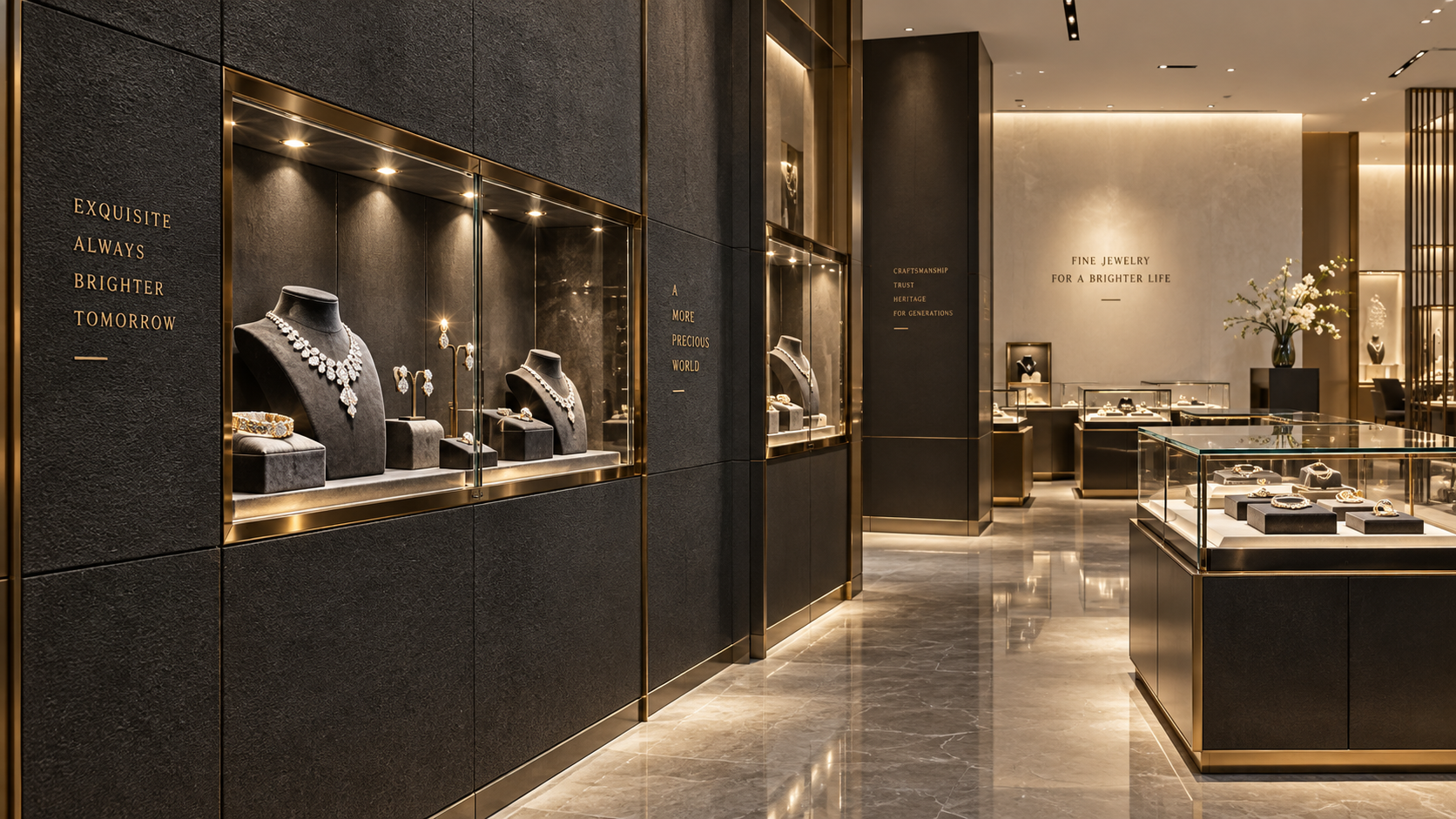
Jewelry Store Wall Panels That Enhance Lighting, Security, and Luxury Displays
Jewelry Store Wall Panels: discover how refined finishes improve lighting, security integration, durability, and luxury displays for a polished retail experience.
Oct 10, 2026
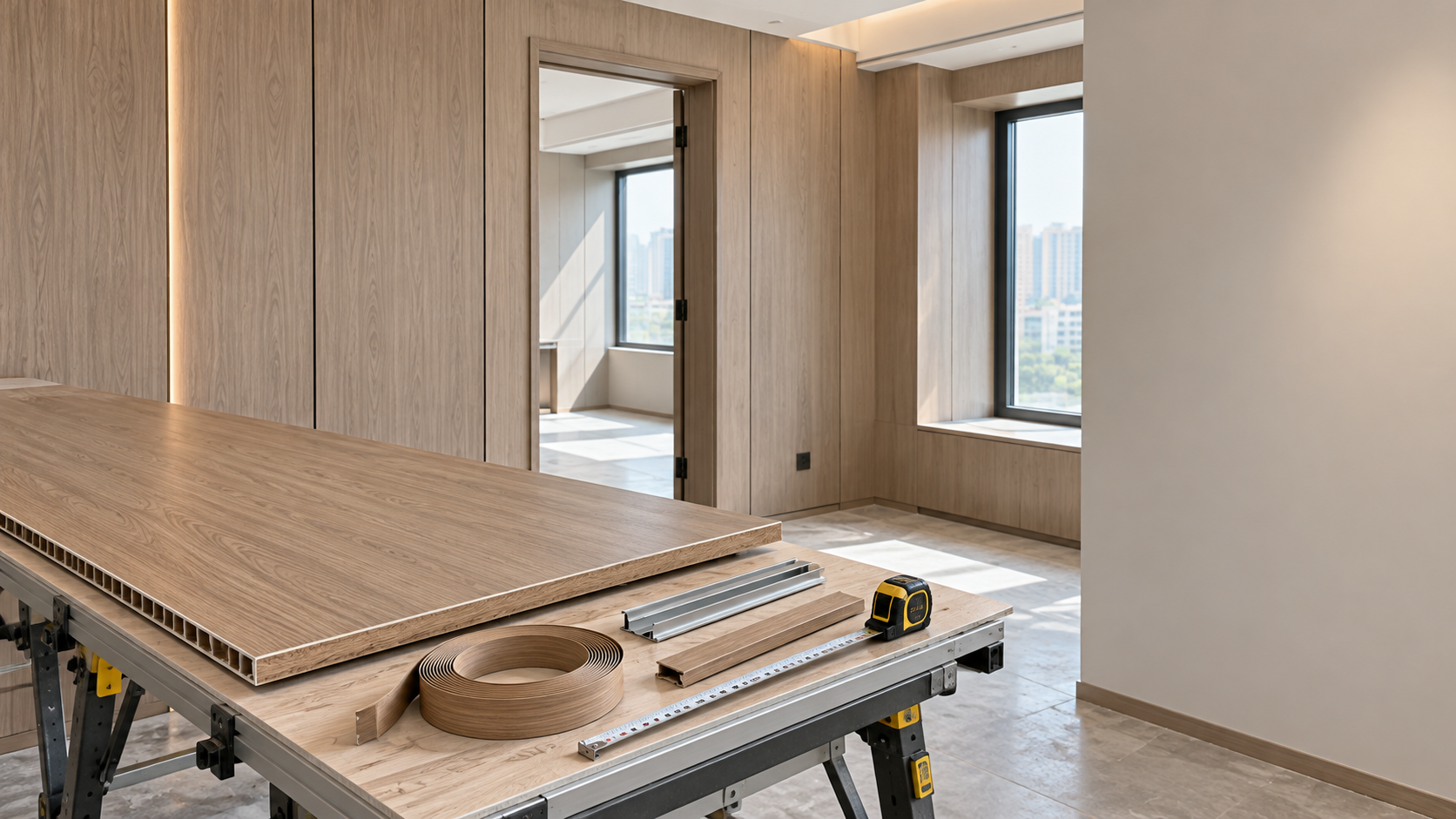
Can Decorative Panels Be Cut to Non-Standard Dimensions?
Cut to size decorative panels for non-standard dimensions—discover how precise measuring, clean cuts, and edge finishing deliver a flawless custom fit.
Oct 10, 2026
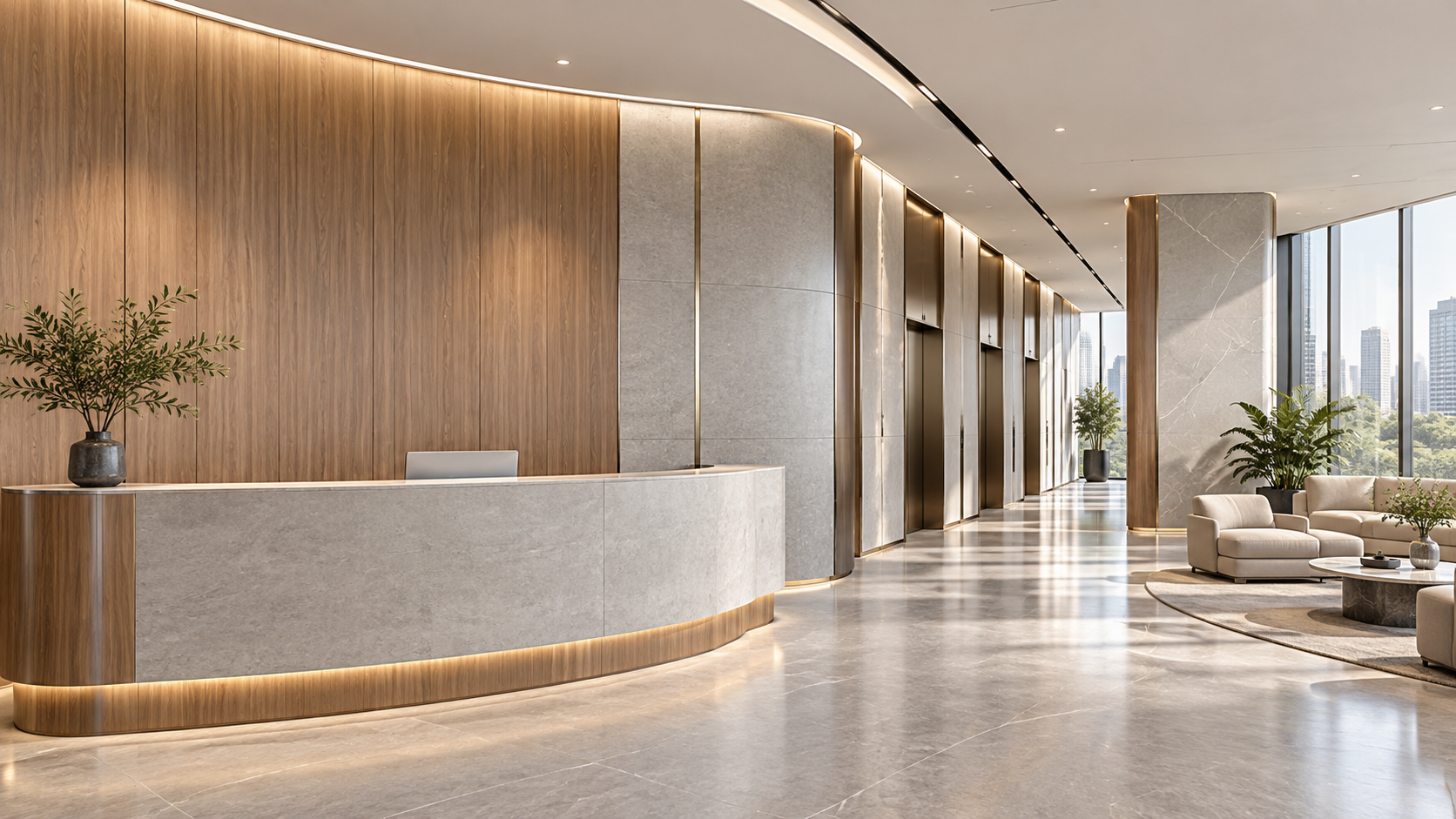
How to Select Decorative Wall Panels for Commercial Interiors
Decorative wall cladding panels commercial interior guide: compare durability, fire performance, moisture resistance, acoustics, and finishes for smarter project choices.