

What architects look for in architectural interior panels today
Many people only realize how much architects care about interior panel selection when a project starts slowing down over details that seemed minor at first. A surface that looked attractive in a sample box may raise questions once it reaches a real drawing set: Is the finish too trend-driven for a long-life interior? Will the substrate behave well around doors, corners, and service areas? Can it support fire-safety expectations without making installation harder? These are not abstract design debates. They affect specification confidence, approval speed, and whether a material is seen as useful for future projects or risky to propose.
If you work close to project sourcing, this becomes a practical problem. Architects rarely ask for “a panel” in a generic sense anymore. They tend to look at Architectural Interior Panels as a combination of visual language, technical reliability, and buildability. When one of those three feels weak, the panel may be excluded early, even if its price or appearance seemed competitive. Understanding this shift matters because market demand is moving toward materials that reduce friction across the whole project process, not only at the moment of design presentation.
Where the hesitation usually starts
A common situation is this: a material gets initial interest because the color or texture fits a concept board, but once architects review the broader context, questions multiply. They want to know whether the finish can work across lobby walls, lift surrounds, corridors, retail partitions, or built-in furniture without looking inconsistent. They also want to avoid specifying something that appears refined in one location but becomes difficult to coordinate in others.
This is where many misunderstand the current market. It is easy to think architects are only chasing a new aesthetic trend. In practice, they are often trying to protect project continuity. They need surfaces that can move across different interior zones while still supporting a coherent material story. That is why tone stability, texture realism, edge treatment potential, and compatibility with different panel constructions have become part of the conversation.
When people say architects are “more demanding” about Architectural Interior Panels, that usually means they are evaluating risk earlier. They are asking whether a panel can satisfy design intent without creating downstream trouble for contractors, fabricators, or owners.
Looks still matter, but not in the old way
Design remains the first filter, but the criteria have changed. A striking finish alone is no longer enough. Architects often look for surfaces with enough character to support branding or spatial identity, yet enough restraint to age well. Overly artificial patterns, exaggerated gloss, or textures that feel disconnected from the intended environment can quickly weaken confidence.
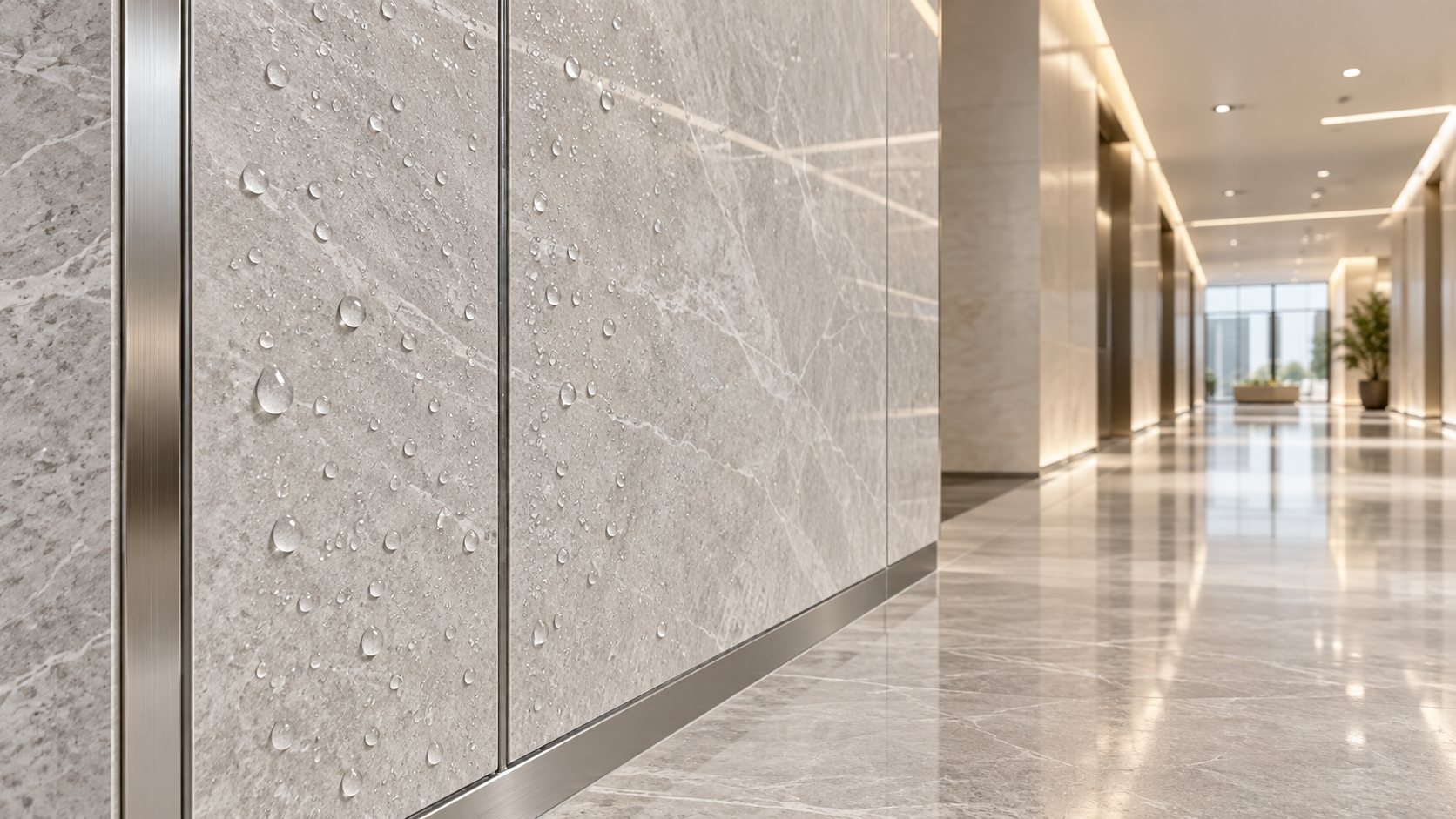
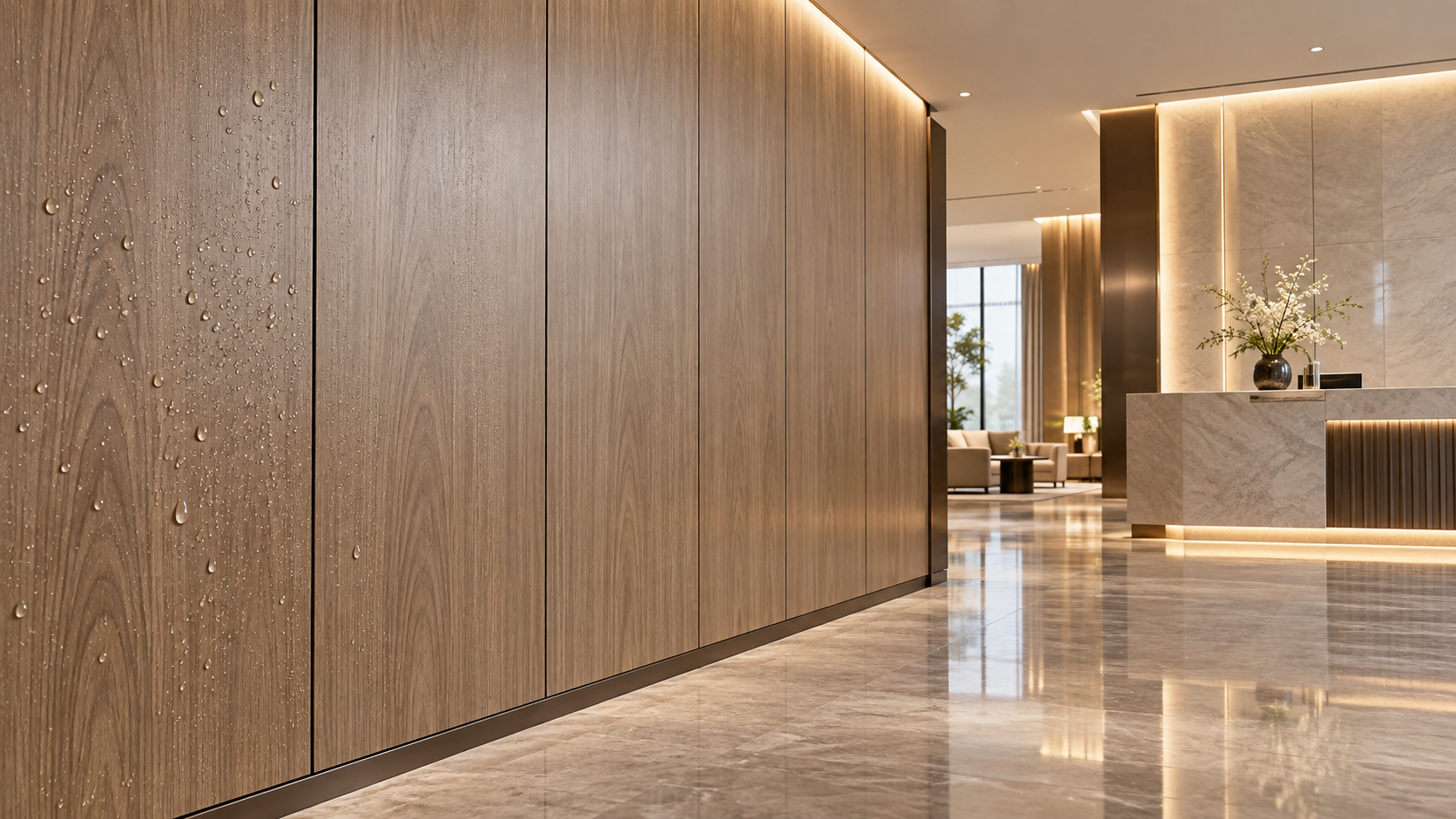
Natural-looking finishes continue to attract attention because they help interiors feel grounded. That does not mean every project wants the same woodgrain, stone effect, or industrial tone. It means the finish should feel intentional and easy to place within a broader design system. In hospitality-inspired offices, mixed-use public interiors, and commercial spaces that need warmth without excess ornament, rustic or weathered visual cues can work well when they are controlled rather than theatrical.
In that context, some buyers pay attention to decorative film options that can support a panel program without forcing a full material reset. A finish such as Rust-Rustic Charm Film No.3 may enter the discussion not as a trend item, but as one possible way to achieve a warm, aged character on interior surfaces where the design team wants texture depth without relying on heavy construction changes. The point is not that one finish suits every project; it is that architects are watching closely for finishes that can express mood while still fitting practical panel applications.
Fire performance is no longer treated as a late-stage checkbox
Another change is that fire-related concerns are moving earlier into material review. In the past, some teams would focus first on appearance and then try to reconcile technical performance afterward. That approach often creates rework. Today, architects tend to ask sooner whether a panel system can align with the fire-safety expectations of the intended space, especially in public interiors, circulation zones, and fit-outs where specification scrutiny is high.
This does not mean every conversation becomes a technical deep dive from the first meeting. It means architects want fewer surprises. If a decorative surface requires a specific substrate, adhesive, backing, or installation method to meet project expectations, they prefer to know that at the start. Materials that appear simple on paper but become complicated when fire-related requirements are added can lose momentum quickly.
For anyone handling product selection or channel supply, this creates a useful lesson: the panel discussion is stronger when finish options are presented together with realistic application logic. A beautiful surface may still be relevant, but it needs to be framed within a system the project team can understand and trust.
Sustainability questions have become more detailed
There is also a noticeable difference in how environmental concerns are discussed. Broad claims are less persuasive than they used to be. Architects increasingly look for signs that a material choice supports healthier interiors, responsible use of resources, and longer service life. They are often less interested in vague promises than in whether a panel helps reduce replacement frequency, unnecessary processing, or avoidable site waste.
This affects specification conversations in subtle ways. For example, a finish that allows a standard panel base to achieve a more refined appearance may be attractive if it supports efficient fabrication and reduces the need for more resource-intensive alternatives in certain areas. Likewise, surface durability matters because sustainable intent becomes weak if the material has to be replaced early due to wear, fading, or maintenance problems.
Architects are also paying attention to whether suppliers understand these questions in practical terms. They do not always need a speech about environmental responsibility. Sometimes they simply want clear answers about suitable applications, expected maintenance behavior, and whether the material can be used consistently across multiple interior elements.
Installation efficiency has moved into the design conversation
One of the biggest market shifts is that ease of installation is no longer seen as only the contractor’s concern. Architects know that difficult detailing, inconsistent panel quality, or awkward finishing steps can affect schedule pressure and final visual results. If a panel system demands too much correction on site, the design intent may suffer no matter how good the sample looked.
This is why they often ask questions that seem unusually practical for a design-led discussion. Can the material be fabricated cleanly? Does it support repeatable detailing? Will joints, corners, and transitions look controlled? Is the finish forgiving enough for real-world installation conditions, or does it expose every small inconsistency?
When these points are not addressed, projects may drift toward more familiar materials even if those are less visually interesting. The reason is simple: a familiar material with predictable installation behavior often feels safer than a better-looking one that introduces uncertainty.
The common mistake: selling panels as isolated products
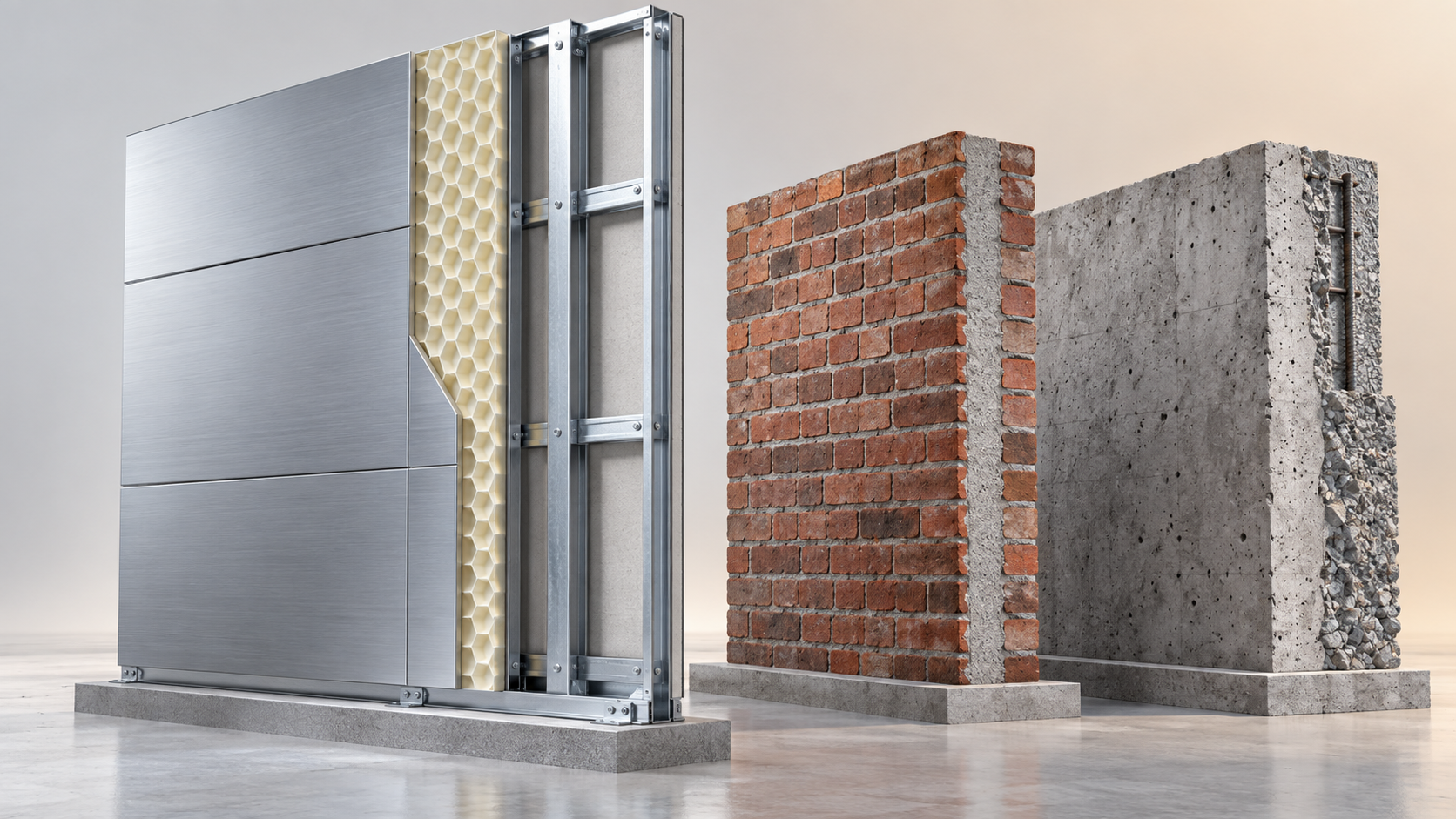
A frequent misunderstanding in the decorative materials market is treating panels as standalone items defined by color cards and dimensions alone. Architects usually evaluate them as part of a layered decision: substrate, finish, edge solution, performance expectations, maintenance profile, and how all of that fits the intended space.
When product conversations stay too shallow, it becomes difficult to answer the questions architects are now asking. A distributor may say a finish is popular, but popularity does not tell a design team whether it will work in a healthcare reception, a branded retail wall, a corporate meeting suite, or a residential common area. The same finish can be suitable in one context and unsuitable in another depending on touch frequency, lighting, cleaning routines, and the degree of visual continuity required.
So the better approach is not to present more finishes at once. It is to frame fewer options more intelligently. That means connecting a panel to a design intention and an application range, then being honest about where it may not be the best fit.
How architects tend to compare options now
When facing multiple Architectural Interior Panels, architects often use a mental filter that blends aesthetics and project control. The first question is whether the panel fits the atmosphere they are trying to create. The second is whether it can survive technical review. The third is whether it can be installed and maintained without undermining the original idea.
This creates a more demanding comparison process than many expect. Two materials may appear similar visually, but one may be favored because it integrates more smoothly with fire-conscious designs or because the finish behaves more consistently across fabricated elements. Another may be selected because it offers a better balance between texture interest and broad usability across interior zones.
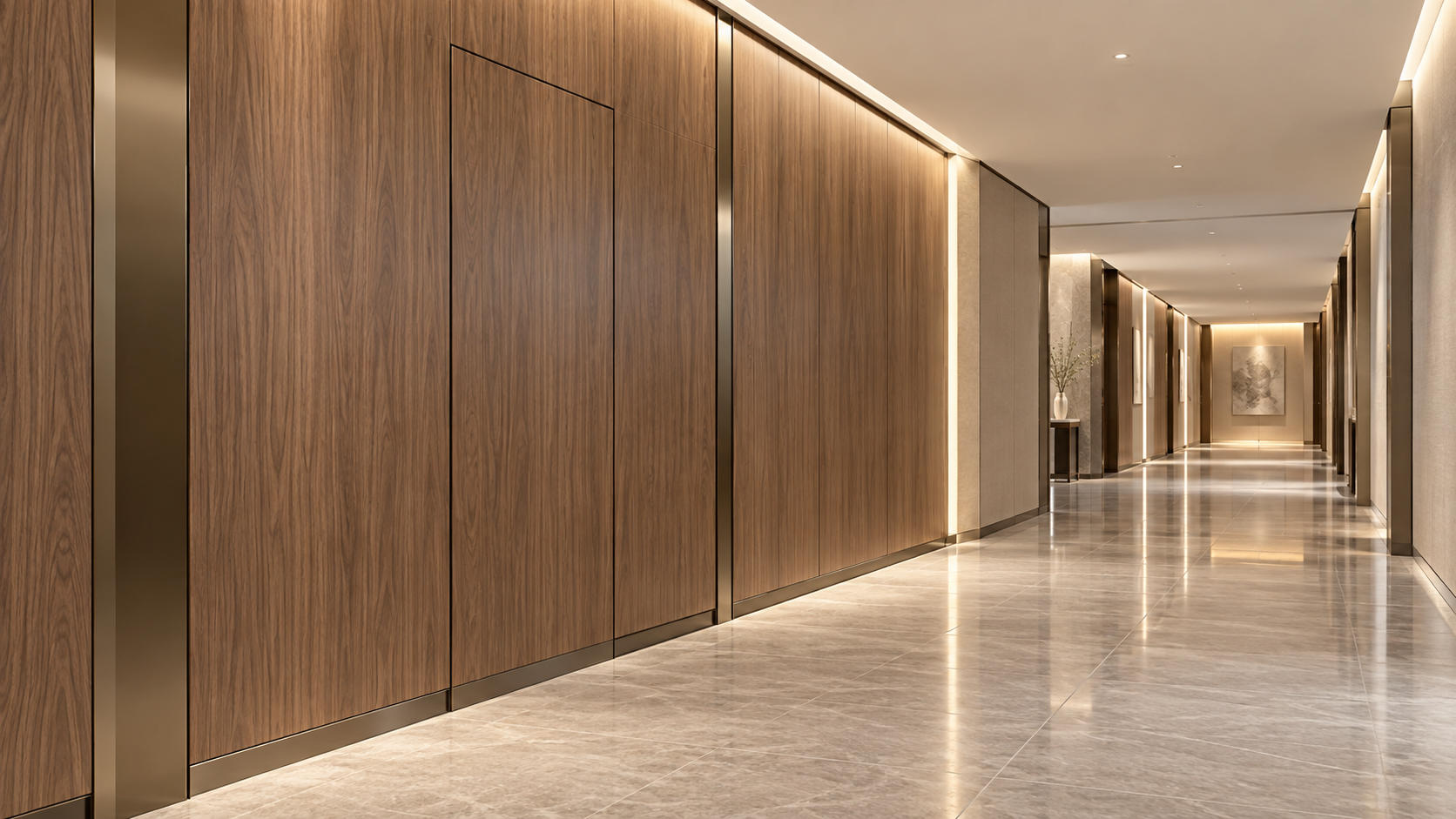
It is also common for architects to reject materials that feel too narrowly defined. A finish that only works as an accent can be useful, but a finish that can move from feature wall to cabinetry, partition details, or trim-related surfaces may have stronger specification potential. Versatility, in this sense, is not about being generic. It is about helping the design team build a coherent space without multiplying material risks.
Reading trend signals without overreading them
Not every project follows the same style direction, but several preferences appear repeatedly in current conversations around interior surfaces. One is the move toward tactile realism. Another is a preference for finishes that feel calmer and more grounded rather than aggressively polished. There is also steady interest in materials that support layered, mixed-material interiors instead of dominating the room by themselves.
At the same time, it would be a mistake to reduce the market to one visual trend. Architects are not all asking for rustic, minimal, dark, light, matte, or textured finishes in exactly the same way. The more reliable trend is actually about decision quality. They want materials that can justify their place in the project from more than one angle.
That is why a product like Rust-Rustic Charm Film No.3 is best understood as part of a broader direction toward expressive yet usable surfaces. It may suit projects seeking warmth, aged character, or a slightly more crafted interior mood, especially where teams want decorative impact through finish selection rather than structural complexity. But its relevance still depends on context, detailing, and the panel program around it.
What makes a material conversation more useful to architects
The most helpful discussions usually begin with the actual space, not with the catalog. Is the project trying to create calm, durability, prestige, comfort, or brand recognition? Which surfaces will be seen from a distance, and which will be touched often? Where are the transition points that often expose material weaknesses? Once these questions are clear, panel options become easier to judge.
Architects also tend to respond better when the limitations are acknowledged early. If a finish is visually strong but better suited to feature areas than heavy-wear zones, that is useful information. If a panel system requires closer coordination around edges or interfaces, saying so up front can actually build trust. The market is crowded with decorative claims; straightforward technical honesty stands out more than polished language.
For those trying to follow demand patterns, this is probably the clearest takeaway: today’s panel choices are being shaped by fewer isolated preferences and more interconnected priorities. Design flexibility matters because spaces are more varied. Fire awareness matters because late changes are costly. Sustainability matters because broad claims are no longer enough. Installation efficiency matters because buildability affects final design quality.
Architectural Interior Panels that fit this environment are not necessarily the most dramatic or the cheapest. They are the ones that help project teams move from concept to specification with fewer doubts. If you are evaluating where the market is heading, that is the shift worth watching most closely.
RECOMMEND

Oct 01, 2026
Are Lightweight Composite Wall Panels Lighter Than Traditional Materials?
Lightweight composite wall panels vs traditional materials weight: compare kg/m², installation benefits, and key fire, fixing, and code factors.
Sep 30, 2026
How to Select Fireproof Waterproof Wall Panels for Commercial Spaces
Luxury interior wall panels with stone texture finish options: learn how to select fireproof, waterproof systems for durable, elegant commercial spaces.
Sep 29, 2026
How Reliable Is Meilin Board for OEM Commercial Interior Panels?
Fireproof waterproof composite wall panels for commercial spaces: discover how Meilin Board supports reliable OEM interiors with customizable finishes, quality control, and durable performance.
Sep 30, 2026
What Can Shengshi Meilin Deliver for Custom Hotel Panel Projects?
Meilin Board OEM panel manufacturing reliability for commercial interiors: discover how Shengshi Meilin supports custom hotel panels with repeatable finishes, coordinated materials, and delivery control.