What Is the Minimum Order Quantity for Custom Decorative Panels?
What Is the Minimum Order Quantity for Custom Decorative Panels?
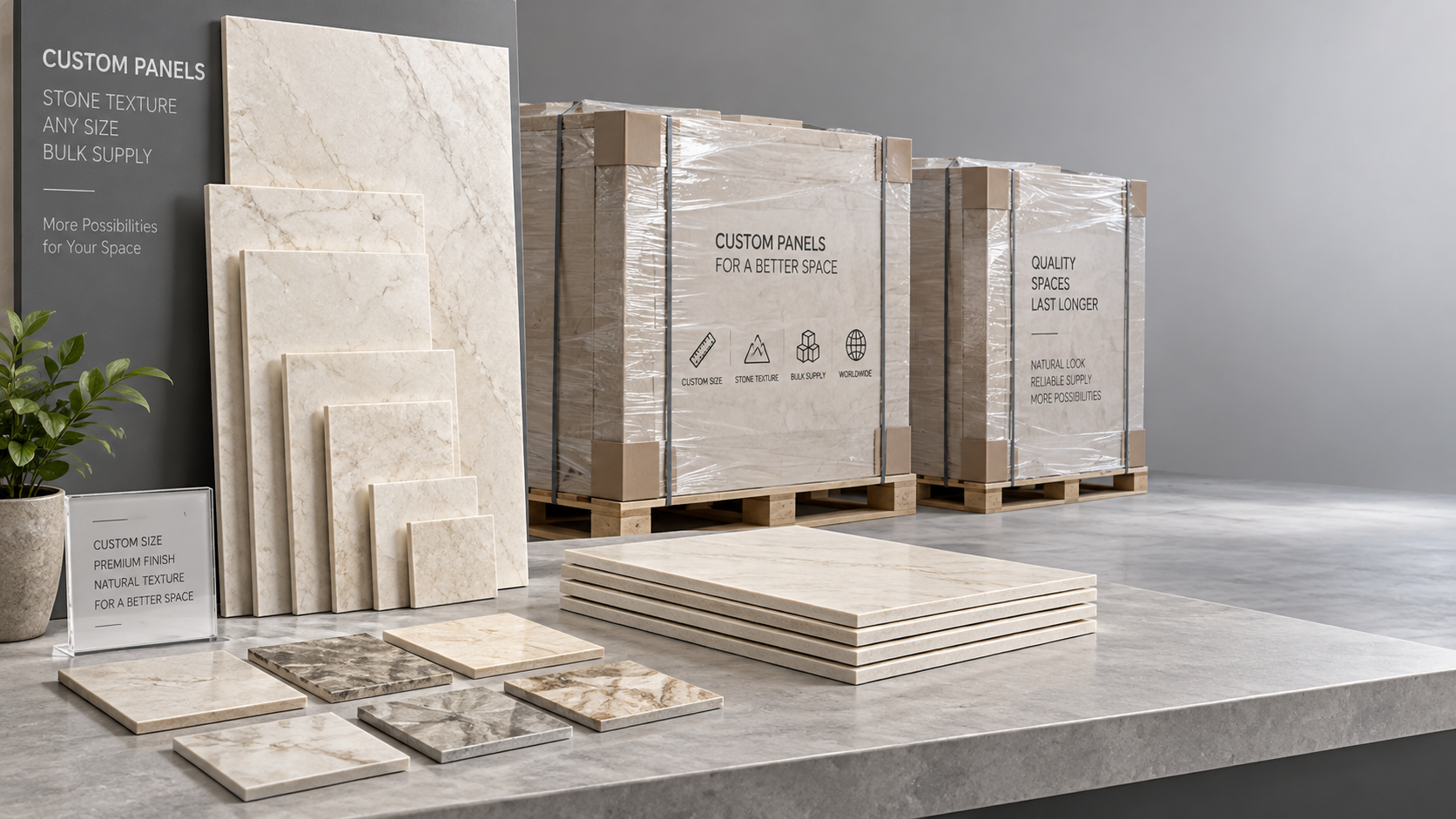
Ordering custom decorative panels starts with a practical question: how many do you need to buy? There is no universal minimum order quantity, or MOQ. The answer depends on what “custom” means: cutting an existing panel to size is a different production task from developing a new surface texture, color, or molded profile.
For bathrooms, kitchens, and other moisture-prone spaces, another question matters: can decorative wall cladding panels be used in wet areas? That decision should come before the order quantity is finalized. A low MOQ is not much help if the selected panel, joint detail, or adhesive is unsuitable for the intended exposure.
The useful starting point is therefore not a guessed panel count. It is a clear specification, an installation location, and a request for the supplier’s minimum production quantity for that exact combination.
Is there a standard MOQ for custom decorative panels?
No. Suppliers may quote their minimum in pieces, square meters, full sheets, cartons, or production batches. Some also apply a minimum order value or a separate setup charge. These terms are not interchangeable, so a quotation should state both the quantity and the unit used.
An MOQ may apply to each color or finish rather than to the order as a whole. A project with several decorative surfaces can therefore meet the supplier’s total order threshold while still falling below the minimum for one finish. Ask whether different dimensions or patterns can share a production batch; do not assume they can.
No verified MOQ schedule is available here for Shenyang Shengshi Meilin Technology Co., Ltd. Its minimum should be confirmed against the requested material, finish, dimensions, and quantity. A single figure presented without those details would be misleading.
Which customization choices change the minimum?
The closer a request stays to an existing product, the easier it may be to accommodate a smaller order. Standard panels cut to project dimensions can involve additional machining without requiring a new material formulation or surface-production run. However, cutting feasibility still depends on the panel construction, edge treatment, and equipment.
A new color or decorative layer introduces different constraints. The factory may need to source a dedicated film, mix a coating, approve a print, or prepare finishing equipment. The minimum for an upstream material can influence the finished-panel MOQ, even when the panel manufacturer itself could process fewer pieces.
Custom relief patterns, profiles, and molded components may require tooling. Here, the distinction between tooling cost and minimum production quantity matters. Paying for a mold does not necessarily remove material-batch requirements. Conversely, a supplier might accept a smaller run with separate development charges, if its process allows it.
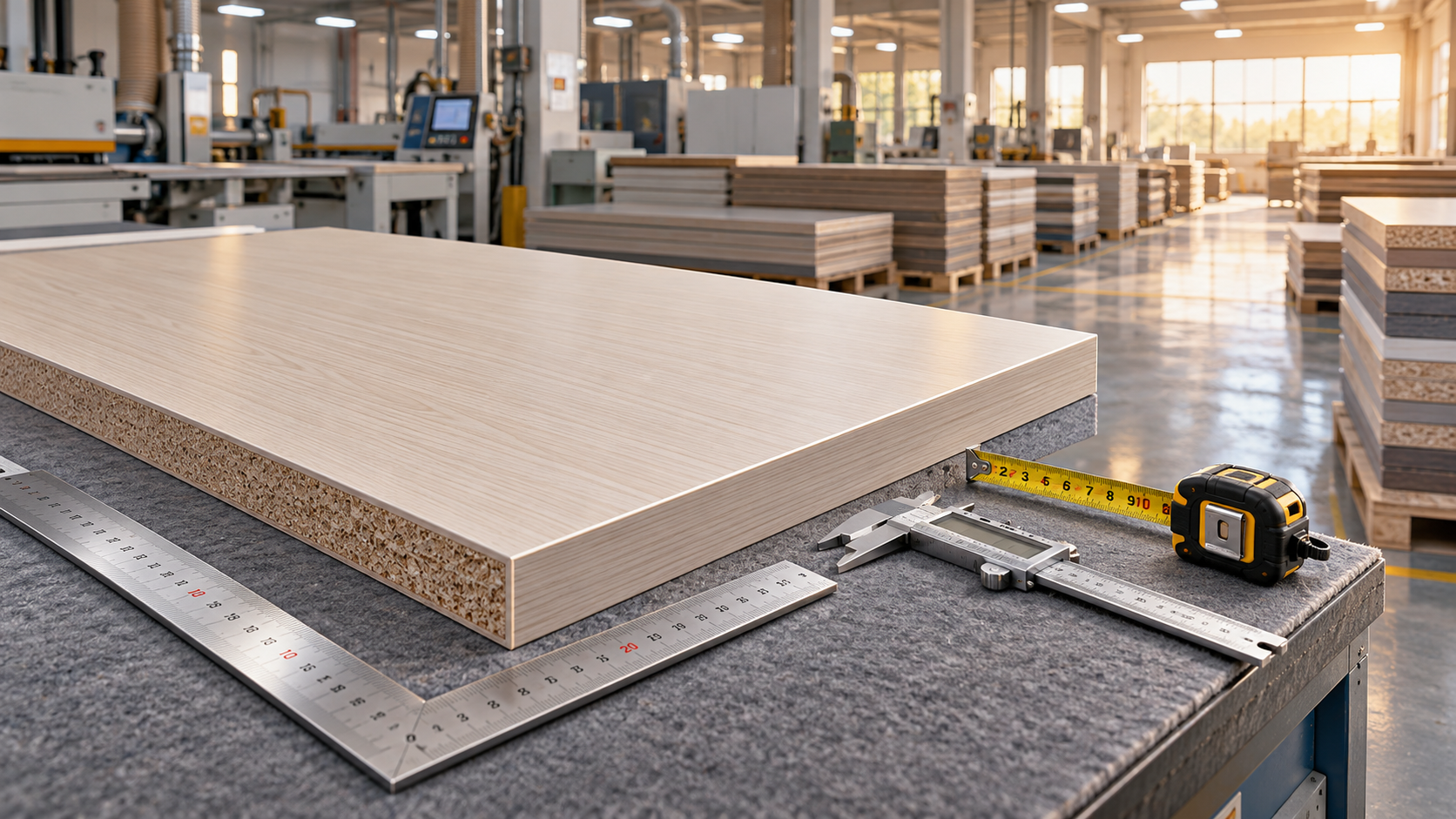
Dimensions also affect yield. A panel size chosen to eliminate a visible joint may leave substantial waste when cut from the available parent sheet. Before insisting on an exact size, ask whether a modest dimensional adjustment would improve material use without compromising the design.
Can you order below the stated minimum?
Sometimes, but it is a commercial and production discussion, not an automatic entitlement. A supplier may offer an existing finish, a stock-size panel, a paid trial run, or a small quantity with a setup surcharge. These alternatives need confirmation; they should not be treated as promised services.
For a small feature wall, keeping the substrate and finish standard while customizing the layout can be more practical than commissioning a completely new panel. The design still gains character through joint placement, orientation, trims, and lighting, without making every component bespoke.
Compare the total project cost rather than only the unit price. A smaller custom run may cost more per panel but avoid unused inventory. Buying enough to reach a lower unit price can be poor value if the surplus has no realistic use and requires dry, protected storage.
Does a sample order count toward the MOQ?
Not necessarily. A finish swatch, prototype, and production panel serve different purposes. A small swatch can help approve appearance, but it cannot show how a full-size panel behaves at joints, around cutouts, or under the project’s lighting. Confirm sample charges, dimensions, and whether any fees are credited against a later order.
For patterned surfaces, review enough material to understand repetition and alignment. For wet-area installations, a representative joint-and-edge mock-up is more useful than judging the decorative face alone.
Can decorative wall cladding panels be used in wet areas?
Some can, but suitability belongs to the specific panel system—not to decorative wall cladding as a category. A bathroom wall outside the splash zone, a kitchen backsplash, and a shower enclosure present different exposure conditions. Heat, cleaning products, standing moisture at edges, and ventilation can all affect the choice.
The important distinction is between a moisture-resistant decorative surface and an assembly suitable for direct water exposure. A panel face may resist splashes while its core, cut edges, or backing remain vulnerable. Even a water-resistant panel does not automatically make the wall behind it waterproof.
Ask the supplier to identify the intended application in writing. “Suitable for bathrooms” is too broad if the actual location is inside a shower. Product instructions should clarify whether direct spray is permitted, how joints and penetrations are treated, and whether a separate waterproofing layer is required. Local building requirements also need checking.
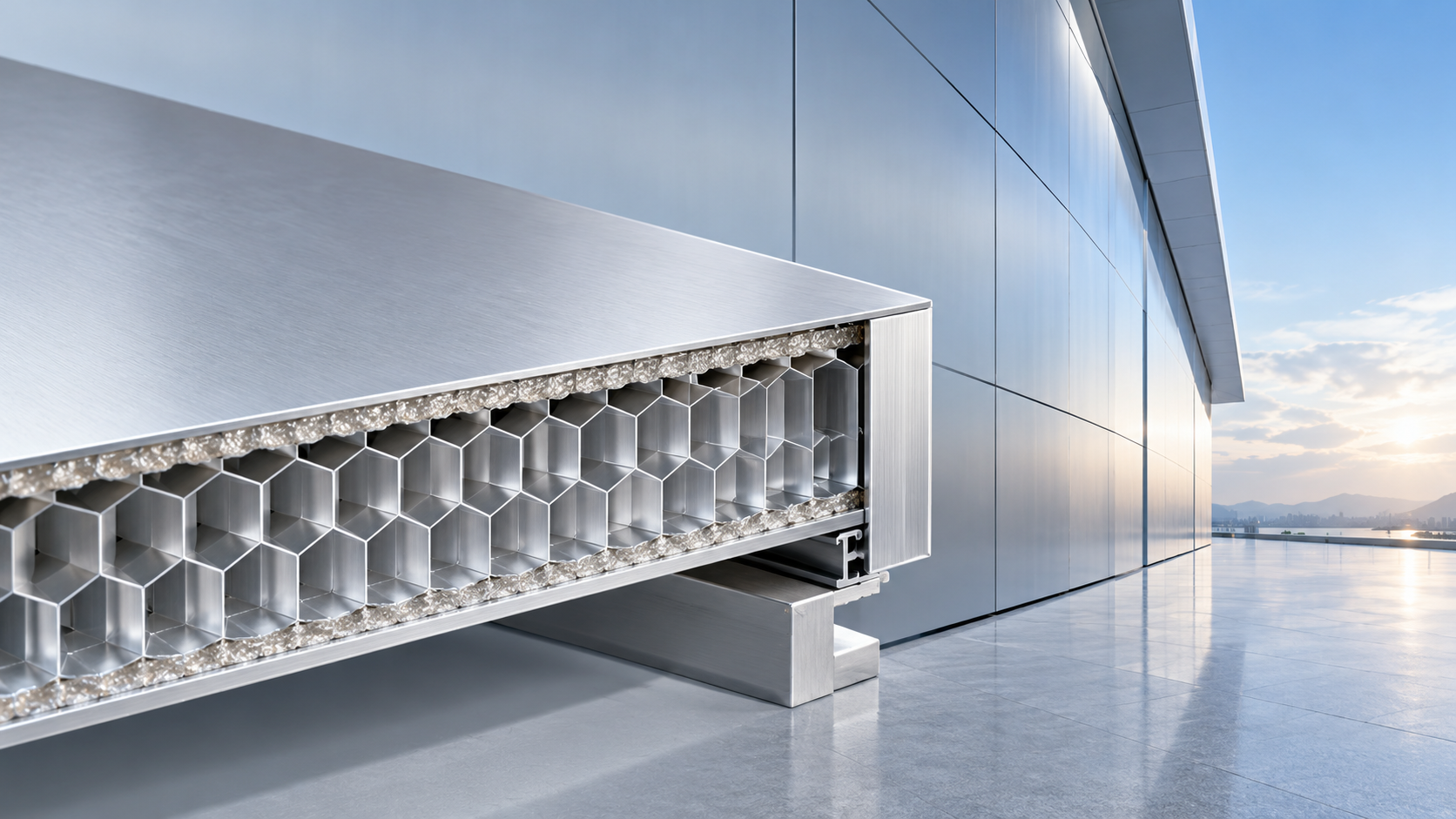
Material names are only a starting point. Wood-based cores need particular scrutiny at exposed edges; polymer-based products still require checks for temperature limits and movement; metal-faced or composite panels need compatible finishes, adhesives, and detailing. None should be approved solely because the face looks impermeable.
How does wet-area installation affect the order quantity?
Wet-area detailing can change both the panel specification and the number of components ordered. Larger panels may reduce joints, but they can be harder to transport, maneuver, and fit around plumbing. Smaller panels are easier to handle but introduce more joints to detail and maintain. There is no universally better option.
Corners, exposed ends, pipe penetrations, and transitions to other finishes need attention before purchasing. If these details require factory-treated edges or dedicated profiles, they belong in the quotation. Site cutting may remove an edge treatment, so confirm how newly cut edges must be protected.
Do not select adhesive and sealant as afterthoughts. Their compatibility with the panel backing, substrate, waterproofing layer, and exposure conditions should be checked. Where fire-rated construction is involved, a product described as a fireproof sealing material is not automatically interchangeable with a wet-area joint sealant; each application needs its own supporting documentation.
Order accessories alongside the panels where possible, but check their minimums separately. A panel order can be sufficient while a matching corner trim or custom profile remains below its production minimum.
How much should you buy beyond the measured wall area?
Use a panel layout rather than wall area alone. Dividing the total wall area by one panel’s area ignores cutting losses, pattern direction, joint positions, and unusable offcuts. Openings do not always reduce purchasing quantities proportionally: a window cutout may come from a full panel whose remainder cannot be reused.
A practical calculation is: panels required by the layout, plus identified cutting losses and agreed spares, then adjusted to the supplier’s packing or production increments. The spare allowance should reflect the design and replacement risk, rather than a percentage applied without checking the drawings.
For a distinctive custom finish, keeping replacement material from the original batch can be sensible. A later order may face the same MOQ again, and an exact visual match may not be achievable. Confirm storage instructions and label retained panels with the finish reference and batch details where available.
What should you send with a quotation request?
Shenyang Shengshi Meilin Technology Co., Ltd., based in Shenyang, Liaoning Province, focuses on new-material research, development, and application. Its business spans materials, fireproof sealing materials, furniture, and home furnishings. That background provides context for a project discussion, but it does not establish the performance or MOQ of an unspecified panel.
To request a useful quotation, provide:
- Wall elevations, proposed panel dimensions, and quantities separated by finish.
- The material or construction required, with appearance references and pattern direction.
- The installation location, including direct water exposure, heat, and expected cleaning methods.
- Edge, corner, joint, and penetration details, including required accessories.
- The delivery destination, access constraints, and required installation date.
- The documentation needed for moisture performance, fire performance, emissions, or other project requirements.
Ask the response to distinguish the production MOQ, packing quantity, sample costs, tooling charges, and lead time. Also confirm what starts the lead-time clock: order acceptance, drawing approval, sample approval, or another agreed milestone.
Before committing, resolve two questions in writing: is the exact panel assembly suitable for the intended location, and what minimum applies to each specified finish? Once those are clear, the purchasing quantity can follow the layout and spare-material plan—not an attractive unit price or an assumed factory minimum.
RECOMMEND

Oct 25, 2026
How Strong Are Meilin Board Aluminum Honeycomb Panels?
Explore aluminum honeycomb panels structural strength with Meilin Board. Learn how thickness, core design, and fixings affect performance to choose panels confidently.
Oct 24, 2026
What Cutting Tolerances Can Buyers Expect from Meilin Board Panels?
Cut to size panel processing precision tolerance: discover what to specify for Meilin board panels, avoid costly fit issues, and order with confidence using our buyer’s guide.
Oct 23, 2026
Construction Materials for Coastal Interiors: Moisture and Corrosion Checks
Choose Construction Materials for coastal interiors with confidence. Explore moisture, corrosion, and compatibility checks to protect finishes and reduce costly repairs.

Oct 22, 2026
Choosing Home Furnishing Materials for Humid Homes: MDF, Plywood, or PVC?
Choosing Home Furnishing Materials for a humid home? Compare MDF, plywood, and PVC for moisture resistance, strength, and cost—and discover how to avoid costly cabinet damage.