

What Are the Benefits of Using Sustainable Materials in Private Label Panel Production?
In private label panel production, the shift toward sustainable materials is no longer a niche preference—it is becoming a structural requirement. Market data and supply chain signals consistently point to the same direction: buyers and specifiers increasingly prioritize environmental performance alongside traditional metrics like strength, durability, and cost. Understanding the real benefits of this transition requires looking beyond general statements about “green” and examining how sustainable materials change the actual production logic, product performance, and market positioning.
Material Selection and Its Direct Impact on Panel Performance
Sustainable materials in panel production are not a single category. They range from rapidly renewable biomass sources like agricultural straw and bamboo to recycled wood fibers, post-consumer plastic composites, and low-emission resin systems. The key benefit that directly affects production quality is the consistency of raw material properties. For instance, agricultural residues such as wheat straw or rice husk have a more uniform fiber structure compared to mixed virgin wood, which can contain variable density, moisture content, and knot distribution. This uniformity translates into more predictable pressing cycles, reduced waste from off-spec panels, and fewer adjustments during lamination or coating.
Another often overlooked advantage is the reduced thermal load during processing. Many sustainable binders, such as methylene diphenyl diisocyanate (MDI) or bio-based adhesives, cure at lower temperatures and shorter press times than conventional urea-formaldehyde resins. This not only cuts energy consumption but also minimizes internal stresses in the panel, resulting in better dimensional stability after installation. For private label producers who supply panels for high-humidity environments like kitchens or bathrooms, this difference can significantly reduce the rate of edge swelling and delamination complaints.
Supply Chain Resilience and Cost Predictability
One of the less discussed but critical benefits of sustainable materials is the stability of supply chains. Conventional wood panel production relies heavily on a limited number of species and regions, making it vulnerable to price spikes from logging restrictions, transportation disruptions, or weather events. In contrast, sustainable raw materials often come from diversified sources—agricultural waste streams, managed bamboo plantations, or recycled feedstock. These supply chains are typically shorter, more localized, and less exposed to global commodity volatility.
For private label producers, this means more predictable monthly costs and fewer emergency substitutions. A panel line that can switch between different bio-based fiber sources without retooling gains a negotiating advantage over competitors locked into a single virgin wood supply. The ability to maintain consistent pricing to private label clients over multiple quarters is a tangible business benefit that directly impacts contract renewals and margin stability.
Regulatory Compliance Without Retrofit
As building codes and environmental regulations tighten across North America, Europe, and parts of Asia, the compliance burden on panel manufacturers is increasing. Sustainable materials often come with pre-certified low-emission profiles, such as CARB Phase 2 or EPA TSCA Title VI compliance in the U.S., or E1 and E0 standards in Europe. Using these materials from the start eliminates the need for post-production treatment, surface sealing, or extended storage periods to off-gas volatile organic compounds.
This is particularly relevant for private label producers who serve multiple markets with different regulatory thresholds. A panel made with a sustainable, low-formaldehyde binder can be sold into any region without reformulation. The cost savings from avoiding separate production runs or inventory segregation are substantial, and the risk of a batch being rejected at customs or at a job site is nearly eliminated. Compliance becomes a feature of the base material, not an add-on.
Waste Reduction and Production Yield
Sustainable materials often require less trimming and edge sanding. For example, panels made from recycled wood fibers or agricultural residues tend to have a more homogeneous density profile, which reduces the occurrence of soft spots or hard edges. This directly improves the yield of usable sheets per production run. In a typical medium-density fiberboard (MDF) line, yield improvements of 5–8% are achievable simply by switching to a more uniform, sustainably sourced fiber mix. Over a year of continuous production, that translates to thousands of additional saleable panels from the same raw material input.
Additionally, the waste generated during production—such as dust, edge trim, and off-spec panels—can often be recycled back into the process if the material is free from toxic additives. This closed-loop potential reduces landfill costs and raw material procurement. For private label operations that are not vertically integrated, this can be a distinguishing factor when pitching to large retailers or contractors who have their own sustainability targets.
Market Differentiation Through Tangible Performance Claims
End-users are becoming more sophisticated in evaluating panel materials. General claims of “eco-friendly” no longer carry weight. Instead, specifiers look for specific performance attributes linked to sustainable materials: lower formaldehyde emissions, higher recycled content percentages, certified renewable sourcing, and improved moisture resistance. Private label panel producers who can document these attributes on their product data sheets gain an advantage in commercial bids, especially for projects targeting LEED, BREEAM, or WELL certification.
One practical example is the use of bamboo-based panels. Bamboo matures in 3–5 years versus 20–30 years for most softwoods, and its fiber density is naturally higher. Panels made from bamboo strands or mats exhibit superior screw-holding capacity and impact resistance compared to equivalent-weight wood panels. For a private label client selling into the cabinet or shelving market, this performance difference justifies a higher price point and reduces the risk of field failures. The sustainability story supports the performance claim, not the other way around.
Processing Compatibility and Tooling Wear
A concern that frequently arises in production discussions is whether sustainable materials cause excessive tool wear or require slower machining speeds. The answer depends on the specific material. Panels with high recycled content, especially those containing post-consumer plastics or mineral fillers, can accelerate carbide tool dulling. However, many modern bio-based panels—such as those made from wheat straw or hemp shiv—are actually softer on tooling than conventional wood panels because they contain less silica and abrasive contaminants.
For private label producers, this means that switching to certain sustainable materials can reduce tooling replacement costs by 10–15% over a year, while maintaining or even increasing feed rates. The key is to match the material composition to the specific machining operation. For example, panels intended for CNC routing or edge profiling benefit from a binder system that produces a clean, chip-free edge without excessive heat buildup. MDI-bonded panels, which are increasingly common in sustainable panel lines, exhibit this behavior well, reducing the need for secondary sanding or edge banding on tight-tolerance parts.
Moisture and Thermal Performance in Real-World Applications
The performance of a panel in service is ultimately what determines its value to the end user. Sustainable materials often have different hygroscopic behavior than traditional wood panels. For instance, panels made with a high proportion of agricultural fibers tend to have a lower equilibrium moisture content (EMC) than wood-based panels under the same relative humidity conditions. This means they expand and contract less with seasonal changes, reducing the risk of gaps, warping, or fastener loosening in furniture and cabinetry.
In fire-rated assemblies, certain sustainable materials offer inherent advantages. Panels made with mineralized wood fibers or magnesium oxide binders can achieve Class A fire ratings without additional chemical treatments. For private label producers supplying panels for commercial interiors, school furniture, or healthcare facilities, this eliminates the need for secondary fire-retardant application, which can add cost, weight, and lead time. The material itself meets the specification, simplifying the certification process and reducing the number of variables that need to be controlled during production.
Practical Considerations for Material Transition
Shifting to sustainable materials is not without its challenges. The initial cost of bio-based resins or certified recycled fibers can be higher than conventional options. However, the total cost of ownership—including waste reduction, energy savings, compliance avoidance, and reduced tooling wear—often offsets the premium. The break-even point varies by production volume and local energy costs, but for a typical private label panel line operating at 60–70% capacity, the payback period is usually between 12 and 18 months.
Another important factor is the compatibility of sustainable materials with existing finishing systems. Some bio-based panels have a slightly different surface pH or porosity, which can affect paint adhesion, UV coating cure, or foil lamination. A simple surface pretreatment or a minor adjustment in the primer formulation usually resolves this, but it requires upfront testing. Producers who perform this qualification work before committing to a full production run avoid the most common pitfalls: delamination, blistering, or color variation in the final product.
For private label operations that serve multiple clients with different aesthetic requirements, the ability to offer a standard sustainable substrate that accepts a wide range of finishes—from high-gloss lacquers to textured thermofoil—is a distinct operational advantage. It reduces the number of SKUs in inventory and simplifies the supply chain. A single substrate like Metal-MLJS9038 can be specified across multiple product lines, each with a different surface treatment, while maintaining consistent structural performance and environmental credentials.
The decision to adopt sustainable materials in private label panel production is ultimately a strategic one. It affects not only the environmental footprint of the product but also the operational efficiency, regulatory risk, and competitive positioning of the manufacturer. The benefits are real and measurable, provided the material selection is aligned with the specific production process, application requirements, and market expectations. For information seekers evaluating this transition, the focus should be on the variables that directly affect their own operation: raw material consistency, supply chain stability, yield improvement, and certification costs. These factors, more than any general sustainability narrative, determine whether the shift is a net gain.
RECOMMEND

Oct 27, 2026
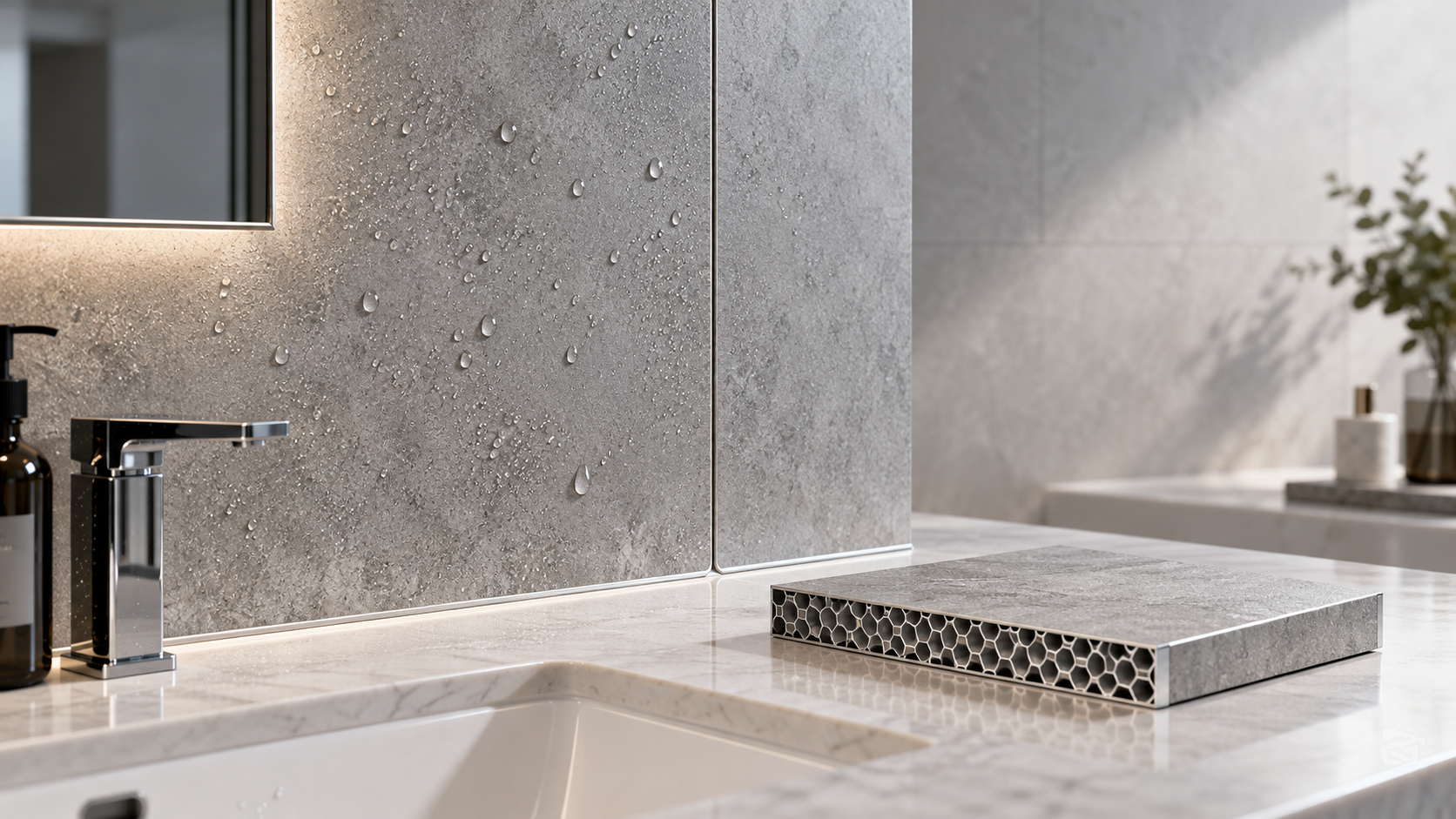
Are Aluminum Honeycomb Panels Moisture-Resistant Enough for Bathrooms?
Explore aluminum honeycomb panel moisture resistance for bathrooms. Learn how finishes, sealed edges, and waterproofing help you choose suitable panels for walls, ceilings, and showers.
Oct 27, 2026
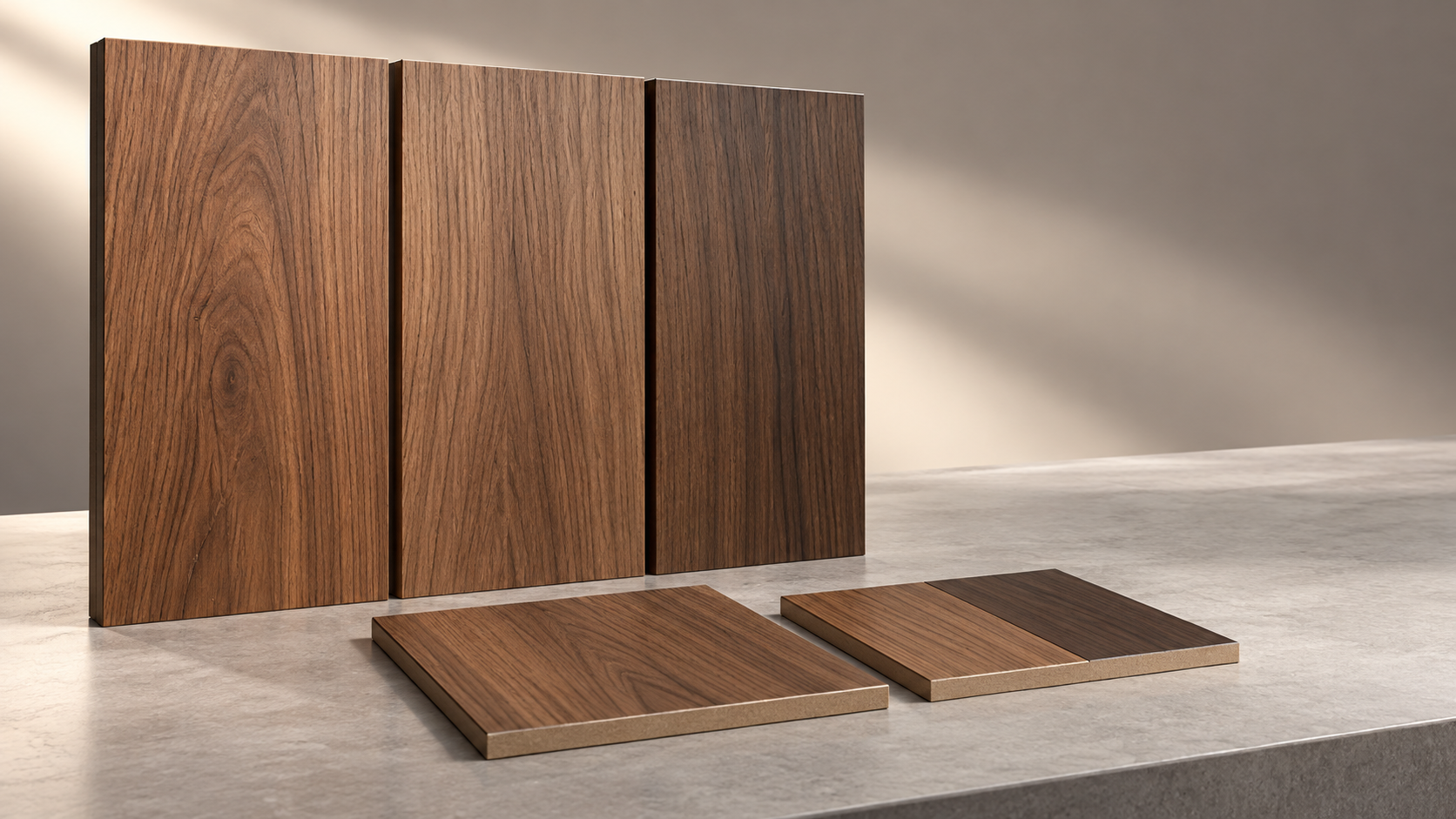
How Are Custom Veneer Panels Color-Matched for High-End Interiors?
Explore custom veneer panels color matching for high-end design. Discover how veneer selection, finishes, and lighting create cohesive, luxurious interiors.
Oct 26, 2026
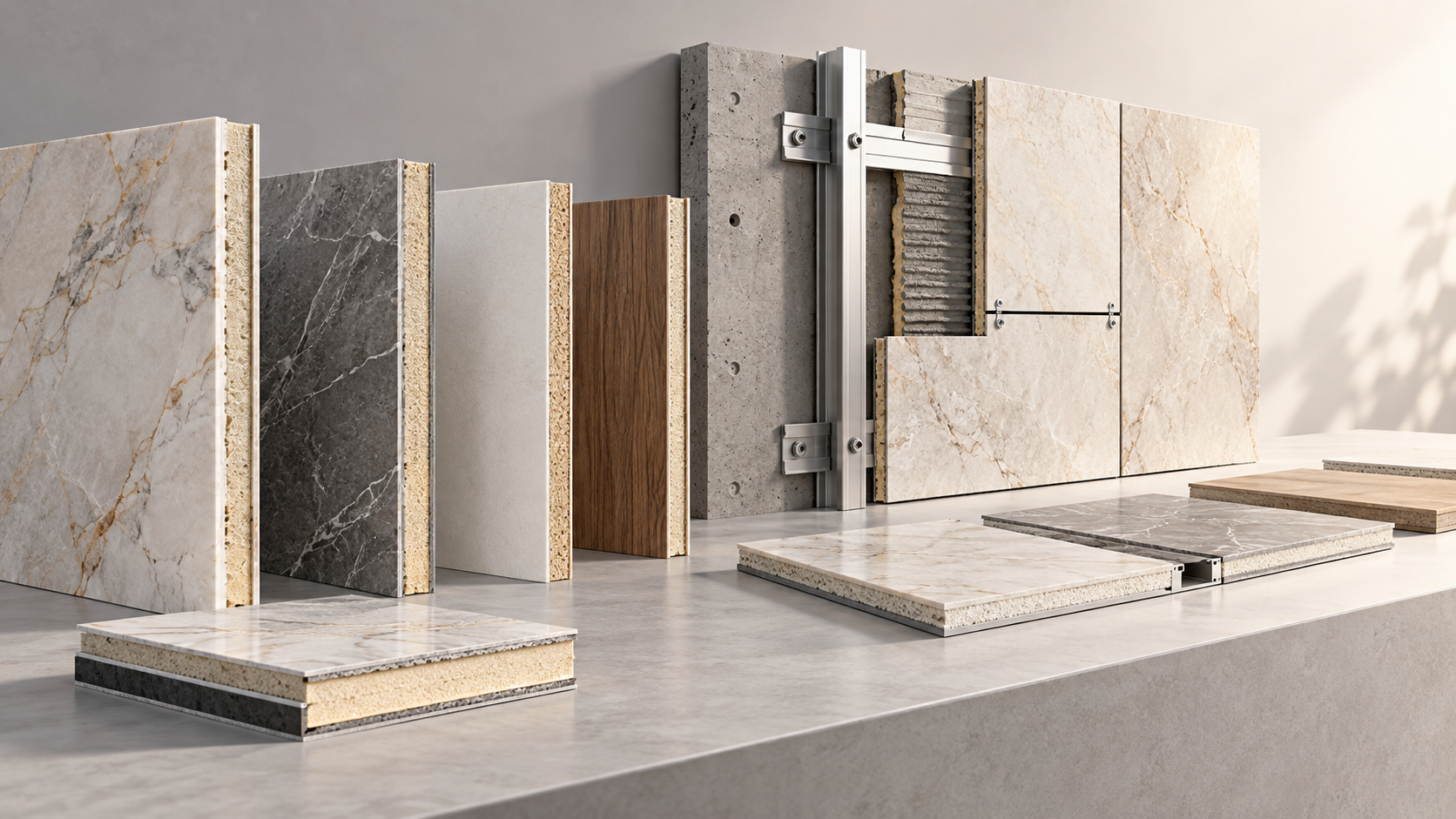
How Do You Choose Fire-Resistant Composite Panels for Commercial Use?
Choose fire resistant composite panels for commercial interior projects. Learn how to verify fire documentation, compare options, and avoid costly specification mistakes.
Oct 26, 2026
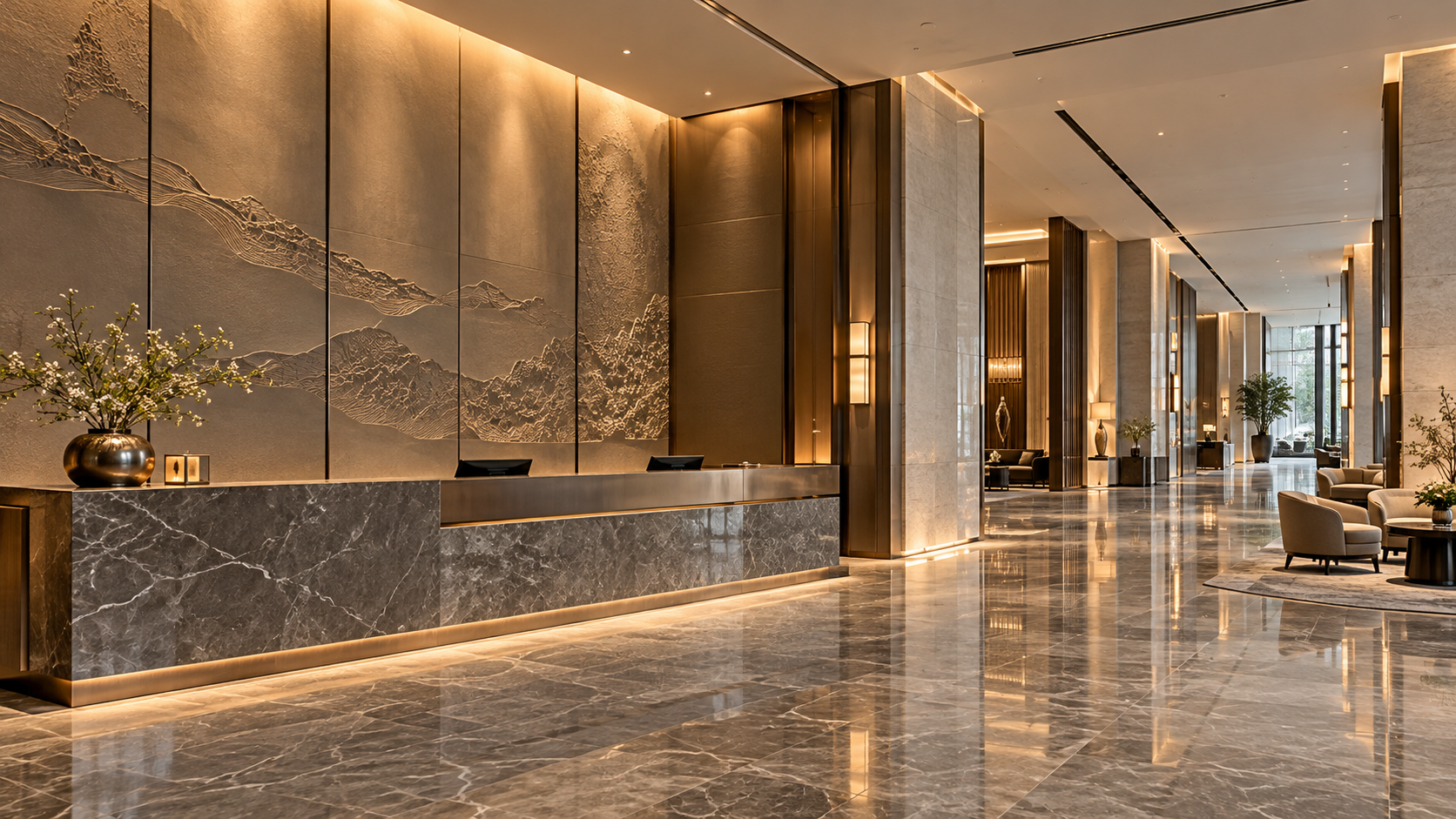
Are Meilin Board Custom Panels Suitable for Luxury Hotel Lobbies?
Explore Meilin Board custom decorative panels for luxury hotel lobbies. Discover design considerations and essential fire, emissions, and maintenance checks before specifying your project.