Maintaining the Finish of Luxury Interior Wall Panels: A Care Guide for Homeowners
Why Luxury Interior Wall Panels Need a Different Approach to Care
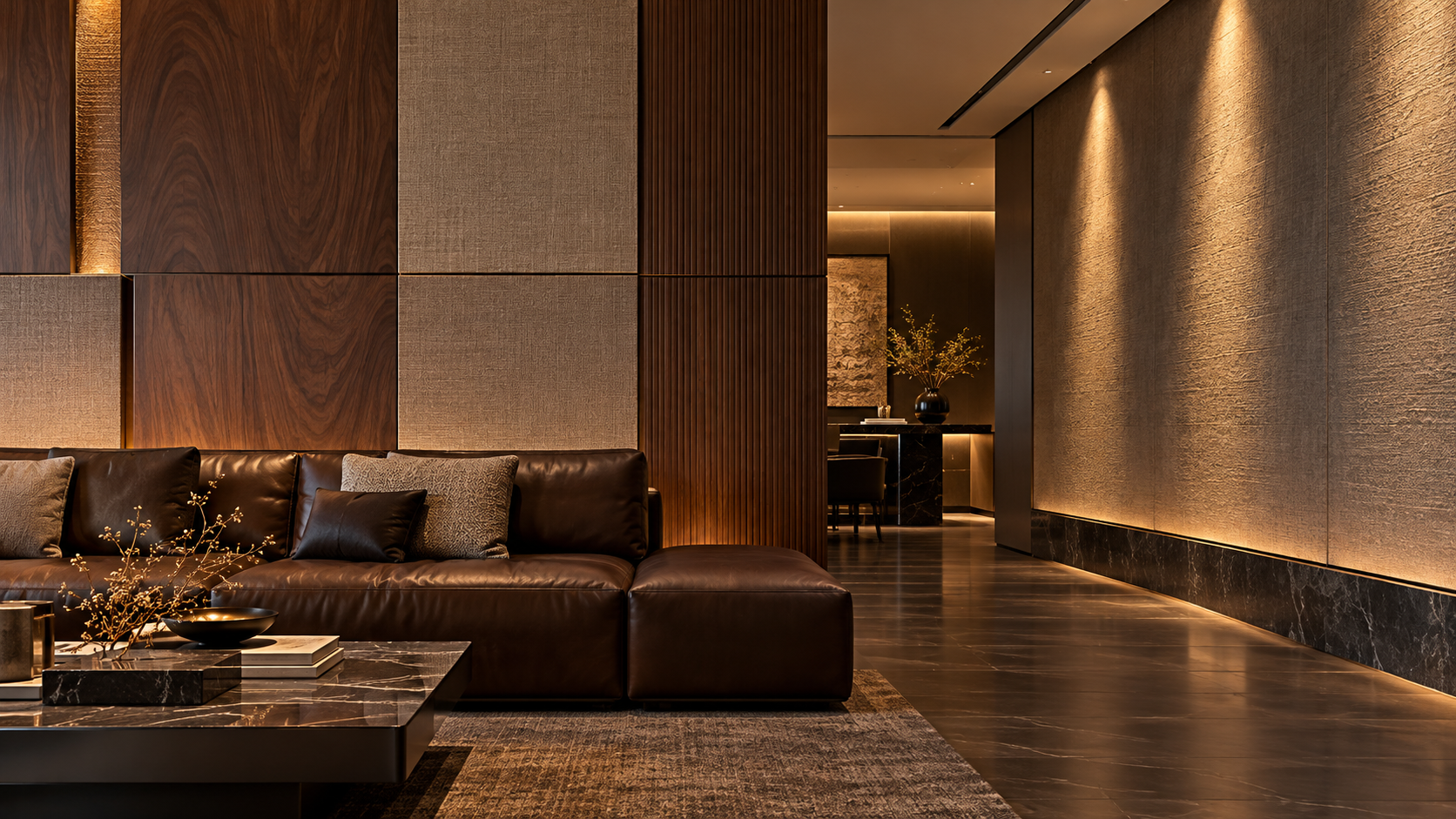
Luxury interior wall panels are not the same as standard painted drywall or basic wood paneling. The finishes on these panels—whether they are high-gloss lacquers, natural wood veneers, textured metals, or stone composites—are designed to deliver a specific visual depth and tactile quality. That same finish, however, is also what makes them vulnerable to improper cleaning methods. As a service professional, you have likely encountered situations where a client’s wall covering has lost its luster, developed a cloudy haze, or shows visible swirl marks. These are not signs of a defective product. More often, they are the result of using the wrong cleaning technique or product.
The core challenge with maintaining these panels is that the surface is not just a protective layer; it is an integral part of the aesthetic. Scrubbing it like a kitchen countertop or spraying it with a generic all-purpose cleaner can dull the finish permanently. The goal of this guide is to help you understand what actually happens to these surfaces during cleaning, what to avoid, and how to preserve the look that your clients paid for.
Understanding the Finish: What You Are Actually Cleaning
Before choosing a cleaning method, it helps to know what type of finish you are working with. Luxury interior wall panels generally fall into one of a few categories based on their surface treatment:
- Lacquered or painted high-gloss finishes: These are sensitive to abrasives and harsh chemicals. Even a microfiber cloth that has been used too many times can carry embedded dust particles that act like sandpaper.
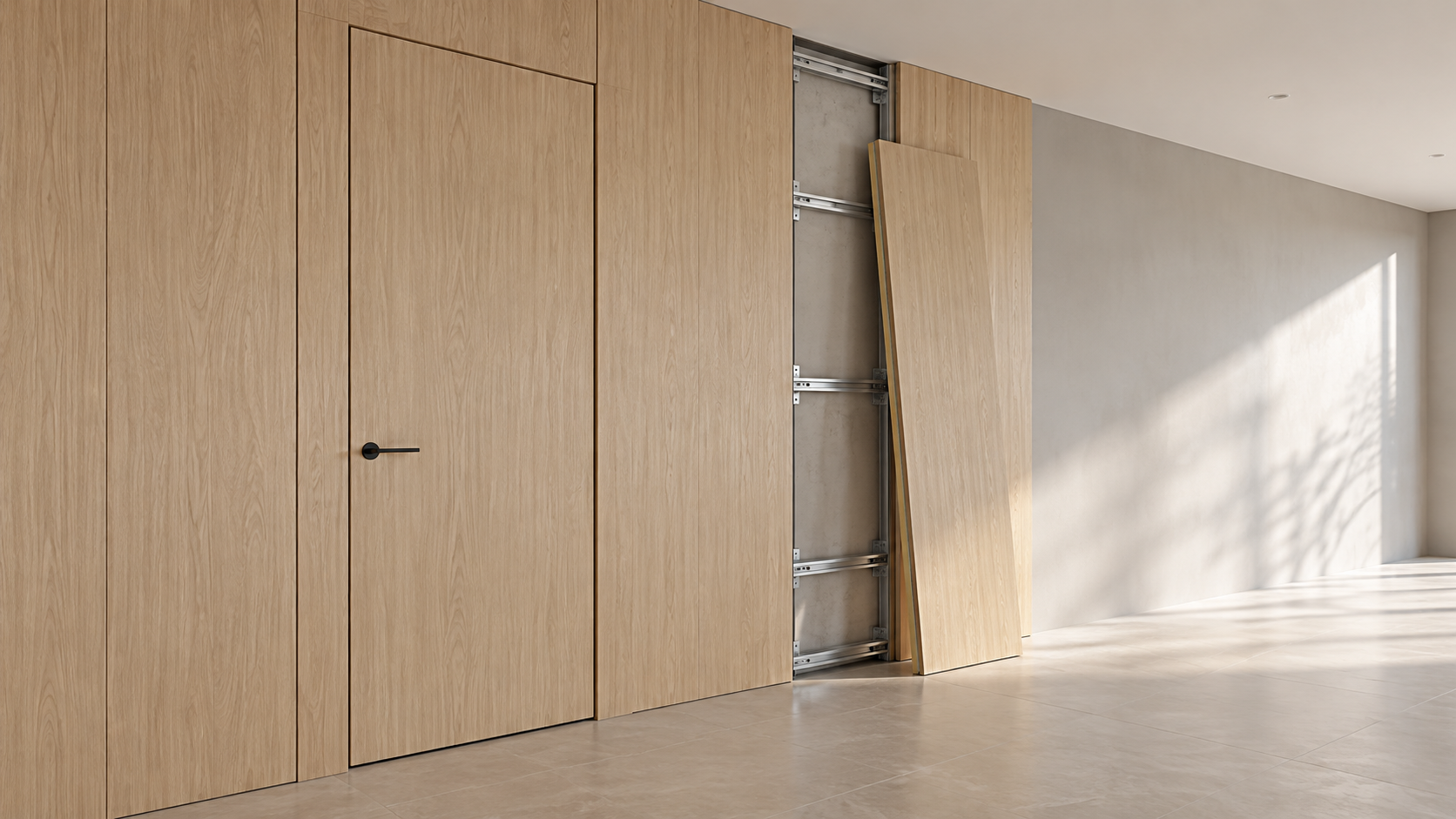
- Natural wood veneers with a matte or satin finish: These are porous to some degree. Excessive moisture can seep into the wood grain, causing swelling or discoloration. The finish itself is often thinner than a lacquer, so aggressive scrubbing can wear it down.
- Metal or metallic-finished panels: Fingerprints and smudges are the main issue. Abrasive cleaners can scratch the metallic coating, leaving permanent marks. Acidic cleaners can also react with the metal surface.
- Stone or mineral-based composites: These are generally more durable but can be etched by acidic substances like vinegar or citrus-based cleaners. They also require sealing maintenance in some cases.
When you are unsure about the exact finish, the safest approach is to start with the gentlest method possible. A dry dusting with a clean, soft microfiber cloth is almost always the first step. The real damage usually happens when someone tries to remove a stubborn stain by applying more pressure or a stronger chemical.
What Actually Damages the Finish
Most damage to luxury interior wall panels is not caused by normal wear and tear. It is caused by well-intentioned cleaning efforts that go wrong. Here are the most common mistakes and why they occur:
Using the Wrong Cleaning Agents
Many household cleaners contain ammonia, bleach, or alcohol. These ingredients are effective at cutting grease and killing germs, but they are also aggressive on delicate finishes. Ammonia, for example, can strip the topcoat of a lacquered panel, leaving a dull, cloudy appearance. Bleach can discolor wood veneers and certain pigments. Even vinegar, which is often recommended as a natural cleaner, is acidic enough to etch some stone composites and dull high-gloss paints. Stick to pH-neutral cleaners specifically formulated for the surface you are working on. If you are not sure, a solution of mild dish soap and water is usually the safest option, provided it is used sparingly and dried immediately.
Applying Too Much Moisture
Luxury wall panels are not designed to be wet. Excess moisture can seep into seams, edges, and the substrate behind the panel. With wood-based panels, this can cause warping, swelling, or delamination over time. With painted or lacquered surfaces, water spots can form if the moisture is left to air dry. The correct technique is to lightly dampen a cloth, not soak it. Wring it out thoroughly so that it is barely damp, then wipe the surface. Always follow up with a dry, clean cloth to remove any remaining moisture.
Incorrect Wiping Technique
Circular scrubbing motions are a common mistake. This action traps dust and grit against the surface and rubs it in a circular pattern, which creates visible swirl marks, especially on glossy finishes. The correct technique is to use straight, overlapping passes. This lifts the dust and moves it off the surface rather than grinding it into the finish. It also produces a more uniform sheen.
Daily Maintenance vs. Deep Cleaning
There is a real difference between the routine maintenance that keeps panels looking fresh and the occasional deep cleaning needed to remove built-up grime. Understanding this distinction helps you set realistic expectations for your clients.
Daily maintenance is straightforward and takes minimal time. It typically involves dry dusting once a week using a microfiber cloth or a soft feather duster. This removes the loose dust and airborne particles that can dull the surface over time. For high-touch areas like around light switches or door frames, a quick wipe with a barely damp cloth is usually sufficient. The key is to do this regularly so that dirt does not have a chance to bond with the surface.
Deep cleaning is only needed when there is visible buildup, such as grease from a kitchen or fingerprints from frequent contact. Even then, you should avoid the temptation to use heavy-duty degreasers. A mild soap solution, applied with a soft cloth using straight passes, is usually enough. Rinse the cloth frequently and change the water as soon as it becomes dirty. After cleaning, go over the entire area with a dry cloth to restore the finish. If the panels are in a particularly challenging environment, like a commercial kitchen or a high-traffic hallway, the frequency of deep cleaning will increase, but the method should remain gentle.
How to Handle Stains Without Damaging the Panel
Stains are inevitable, but the response should be measured. The first step is to identify the type of stain. Water-based stains, like coffee or juice, can usually be lifted with a damp cloth followed by a dry cloth. Oil-based stains, like cooking grease or hand lotion, may require a very small amount of mild dish soap on a damp cloth. The critical rule is to never scrub aggressively. Instead, blot or gently wipe the area. If the stain does not come off easily, stop. Aggressive rubbing will only spread the stain and damage the finish. In many cases, a professional refinishing or touch-up kit is a better solution than trying to force a stain out with harsh chemicals.
What to Avoid: A Quick Reference for Service Professionals
When you are on site and need to make a quick decision, keep these rules in mind:
- Avoid paper towels or rough cloths. They are abrasive to most luxury finishes. Use only soft, lint-free microfiber.
- Avoid multi-surface cleaners. They often contain ingredients that are too harsh for premium wall panels.
- Avoid spray bottles aimed directly at the panel. The force of the spray can drive moisture into seams. Always spray onto the cloth first.
- Avoid leaving any moisture on the surface. Dry immediately after cleaning.
Knowing When to Call for a Specialist
Not all maintenance issues can be solved with cleaning. If you notice that the finish has become cloudy, scratched, or uneven, no amount of gentle cleaning will restore it. At that point, the panel may need to be refinished or replaced. This is also a good opportunity to discuss the quality of the original installation. Panels with poor sealing or improper edge finishing are more prone to moisture damage and staining. When you are looking for a product that combines durability with a refined aesthetic, the High-End Wood Grain-MLMW535 offers a finish that is designed to withstand regular cleaning while maintaining its visual depth. Understanding the material you are working with is the first step toward preserving it.
Your role as a service professional is not just to clean the panels. It is to protect the investment that your client has made in their space. By choosing the right methods and avoiding common pitfalls, you can keep luxury interior wall panels looking as intended for years to come.
Frequently Asked Questions
Can I use a steam cleaner on luxury wall panels?
No. The high heat and moisture from steam cleaners can damage the finish, cause warping, and affect the adhesive holding the panels in place. Stick to dry or damp cleaning methods.
What should I do if a client's panels have visible swirl marks?
Swirl marks are usually caused by improper cleaning. For light swirl marks on a glossy surface, a specialized polish designed for the specific finish may help. However, deep swirl marks may require professional refinishing. Prevention is the best approach.
How often should luxury interior wall panels be cleaned?
Dry dusting once a week is sufficient for most areas. A damp clean with a mild solution is only needed once every few months, or when visible buildup is present. Over-cleaning can be just as harmful as under-cleaning.
RECOMMEND

Oct 29, 2026
Are Door-and-Wall Systems Easier to Retrofit Than Traditional Finishes?
Is integrated door and wall panels installation easier than traditional materials for renovations? Compare prep, fitting, costs, and disruption to find the best finish for your upgrade.
Oct 29, 2026
What Is the Typical Lead Time for Custom Cut-to-Size Decorative Panels?
What is the typical lead time for cut to size decorative panels custom orders? Discover how stock, finishes, and delivery affect turnaround so you can plan confidently and avoid costly delays.
Oct 28, 2026
Do E0 Decorative Boards Offer Enough Textures for Luxury Clubs?
Do E0 decorative boards offer enough surface texture options for luxury clubs? Explore finishes, lighting checks, and durability tips to choose a premium look with confidence.
Oct 28, 2026
How Do You Verify Composite Panel Fire Ratings for Public Spaces?
How to verify fire resistance rating of composite decorative panels for public spaces? Learn to authenticate test reports, match installed assemblies, and avoid costly compliance gaps.