

How to Evaluate the Slip Resistance of Luxury Interior Wall Panels for Floor Applications?
How to Evaluate the Slip Resistance of Luxury Interior Wall Panels for Floor Applications
For quality control and safety managers, evaluating the slip resistance of luxury interior wall panels used in floor applications is critical to preventing accidents and ensuring compliance. While these panels are primarily designed for walls, their use on floors demands rigorous testing for traction and stability. Understanding how to assess this property helps maintain both aesthetic appeal and safety standards in high-end spaces.
Why Slip Resistance Matters for Wall Panels Used on Floors
When luxury interior wall panels are repurposed for flooring, the primary concern shifts from visual impact to occupant safety. Unlike traditional flooring materials, these panels are not always engineered with surface traction in mind. For a safety manager, a slip incident in a high-end residential or commercial space can lead to serious liability issues and reputational damage.
The core challenge is that a smooth, glossy finish that looks beautiful on a wall can become dangerously slick underfoot. Evaluating slip resistance is not just about compliance; it is about protecting end users and ensuring the long-term viability of the design choice. This evaluation must be systematic and based on recognized standards, not just visual inspection.
What Standards Should You Use to Test Slip Resistance?
As a quality control professional, you need objective data. The most common and reliable method for measuring slip resistance is the coefficient of friction (COF) test. There are two primary standards used in the industry: the static coefficient of friction (SCOF) and the dynamic coefficient of friction (DCOF).
For floor applications, the DCOF is generally more relevant because it simulates a foot sliding across the surface. The industry benchmark for safe flooring, as recommended by the American National Standards Institute (ANSI) A137.1, is a wet DCOF value of 0.42 or higher. You should insist on seeing test reports for your specific panel, tested under wet conditions.
It is important to note that ASTM C1028 is a standard for measuring SCOF, but it is often considered outdated for wet conditions. For a more accurate assessment, look for testing under the ASTM E303 or the newer ANSI A137.1 protocols. These standards provide a realistic simulation of actual walking conditions in a luxury environment.
How to Perform a Simple Field Test for Traction
While laboratory tests provide the hard data, you can perform a quick, practical field test to verify the panel's performance. This is especially useful when you are on site and need to make a rapid assessment. The most accessible method is the "inclined ramp" or "angle of roll" test.
Place a sample panel on a flat surface. Then, take a standard shoe sole or a leather sample and place it on the panel. Gradually tilt the panel until the sample begins to slide. The angle at which it slides gives you a relative indication of the slip resistance. A higher angle indicates better traction.
For a more controlled approach, use a portable tribometer. These devices are designed to measure the DCOF directly on a surface. While they require calibration, they provide a numerical value that you can compare against the 0.42 threshold. This is a valuable tool for ongoing quality audits during installation.
What Surface Finishes Affect Slip Performance?
The surface texture of a luxury interior wall panel is the single biggest factor affecting its slip resistance. A high-gloss, polished finish will almost always have a lower COF than a matte or textured finish. When selecting panels for floor use, you must prioritize texture over pure gloss.
There are several types of surface treatments that can enhance traction without compromising the luxury aesthetic. Micro-textured surfaces, embossed patterns, and even subtle chemical etching can create microscopic peaks and valleys that grip the sole of a shoe. These finishes are often invisible to the naked eye but provide a significant safety margin.
You should also consider the type of contaminant. In a residential setting, water is the most common hazard. In a commercial kitchen or bar, grease and oil present a greater risk. Test the panel with the specific contaminant most likely to be present in your application. A panel that is safe with water may be dangerously slippery with oil.
How Does Installation Angle Impact Safety?
Even if the panel itself has a high DCOF, the installation angle can negate its safety benefits. When a wall panel is laid horizontally as a floor, the angle of incidence is different. On a wall, the force is mostly shear. On a floor, it is a combination of vertical and shear forces, which changes the frictional dynamics.
You must ensure that the panel is installed on a perfectly level subfloor. Any slope or unevenness can create a "ramp" effect, reducing the effective traction. In areas that are naturally sloped, such as a shower floor or a ramp, you should use a panel with a significantly higher DCOF rating to compensate for the angle.
Additionally, consider the edge transitions. When a wall panel is used as a floor, the edges can be sharp. If the transition from one panel to the next is not perfectly flush, it can create a trip hazard. The quality of the interlocking system or the joint filler is just as important as the surface texture of the panel itself.
What Are the Risks of Ignoring Slip Resistance?
From a business perspective, the financial risk of ignoring slip resistance is substantial. A single slip-and-fall incident in a luxury penthouse or a high-end boutique hotel can result in lawsuits that cost tens of thousands of dollars. More importantly, it damages the reputation of the property developer and the brand you represent.
For safety managers, there is also the risk of non-compliance with local building codes. Many jurisdictions have adopted the ANSI A137.1 standard as a requirement for all commercial and residential flooring. Using a product that does not meet this standard could lead to a failed inspection, delays in project completion, and costly remediation.
Beyond the immediate financial and legal risks, there is the long-term cost of maintenance. A floor that is difficult to clean because of its texture, or one that requires frequent re-coating to maintain its slip resistance, will increase operational expenses. A proper evaluation during the selection phase reduces these hidden costs.
How to Interpret Manufacturer Data for These Panels
When you receive a technical data sheet for a luxury interior wall panel, you should look for the specific slip resistance test data. Do not just look for a "pass" or "fail" label. Look for the actual numerical value of the DCOF, the test method used (e.g., ANSI A137.1), and the conditions under which it was tested (wet or dry).
If the manufacturer does not provide this data, consider it a red flag. A reputable supplier like Shenyang Shengshi Meilin Technology Co., Ltd. will have this information readily available. Ask for a certified test report from an independent third-party laboratory. This ensures the data is objective and not just a marketing claim.
Also, ask about the durability of the slip resistance. Some surface treatments can wear off over time, especially in high-traffic areas. The initial DCOF value might be high, but after six months of foot traffic, it could drop below the safety threshold. Request accelerated wear test data to confirm the long-term performance of the panel.
Conclusion: Making an Informed Safety Decision
Evaluating the slip resistance of luxury interior wall panels for floor applications is a non-negotiable step for any quality control or safety manager. The process requires a combination of laboratory data, field testing, and a clear understanding of the specific installation environment. By prioritizing the dynamic coefficient of friction and understanding how surface finish and installation angle affect safety, you can mitigate risk significantly.
This approach allows you to deliver the aesthetic excellence that luxury clients demand while upholding the highest safety standards. For a reliable solution that meets these rigorous performance criteria, consider the Fabric Grain-MLBW059. This product offers a refined surface texture designed to balance visual appeal with the necessary traction for safe floor applications, ensuring your project remains both beautiful and secure.
RECOMMEND

Oct 27, 2026
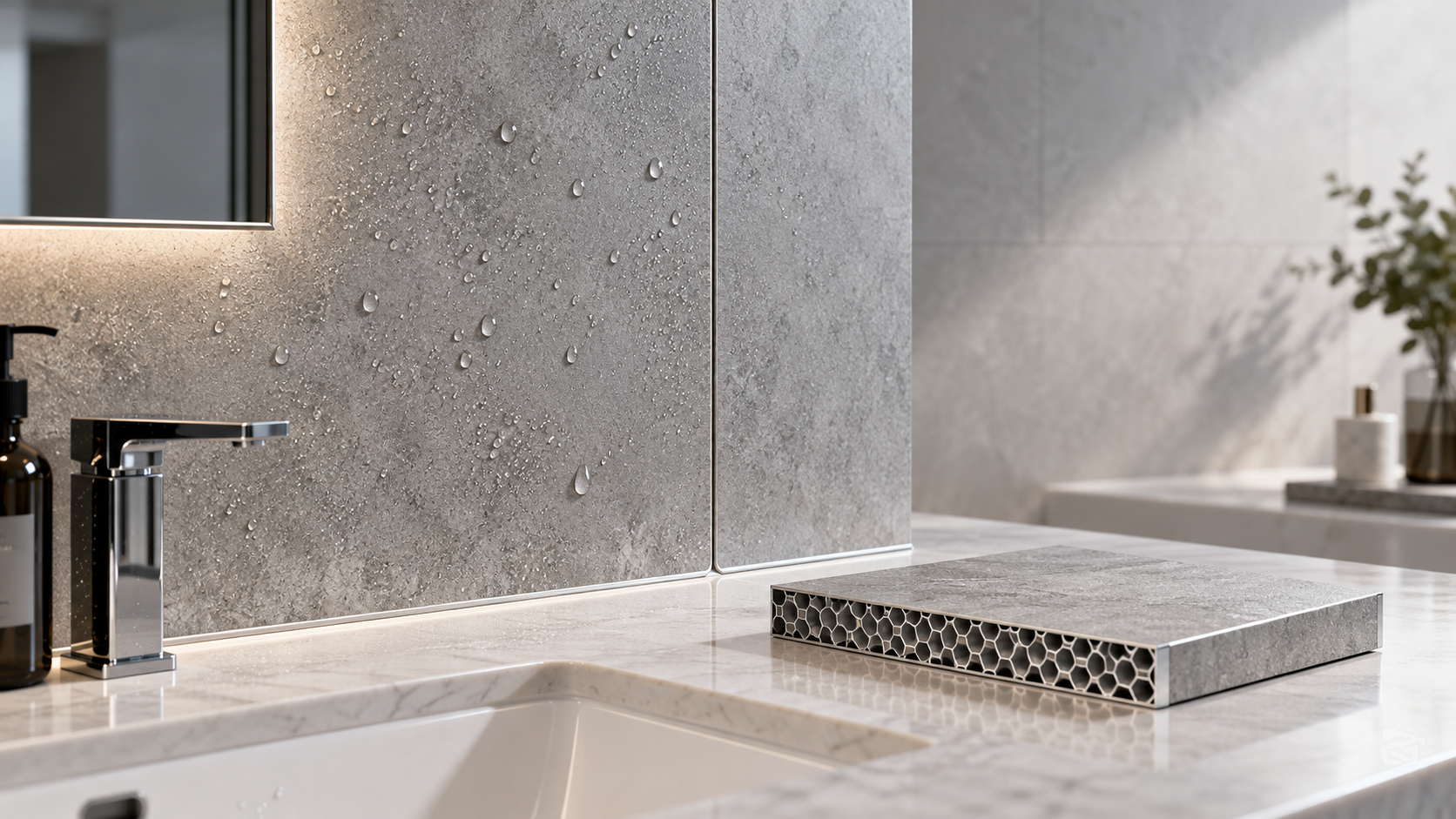
Are Aluminum Honeycomb Panels Moisture-Resistant Enough for Bathrooms?
Explore aluminum honeycomb panel moisture resistance for bathrooms. Learn how finishes, sealed edges, and waterproofing help you choose suitable panels for walls, ceilings, and showers.
Oct 27, 2026
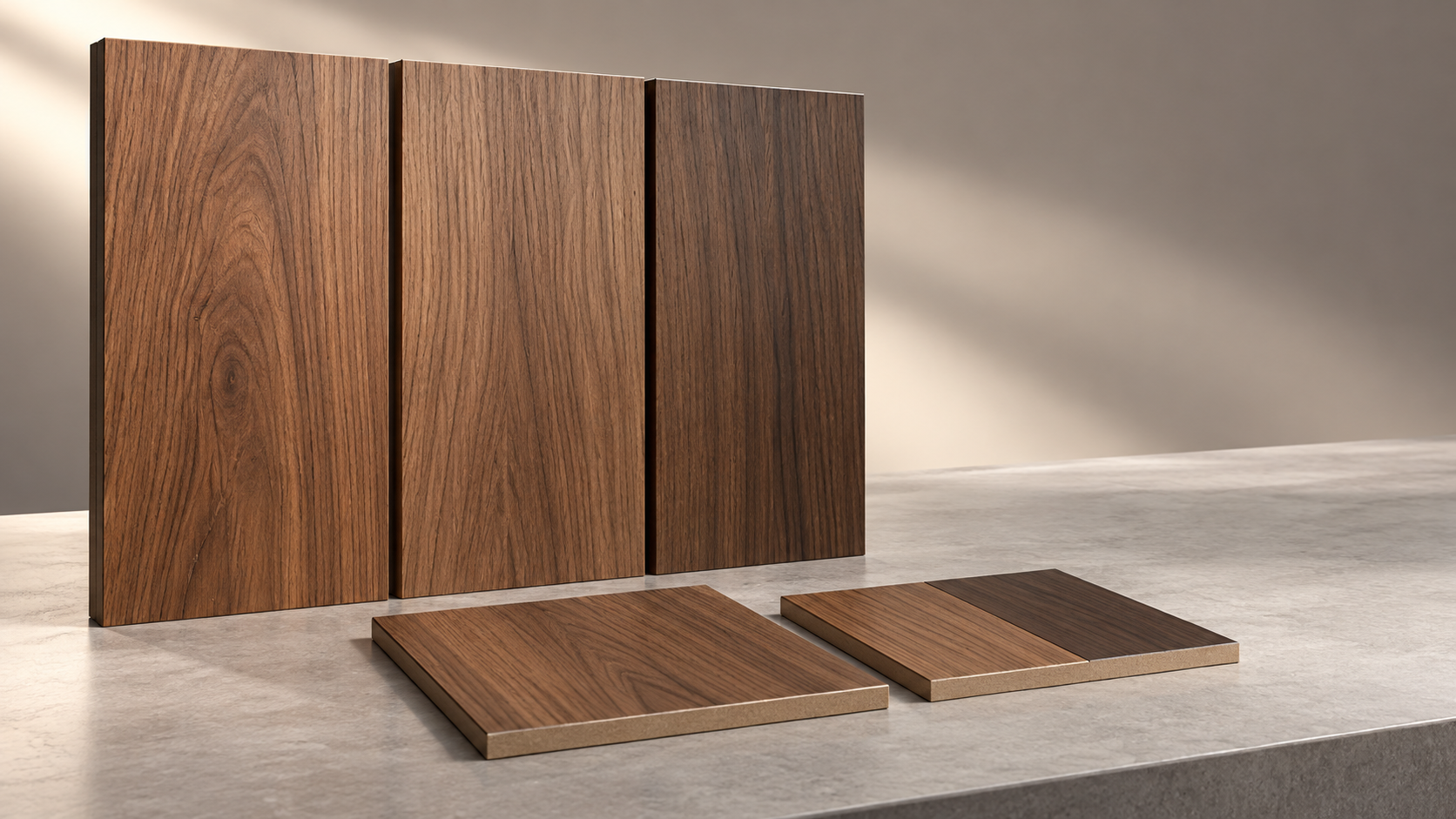
How Are Custom Veneer Panels Color-Matched for High-End Interiors?
Explore custom veneer panels color matching for high-end design. Discover how veneer selection, finishes, and lighting create cohesive, luxurious interiors.
Oct 26, 2026
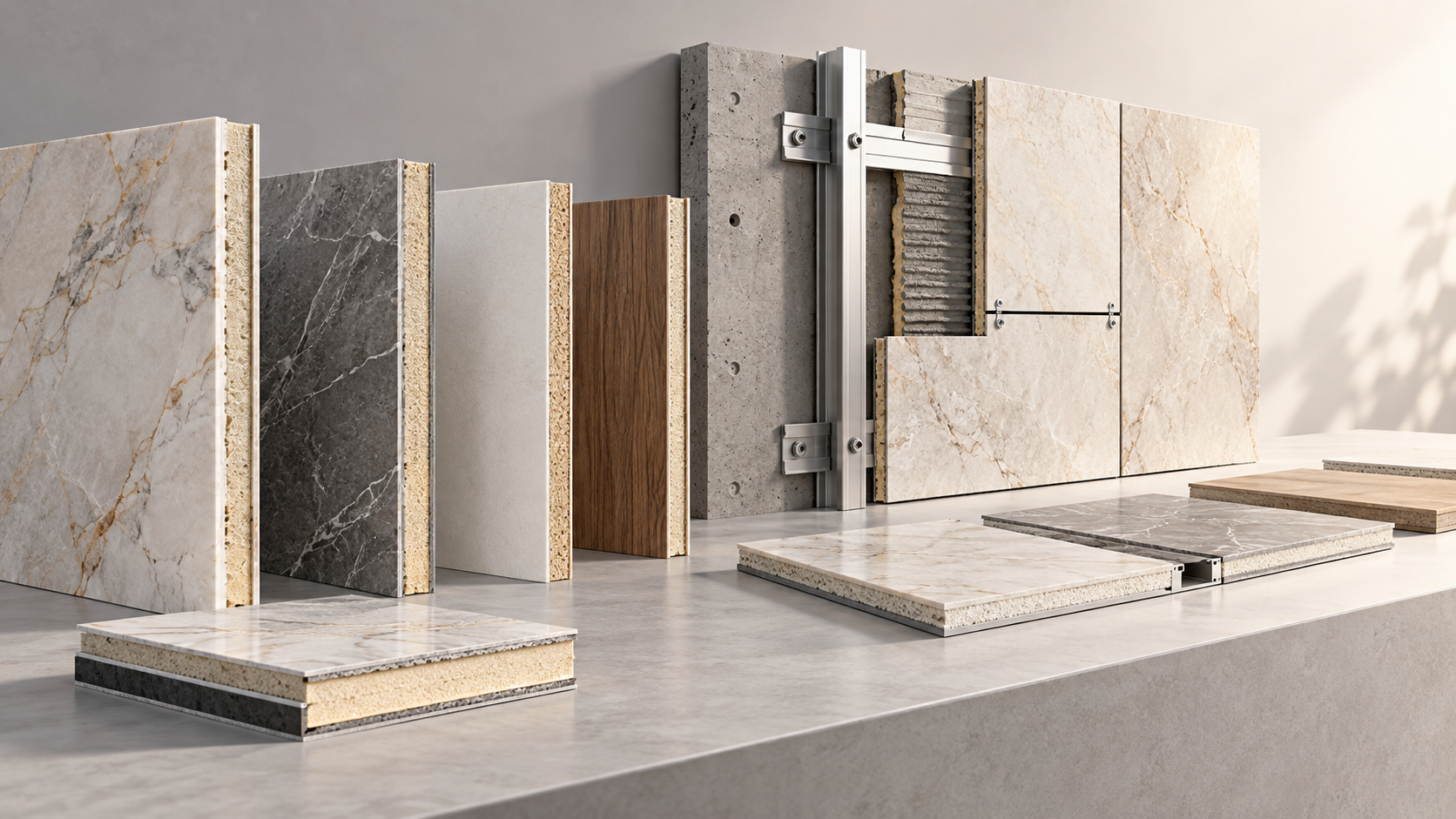
How Do You Choose Fire-Resistant Composite Panels for Commercial Use?
Choose fire resistant composite panels for commercial interior projects. Learn how to verify fire documentation, compare options, and avoid costly specification mistakes.
Oct 26, 2026
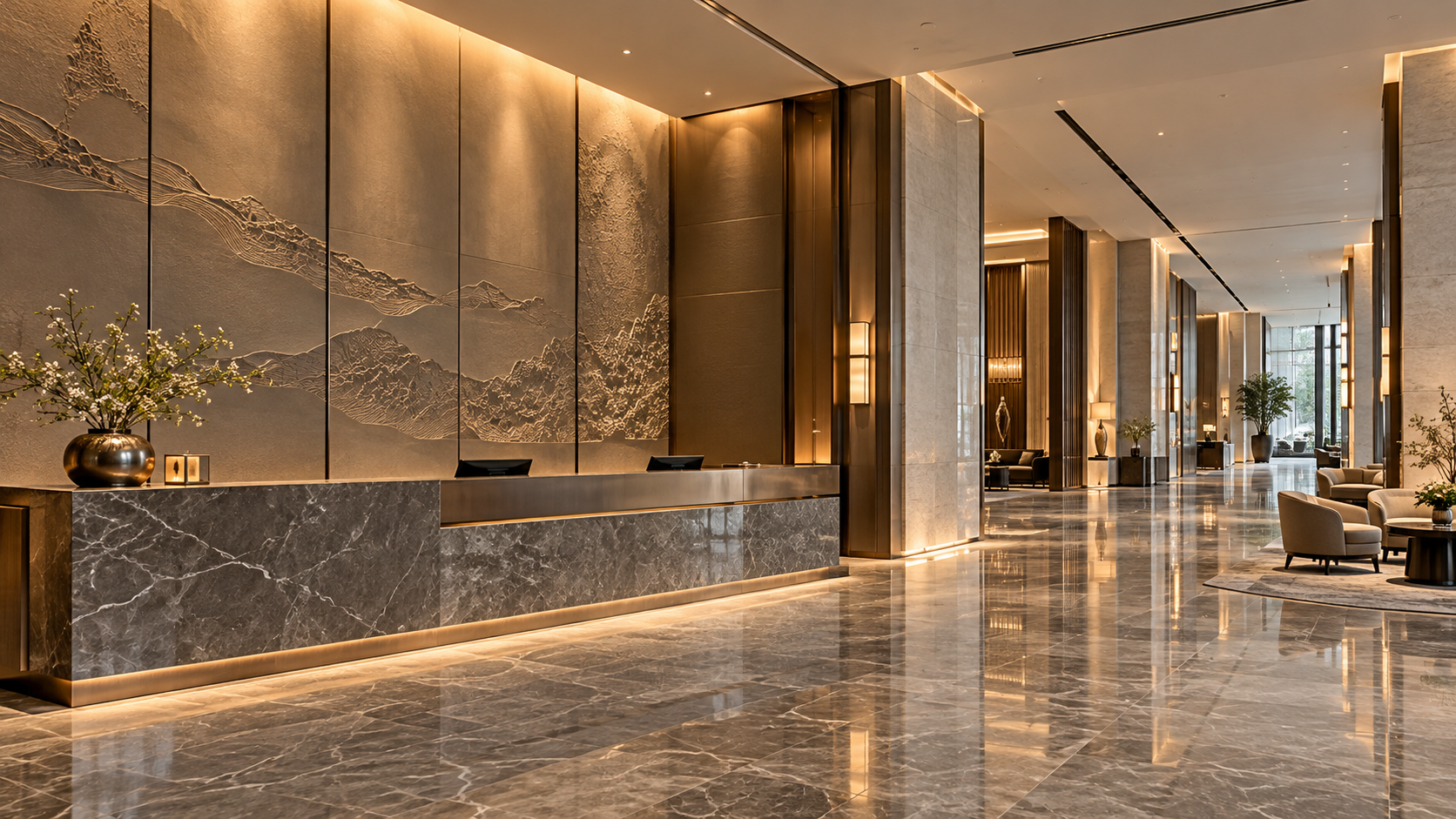
Are Meilin Board Custom Panels Suitable for Luxury Hotel Lobbies?
Explore Meilin Board custom decorative panels for luxury hotel lobbies. Discover design considerations and essential fire, emissions, and maintenance checks before specifying your project.