


How fast can a custom decorative panel OEM deliver the first sample?
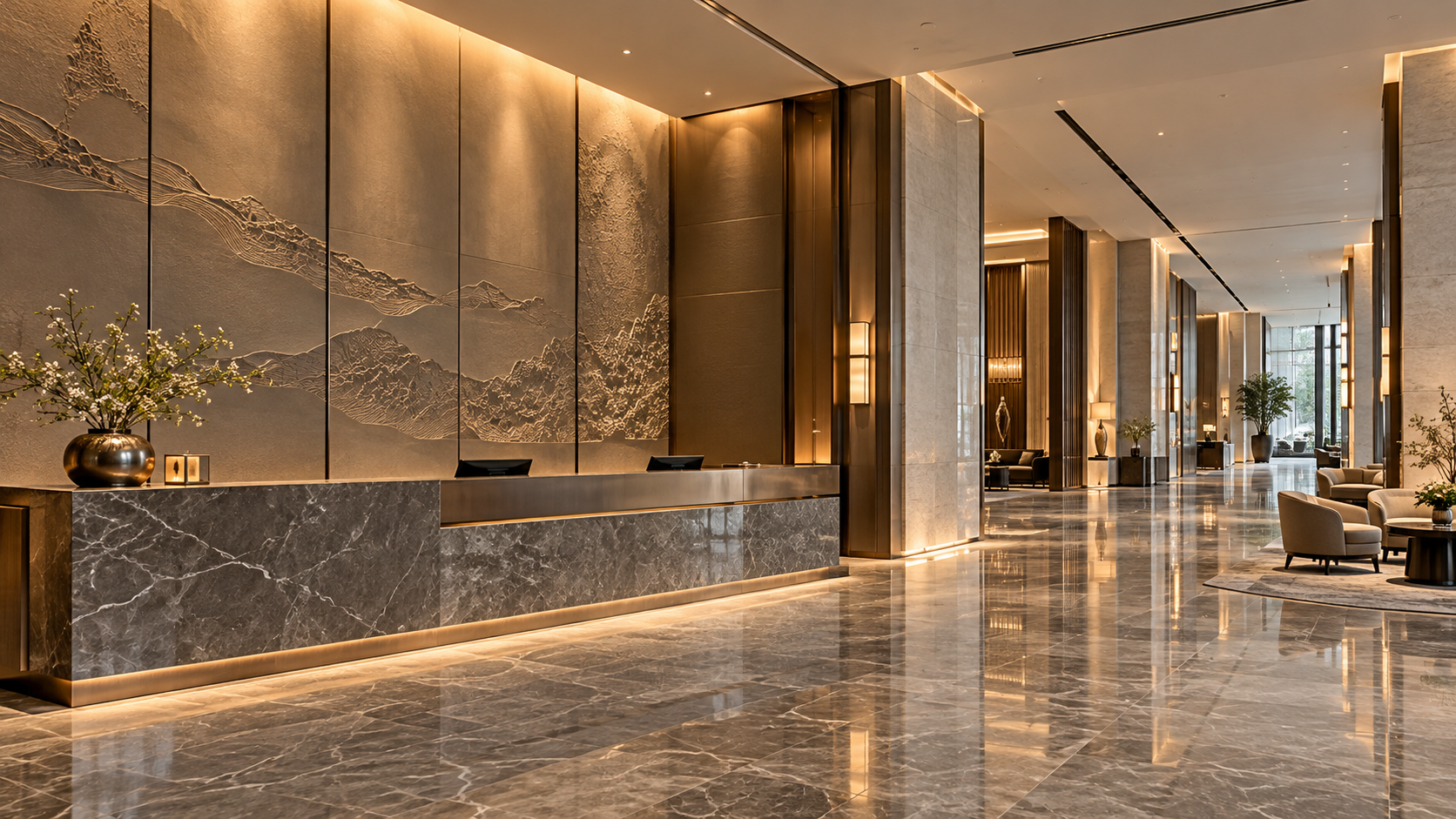
How fast can a custom decorative panel OEM deliver the first sample? It’s not just a logistical question—it’s a design checkpoint, a moment of quiet anticipation before a project gains momentum. You’ve sketched the vision: textured wall cladding for a boutique hotel lobby, acoustic-integrated panels for an open-plan office, or fire-rated decorative surfaces for a high-rise residential façade. Now you need to *see it*, *touch it*, *test it*—not in renderings, but in physical reality. That first sample bridges imagination and execution. And at Shenyang Shengshi Meilin Technology Co., Ltd., that bridge is built with intention—not speed alone, but speed *with fidelity*.
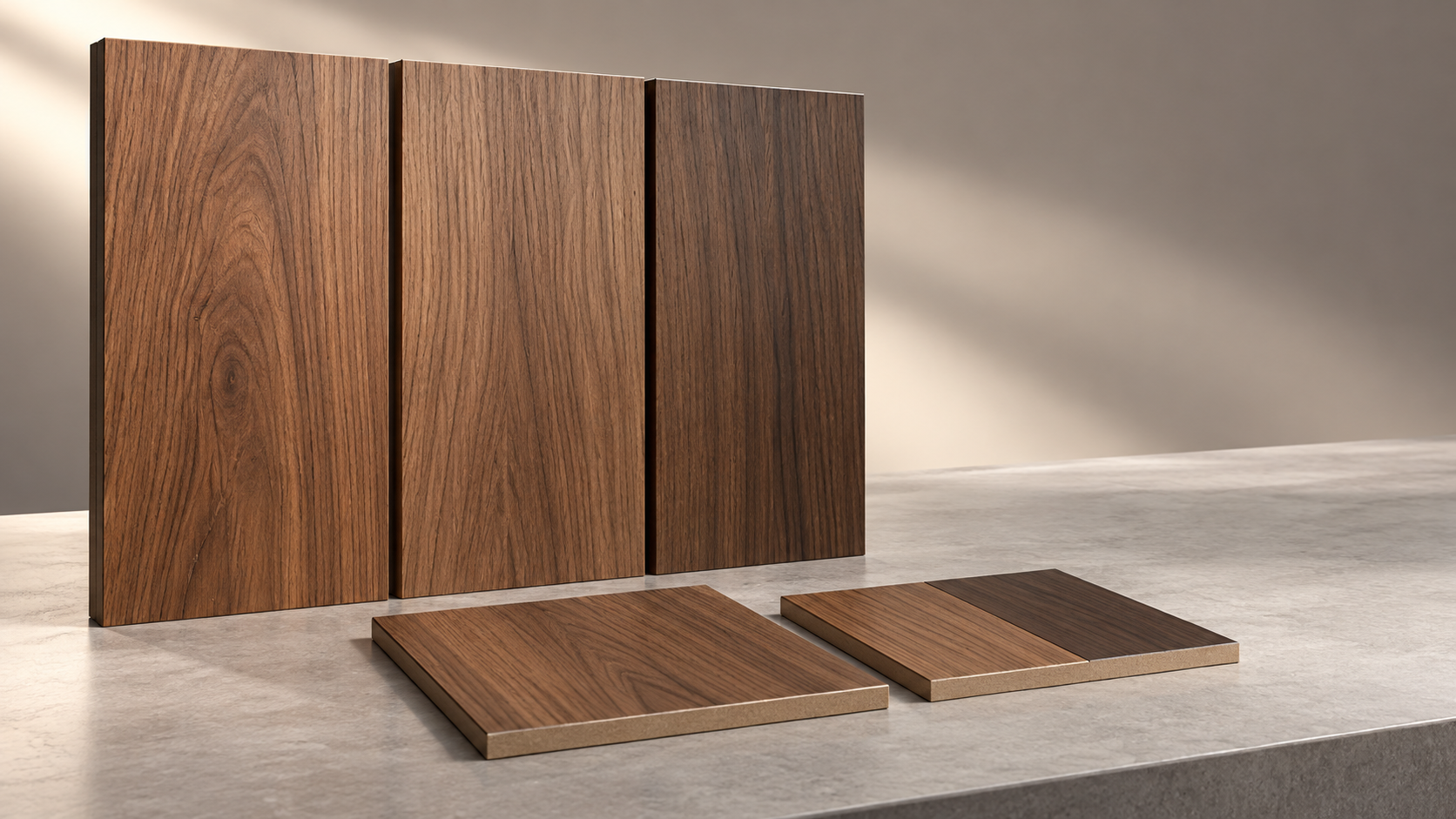
For most standard custom decorative panel requests—think surface finish variations (matte vs. metallic sheen), substrate adjustments (MDF, aluminum composite, or fire-retardant mineral board), or moderate relief patterns—the typical timeline from confirmed technical drawing to hand-delivered sample is 7–10 working days. Not calendar days. Not “as soon as possible.” Working days—because precision isn’t rushed; it’s orchestrated.
Why does it take that long—and why not less? Because “fast” means nothing without context. A sample isn’t a throwaway prototype. At Shengshi Meilin, it’s a functional artifact: dimensionally accurate to ±0.3 mm, color-matched under D65 lighting, surface-finished using the same production-grade tools and curing cycles as full-batch runs, and tested for key performance traits—scratch resistance, edge integrity, and, where applicable, flame spread index (ASTM E84 Class A compliance). Skipping those steps doesn’t accelerate delivery—it delays confidence.
That said, timelines shift meaningfully depending on three interlocking variables: material complexity, surface articulation, and integration requirements.
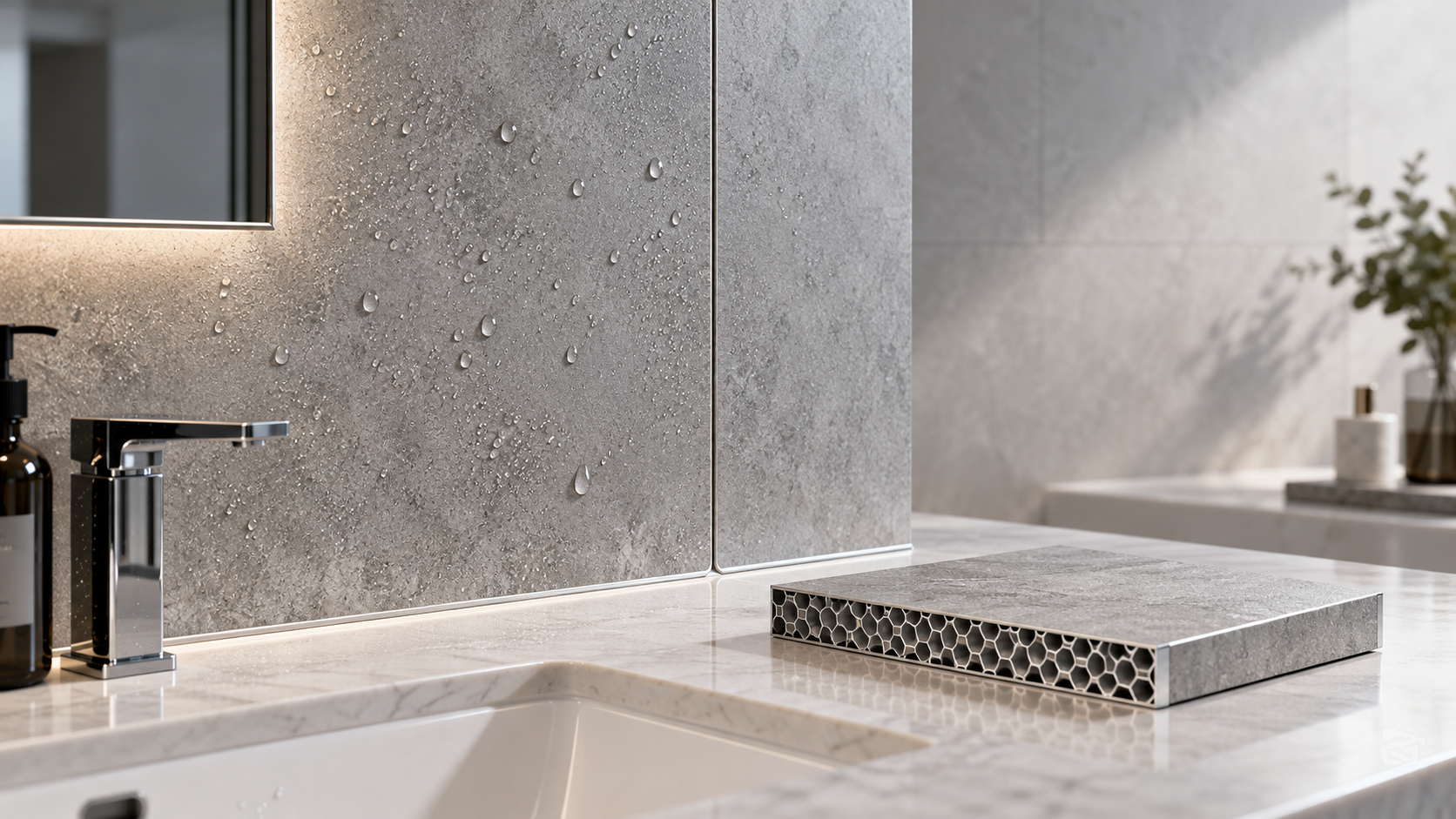
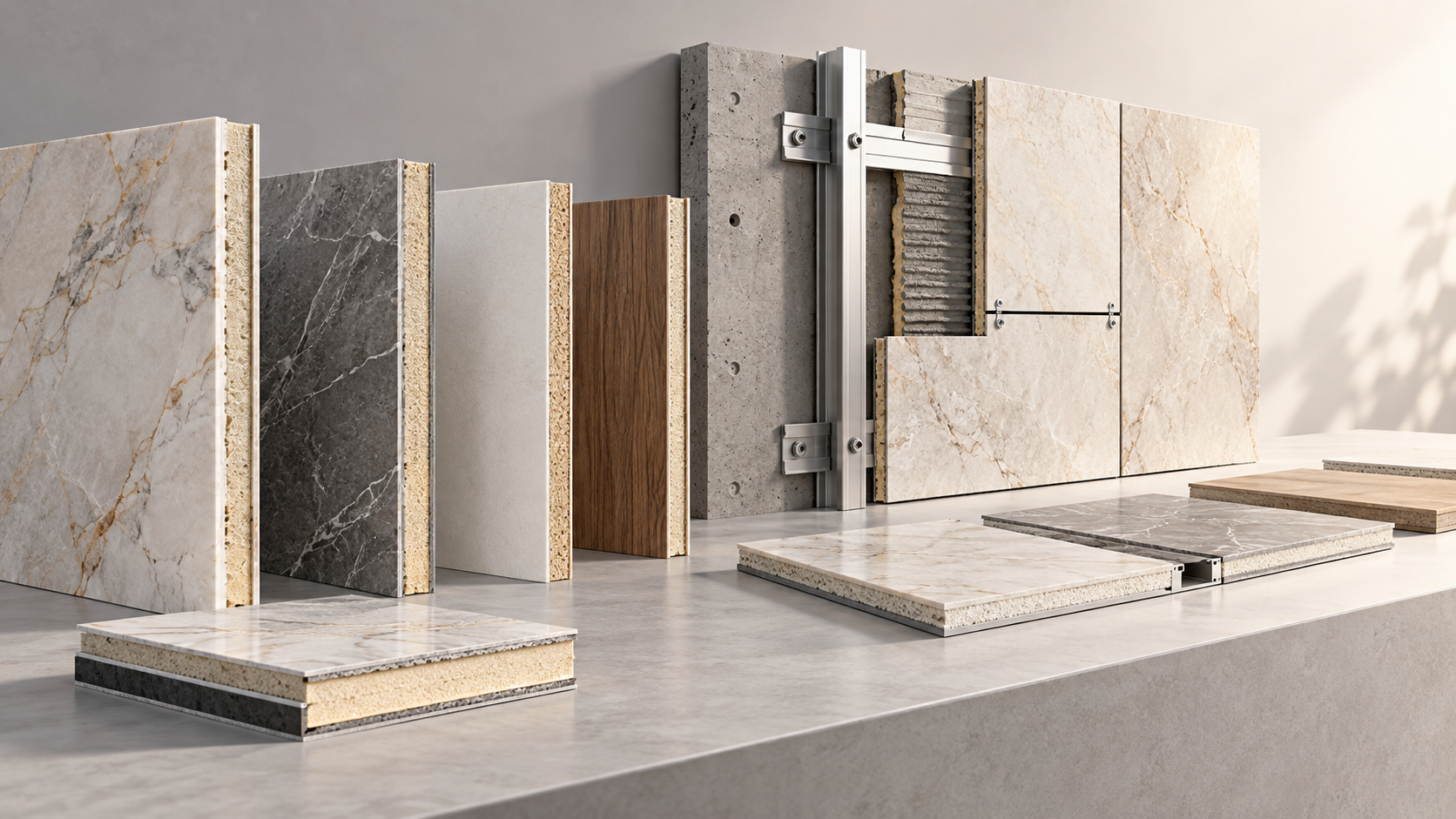
Material complexity starts with substrate selection. Basic laminated MDF or HPL-backed panels move quickly—often within 7 days—because our in-house lamination lines run continuously and calibration is standardized. But introduce a hybrid substrate—say, a bio-based fiberboard bonded to a thin aluminum honeycomb core for lightweight rigidity—or request non-standard fireproofing additives (like intumescent micro-encapsulates blended into resin layers), and lead time extends by 2–3 days. Not due to delay, but because formulation validation and small-batch mixing require lab oversight and thermal stability checks.
Surface articulation matters more than many assume. A subtle grain texture replicated via digital embossing? That’s often ready in 8 days. But if your design calls for deep 3D carving—say, a 4 mm bas-relief inspired by regional textile motifs—then CNC programming, toolpath simulation, and trial milling on scrap stock add time. We don’t skip those steps. We’d rather deliver a sample that reveals how light catches each ridge at noon versus dusk than one that looks “close enough” under studio lights.
Integration requirements are where timing becomes collaborative. If your panel must interface with existing ceiling systems, integrate concealed LED channels, or accept modular mounting hardware, we build the sample *with* those interfaces—not beside them. That means machining pilot holes, embedding brass inserts, or routing recesses for gasket seals *before* finishing. It adds 1–2 days—but saves weeks later when field installation hits its first snag.
We’re often asked: “Can you do it faster?” Yes—if trade-offs are acceptable. Rushing beyond our 7–10 window usually means one of three things: using off-spec substrates (e.g., skipping fire-rating verification), omitting environmental conditioning (so humidity-induced warping won’t show until month two), or bypassing cross-light color evaluation (leading to mismatched batches under real-world lighting). We’ll tell you honestly when acceleration compromises reliability. Because a fast sample that misleads is slower than no sample at all.
What makes this pace possible isn’t just equipment—it’s embedded workflow intelligence. Our R&D team sits meters from the prototyping bay. When your CAD file arrives, it’s reviewed simultaneously by a materials engineer (checking compatibility with our fireproof sealants or UV-stable coatings) and a surface technologist (assessing whether your requested gloss level aligns with substrate porosity). No handoffs. No waiting for approvals across departments. Digital twin modeling lets us simulate thermal expansion behavior before cutting a single sheet. And our inventory of pre-tested material combinations—over 42 validated substrate/finish pairings—means we rarely start from zero.
This isn’t theoretical agility. It’s grounded in what designers and contractors actually need. A London-based interior studio recently needed samples for a heritage-listed building renovation. They required lime-washed oak veneer over fire-rated gypsum core, with custom bevelled edges and invisible magnetic closures. Total turnaround: 9 working days—including two rounds of minor finish tweaks based on their on-site daylight assessment. No air freight. No expedited fees. Just coordinated craftsmanship.
Of course, speed means little without consistency. Every sample carries a traceability tag: batch number, date of finish application, ambient temperature/humidity during curing, and even the operator ID. Not for bureaucracy—but so if your team spots a subtle variation in reflectivity between Sample A and B, we can retrace every variable, not guess.
So—how fast can a custom decorative panel OEM deliver the first sample? The honest answer isn’t a number. It’s a promise: We’ll deliver it as soon as we can confirm it reflects what you designed, performs as it must, and fits where it’s meant to go—without shortcuts that unravel downstream. For projects where aesthetics meet code, where beauty meets durability, and where time-to-decision impacts budgets and deadlines, that balance isn’t a compromise. It’s the only pace that matters.
If your next project hinges on seeing, feeling, and validating before committing—whether it’s a single bespoke panel or a full architectural series—we invite you to share your concept. Not just dimensions and finishes, but context: Where will it live? What does it need to withstand? Who will interact with it daily? That’s how we calibrate not just speed—but significance.
Because at Shenyang Shengshi Meilin, innovation isn’t measured in days saved. It’s measured in trust earned—one precise, thoughtful, responsibly accelerated sample at a time.
RECOMMEND

Oct 27, 2026
Are Aluminum Honeycomb Panels Moisture-Resistant Enough for Bathrooms?
Explore aluminum honeycomb panel moisture resistance for bathrooms. Learn how finishes, sealed edges, and waterproofing help you choose suitable panels for walls, ceilings, and showers.
Oct 27, 2026
How Are Custom Veneer Panels Color-Matched for High-End Interiors?
Explore custom veneer panels color matching for high-end design. Discover how veneer selection, finishes, and lighting create cohesive, luxurious interiors.
Oct 26, 2026
How Do You Choose Fire-Resistant Composite Panels for Commercial Use?
Choose fire resistant composite panels for commercial interior projects. Learn how to verify fire documentation, compare options, and avoid costly specification mistakes.
Oct 26, 2026
Are Meilin Board Custom Panels Suitable for Luxury Hotel Lobbies?
Explore Meilin Board custom decorative panels for luxury hotel lobbies. Discover design considerations and essential fire, emissions, and maintenance checks before specifying your project.