

Commercial Interior Wall Panels: Key Performance Specs for Offices, Hotels, and Clinics
Selecting Commercial Interior Wall Panels for offices, hotels, and clinics is fundamentally a risk-control and performance decision. Technical evaluators are usually not asking which panel looks best first; they are asking which system can reliably meet fire, hygiene, durability, acoustic, and installation requirements without creating downstream maintenance or compliance problems.
For this audience, the most important concerns are specification credibility, suitability for different commercial environments, lifecycle cost, and the gap between brochure claims and real project performance. They need clear criteria that support comparison, procurement, and approval.
The most useful content, therefore, is practical guidance on how to read key specs, which performance indicators matter most by application, what trade-offs to expect, and how to verify whether a panel solution is appropriate for high-use interiors. General style trends and broad material descriptions should stay secondary.
The article should focus on fire performance, cleanability, impact resistance, acoustic behavior, dimensional stability, installation efficiency, maintenance burden, and documentation review. It should de-emphasize decorative theory, vague sustainability claims without evidence, and generic product marketing language.
Commercial Interior Wall Panels: Key Performance Specs for Offices, Hotels, and Clinics
Selecting commercial wall finishes for high-traffic interiors is rarely a matter of appearance alone. In offices, hotels, and clinics, wall panel systems are expected to support safety, maintenance efficiency, occupant comfort, and long-term asset value.
That is why technical evaluators tend to look beyond color, texture, and surface pattern. The real question is whether a panel system can perform consistently under operational pressure while still aligning with the design brief and the project budget.
The best Commercial Interior Wall Panels are not necessarily the ones with the widest style range. They are the ones with verified technical data, predictable installation behavior, and a maintenance profile that fits the realities of the space.
For specification teams, this means reviewing panels as part of a broader building performance strategy. Fire classification, moisture behavior, impact resistance, cleanability, and acoustic contribution should all be evaluated in relation to the building type, occupancy, and use intensity.
This is especially important in projects where wall surfaces are exposed to repeated cleaning, luggage impact, cart movement, furniture contact, or frequent occupant turnover. A panel that looks suitable in a sample room can fail quickly when exposed to real operating conditions.
Understanding which specifications matter most helps evaluators avoid short-term decisions that produce long-term issues. It also makes it easier to compare competing products on a technical basis rather than relying on surface-level claims.
Why Technical Evaluators Start with Performance, Not Appearance
Commercial interiors operate under stricter constraints than most residential spaces. Wall panels in these environments influence code compliance, upkeep costs, installation schedules, indoor environmental quality, and the overall resilience of the interior fit-out.
In offices, wall surfaces may need to balance acoustics, durability, and a refined aesthetic that supports brand identity. In hotels, the challenge expands to include guest perception, corridor wear, housekeeping efficiency, and fast room turnover.
Clinics introduce another layer of complexity. Here, wall panel selection may be affected by hygiene protocols, disinfectant exposure, impact from equipment, and the need for surfaces that remain stable and visually clean over time.
As a result, technical evaluators typically need more than a product catalog. They need test reports, classification documents, substrate compatibility information, installation instructions, and realistic guidance on how the panel system behaves after occupancy begins.
Appearance still matters, of course, but it is usually considered within a performance framework. A visually attractive wall panel loses value quickly if it chips easily, traps dirt at joints, or requires frequent replacement in circulation areas.
Fire Performance Is Usually the First Screening Criterion
For many commercial projects, fire performance is the first requirement that determines whether a wall panel system is even eligible for consideration. Evaluators should review the relevant fire classification based on local regulations and project type.
It is important to distinguish between marketing descriptions such as “fire-resistant” and actual documented test performance. Technical review should focus on certified ratings, the test standard used, and whether the result applies to the complete installed assembly.
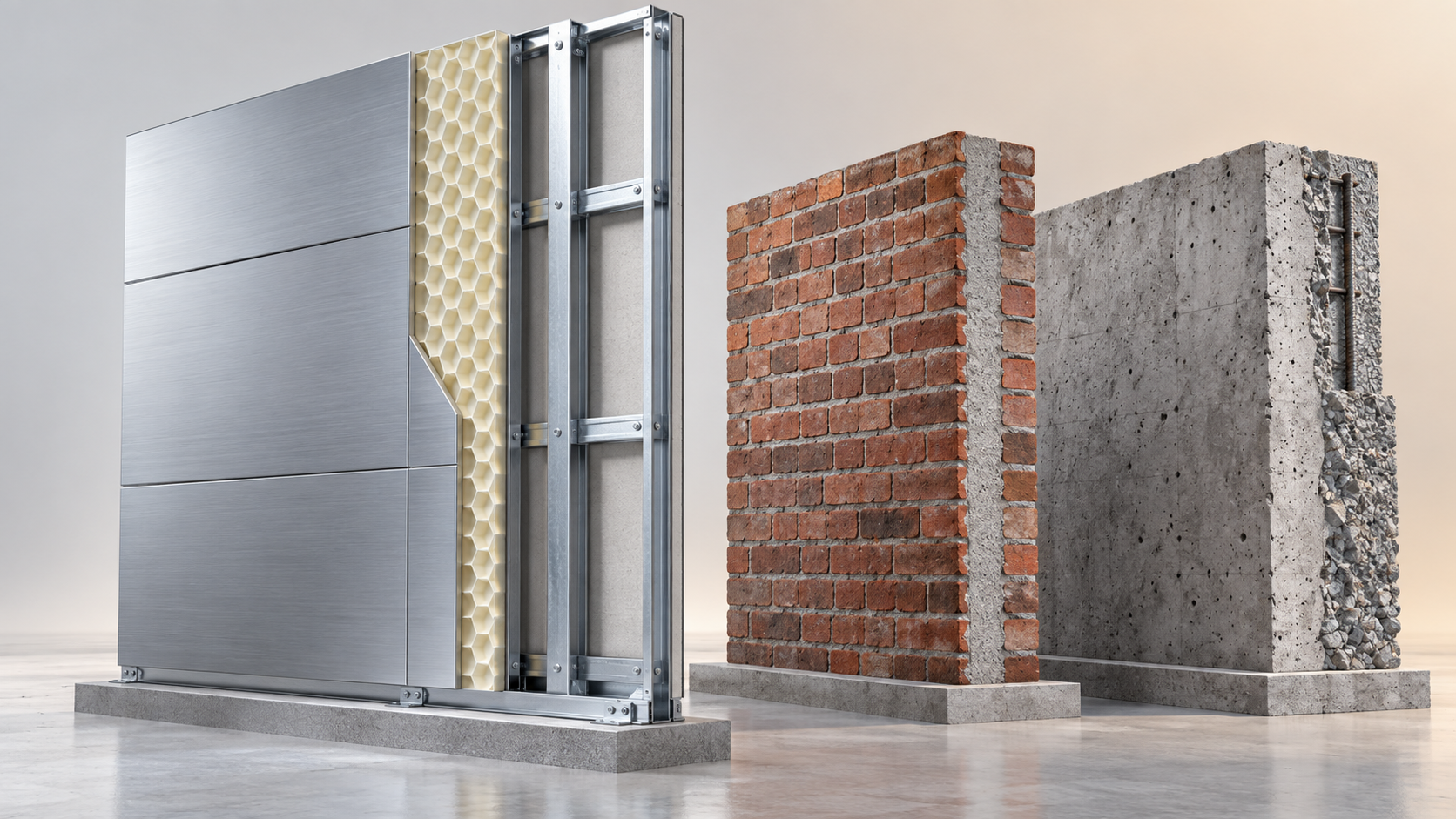
In practice, panel behavior can be influenced by the substrate, adhesive, joint treatment, cavity conditions, and backing materials. A strong surface claim does not always mean the full wall build-up performs equally well in a fire scenario.
Hotels and clinics often involve more sensitive occupancy conditions, so fire performance documentation should be reviewed carefully. Offices may also have strict fit-out requirements, especially in multi-tenant buildings or high-rise developments.
Evaluators should ask whether the panel supplier can provide clear compliance documentation rather than only summary statements. If a product is being specified internationally, equivalency between regional test methods may also need to be considered.
Surface Hygiene and Cleanability Matter More in Real Use Than in Samples
One of the most common specification mistakes is assuming that a visually smooth surface will automatically be easy to clean. In reality, cleanability depends on coating performance, stain resistance, joint detailing, and tolerance to repeated maintenance cycles.
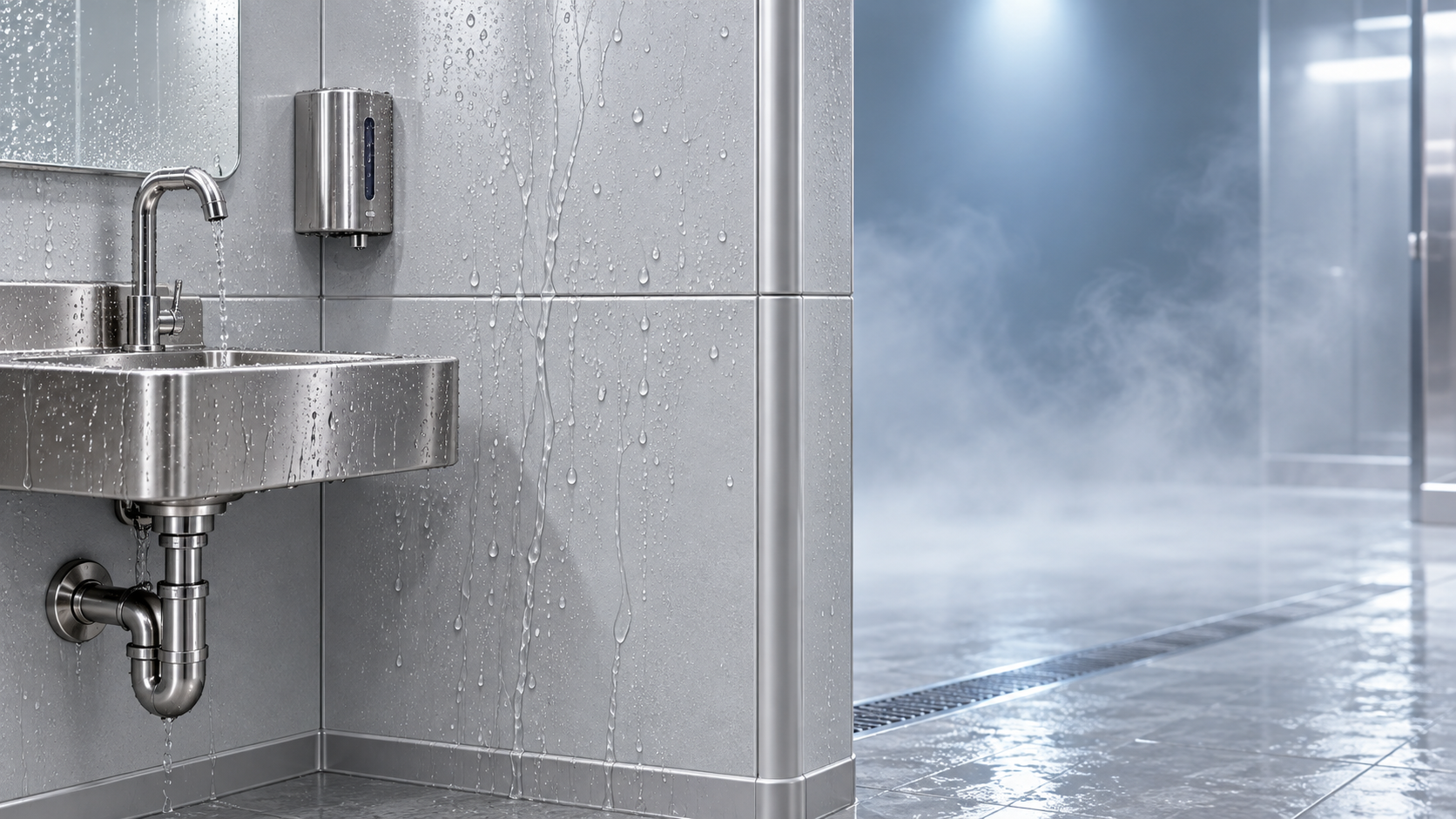
Clinics are the clearest example. Panels may be exposed to frequent wiping, disinfectants, and occasional splashes from daily procedures. A suitable system should resist surface degradation, discoloration, and edge failure under regular cleaning routines.
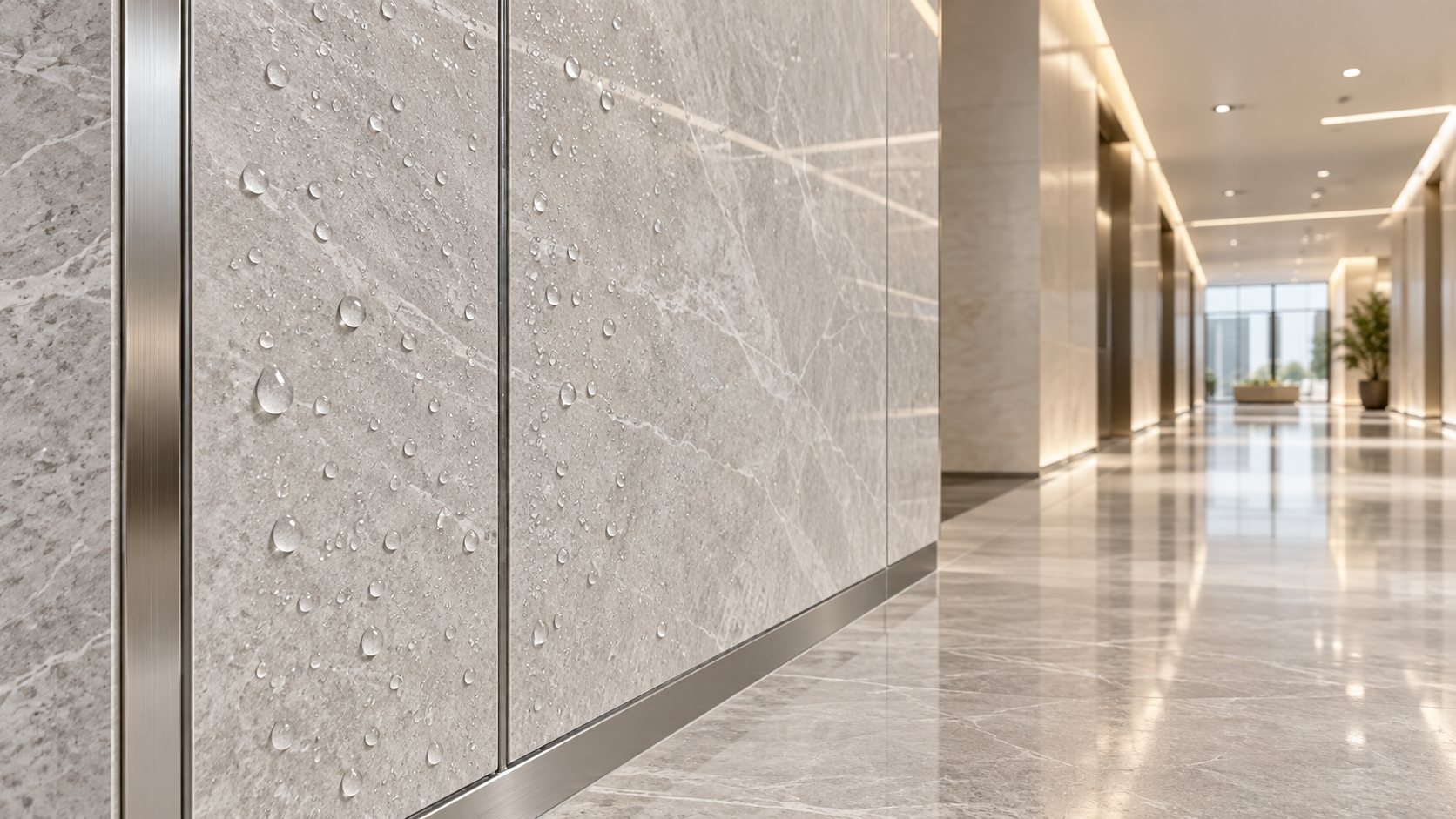
Hotels also place high demands on cleanability, especially in guestroom corridors, elevator lobbies, reception zones, and back-of-house passages. Surfaces that show scuffs easily or retain marks can quickly increase labor and reduce perceived quality.
In office environments, hygiene may be less clinical but still important in shared spaces, meeting rooms, lift lobbies, and break areas. Evaluators should assess whether the panel finish supports the building’s expected cleaning regime without becoming dull or damaged.
When reviewing data, it helps to ask not only what cleaning agents are tolerated, but also how the product responds after repeated cleaning. Long-term maintenance resilience is more valuable than a surface that performs well only under light testing.
Impact Resistance and Abrasion Performance Drive Lifecycle Value
Commercial wall surfaces are regularly exposed to mechanical stress. Luggage, cleaning carts, chairs, mobile equipment, and daily contact from occupants all contribute to wear, especially at corners, corridors, and room entry points.
That makes impact resistance a major lifecycle cost factor. A panel system that resists dents, chips, and abrasion can reduce patching, refinishing, and early replacement, which is often more important than a lower upfront material price.
Hotels typically see concentrated damage in circulation routes and service areas. Offices may experience wear near collaborative zones, reception walls, and furniture-heavy spaces. Clinics often need stronger protection against trolley and equipment contact.
Technical evaluators should review whether the manufacturer provides meaningful impact or surface wear data rather than broad statements about durability. They should also examine edge details, joint protection, and how the finish handles localized damage.
Some decorative finishes are attractive at hand-sample scale but less practical in high-contact environments. A realistic evaluation considers not just the face material, but also how the full panel system responds to repeated operational use.
Acoustic Performance Should Be Tied to the Room Function
Not every commercial wall panel is expected to be an acoustic product, but acoustic performance still matters in many interiors. Offices need support for speech privacy, concentration, and reduced reverberation in meeting and open-plan spaces.
Hotels benefit from acoustic control in corridors, guestroom areas, and shared lounges, where surface choices can affect comfort and perceived quality. In clinics, speech clarity and privacy may both be important depending on the treatment setting.
Evaluators should be careful to separate sound absorption from sound insulation. A decorative panel may reduce echo within a room without significantly improving sound transmission between rooms or across partitions.
This distinction matters because acoustic claims are often simplified in promotional material. Technical review should focus on the tested metric, installation condition, and whether the panel is intended to absorb sound, contribute to a partition assembly, or both.
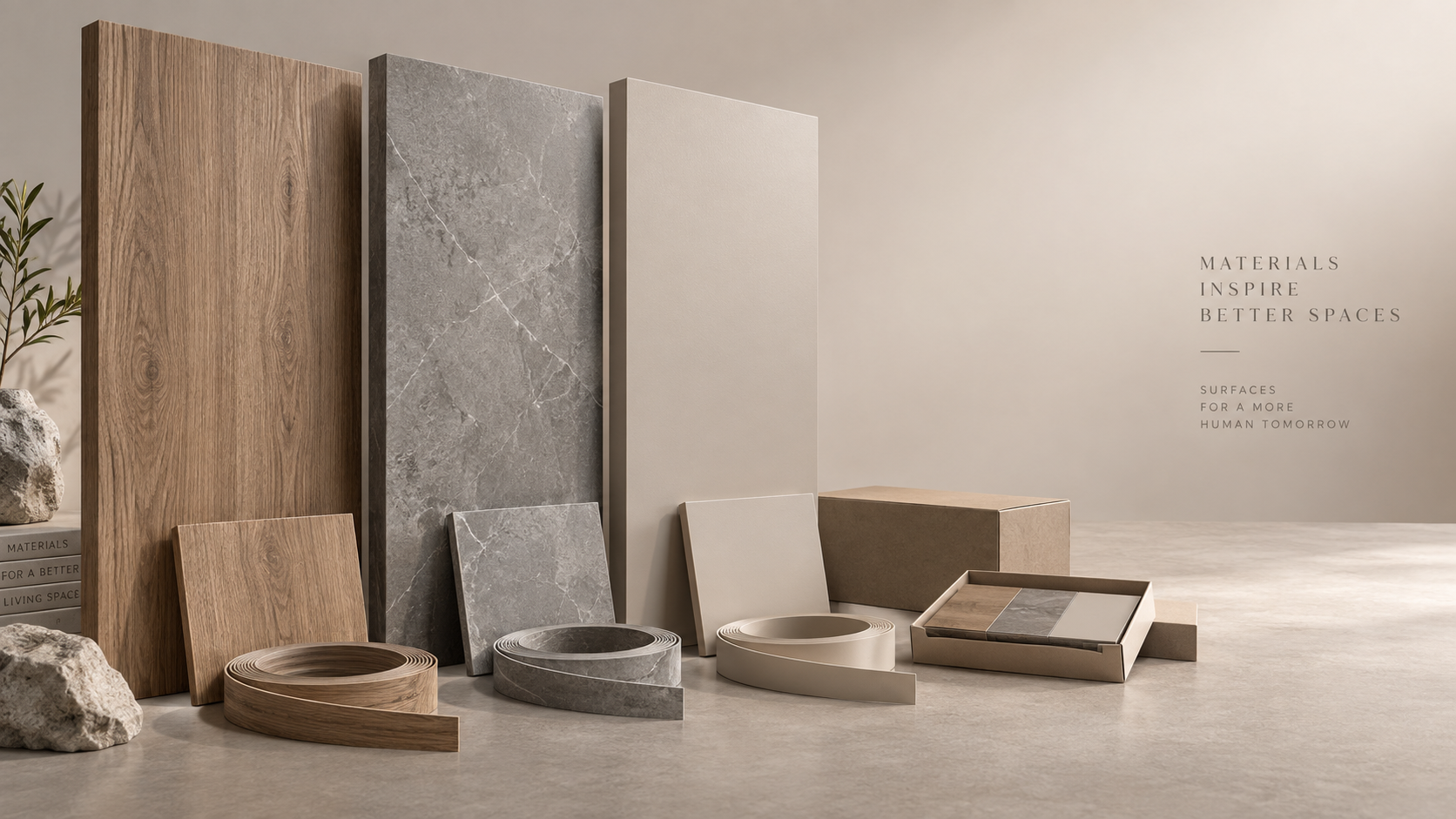
Where design intent includes warmth and texture, wood-grain decorative panels may be considered alongside broader wall strategies. For example, High-End Wood Grain-MLMW1145-4FG may suit projects seeking a refined finish, but the evaluation should still tie surface selection to the room’s actual acoustic objectives.
Moisture Stability and Dimensional Reliability Affect Long-Term Appearance
Wall panels in commercial interiors are expected to maintain alignment, joint consistency, and surface appearance across changing indoor conditions. Dimensional instability can lead to visible gaps, warping, edge stress, and a decline in perceived quality.
Hotels and offices may experience cyclical temperature and humidity changes due to HVAC operation, occupancy patterns, and façade exposure. Clinics may have stricter environmental control, but some zones still see demanding cleaning and moisture conditions.
Technical evaluators should look at substrate composition, moisture resistance, and installation tolerances. It is also useful to understand whether the panel system requires acclimatization before installation and how it behaves at transitions or large wall expanses.
Even high-end decorative surfaces can lose value if joints become inconsistent after installation. A technically stable panel system supports both aesthetics and long-term performance, which is especially important in visible public-facing areas.
Installation Efficiency Can Influence Total Project Risk
In commercial fit-outs, material selection affects not only performance in use but also performance during construction. Panel systems that install efficiently can reduce labor pressure, shorten program duration, and lower the risk of rework.
This matters because offices often work within tight tenant handover timelines, hotels may coordinate phased openings, and clinics can face strict commissioning schedules. Delays in interior finishing can disrupt multiple downstream trades.
Evaluators should examine panel size, weight, cutting requirements, fixing methods, and substrate preparation needs. Prefabrication potential, joint simplicity, and replacement practicality are also relevant, especially in spaces that may require future maintenance access.
A technically strong panel that is difficult to install consistently may still create quality issues on site. Reliable systems are those that translate well from specification documents to real installation conditions with manageable workmanship sensitivity.
For this reason, detailed installation guidance and system support from the supplier can be as valuable as the panel itself. It helps reduce ambiguity and improves the chance that tested performance is reproduced in the finished interior.
How to Compare Panel Options More Effectively
When several products appear similar on the surface, technical evaluators need a disciplined comparison method. The most useful approach is to rank requirements by project-critical impact rather than giving every criterion equal weight.
For a clinic, hygiene, fire behavior, cleanability, and chemical tolerance may rank above decorative variety. For a hotel, impact resistance, appearance retention, and maintenance efficiency may be more commercially significant. For offices, acoustics and design flexibility may carry greater weight.
It is also helpful to separate mandatory compliance criteria from preference-based criteria. This avoids spending too much time comparing finishes before confirming that the panel system can actually meet the project’s operational and regulatory needs.
Documentation quality is another important signal. Suppliers that provide clear technical data, installation instructions, and application guidance are generally easier to work with during specification, procurement, and execution.
In some projects, a decorative option such as High-End Wood Grain-MLMW1145-4FG may fit the desired visual language well. Even then, the final decision should rest on documented suitability for the intended environment rather than aesthetic alignment alone.
What to Ask Suppliers Before Final Approval
Before approving a wall panel system, technical evaluators should request evidence that goes beyond a product brochure. Fire reports, relevant test standards, maintenance guidance, and substrate or assembly details should all be available for review.
They should also ask where the product performs best and where it may be less suitable. Honest application limits are often a sign of a mature supplier and can help prevent specification mistakes in demanding environments.
Maintenance expectations deserve explicit discussion. A panel that requires specialized cleaning products, frequent refinishing, or difficult spot repair may introduce operational burdens that are not obvious during design review.
Finally, evaluators should confirm whether the visual sample, tested product, and supplied product are fully aligned. Differences in finish layer, core composition, or installation method can materially affect real-world performance.
Conclusion
Choosing Commercial Interior Wall Panels for offices, hotels, and clinics is ultimately a matter of matching performance evidence to operational reality. Fire safety, hygiene, durability, acoustics, dimensional stability, and installation efficiency all shape whether a panel system will succeed after handover.
For technical evaluators, the strongest decisions come from treating wall panels as performance assemblies rather than decorative surfaces alone. When specifications are reviewed with that discipline, it becomes much easier to identify solutions that protect compliance, support maintenance, and preserve design intent over time.
In a market with many visually similar options, verified technical data remains the clearest basis for judgment. That is the standard that helps commercial interiors perform well not only at opening, but throughout their service life.
RECOMMEND

Oct 03, 2026
Can Designers Order Private-Label Decorative Panels?
Private label decorative panel production for designers creates distinctive, repeatable finishes. Explore customization, sampling, performance, and branding options.
Oct 02, 2026
Are Waterproof Interior Wall Panels Suitable for High-Humidity Commercial Areas?
Waterproof interior wall panels for high humidity commercial use: discover how sealed joints, suitable substrates, and proper installation deliver durable, hygienic wall protection.
Oct 01, 2026
Are Lightweight Composite Wall Panels Lighter Than Traditional Materials?
Lightweight composite wall panels vs traditional materials weight: compare kg/m², installation benefits, and key fire, fixing, and code factors.
Sep 30, 2026
How to Select Fireproof Waterproof Wall Panels for Commercial Spaces
Luxury interior wall panels with stone texture finish options: learn how to select fireproof, waterproof systems for durable, elegant commercial spaces.