

A Buyer's Checklist for Selecting Commercial Interior Panel Solutions for a Medical Facility
Start with the Real Problem: What Fails First in a Medical Facility?
When you are sourcing materials for a medical facility, the most honest question to ask upfront is not “which panel looks best?” but rather “what will fail first, and how quickly will it create a problem?”
In real-world healthcare environments, the surfaces that look good on day one often begin showing signs of wear within the first year. Corners peel. Moisture gets behind the edge seals. Cleaning agents dull the surface. And once a panel starts degrading, it becomes a hygiene risk, not just a cosmetic one.
Commercial interior panel solutions for a medical facility must be selected with a very specific tolerance for constant cleaning, occasional impact, and strict fire codes. The decision is not about finding the most expensive option or the cheapest one. It is about understanding which material properties actually matter in your specific use zones.
Three Non-Negotiable Performance Criteria
Before you look at color samples or compare pricing sheets, you need to confirm that any panel under consideration meets three baseline requirements. If a product fails on any of these, it does not belong in a healthcare environment, regardless of how attractive or affordable it is.
1. Surface Hygiene and Cleanability
Medical facilities clean surfaces aggressively. That means bleach-based disinfectants, hydrogen peroxide wipes, and quaternary ammonium compounds are applied daily, sometimes multiple times per shift. A panel that cannot withstand repeated exposure to these chemicals will degrade, discolor, or lose its protective top layer.
Look for panels with a non-porous, sealed surface that does not trap bacteria in microscopic crevices. Textured surfaces can be acceptable, but only if the texture is engineered to be cleanable without scrubbing damage. If the surface requires special cleaning protocols not already used by your housekeeping staff, you are introducing a compliance risk.
2. Fire Safety Compliance
Healthcare facilities in most regions have stricter fire safety requirements than standard commercial buildings. Panel materials must meet specific flame spread and smoke development ratings. This is not a suggestion; it is a legal and insurance requirement.
When reviewing product specifications, look for documented fire test results. Do not rely on general claims like “fire resistant.” Ask for the specific class rating and the standard it was tested against. If a supplier cannot provide this documentation in writing, move on. The risk of a non-compliant installation is too high.
3. Impact and Moisture Resistance
Hospital corridors see constant traffic from gurneys, wheelchairs, and equipment carts. Wall panels in these areas will take hits. A panel that dents easily or cracks on impact creates a maintenance issue that is expensive to fix and difficult to schedule in an occupied building.
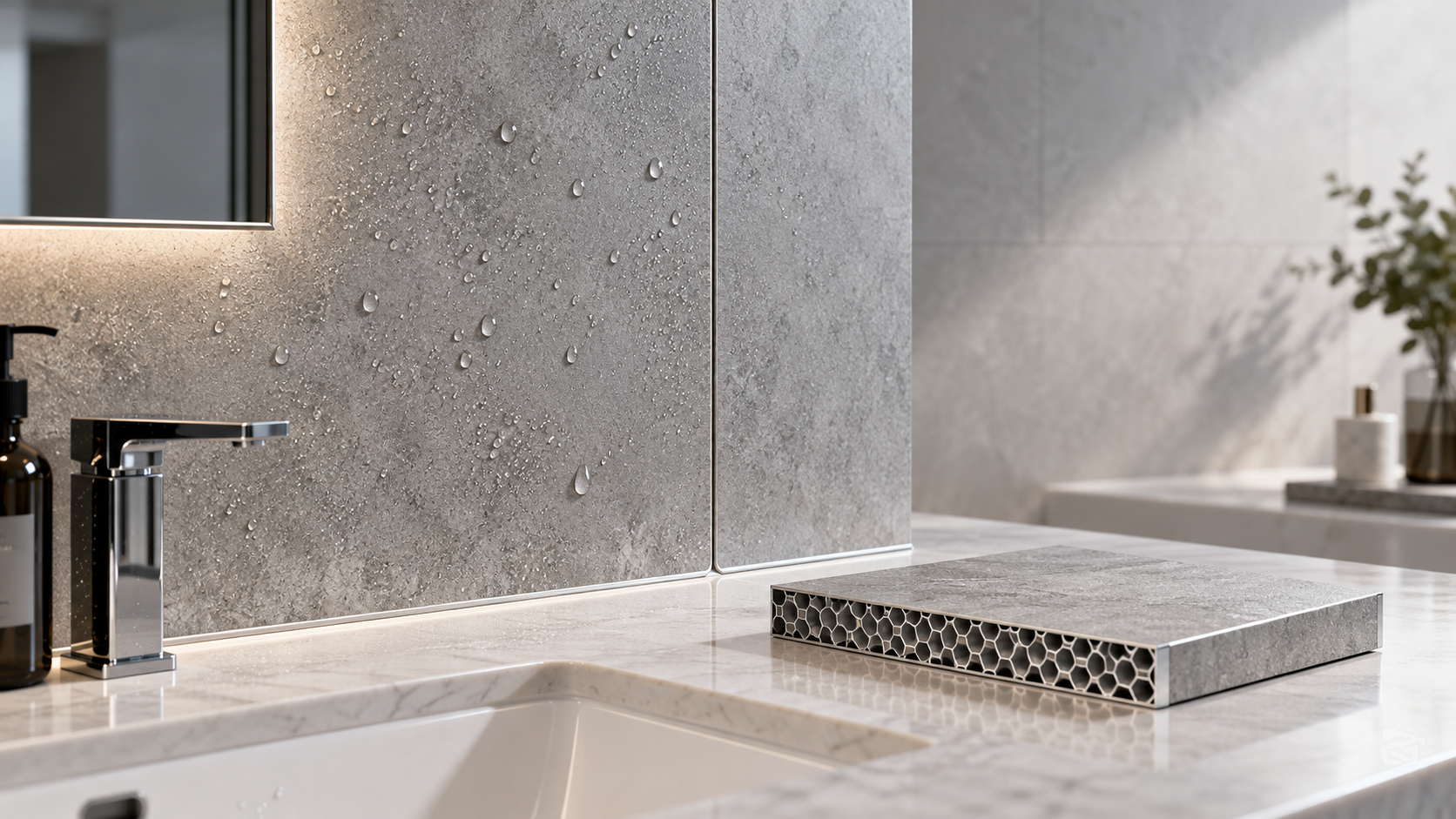
Moisture resistance is equally critical. Bathrooms, nurse stations near sinks, and cleaning supply rooms all have high humidity. If moisture gets behind a panel, it can cause mold growth, delamination, and structural damage to the substrate. The panel edge detail and joint sealing method matter just as much as the panel core material.
Where Most Procurement Teams Get It Wrong
One of the most common mistakes in selecting commercial interior panel solutions for a medical facility is treating all areas of the building as if they have the same requirements. They do not.
A patient room wall has different needs than a public corridor. A surgical suite has different requirements than a waiting area. And a behavioral health unit has constraints that are completely distinct from a general medical office.
Procurement teams often default to a single panel solution for the entire facility to simplify ordering and installation. This is understandable from a logistics perspective, but it can lead to over-specifying in some areas and under-specifying in others. The better approach is to define three or four usage zones and match panel performance to each zone's real demands.
How to Define Your Facility’s Usage Zones
Take a practical approach. Walk through the facility plan and identify the following zones:
- High-impact, high-traffic corridors: These areas need panels with superior impact resistance and easy repairability. Scratches and dents will happen. The question is how noticeable they are and whether they can be spot-repaired without replacing entire sections.
- Patient rooms and exam areas: Hygiene and ease of cleaning are the top priorities here. The panel surface should be seamless or have well-sealed joints. Avoid materials with open seams or porous edges that can collect dust and biological matter.
- Wet areas and bathrooms: Waterproofing is non-negotiable. The panel material itself must be impervious to moisture, and the installation method must prevent water ingress behind the panel.
- Behavioral health and containment areas: These require panels that are impact-resistant, cannot be easily disassembled or used as a weapon, and have no sharp edges or gaps. Standard commercial panels rarely meet these requirements without modification.
Once you have identified these zones, you can evaluate panel solutions against the specific demands of each zone, rather than trying to find one product that does everything adequately.
What to Look for in Product Documentation
When you are reviewing technical data sheets, do not just skim for numbers. Pay attention to what is tested and what is not. For example, a panel may have excellent fire ratings but no data on chemical resistance. Or it may have good impact data but only for a specific temperature range.
Here are the specific data points you should be able to find for any commercial interior panel solution you are seriously considering:
- Flame spread and smoke development ratings (with the test standard cited)
- Chemical resistance test results for common healthcare disinfectants
- Impact resistance measurements (e.g., ASTM D2794 or similar)
- Moisture absorption percentage
- Surface hardness and abrasion resistance
- Installation joint treatment recommendations
If a supplier cannot provide this documentation, or the data is from a different product line, ask for clarification. Generic claims without supporting test data are not reliable for healthcare procurement.
Installation Quality Is Part of the Decision
Even the best panel will perform poorly if the installation is wrong. When you evaluate suppliers, ask about their recommended installation methods and whether they provide on-site training or supervision for the installation team.
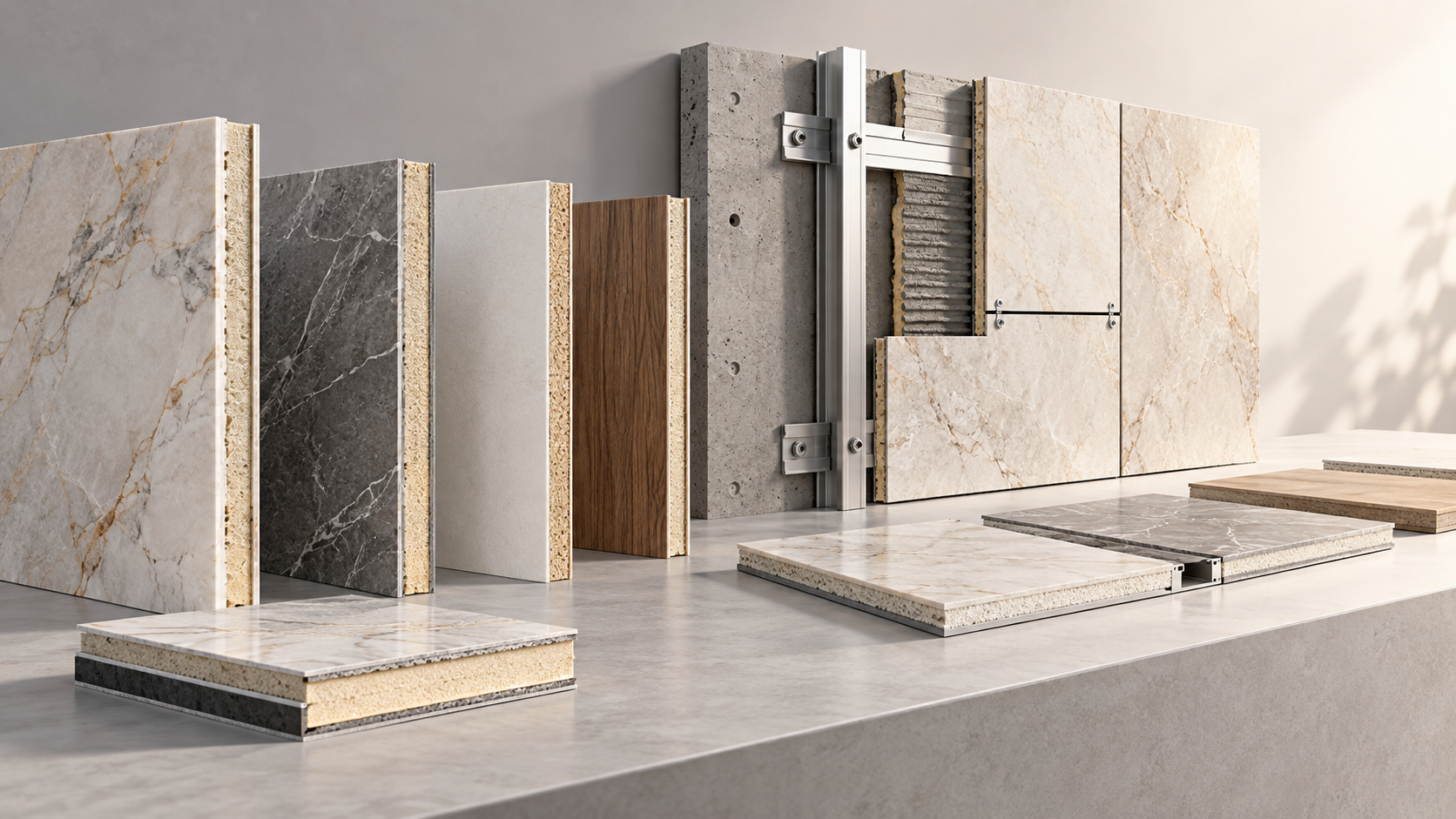
Pay special attention to edge detailing, joint sealing, and transitions between panels. These are the most common failure points. A gap at a joint, a poorly sealed edge near a sink, or a transition strip that lifts over time can all compromise the entire wall system.
If your facility is already operating, consider the disruption of installation. Can panels be installed in phases? Will the installation method require relocating patients or shutting down sections of the building? These operational considerations should factor into your material choice, especially if speed of installation is a priority.
Balancing Cost with Long-Term Performance
Healthcare procurement often operates under tight budgets, but the cheapest panel per square foot is rarely the most cost-effective over a five-year period. Consider the total cost of ownership, which includes maintenance, replacement frequency, and the cost of downtime during repairs.
A panel that costs more upfront but resists chemical damage, does not need repainting, and can be spot-repaired will often save money in the long run. Conversely, a low-cost panel that requires frequent replacement or special cleaning products may end up costing more overall.
When comparing pricing, request a breakdown of material cost, installation labor, and any required accessories like trim, sealants, or adhesives. Some panel systems appear inexpensive until you add up the necessary installation components.
One Practical Option to Consider
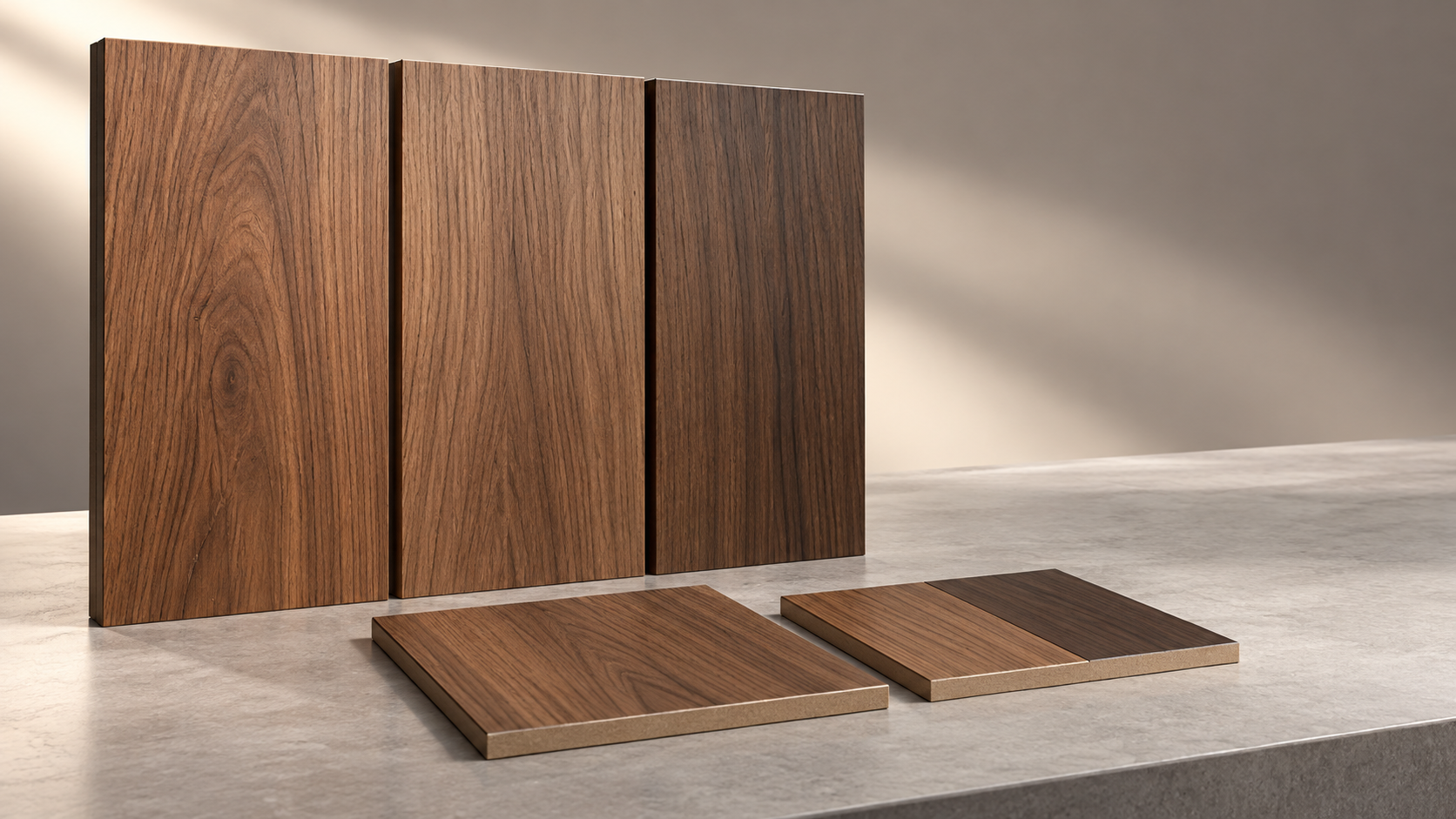
If you are looking for a commercial interior panel solution that balances hygiene, durability, and aesthetics, one product worth examining is the Fabric Grain-MLBW052. This panel is designed with a sealed surface that resists common healthcare cleaning agents while providing a finish that helps reduce visual noise in patient areas. It is suitable for zones where both appearance and cleanability are required, such as patient rooms or consultation areas.
As with any product, verify that the specific performance data matches your facility's requirements. But it is a good example of the type of panel that bridges the gap between clinical performance and aesthetic comfort.
Your Next Step: Create a Shortlist Based on Conditions, Not Brand
Before you start contacting suppliers, write down the specific conditions your panels will face. Do not rely on general assumptions. Be specific about cleaning chemical types, expected impact frequency, moisture exposure, and fire code requirements.
Then, for each panel on your shortlist, ask one question: does this product solve the real problems of the zone where it will be installed? If the answer is yes for most zones, you have a viable candidate. If the answer requires a lot of caveats or workarounds, keep looking.
Selecting commercial interior panel solutions for a medical facility is not about finding the perfect product. It is about finding the right product for each zone, verifying its performance claims, and ensuring the installation method supports long-term durability. Get those three things right, and you will have a facility that performs well for years.
RECOMMEND

Oct 27, 2026
Are Aluminum Honeycomb Panels Moisture-Resistant Enough for Bathrooms?
Explore aluminum honeycomb panel moisture resistance for bathrooms. Learn how finishes, sealed edges, and waterproofing help you choose suitable panels for walls, ceilings, and showers.
Oct 27, 2026
How Are Custom Veneer Panels Color-Matched for High-End Interiors?
Explore custom veneer panels color matching for high-end design. Discover how veneer selection, finishes, and lighting create cohesive, luxurious interiors.
Oct 26, 2026
How Do You Choose Fire-Resistant Composite Panels for Commercial Use?
Choose fire resistant composite panels for commercial interior projects. Learn how to verify fire documentation, compare options, and avoid costly specification mistakes.
Oct 26, 2026
Are Meilin Board Custom Panels Suitable for Luxury Hotel Lobbies?
Explore Meilin Board custom decorative panels for luxury hotel lobbies. Discover design considerations and essential fire, emissions, and maintenance checks before specifying your project.