What Should You Do if Cut-to-Size Panels Arrive the Wrong Size?
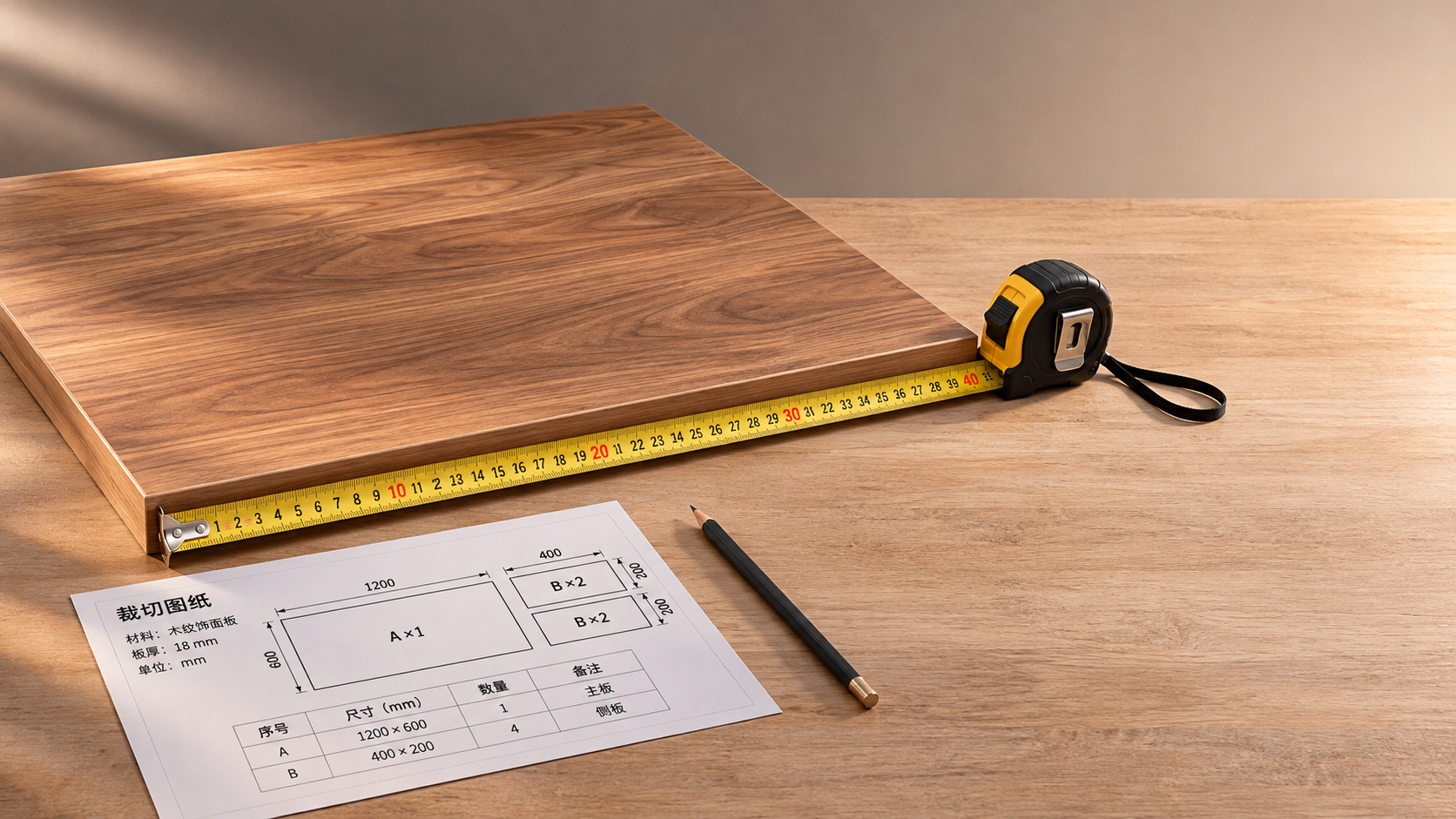
If cut-to-size panels arrive with incorrect dimensions, do not cut, drill, install, or discard them immediately. Check the measurements against the final approved order, record the discrepancy, and notify the supplier promptly. An oversized panel may be usable after recutting, but a panel that is too small, incorrectly machined, or finished on the wrong edge may need replacement.
The right remedy depends on more than the difference between the ordered and delivered sizes. Measurement tolerances, edge treatments, decorative patterns, installation clearances, and the cost of delaying the work can all affect whether the panels should be adjusted, replaced, or credited.
How do you confirm that the panels are the wrong size?
Compare the delivered panels with the documents that formed the final agreement, rather than relying only on an initial quotation or an installer’s notes. Relevant records may include the purchase order, approved cutting list, shop drawings, order confirmation, and any later written revisions.
Check that you are comparing the same dimensions. A cutting list may identify panels by length and width, while a drawing may use height and width according to the installed orientation. Confirm whether the stated size includes edge banding, whether dimensions are in millimeters or inches, and whether the order describes finished dimensions or an intermediate cutting size.
Use a suitable, readable measuring tool and place the panel on a stable, flat surface. For each disputed panel:
- Measure the length and width at more than one point, particularly near both ends.
- Check thickness if it affects a groove, frame, hardware, or adjoining surface.
- Measure corner to corner when squareness is in doubt; unequal diagonals can indicate that a rectangular panel is out of square.
- Check the position and size of any holes, cutouts, grooves, or notches against the approved drawing.
- Note the panel identification number, quantity affected, and which edges have been finished.
For example, a panel can have the correct nominal length and width yet still fail to fit because a cutout is offset or an edge is not square. Conversely, a panel that looks too large against an uneven wall may match the order exactly; the mismatch may come from the site measurement or the allowance needed for fitting.
Do not force a flexible or slightly bowed panel flat in a way that makes the measurement misleading. Record its condition and ask the supplier how dimensions should be checked for that product. Temperature and humidity can affect some materials, but acclimatization is not a substitute for resolving a clear discrepancy against the agreed specification.
Does a small dimensional difference mean the order is defective?
Not necessarily. The relevant comparison is with the agreed dimensions and the applicable tolerance, not with an assumption that every cut edge must be exact. Look for tolerances in the order confirmation, product specification, approved drawing, or terms incorporated into the contract. If the documents conflict or say nothing about tolerance, ask the supplier to identify the basis it used rather than accepting an unexplained limit after delivery.
A panel can also fall within a stated tolerance and still create an installation problem. A narrow opening, a sequence of adjoining panels, or a tight-fitting frame may leave little room for variation. Whether the supplier is responsible for that incompatibility depends on what dimensions, clearances, and intended use were communicated and agreed before production.
When checking a group of panels, assess how their differences affect the assembly. A series of panels that are each slightly wide can produce a noticeable cumulative mismatch. Record the individual measurements and compare the overall layout with the approved drawing; measuring only one panel may not explain why the installation no longer lines up.
What evidence should you collect before contacting the supplier?
Keep the evidence clear enough for someone who has not seen the shipment to understand what was ordered, what arrived, and which items are affected. Useful records include:
- The order number, delivery date, and relevant purchase-order or cutting-list revision.
- Panel labels, packaging labels, and any batch or item identifiers.
- A measurement record showing the ordered size, actual size, unit of measurement, and quantity affected.
- Photos showing the full panel and close-ups with the measuring tool clearly positioned at the relevant edges.
- Photos of packaging and delivery damage, if damaged edges make the dimensions difficult to verify.
- The approved drawing showing finished edges, orientation, machining, and cutout locations where relevant.
Use a consistent reference point for holes and cutouts. A photo of a tape measure stretched across a panel is less useful if it does not show which edge the measurement starts from. For a large order, a simple item-by-item table can separate isolated errors from a repeated cutting or labeling problem.
Retain the packaging and protect the panels from further damage while the claim is being assessed. If the shipment arrived visibly damaged, record that condition promptly and follow the applicable delivery and carrier notification requirements. Transport damage and a manufacturing size error may involve different parties, even when both affect the same panel.
How should you report the problem?
Send the supplier a written notice as soon as the discrepancy is established, especially where the order terms contain a reporting deadline. State the facts without assuming the cause: identify the affected panels, the approved dimensions, the measurements taken, and the impact on the planned installation. Attach the relevant evidence and ask for a written response.
A concise report might read:
“Under order 248, panel B3 was approved at 1,200 × 600 mm, with edge banding on the two long sides. The delivered panel measures 1,212 × 600 mm at both ends, measured over the finished edges. Two panels are affected. The approved cutting list and measurement photos are attached. Please confirm whether you propose replacement or authorize local recutting, including treatment of the affected edge and associated costs.”
Adapt the wording to the actual order. In particular, distinguish between a panel that was cut incorrectly and one that matches the approved cutting list but does not fit the site. The distinction matters because the remedy and allocation of costs may differ.
Ask the supplier to confirm who will arrange collection, whether the panels must remain available for inspection, and whether any return authorization is required. Do not assume that shipping the panels back immediately will accelerate the claim; an unapproved return can create additional cost or make identification harder.
Can oversized panels be cut down on site?
Sometimes, but only after checking both technical suitability and responsibility for the work. Recutting may be practical when the excess is on an accessible edge, the panel material can be safely processed with available equipment, and the finished appearance and performance can be restored.
Before approving a cut, check what will be removed. Trimming a decorative panel can:
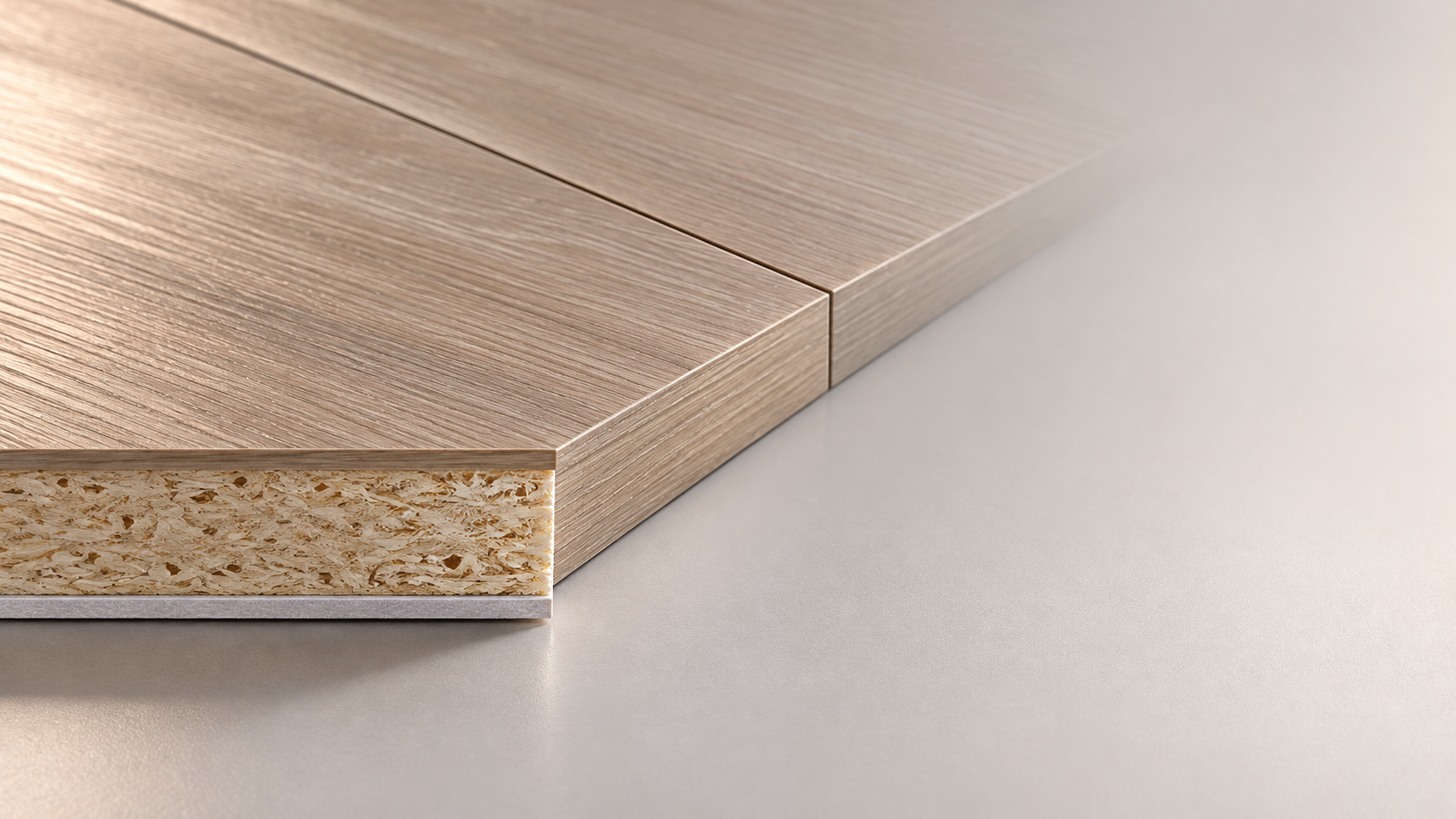
- Remove edge banding or a sealed edge, leaving the core exposed.
- Change the alignment of a grain, printed pattern, joint, or matched set.
- Move a hole, groove, or fixing point too close to an edge.
- Damage a surface coating or cause chipping if the cutting method is unsuitable.
- Alter a component whose fire performance or other specified properties depend on its construction.
If a finished edge must be cut off, determine who will supply and apply a compatible replacement finish. A physically smaller panel is not necessarily an acceptable finished panel if its appearance, moisture protection, or installation details have changed.
Obtain written authorization before modifying disputed goods. The agreement should specify which panels may be recut, the required finished dimensions and edge treatment, who performs the work, and who pays for labor, materials, transport, and any resulting waste. Check whether the modification affects the supplier’s warranty or other contractual commitments.
Use material-specific cutting and dust-control procedures. Where a panel’s composition, coating, or safe processing requirements are unclear, obtain the manufacturer’s instructions before work begins.
What if a panel is too small or has the wrong cutout?
A panel that is undersized cannot normally be made larger by trimming. It may still be usable in a different position or with a design change, but only if the revised installation is acceptable. Adding a cover strip, changing a joint, or substituting another panel can affect appearance, fixing, clearance, and the approved design.
An incorrectly positioned hole or cutout requires a similar assessment. The overall panel size may be right, but the error may leave exposed openings, interfere with hardware, or weaken the material around a fixing. Filling or covering the opening is not automatically equivalent to receiving the specified panel. Confirm whether the visible result and structural function are acceptable before agreeing to a repair.
For a decorative surface with a directional grain or matched pattern, exchanging two panels between locations may seem simple but can disrupt the intended layout. Verify the orientation and surrounding pieces before treating a substitution as a solution.
Who pays for replacement, recutting, or delays?
Responsibility depends on the cause, the agreed specifications, contract terms, and applicable law. If the delivered panels differ from the approved dimensions beyond the applicable tolerance, the supplier may offer replacement, recutting, a credit, or another negotiated remedy. If the supplied panels match an approved cutting list that contained an error, the outcome may be different.
Separate the direct remedy from related project costs. A replacement panel addresses the nonconforming item, but it does not automatically answer who pays for removal, return freight, storage, a second installation visit, or schedule disruption. Raise those costs explicitly and keep supporting records. Whether they are recoverable depends on the agreement and the circumstances; do not assume that they are included in a replacement offer.
For cross-border orders, also confirm the practical details of any remedy: who arranges freight, who handles import or export documentation if goods are returned or replaced, and whether additional charges will arise. The applicable delivery terms and contract should be reviewed alongside the supplier’s proposal rather than relying on a verbal promise that the replacement is “free.”
Should the rest of the installation continue?
Continue only with work that will not conceal the problem, damage disputed panels, or make the final layout impossible to adjust. Check adjacent dimensions before fixing unaffected pieces: a wrongly sized panel in the middle of a run can shift joints or leave an unacceptable gap at the end.
If the schedule is critical, ask for a decision by a specific date and compare the practical options. A locally authorized recut may be faster than a replacement shipment, but only if the finish and performance can be restored. Replacement may be the safer choice for a panel with complex machining or a matched decorative face, even when it takes longer.
Record the agreed remedy in writing before work proceeds. The record should identify the affected items, the action authorized, the expected completion or dispatch arrangements, and the allocation of known costs. Keep the original measurement evidence until the replacement or correction has been accepted and the installation fit has been checked.
Next:No more content
RECOMMEND

Nov 11, 2026
What Should You Do if Cut-to-Size Panels Arrive the Wrong Size?
What should I do if cut-to-size panels arrive with incorrect dimensions? Learn how to document the issue, contact your supplier, and secure the right remedy.
Nov 11, 2026
What Cutting Tolerance Should You Specify for Custom Wall Panels?
What cutting tolerance should I specify for custom wall panels? Learn how to balance joint appearance, material movement, site conditions, and installation fit.
Nov 10, 2026
How Do You Match Wood Grain When Ordering Replacement Panels?
How do I match wood grain panels when ordering replacements? Discover how to compare grain, color and finish, and approve samples for a seamless-looking result.
Nov 10, 2026
Does Cutting a Fire-Rated Composite Panel Affect Its Rating?
Does cutting a fire rated composite panel affect its rating? Learn how cuts, edges and installation details can affect compliance before you start your project.