Stone-Look Wall Panels vs Natural Marble in Hotels: A Specifier's Comparison
Stone-Look Wall Panels vs Natural Marble in Hotels: A Specifier's Comparison
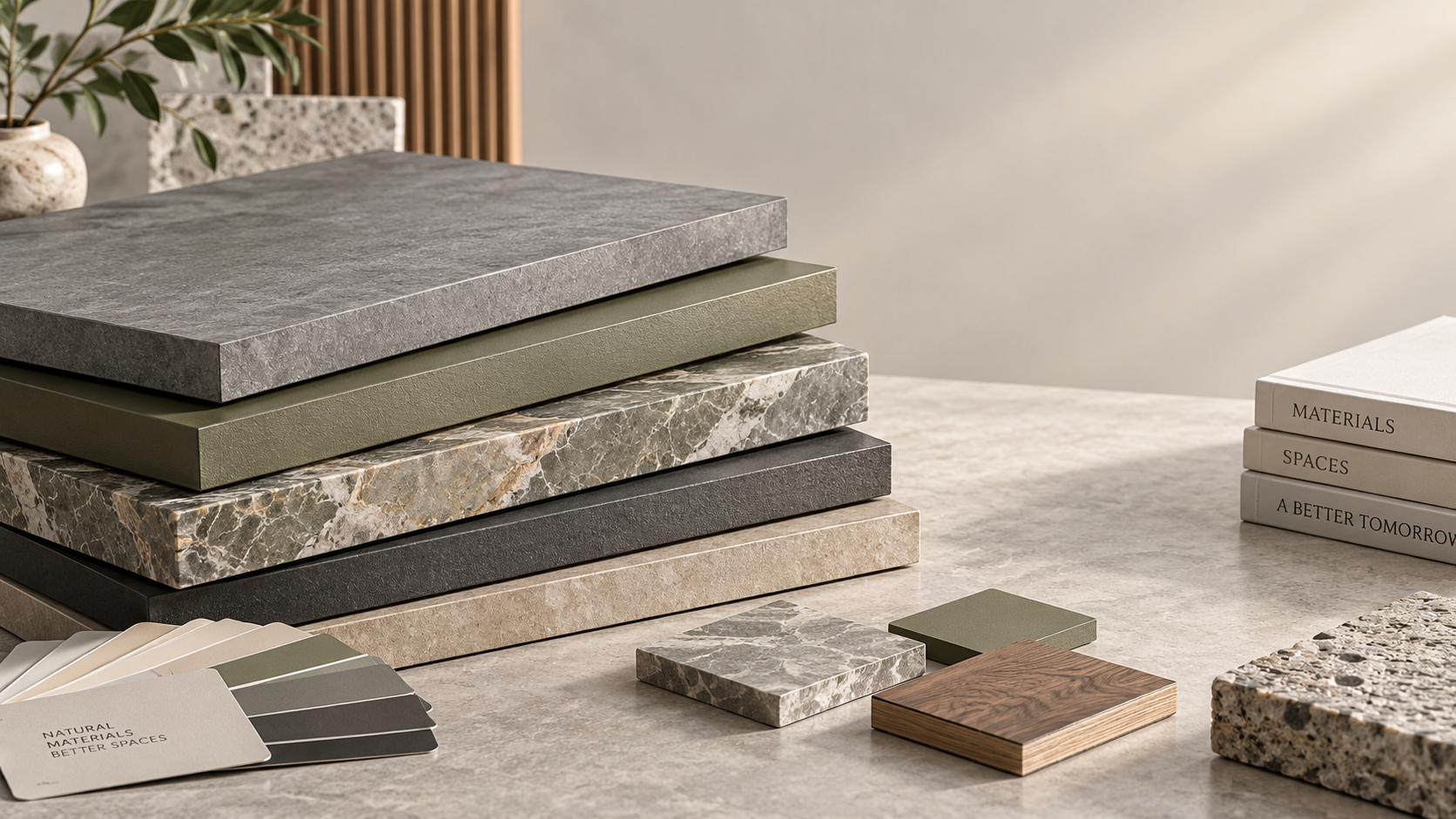
For a hotel fit-out, the stone-look versus natural marble question is decided by four constraints before taste enters the room: wall load, quarry lead time, visual consistency across rooms, and fire documentation. Answer those four and the material choice usually makes itself.
The four constraints that decide it
1. Dead load. A 20–30 mm marble slab weighs several times more per square meter than a 5 mm laminated panel. If the wall is a lightweight partition, an upper floor, or a renovation where the structure was never engineered for stone, panels avoid the framing upgrades a slab package triggers. If the wall is engineered for stone from the start, this constraint disappears.
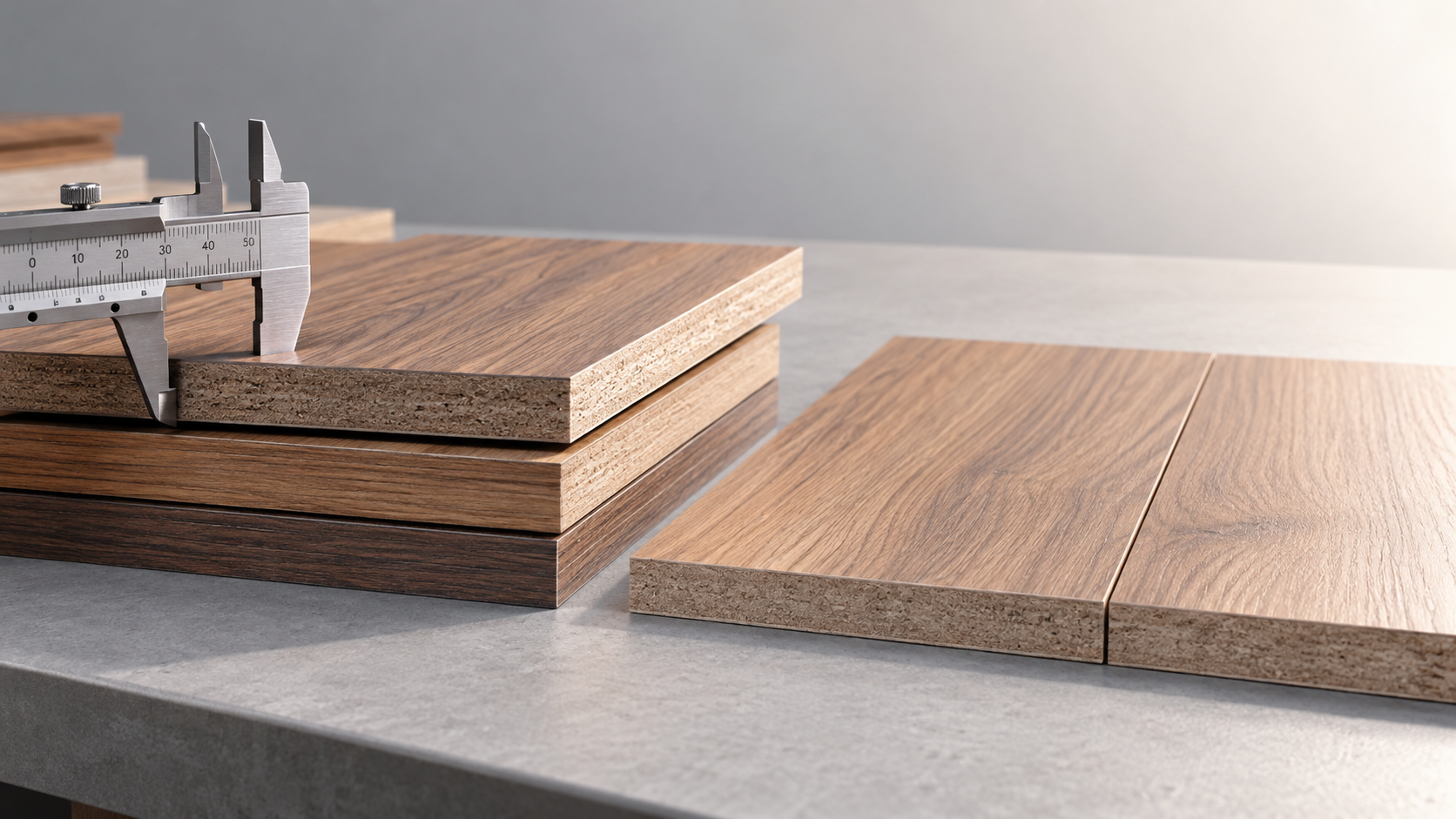
2. Lead time. Natural marble runs on a quarry chain — block to slab to finish — and a book-matched lot quoted at concept stage may not be available, or may arrive with different veining, at installation time. Panels are produced to a repeatable pattern against a confirmed sample, so the schedule follows production, not geology.
3. Consistency across rooms. A 200-key hotel needs the same look in every corridor, on every floor, and in phase two two years later. Stone varies by lot; that variation is precisely its value in a signature wall and precisely its problem in a repeated corridor. A film-laminated panel is batch-controlled against a master sample — the same reason buyers specify retained samples (see our article on batch color consistency).
4. Fire documentation. Natural stone is non-combustible (Euroclass A1 territory). Film-laminated panels are typically B1-class under GB 8624. If the code or the specifier demands a non-combustible assembly, decorative panels are out regardless of brand — that wall stays stone.
Side by side
If your project looks like this, use this
- Use natural marble when: the wall is a one-off signature surface; the design depends on book-matched or backlit veining; the code requires non-combustible material; the owner explicitly values material authenticity over schedule.
- Use stone-look panels when: the same finish must repeat across many rooms and floors; the schedule is fixed; the wall is a partition or renovation surface with load limits; later-phase and repair matching matters more than uniqueness.
- Use both when the budget allows the hybrid — and most serious projects do: marble on the reception hero wall, panels carrying the same tonality through corridors, elevator lobbies and guest floors. The hybrid also solves the maintenance asymmetry: high-contact corridor surfaces take the wipeable panel, the untouchable statement wall takes the stone.
The question that ends most debates
Ask the design team one question: "Does this wall need to be matchable in two years?" If the answer is yes — phased rollouts, brand standards, repairability — the manufactured panel with batch documentation wins on engineering grounds. If the answer is no, marble's irreproducibility stops being a defect and becomes the point.
FAQ
Q: Do stone-look panels look fake up close?
A: At reception-desk and corridor viewing distances, a high-grade film reads as stone. Under raking side light, the surface depth difference versus real stone is visible — which is why panels suit repeated functional walls and stone suits the hero wall it is compared against.
Q: Are panels cheaper than marble?
A: Installed cost is usually lower once you add the labor, framing and handling a slab package requires. Compare installed cost, not material price — and get both quotes against the same wall schedule.
Q: What about lobbies with heavy contact — trolleys, luggage, cleaning?
A: Impact zones need edge protection regardless of material. Panel systems handle this with grooved 90° corner folds and metal trim profiles instead of exposed raw edges.
Q: Which walls should stay real stone in a hotel?
A: The walls guests photograph: reception backdrops, feature walls in signature spaces. Everything that repeats belongs to the batch-controlled system.
Next:No more content
RECOMMEND

Nov 06, 2026
Stone-Look Wall Panels vs Natural Marble in Hotels: A Specifier's Comparison
Where stone-look panels beat marble (load, lead time, batch consistency) and where they can't (non-combustible code, authenticity).
Nov 05, 2026
E0, E1, ENF and CARB: Formaldehyde Standards Panel Buyers Should Know
E1, E0, ENF, CARB and F4-star explained with actual limits — and why an "E0" claim without a standard number cannot be verified.
Nov 04, 2026
Fire Ratings for Decorative Wall Panels: B1, ASTM E84 Class A and Euroclass Explained
B1, ASTM E84 Class A and Euroclass B come from three different test systems. Which fire document a wall panel project needs depends on where it is built.
Nov 03, 2026
How to Keep Wall Panel Color Consistent Across Batches and Repeat Orders
Color drift between batches is a process problem, not luck. The batch-control workflow buyers should write into the order before a repeat purchase.