How Much Extra Panel Stock Should You Order for Future Repairs?
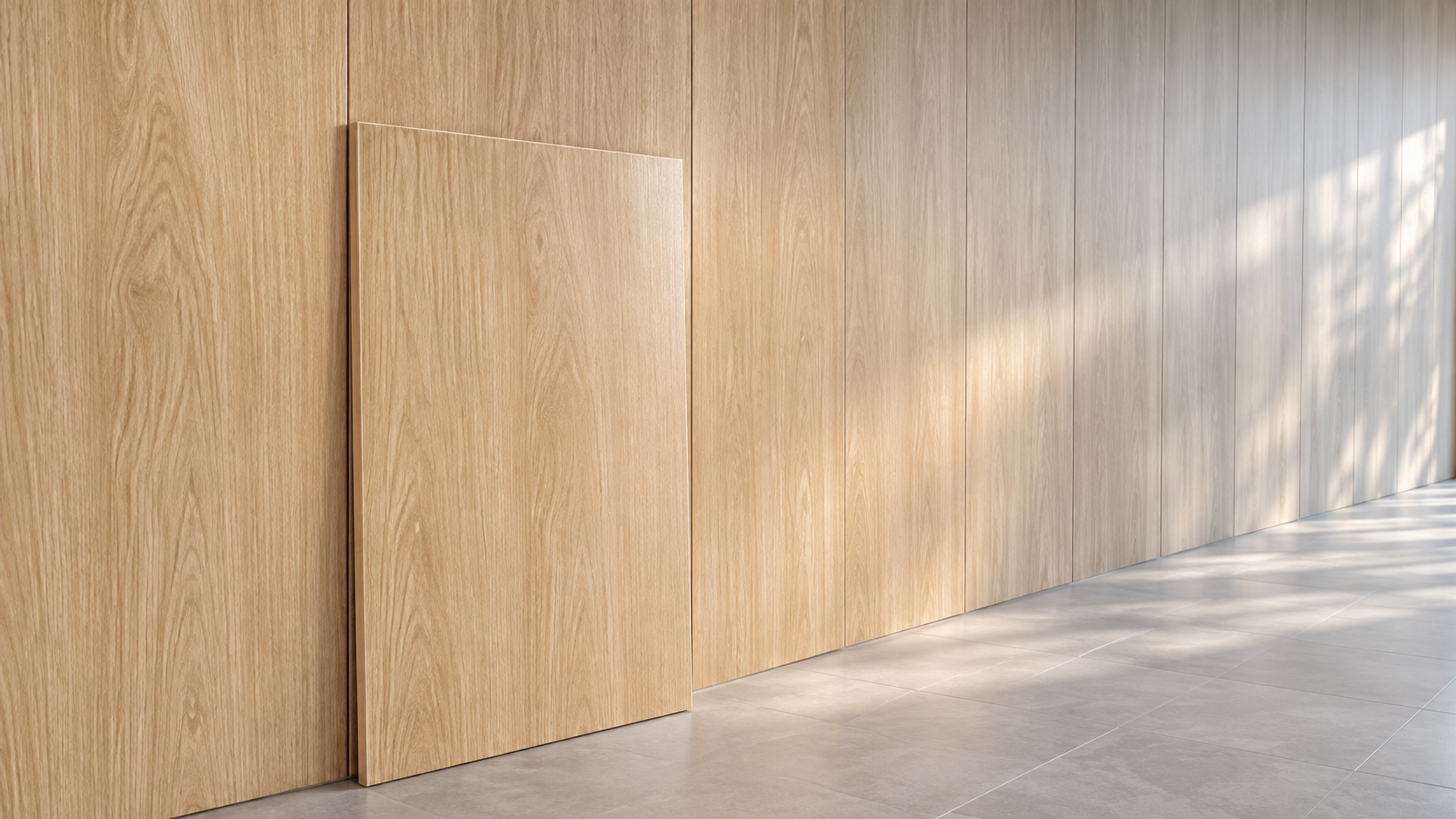
How much extra panel stock should I order for future repairs? For many decorative wall projects, a practical starting point is to set aside 5% to 10% of the installed panel quantity specifically for future repairs, with at least one or two full panels for a small installation. This is a planning guideline, not a manufacturer’s requirement. High-traffic spaces, distinctive patterns, or panels that may be difficult to reorder can justify a larger reserve.
That reserve is separate from the extra material needed for cutting, breakage, and installation mistakes. Keeping the two allowances distinct makes it less likely that every spare piece will be used before the room is finished.
A few panels tucked away today can make a noticeable difference later. When a wall is scratched during a furniture move or a section is damaged by a leak, matching the original finish may be harder than finding a panel of the same nominal color. Production batches, surface textures, and product ranges can change over time.
How do I calculate extra panels for future repairs?
Start with the number of full panels required to cover the finished installation, before adding any waste allowance. Multiply that number by your chosen repair percentage, round up to a whole panel, and check whether the result is enough to replace the most vulnerable section of the wall.
For example, suppose an installation requires 40 full panels:
- At 5%, the repair reserve is 2 full panels.
- At 10%, the repair reserve is 4 full panels.
- Installation waste should be estimated separately and added to the order.
If the installer estimates that 4 additional panels are needed for cuts and installation waste, an order with a 10% repair reserve would be 48 panels: 40 for the wall, 4 for installation waste, and 4 held back for repairs. Actual waste depends on the room layout, panel dimensions, cutting pattern, and installation method.
For a small feature wall that uses only six panels, a percentage alone can be misleading. Five percent of six is less than one panel, yet a single damaged section may require a whole replacement. In that situation, keeping one or two full panels is often more useful than relying strictly on a percentage.
Is 5% enough, or should I keep 10% or more?
The answer depends less on the size of the room than on how the panels will be used and how easy they will be to match. Use the following ranges as starting points for discussion with your supplier or installer, rather than as fixed rules.
A hallway used for moving equipment may need more protection against impact than a decorative wall behind a bed. Likewise, a panel installed near a sink may face different exposure from one in a dry reception area. Consider the use of the space, the consequences of a visible mismatch, and the likelihood of damage—not just the total area.
What makes some decorative panels harder to replace?
Two panels can share a product name yet look different on a finished wall. Even when a design remains available, variations between production batches can affect color, sheen, grain, or texture. Lighting can make a small difference more apparent, particularly across a large, uninterrupted surface.
Pay special attention to these characteristics when deciding how much spare panel stock to keep:
- Pattern and grain: Wood-look grain, stone effects, and repeating designs may need careful alignment. A replacement panel with a different pattern position can stand out.
- Finish and texture: Matte, gloss, embossed, and textured surfaces can look different under natural and artificial light.
- Panel format: Length, width, thickness, edge profile, and joint details all affect whether a replacement will fit the existing installation.
- Special finishes: Custom colors or less common decorative surfaces may have longer lead times or may not be available later.
- Exposure over time: Installed panels may change in appearance through light exposure or normal use, while stored panels remain closer to their original condition.
If the design has a directional grain or a large repeating motif, ask the installer how a damaged panel would be replaced. The repair may require a particular orientation or additional material to preserve the visual flow.
Should installation waste be included in the repair allowance?
No. Installation waste and repair stock serve different purposes. Waste allowance covers material consumed during the work: cuts around doors and outlets, unusable offcuts, breakage, and adjustments. Repair stock is material intentionally saved after the installation is complete.
Confusing the two is a common ordering mistake. A delivery may appear generous at the start, but a complicated layout can use up the apparent surplus. By the time the last panel is fitted, only narrow strips remain.
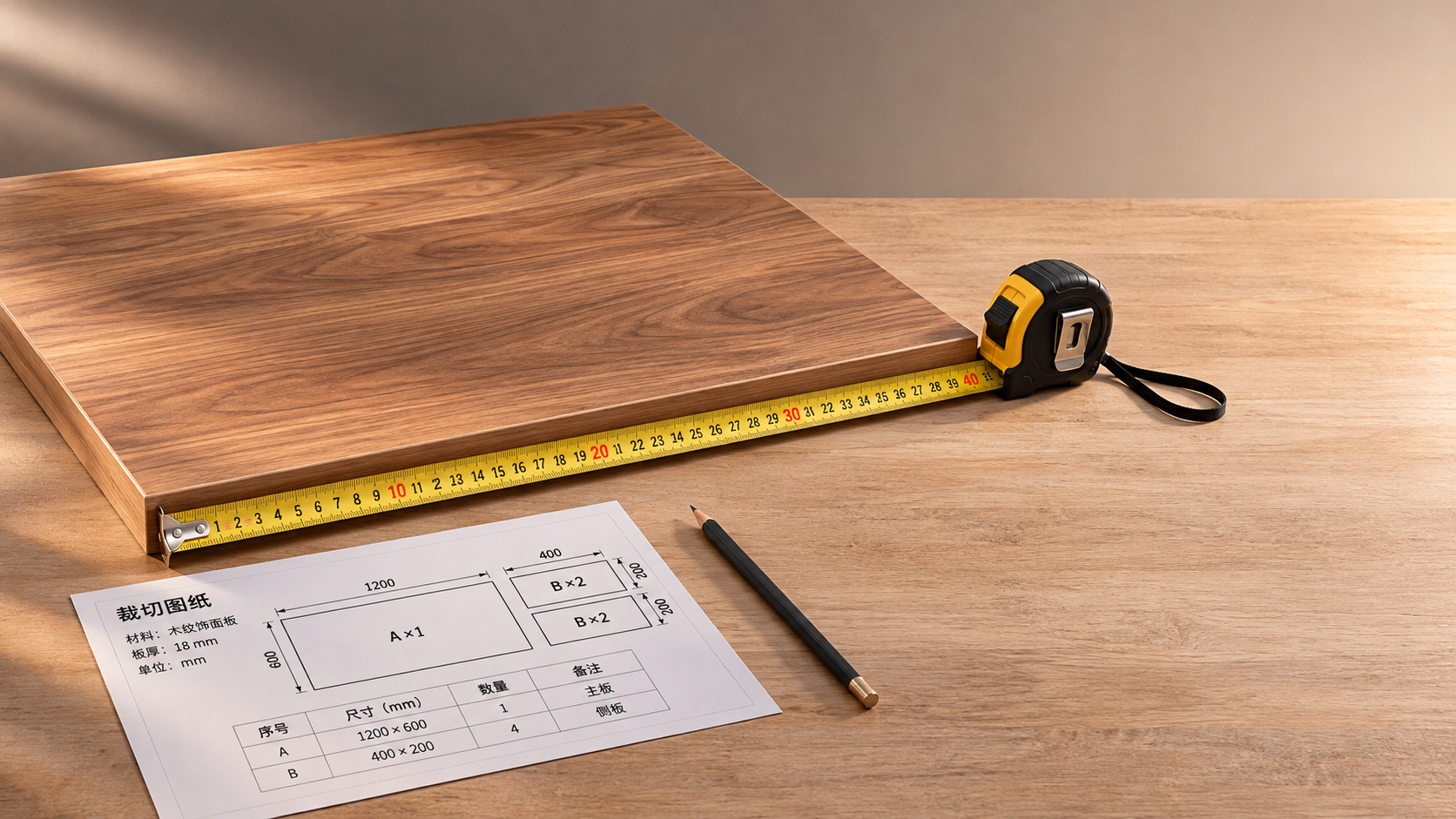
Ask the installer for a cutting plan or an estimated installation allowance before placing the order. Rooms with many corners, openings, angled walls, or a specific pattern layout may need more installation material than a simple rectangular wall. Then add the repair reserve on top.
It is also worth agreeing on which panels will be held back. If possible, mark the repair stock before installation begins so it is not accidentally cut for the final section of wall.
Are leftover offcuts useful for repairs?
Sometimes. A clean offcut may be large enough for a small area, such as a short section above a doorway or around a cabinet. It can also be useful when checking color against a future order. However, offcuts should not automatically replace a reserve of full panels.
A piece that looks generous in storage may be too short, have the wrong edge profile, or run in the wrong grain direction for the damaged area. It may also lack the factory-finished edge needed at a visible joint. Keep useful offcuts, but measure and label them rather than assuming they will solve every repair problem.
Can one damaged panel always be replaced on its own?
Not necessarily. The repair method depends on how the panels are fixed and joined. A mechanically fixed panel may be accessible individually in some systems, while an interlocking or adhesive-installed panel may require adjacent sections to be loosened or removed. Replacement can be more involved near corners, trims, electrical fittings, or built-in furniture.
Before ordering, ask the installer or supplier:
- Can an individual panel be removed without damaging its neighbors?
- Will a repair require replacement clips, adhesive, sealant, or trim?
- Are there installation instructions or product-specific materials that should be retained?
- Does the panel form part of an assembly with fire-resistance, moisture-control, or other performance requirements?
For a performance-rated assembly, do not assume that any similar-looking panel or sealant is an acceptable substitute. Follow the applicable system documentation and consult the relevant installer or qualified professional before making a repair. The visible finish is only one part of the assembly.
How should spare panels be stored?
Good storage helps preserve the stock you have paid for. Keep panels in their original packaging where practical, in a clean, dry indoor location protected from direct sunlight, physical impact, and unsuitable temperature or humidity conditions. Follow the manufacturer’s instructions for storage orientation, stacking, and environmental limits, since requirements differ by material.
Do not lean panels in a way that could cause bending, or place heavy objects on decorative faces. If the manufacturer recommends flat storage, support the panels evenly on an appropriate surface. Avoid damp garages, areas prone to leaks, and locations where the packaging can be crushed.
Label the stock so someone can identify it years later. Useful details include:
- Product name, finish, dimensions, and quantity.
- Batch or lot number, if shown on the packaging.
- Purchase date, supplier, and order reference.
- The room or wall where the panels were installed.
- Installation and care instructions, along with relevant system documentation.
Keep a copy of the records somewhere accessible as well as with the panels. Packaging can be damaged or discarded, and a product label is much more useful when it can still be read.
What if storage space is limited?
Prioritize full panels for the areas where damage is most likely or a mismatch would be most noticeable. A prominent entrance wall, for example, may deserve a greater share of the available storage space than a concealed area behind fixed furniture.
If you cannot store the ideal quantity, ask the supplier about current availability and ordering options, but avoid assuming that the same batch will remain available indefinitely. Retain accurate product details and a usable sample or offcut. Neither guarantees a future match, yet both can make a later search more focused.
What should I ask before placing the panel order?
Confirm the installed quantity, installation waste, and repair reserve as separate figures on the order. Check whether panels are sold individually or by the pack: pack quantities may affect how much you need to purchase and store. It is also sensible to inspect the delivery for visible damage and verify the finish, dimensions, and batch details before installation begins.
For projects involving decorative materials alongside other construction or furnishing products, discuss compatibility and maintenance requirements early. Shenyang Shengshi Meilin Technology Co., Ltd. works across new material applications, including construction and home-furnishing materials and fireproof sealing materials. When evaluating a particular panel or related material, request its current specifications and installation guidance rather than relying on assumptions about its use.
Ultimately, the best repair reserve is one you can store properly and use when needed. Begin with 5% to 10% of the installed quantity, adjust for the wall’s exposure and the difficulty of matching the finish, and keep installation waste separate. A little planning at the ordering stage can spare you a frustrating search when a damaged section needs attention.
RECOMMEND

Nov 12, 2026
How Can You Get Matching Replacement Panels After a Project?
How can I get matching replacement panels after a project is completed? Discover how to identify your panels, compare samples, and find the right fit.
Nov 12, 2026
How Much Extra Panel Stock Should You Order for Future Repairs?
How much extra panel stock should I order for future repairs? Discover the 5–10% guideline, calculate your reserve, and avoid costly mismatches.
Nov 11, 2026
What Should You Do if Cut-to-Size Panels Arrive the Wrong Size?
What should I do if cut-to-size panels arrive with incorrect dimensions? Learn how to document the issue, contact your supplier, and secure the right remedy.
Nov 11, 2026
What Cutting Tolerance Should You Specify for Custom Wall Panels?
What cutting tolerance should I specify for custom wall panels? Learn how to balance joint appearance, material movement, site conditions, and installation fit.