What Are Engineered Panel Systems
Engineered Panel Systems are multi-layer construction products designed to provide a controlled combination of appearance, strength, weight, fire behavior, moisture resistance, dimensional stability, and installation efficiency. Unlike a single homogeneous board, an engineered panel typically combines a facing material, a structural or functional core, adhesives or lamination layers, edge treatments, and sometimes a balancing backer. Each layer performs a defined role, allowing specifiers to match a panel system to a particular interior, façade-adjacent, partition, ceiling, furniture, or specialized engineering requirement.
The term covers a broad family of products, including polymer composite decorative boards, stone-look composite boards, aluminum honeycomb panels, mineral-core panels, sandwich panels, and laminated wall systems. Their value lies in material engineering rather than surface appearance alone. A lightweight honeycomb core can improve rigidity relative to weight, while a dense composite substrate can improve impact resistance and machining consistency. Surface films, metal skins, coatings, or decorative laminates then determine visual character, cleanability, abrasion behavior, and project-specific finish options.
For buyers, Engineered Panel Systems should be assessed as installed assemblies rather than as isolated sheets. Panel thickness, joint design, subframe compatibility, fastening method, edge sealing, access to replacement panels, and environmental exposure all affect field performance. Relevant requirements may include applicable local fire, emissions, mechanical, and building-code provisions, but the required evidence depends on the country, building type, and intended location. A clear written specification is therefore the starting point for reliable procurement.
Why Engineered Panels Matter In Modern Construction
Traditional finishes can require multiple wet trades, heavy substrates, long curing periods, and extensive site cutting. Engineered Panel Systems shift more of that work into controlled manufacturing, where substrate preparation, bonding, pressing, finishing, and cutting can be standardized before shipment. This can reduce on-site disruption and make visual consistency easier to manage across repeated rooms, corridors, retail areas, hospitality spaces, and large commercial interiors. It also gives designers more freedom to separate a desired finish from the weight and processing limitations of the original natural material.
Performance-driven panels are particularly useful where several demands overlap. A hotel lobby may require an upscale surface, resistance to daily contact, manageable installation logistics, and a substrate suited to coordinated lighting, signage, or concealed access. A public building may prioritize a fire-conscious assembly, stability under changing humidity, and predictable maintenance. In these cases, the right engineered structure can be more practical than using solid stone, thick metal, conventional timber products, or site-built decorative layers alone.
SHENGSHI MEILIN develops decorative and functional panel solutions around this principle. Its Meilin Board uses high-density polymer composite construction with extrusion and PUR hot-melt lamination, while Crystal Stone Board targets stone-inspired interior decoration. For applications where low weight and rigidity are important, Aluminum Honeycomb Panel and Aluminum Honeycomb Composite Magnesium Oxysulfate Board offer engineered alternatives for wall systems and demanding project environments. The appropriate choice still depends on the project brief, assembly design, and locally applicable compliance requirements.
Materials And Core Construction Principles
Panel performance begins with the relationship between faces and core. In a sandwich construction, relatively thin outer skins are separated by a lightweight core. Increasing that separation can improve bending stiffness without adding the weight associated with a solid sheet of equal thickness. Aluminum honeycomb is a familiar example: its cellular geometry supports the faces while reducing material mass. It is widely considered when transport, overhead installation, large-format handling, corrosion resistance, and structural efficiency influence the design decision.
Other Engineered Panel Systems use polymer composite, mineral-based, or hybrid cores. High-density polymer composite decorative boards can be selected for moisture-conscious interiors, durable wall coverings, and customized surface applications. Mineral-containing systems may be evaluated for projects requiring particular fire-performance considerations, although procurement teams should always request evidence applicable to the finished panel configuration, including faces, adhesive, thickness, edge treatment, backing, and installed assembly. A core alone does not define the performance of the completed wall or ceiling system.
Bonding is equally important. PUR hot-melt lamination is used in panel manufacturing to join layers efficiently and can support stable decorative surfaces when process parameters are controlled. Critical manufacturing variables include substrate cleanliness, adhesive application, temperature, pressure, dwell time, alignment, curing conditions, and post-lamination inspection. Poor adhesion can create bubbles, delamination, telegraphing, or edge failure after installation. Buyers should request samples that reflect the specified surface, thickness, finish, and fabrication method instead of approving a generic sample that differs from the intended supply.
Main Categories And Typical Applications
Decorative polymer composite panels are commonly used for interior wall cladding, residential upgrades, retail fit-outs, hospitality spaces, and custom engineering projects. Their appeal often comes from a balance of impact resistance, water resistance, surface variety, and fabrication flexibility. Meilin Board is positioned by SHENGSHI MEILIN for these settings, with high-density polymer composite construction and decorative lamination. Project teams should confirm the intended use, cleaning regime, edge detail, substrate flatness, and any required performance documentation before finalizing a wall-system specification.
Stone-look composite panels provide another category for premium interiors where the visual language of natural stone is desired but handling, processing, weight, or installation complexity must remain manageable. Crystal Stone Board is suited to feature walls, hotel interiors, reception zones, commercial spaces, and luxury decorative programs. Selection should compare visual repeat, gloss level, color variation, corner treatment, panel orientation, and repair strategy. Larger sample boards and elevation mock-ups are valuable because lighting and joint patterns can change the perceived quality of a stone-effect installation.
Metal-faced honeycomb panels are often selected for architectural decoration, exhibition halls, commercial buildings, hotel wall systems, and engineered partitions. Aluminum Honeycomb Composite Magnesium Oxysulfate Board extends this category toward projects that place greater emphasis on fire resistance, moisture resistance, lightweight construction, and stability. Typical applications include public interiors, commercial facilities, industrial areas, and fire-rated wall concepts, subject to verified assembly testing where required. Panel selection must consider the entire system, including framing, insulation, joints, doors, penetrations, and interface materials.
How To Specify And Select The Right System
Start with use conditions rather than a preferred material name. Define whether the panel will be installed on an interior wall, ceiling, partition, reception feature, retail display, public corridor, wet-adjacent space, or industrial enclosure. Record expected traffic, cleaning chemicals, humidity variation, impact exposure, sunlight, temperature changes, required panel dimensions, and design life. Then identify the governing local codes and project specifications. This process narrows the range of suitable Engineered Panel Systems before colors, textures, and visual details are discussed.
Technical comparison should include panel mass, flatness, bending behavior, fixing pull-through considerations, thermal movement, moisture response, edge integrity, surface scratch resistance, stain resistance, and fabrication constraints. Where fire performance is relevant, request test reports or declarations that correspond to the proposed product and use condition; standards are jurisdiction-specific, and ratings should not be transferred casually between different assemblies. Environmental claims also require precision. For example, E0-grade environmental performance should be understood in relation to the applicable market definition and documentation, rather than treated as a universal substitute for every indoor-air requirement.
Commercial selection should also address minimum order quantities, lead time, packing format, shipping limits, spare-panel policy, and approval milestones. SHENGSHI MEILIN supports customer design through drawings, specifications, samples, and project requirements. Its customization services include texture and color development, material and structure optimization, size and shape adjustment, prototype development, OEM support, and private-label development. This is most useful when the supplier is engaged before drawings are frozen, allowing realistic panel sizes, joint layouts, and fabrication tolerances to inform the design.
Manufacturing, Installation, And Quality Control
A disciplined panel workflow begins with approved design inputs: drawings, substrate selection, dimensions, surface reference, quantity, installation orientation, and acceptance criteria. Manufacturing may then include raw-material inspection, core preparation, surface conditioning, adhesive application, lamination or bonding, pressing, curing, trimming, CNC or cut-to-size processing, edge finishing, surface protection, and final packing. At every stage, traceable batch information and retained approval samples help resolve later questions about color, gloss, pattern, thickness, or construction.
Quality control should reflect the risk of the finished project. Common checks include incoming material condition, panel dimensions, thickness, diagonal tolerance, face flatness, edge quality, surface defects, color consistency under agreed lighting, bonding appearance, protective-film condition, and packaging integrity. For engineered projects, a pre-production sample or installation mock-up can expose issues that factory inspection alone cannot identify, such as visible joint alignment, substrate irregularity, fastener placement, corner behavior, reflected light, or interaction with adjacent materials.
Installation instructions must be specific to the panel and support system. Inspect the substrate for level, dryness, strength, and dimensional consistency before panels arrive at the work face. Acclimatize materials when required, use compatible fixing methods, allow appropriate movement joints, protect finished faces during cutting, and seal or finish edges as specified. Avoid mixing unapproved adhesives, sealants, or cleaners because compatibility can affect appearance and bond performance. A documented handover should include installed locations, spare panels, cleaning guidance, and repair procedures for the facility team.
Lifecycle Cost, Project Evidence, And 2026 Trends
The purchase price of a panel is only one part of total cost of ownership. Buyers should calculate material cost, surface customization, sampling, fabrication, freight, protective packaging, waste allowance, subframe or adhesive costs, labor, access equipment, installation time, cleaning requirements, repairability, and replacement availability. Lightweight panels may lower handling and transport burdens, while a custom finish may require longer approval cycles. The best return on investment usually comes from balancing durable performance, installation predictability, visual consistency, and realistic service requirements rather than selecting solely by unit price.
SHENGSHI MEILIN has applied Meilin Board in commercial and high-end interior settings including Qing Shui Wa Tai Series Projects, Liju Exhibition Hall, Zhang Liang Catering Projects, hotel lobbies and reception areas, private clubs, Zhang Liang Group Office Building, and Colorful Holiday Hotel. These references indicate the product's suitability for design-led commercial environments and repeated interior applications. They should be used as discussion points for material appearance, customization, and project planning, while each new project independently verifies technical suitability, code obligations, and installation details.
Looking toward 2026, demand for Engineered Panel Systems is expected to favor lighter assemblies, lower-disruption renovation methods, configurable decorative surfaces, improved traceability, and designs that make maintenance or replacement more practical. Procurement teams are also placing more weight on documented material composition, project-specific samples, predictable supply, and systems that support circularity conversations through reduced waste and replaceable components. Suppliers able to combine manufacturing control with flexible engineering support will be better positioned for hospitality, commercial renovation, public interiors, branded environments, and customized global project work.
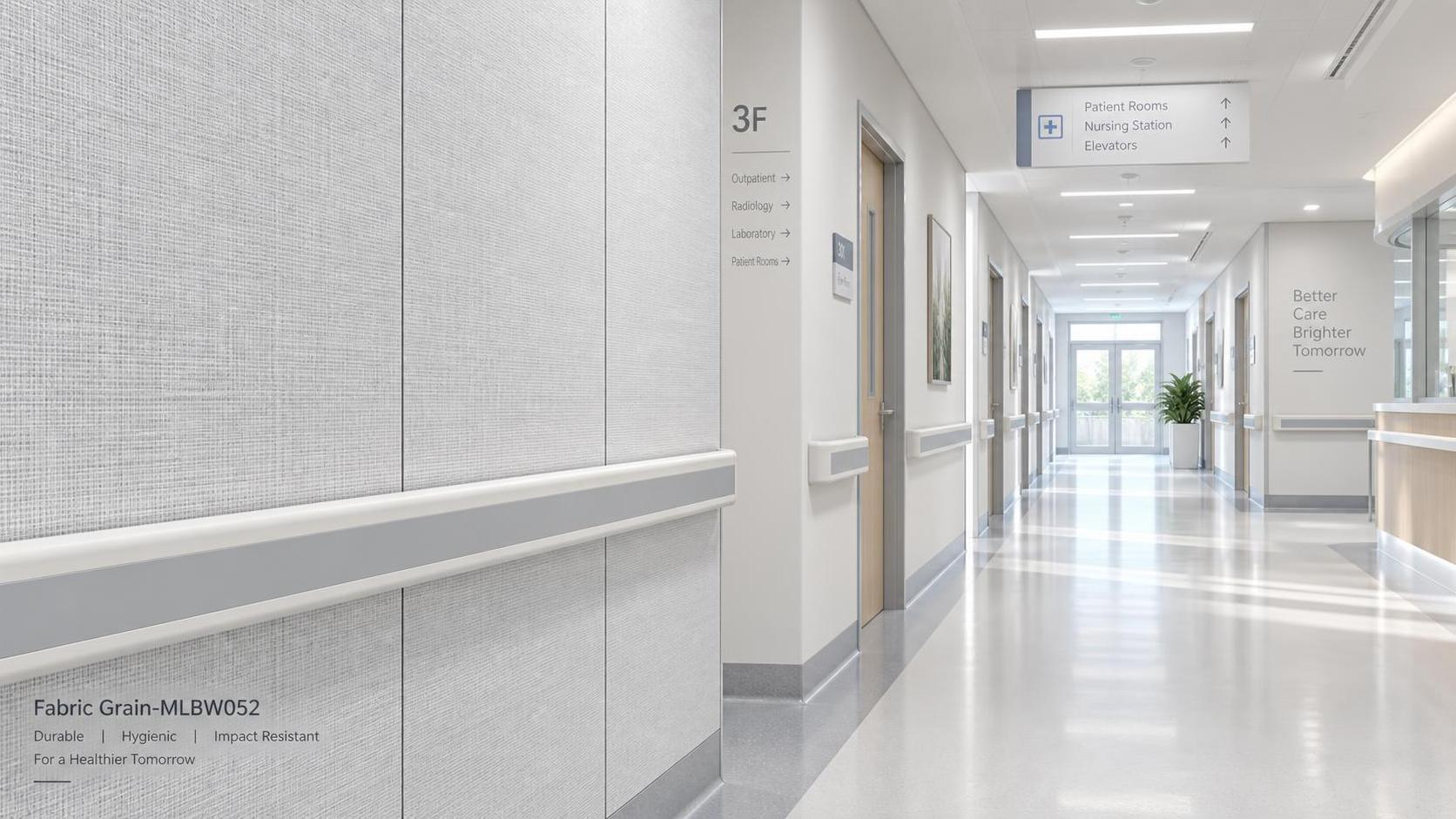
 A Buyer's Checklist for Selecting Commercial Interior Panel Solutions for a Medical FacilityDiscover the essential buyer's checklist for selecting Commercial Interior Panel Solutions for a medical facility. Learn how to prioritize hygiene, fire safety, and impact resistance for long-term performance.
 The Impact of Daylighting on the Color Stability of Commercial Interior Panel SolutionsDiscover how daylighting affects the color stability of Commercial Interior Panel Solutions. Learn key factors for long-lasting color in high-exposure commercial spaces.
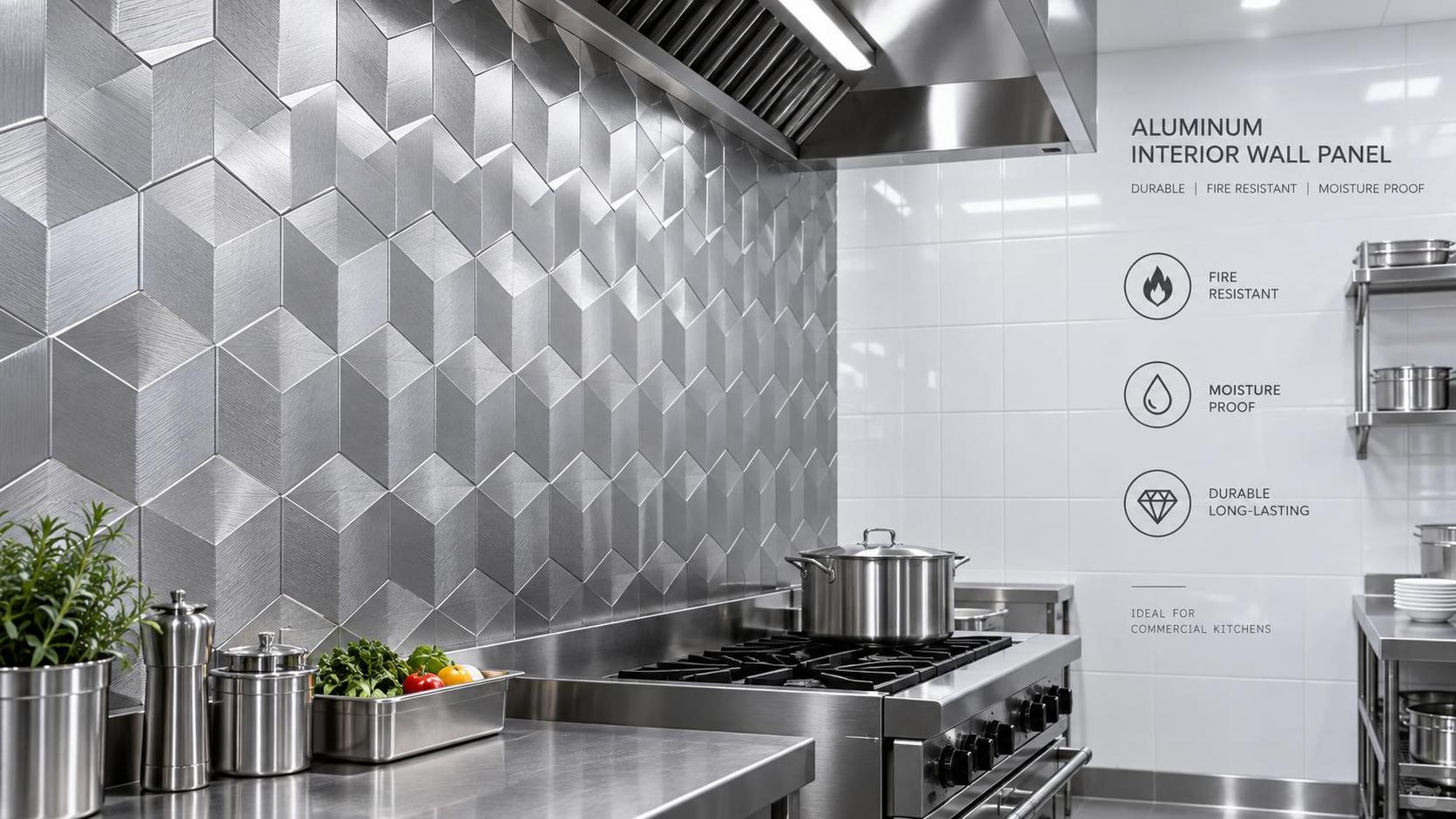
 Aluminum vs. PVC Interior Wall Cladding Panels: Which Offers Better Long-Term Value for Commercial Kitchens?Discover why aluminum interior wall cladding panels outperform PVC for commercial kitchens. Compare fire safety, hygiene, and long-term value to make the best investment for your facility. Click to learn more.
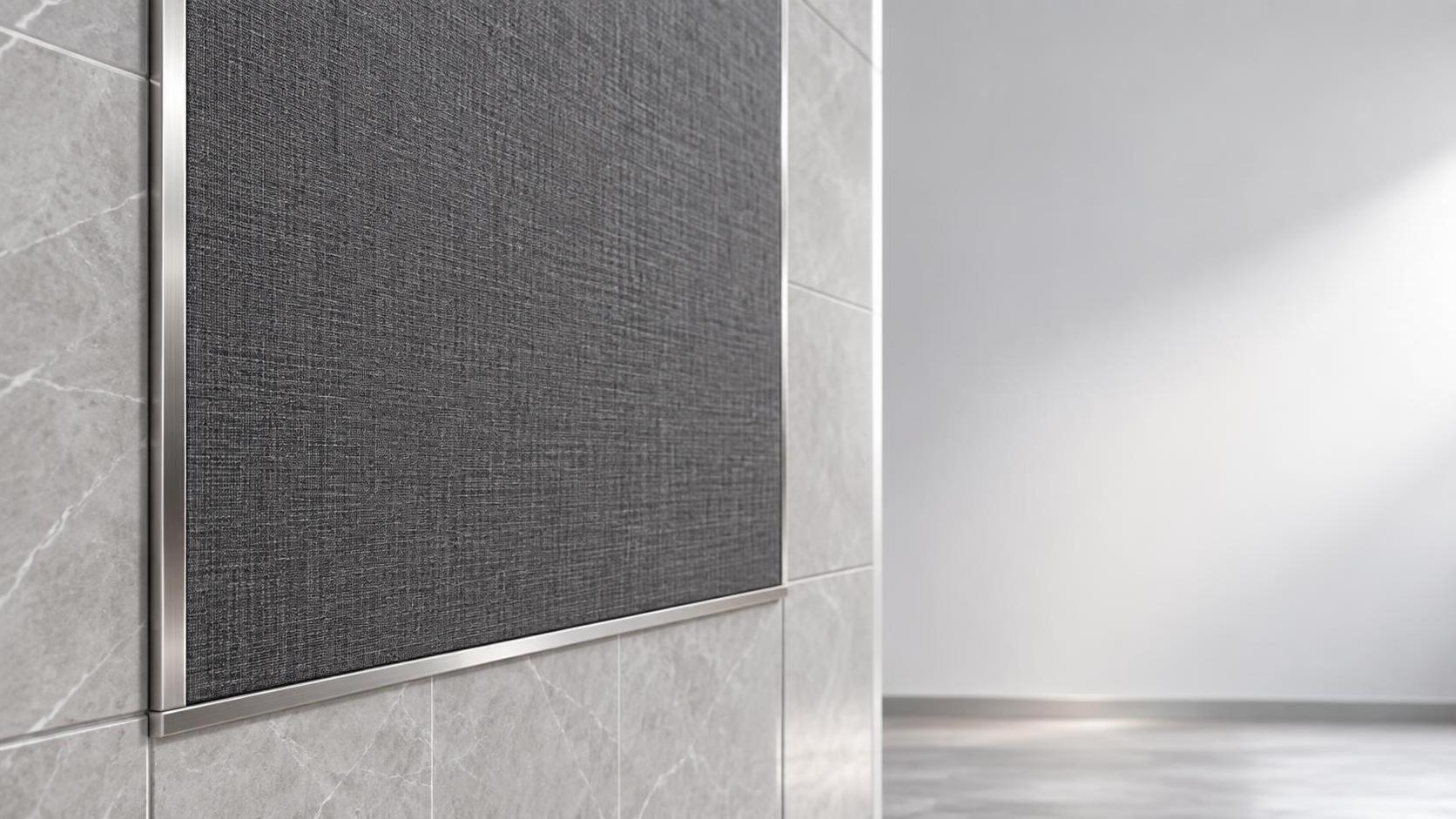
 How to Install Interior Wall Cladding Panels Over Existing Tiles Without Demolition?Learn how to install interior wall cladding panels over existing tiles without demolition. Save time, money, and mess with our expert guide on surface prep, adhesive, and finishing tips. Transform your space today!
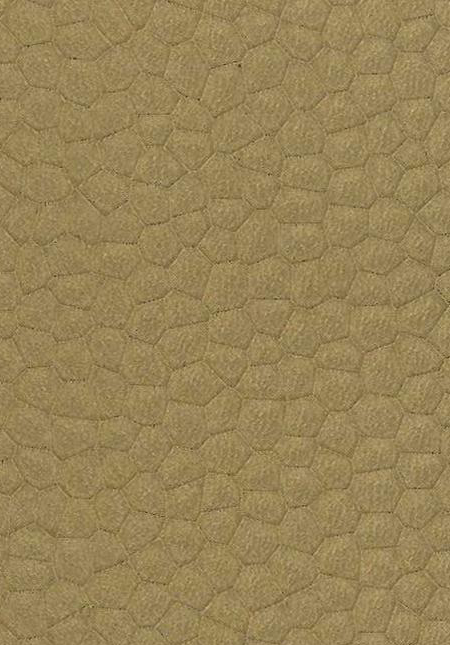
 Embossed Metal-Water Cube Rosegold
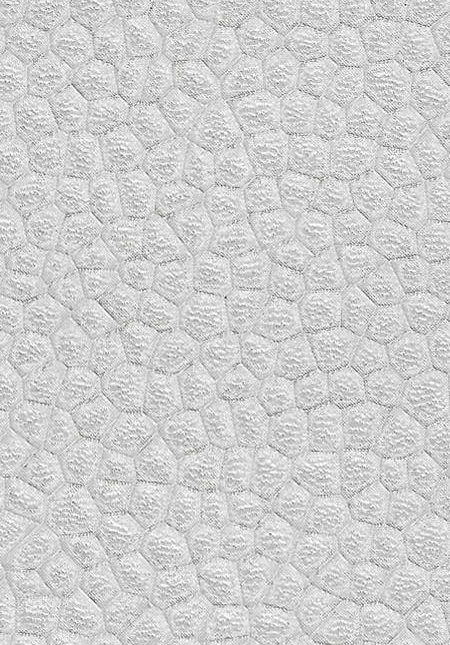
 Embossed Metal-Water Cube Silver
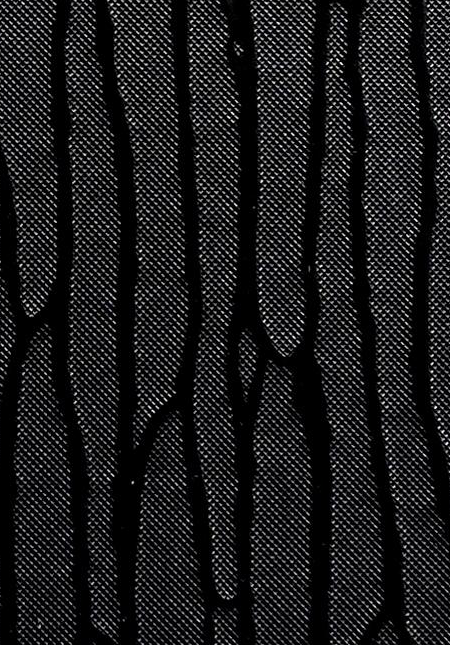
 Embossed Metal-Branch-Embossed BlackA high-performance decorative panel featuring excellent durability, premium surface finishes, and versatile applications. It is widely used for interior walls, ceilings, partitions, and commercial spaces, delivering outstanding aesthetics, reliable performance, and long-lasting value.
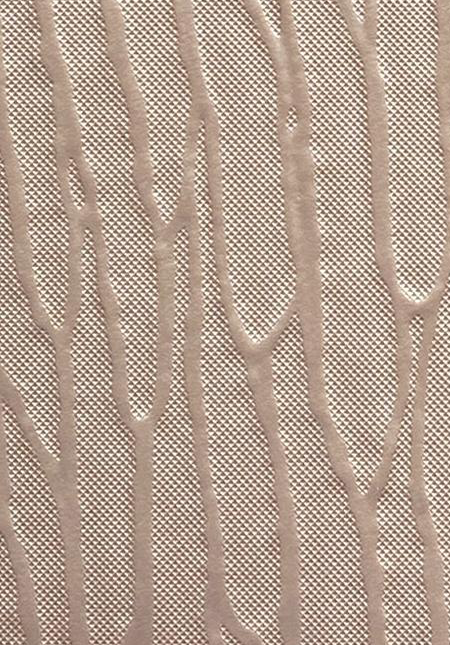
 Embossed Metal-Branch-Embossed CopperA high-performance decorative panel featuring excellent durability, premium surface finishes, and versatile applications. It is widely used for interior walls, ceilings, partitions, and commercial spaces, delivering outstanding aesthetics, reliable performance, and long-lasting value.