What Private Label Panel Production Means
Private Label Panel Production is the coordinated development and manufacture of decorative or functional panels that are sold under a buyer's own brand. The buyer defines a product position, visual language, dimensions, performance requirements, packaging, and labeling; the manufacturer converts those inputs into repeatable production specifications. It is more than adding a logo to a finished board. A credible program aligns the face material, substrate or core, edge treatment, process route, inspection plan, and commercial presentation before volume production begins.
In decorative materials, private-label panels may serve interior walls, ceilings, furniture-adjacent surfaces, partitions, hotel spaces, retail environments, exhibition systems, and project-specific assemblies. Their physical form ranges from dense polymer composite panels to stone-look composite boards and aluminum honeycomb constructions. The appropriate category depends on whether the project prioritizes visual depth, weight reduction, impact resistance, moisture exposure, structural stability, fire-related design requirements, or installation speed.
The industrial objective is controlled consistency across batches, not merely an attractive first sample. For that reason, Private Label Panel Production should be managed through documented product parameters: approved color reference, gloss range, texture direction, dimensional tolerances, panel flatness expectations, packaging method, and acceptance criteria. This structure helps importers, distributors, contractors, and design-led brands avoid a gap between a showroom sample and material received at a project site months later.
Materials And Panel Construction Principles
Panel performance begins with construction. A high-density polymer composite panel can combine a rigid decorative base with a laminated surface, producing a practical option where waterproof behavior, impact resistance, and easy cleaning matter. SHENGSHI MEILIN manufactures Meilin Board using extrusion and PUR hot-melt lamination technology. In a private-label context, this construction can be adapted through surface texture, color, size, shape, and product presentation while retaining a defined manufacturing route.
Crystal Stone Board addresses a different design need: the visual character associated with natural stone in a lighter composite format. Buyers should evaluate it as a system of appearance, substrate stability, processing behavior, and site handling rather than as a surface image alone. Vein direction, repeat pattern, gloss, edge appearance, and lighting response all influence whether a stone-look panel supports a premium interior concept and can be installed consistently across a large wall area.
Aluminum honeycomb panels use thin aluminum faces bonded to a honeycomb core, creating a favorable strength-to-weight relationship. Aluminum Honeycomb Composite Magnesium Oxysulfate Board combines that structural concept with a magnesium oxysulfate material layer for applications where fire resistance, moisture behavior, and lightweight stability must be considered together. Selection remains project-specific: a panel's construction must match the intended wall system, substrate condition, fixing method, local code requirements, and expected service environment.
Surface Finishes And Brand Differentiation
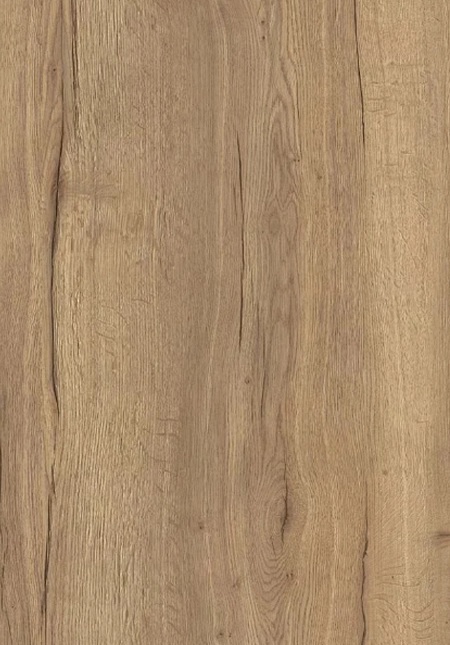
Surface development is often where Private Label Panel Production creates its clearest commercial advantage. A brand may need restrained matte neutrals for multi-project distribution, high-definition stone effects for hospitality interiors, metallic appearances for retail, or tactile wood and mineral textures for residential collections. The finish must be reviewed under representative light because color temperature, reflection, texture depth, and panel orientation can substantially change perceived appearance after installation.
A finish specification should identify the approved master sample, visual side, texture direction, gloss expectation, allowable color variation, protective-film requirement, and matching rules between production lots. Buyers should also specify how cut edges, joints, corners, and accessories will appear. These details are commercially important because installers and end users see interfaces first. A high-quality face can lose value when joint lines, inconsistent grain direction, or poorly coordinated trims undermine the intended design.
SHENGSHI MEILIN supports customer design from drawings, samples, specifications, or project requirements. Its stated services include texture and color development, material and structural optimization, size and shape customization, prototype creation, OEM manufacturing, and private-label product development. This makes the supplier conversation more productive when the buyer brings a clear design brief, target application, reference panel, anticipated order pattern, and required approval sequence instead of only a general color request.
Manufacturing Process And Quality Control
A disciplined Private Label Panel Production workflow normally starts with requirement review. The manufacturer confirms panel construction, dimensions, finish, intended use, cutting or routing needs, packaging, and target-market documentation needs. Material selection follows, including the decorative layer, core or substrate, adhesive system, metal facing where applicable, and protective materials. A prototype or pre-production sample should be approved before the buyer commits to full-scale production, particularly for new colors, bespoke structures, or engineered sizes.
Production may include extrusion, lamination, bonding, curing, cutting, edge processing, surface protection, and packing. PUR hot-melt lamination is relevant where a durable bond between decorative layers and panel substrates is required. For honeycomb systems, adhesive distribution, core bonding, face alignment, and flatness control are central process considerations. Each step can influence the final panel's visual uniformity, rigidity, handling characteristics, and suitability for the planned installation method.
Quality control should combine incoming-material checks, in-process monitoring, and final inspection. Practical inspection points include dimensions, diagonal measurement, flatness, surface defects, color comparison against the approved reference, edge condition, protective-film integrity, count accuracy, and carton condition. For project work, buyers should agree on sampling rules, records for batch identification, and a process for handling nonconforming material. Where a project requires a particular standard or test report, the requirement should be confirmed early against the actual panel construction and destination market.
Who Uses Private Label Panel Production And Where
Typical users include building-material distributors building proprietary collections, interior brands seeking differentiation, contractors sourcing standardized project materials, hospitality suppliers, furniture and wall-system integrators, and developers with repeatable design standards. Each group purchases differently. Distributors need stable catalog logic and replenishment potential; contractors need delivery, installation compatibility, and batch coordination; brands need a distinct finish story; engineering buyers need a construction that meets the demands of the specified assembly.
Applications include residential interiors, commercial spaces, hotel lobbies, reception areas, restaurant environments, office buildings, private clubs, exhibition halls, and feature walls. SHENGSHI MEILIN identifies Meilin Board for interior decoration and customized engineering applications, Crystal Stone Board for luxury and high-end decorative spaces, and aluminum honeycomb products for architectural decoration and demanding commercial or public projects. The recommended panel should be chosen by use condition, not simply by visual preference.
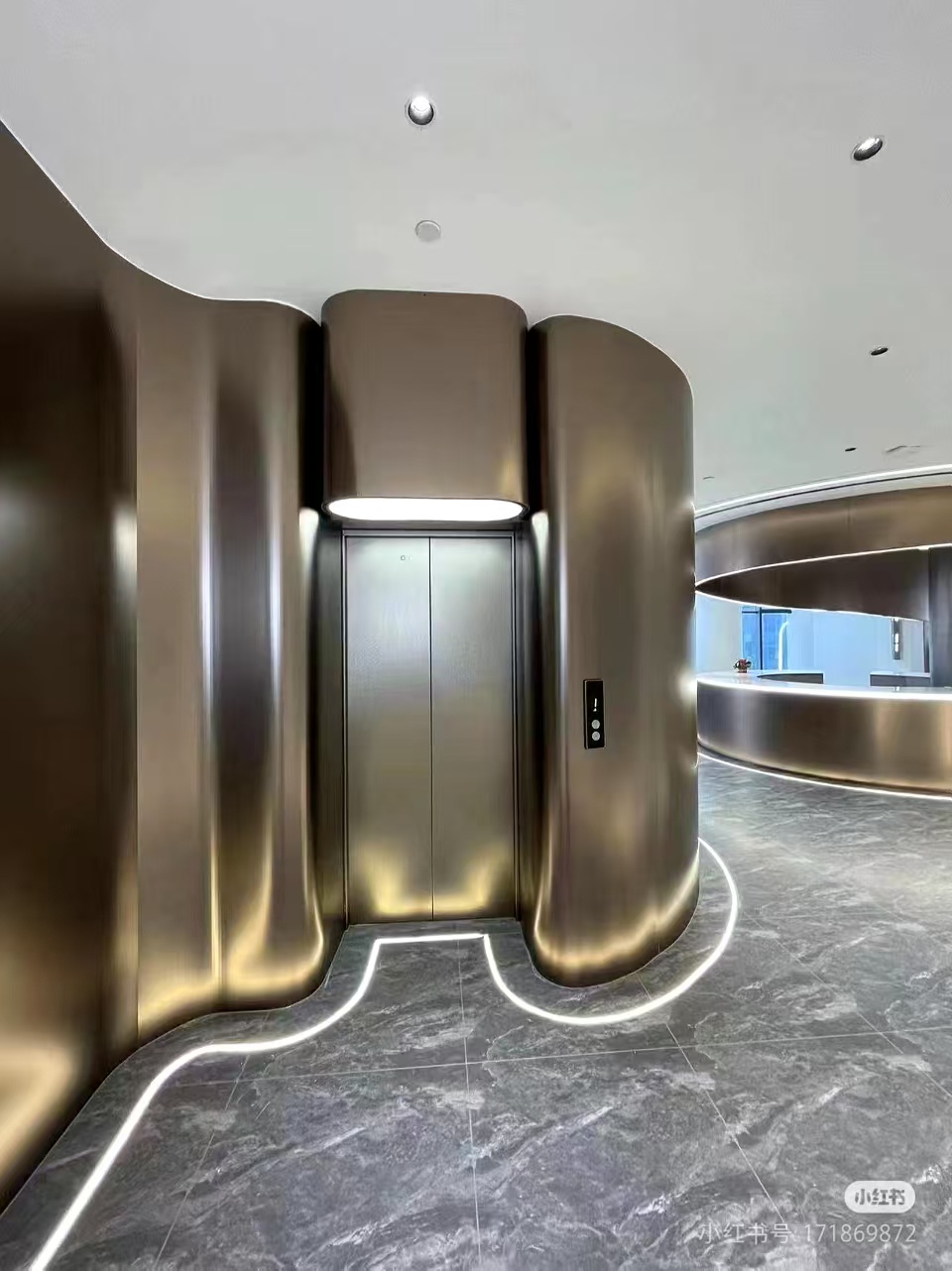
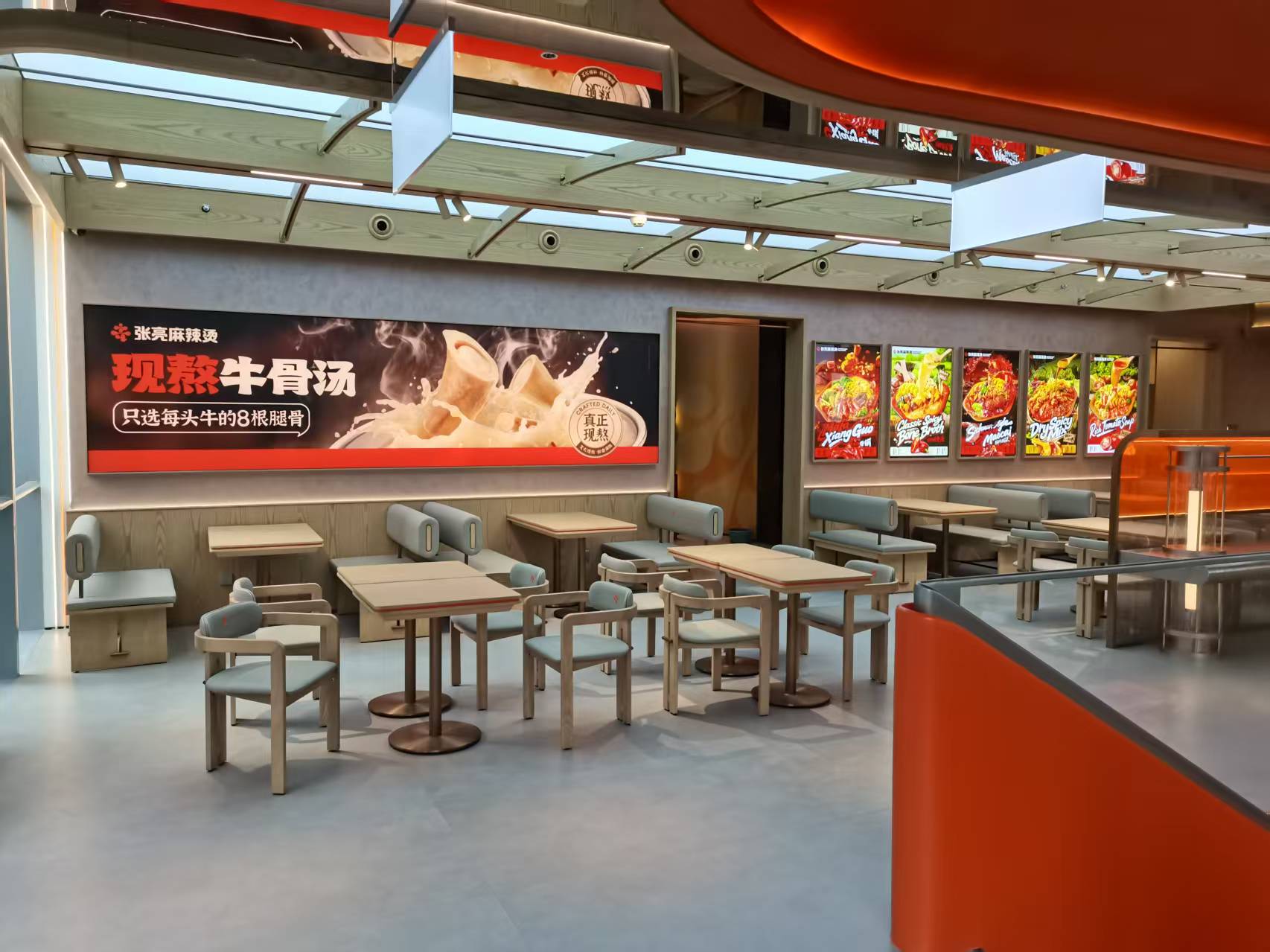
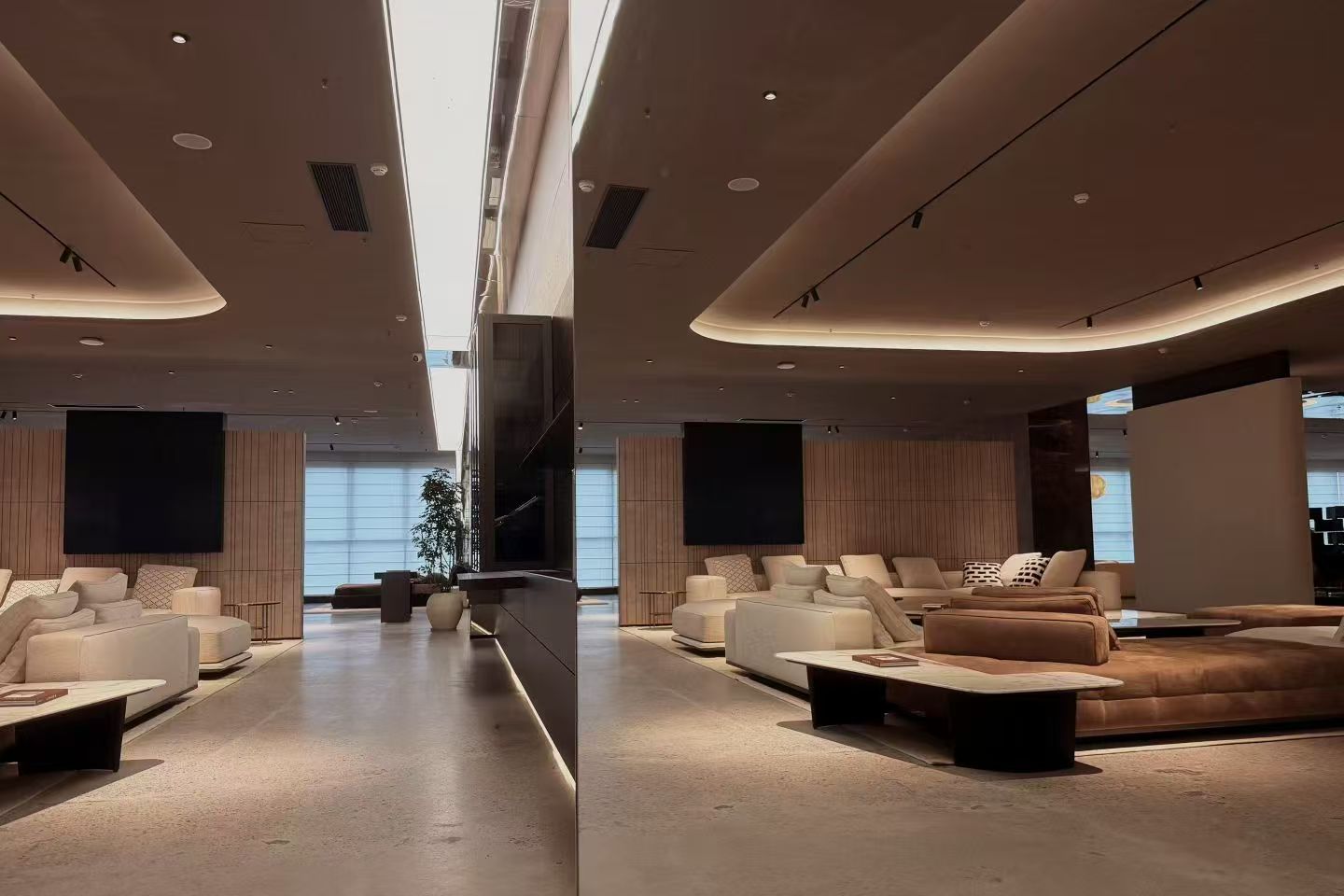
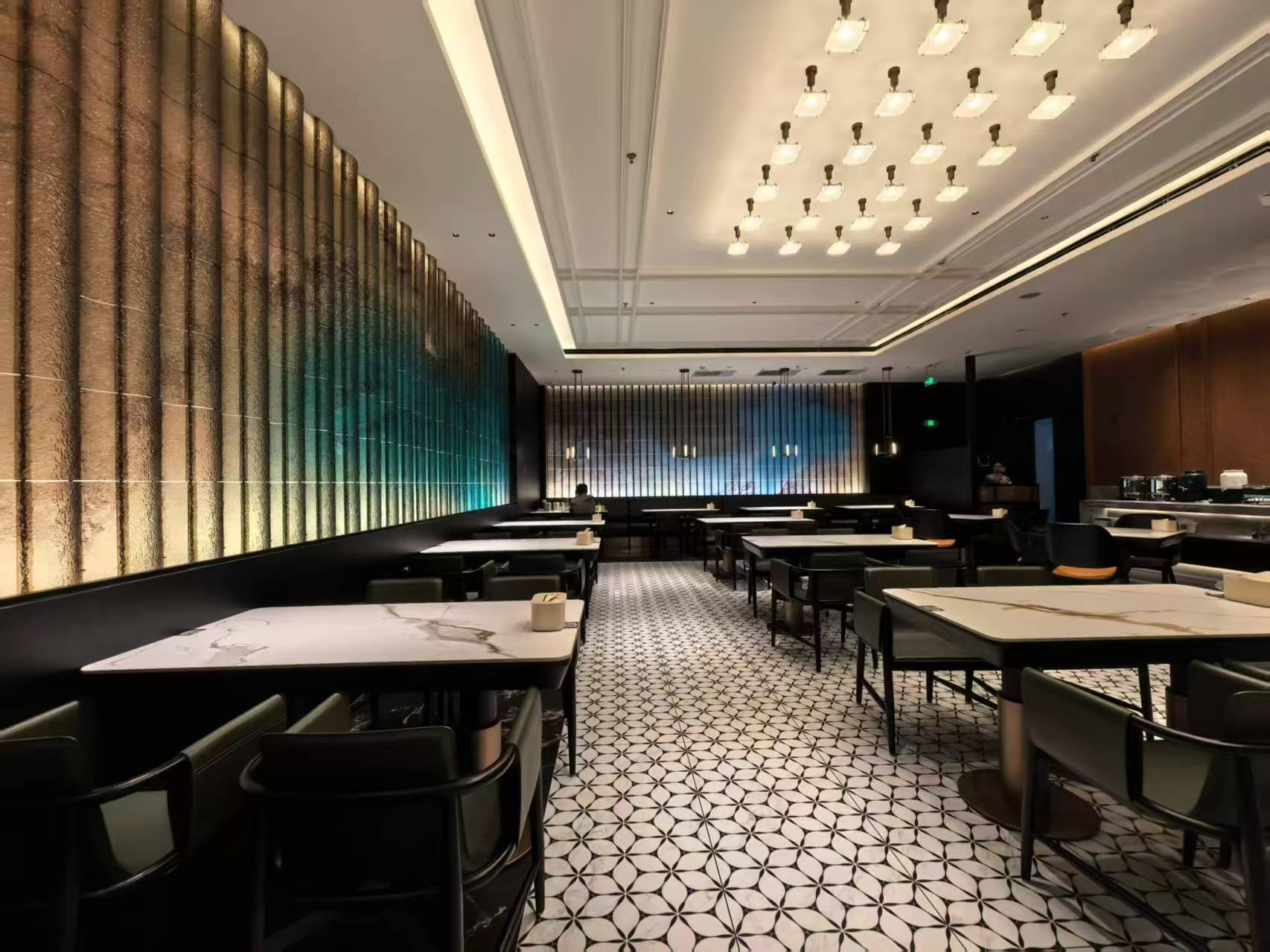
The company's published application examples include Qing Shui Wa Tai Series Projects, Liju Exhibition Hall, Zhang Liang Catering Projects, Zhang Liang Group Office Building, Colorful Holiday Hotel, hotel lobbies, reception areas, and private clubs. These examples indicate the relevance of panel systems where appearance must coexist with practical site performance. They should be treated as application references rather than as a substitute for project-specific validation, drawings, samples, or local compliance review.
Selection Standards Installation And Lifecycle Planning
A procurement specification should begin with the installation environment: dry interior, humidity-prone area, high-traffic commercial zone, public building, or specialized engineered location. Next, define the panel's role as decorative cladding, lightweight wall element, background surface, partition component, or finish layer within another system. Buyers should then evaluate dimensions, weight, rigidity, expected substrate, fastening or adhesive approach, joint design, thermal movement allowance, cutting conditions, and access for replacement or maintenance.
Industry standards are best approached as a verification framework rather than marketing language. Fire-related, emissions, moisture, durability, and structural requirements vary by country, application, and wall assembly. A buyer should identify the governing local requirements, determine whether testing is required for the individual panel or the installed system, and ask for relevant available documentation before approval. SHENGSHI MEILIN's fire-resistant composite magnesium oxysulfate panel is a logical product category to assess when a project calls for a fire-conscious lightweight composite solution.
Installation quality affects lifecycle value. Panels should be stored according to supplier guidance, acclimatized when appropriate, handled with clean protective surfaces, cut using suitable equipment, and fixed on a prepared substrate. Site teams should inspect color and direction before fitting, preserve protective film until practical completion, and keep records of production batches. Maintenance planning generally covers routine cleaning, avoiding incompatible chemicals or abrasives, periodic joint inspection, and prompt replacement of damaged panels before moisture or impact affects surrounding finishes.
Cost Drivers Return On Investment And Future Trends
The total cost of ownership for Private Label Panel Production extends beyond the ex-factory panel price. Cost drivers include material construction, surface complexity, custom color development, tooling or sampling, order volume, cutting and shape processing, packaging protection, freight efficiency, import handling, installation labor, waste allowance, and maintenance. Lightweight panels may reduce handling and structural demands in some applications, while customized finishes can justify a higher initial cost when they create a differentiated collection or support a higher-value project specification.
Return on investment improves when buyers reduce rework, avoid unnecessary variants, standardize repeatable dimensions, and approve details before production. A practical comparison should model landed cost per usable square meter, expected installation time, accessory needs, damage risk, lead time, and replacement availability. The lowest unit price can become expensive when it introduces inconsistent batches, complex site cutting, inadequate packaging, or a finish that does not meet market expectations. Pilot orders are useful for validating both product performance and the supply workflow.
Future development in private-label decorative panels is likely to emphasize material efficiency, lighter composite structures, easier installation, refined digital surface design, lower-emission material choices, and more transparent product documentation. Buyers will also expect shorter development cycles without sacrificing batch control. SHENGSHI MEILIN can support this direction through customized panel solutions, material development, processing, OEM production, and engineering project support. The strongest programs combine a distinctive finish with a manufacturable specification, disciplined approvals, and an application-led value proposition.