What Decorative Panel OEM Service Means
Decorative Panel OEM Service is a business-to-business manufacturing arrangement in which a panel producer develops and makes decorative or functional boards to a buyer's drawings, samples, specifications, brand requirements, or project needs. The service may cover material selection, core construction, surface appearance, dimensional processing, packaging, sampling, and repeat production. It is broader than purchasing a standard board because the buyer can define the product attributes that affect installation, visual identity, durability, and commercial positioning.
A decorative panel is usually a layered engineered product rather than a single material. Its performance depends on the interaction between the face layer, decorative film or coating, adhesive system, substrate or core, edge treatment, and protective surface. Depending on the design brief, an OEM panel can prioritize moisture resistance, impact performance, fire-related requirements, lightweight construction, dimensional stability, easy cleaning, or a stone, wood, metal, textile, or solid-color visual effect.
For purchasers, a well-defined Decorative Panel OEM Service converts an intended design into a controlled product specification. It should state the panel construction, nominal dimensions, permitted tolerances, surface code, gloss or texture expectations, intended indoor or outdoor exposure, installation method, inspection criteria, and acceptance process. This discipline reduces ambiguity between the design concept, factory production, shipment condition, and final site installation.
Materials And Core Panel Categories
The main categories are commonly distinguished by their core structure and face material. High-density polymer composite boards are selected where water resistance, practical processing, and durable decorative surfaces are important. Stone-look composite boards are used when projects need a premium mineral appearance with less weight and easier handling than many natural stone installations. Each category has a different balance of rigidity, weight, machining behavior, surface protection, and cost.
Aluminum honeycomb panels use a thin aluminum skin and a cellular honeycomb core. Their structure can provide an efficient strength-to-weight ratio and good dimensional stability for larger wall, ceiling, exhibition, or architectural cladding elements. Surface options may include coated aluminum, printed decorative layers, metal effects, or other approved finishes. Buyers should assess skin thickness, core geometry, bonding quality, edge closure, and framing compatibility instead of judging this category by appearance alone.
Aluminum honeycomb composite magnesium oxysulfate boards address applications where lightweight construction and enhanced fire-related material performance are relevant considerations. Their suitability still depends on the complete assembly, local building rules, fixing system, joint design, and documented test requirements for the destination market. SHENGSHI MEILIN offers Meilin Board, Crystal Stone Board, Aluminum Honeycomb Panel, and aluminum honeycomb composite magnesium oxysulfate board options, allowing buyers to compare distinct constructions within one product-development discussion.
How OEM Manufacturing Builds Performance
The manufacturing route begins with a technical review. The manufacturer clarifies drawings, panel layout, finish references, thickness, use environment, cutting requirements, minimum order expectations, and target market. Material engineers then match the requested appearance and function to a feasible construction. Early review is essential because a visual reference alone cannot define substrate density, adhesive compatibility, flatness allowance, thermal movement, fixing approach, or the protective performance required after installation.
For polymer composite decorative panels, extrusion can form a dense and consistent substrate profile, followed by PUR hot-melt lamination to bond the selected decorative surface. PUR systems are valued in panel production for their durable bonding potential when process parameters, material preparation, and curing conditions are controlled. For honeycomb structures, face sheets, core material, adhesive application, pressing conditions, trimming, and edge finishing must work together to maintain panel integrity and a clean visible result.
A capable Decorative Panel OEM Service normally uses a staged process: specification confirmation, material preparation, prototype or sample review, approved production setup, lamination or composite assembly, curing where applicable, cutting and machining, surface inspection, packing verification, and shipment release. SHENGSHI MEILIN supports customer design from concept through production, including texture and color development, structure optimization, size and shape customization, prototype work, OEM development, and private-label product development.
Selecting Panels For Use And Installation
Panel selection should begin with the installation environment rather than a finish sample. Interior walls, hotel reception areas, restaurant spaces, retail displays, office fit-outs, public buildings, and engineered wall systems expose panels to different traffic levels, humidity patterns, cleaning routines, lighting conditions, and fire-related design obligations. A product that performs well as a feature wall may require a different core, support system, or surface protection when used across a large commercial circulation area.
Buyers should specify the visible face, nominal thickness, panel size, edge detail, direction of grain or pattern, cut-out positions, allowable color variation, substrate support, and joint treatment. They should also determine whether panels will be glued, mechanically fixed, installed on battens, mounted in a cassette system, or integrated into prefabricated modules. These installation decisions influence the needed flatness, fixing-zone reinforcement, panel weight, thermal movement allowance, and packaging design.
Before approving mass production, request representative samples under the intended lighting and compare them with the approved control sample. Inspect color, gloss, texture alignment, edge quality, protective film behavior, and any required machining. Confirm the destination project's applicable requirements with its architect, engineer, contractor, or local authority. Common references may include fire performance, emissions, moisture behavior, and mechanical properties, but the applicable standard and required evidence vary by country, building type, and system design.
Quality Control And Manufacturing Standards
Manufacturing standards are most useful when translated into measurable inspection points. Incoming materials can be checked against approved specifications for surface condition, color reference, thickness, and lot traceability. During production, factories monitor forming, adhesive application, press conditions, lamination alignment, curing, and machining settings. Final inspection typically reviews dimensions, diagonal difference where relevant, flatness, surface defects, edge damage, finish consistency, and packing condition before goods are released.
For private-label projects, the quality agreement should define what is measured, the sample method, acceptance thresholds, documentation expected, and the process for handling nonconforming material. A buyer should distinguish a panel-level claim from a claim about a complete wall assembly. For example, panel composition, adhesive behavior, and core construction are important inputs, while fire performance in a building can also depend on joints, cavity treatment, subframe, sealants, fixings, and surrounding materials.
SHENGSHI MEILIN's recommended approach is to align technical requirements before surface development and production release. Meilin Board is relevant for interior decorative applications requiring a high-density polymer composite solution; Crystal Stone Board can support premium stone-look concepts; and honeycomb constructions suit projects seeking lightweight structural efficiency. This product range enables the OEM discussion to focus on the correct material architecture instead of forcing every brief into one standard panel format.
Applications, Buyers, And Project Evidence
Typical users of Decorative Panel OEM Service include interior-material distributors, architectural product brands, hospitality contractors, fit-out companies, developers, furniture and fixture producers, exhibition contractors, and project procurement teams. Their needs differ: a distributor may need repeatable private-label collections, while a hotel project may need coordinated finishes, managed panel sizes, and practical replacement planning. Engineering buyers often place greater emphasis on assembly compatibility, documentation, logistics, and installation sequencing.
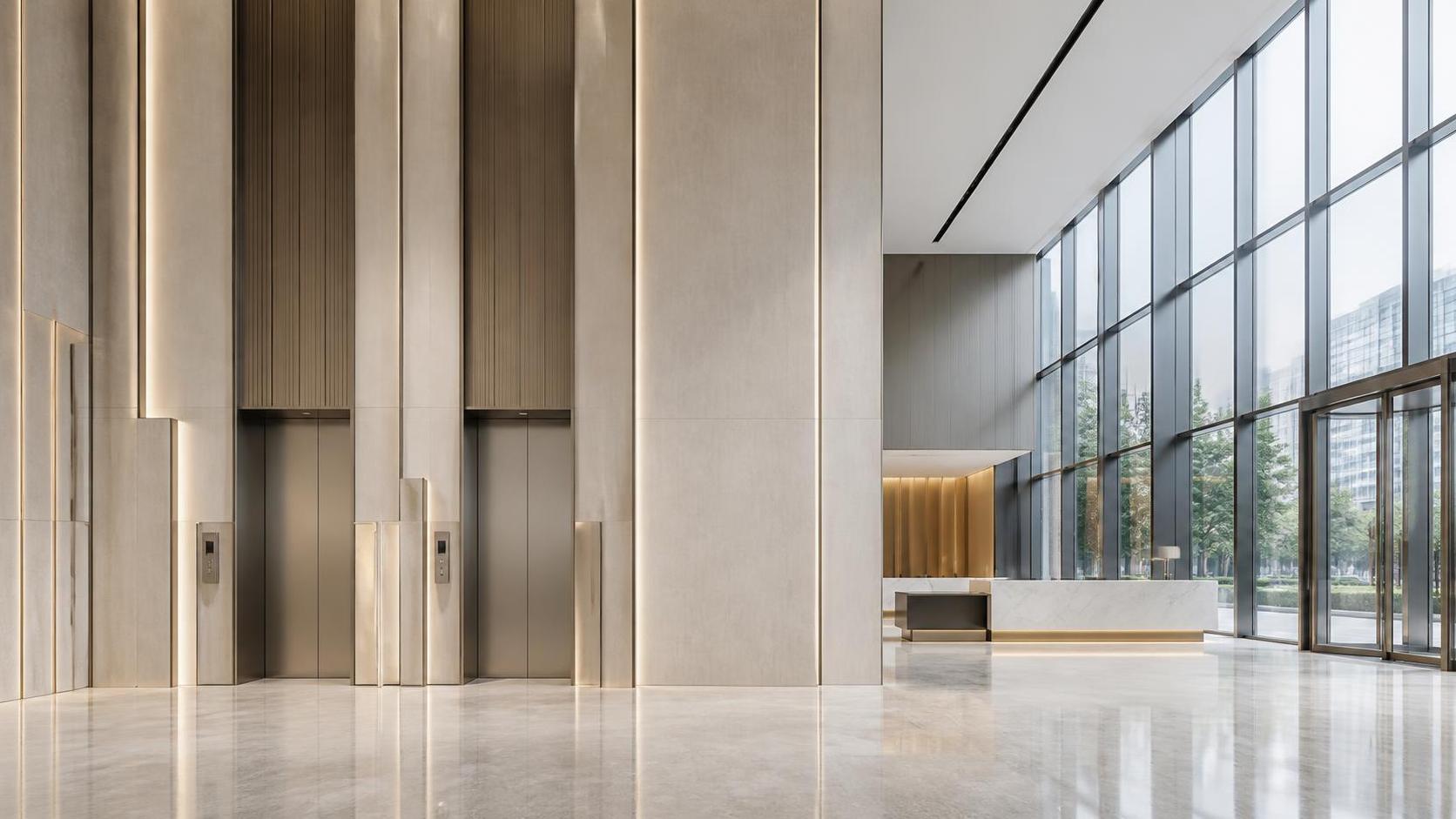
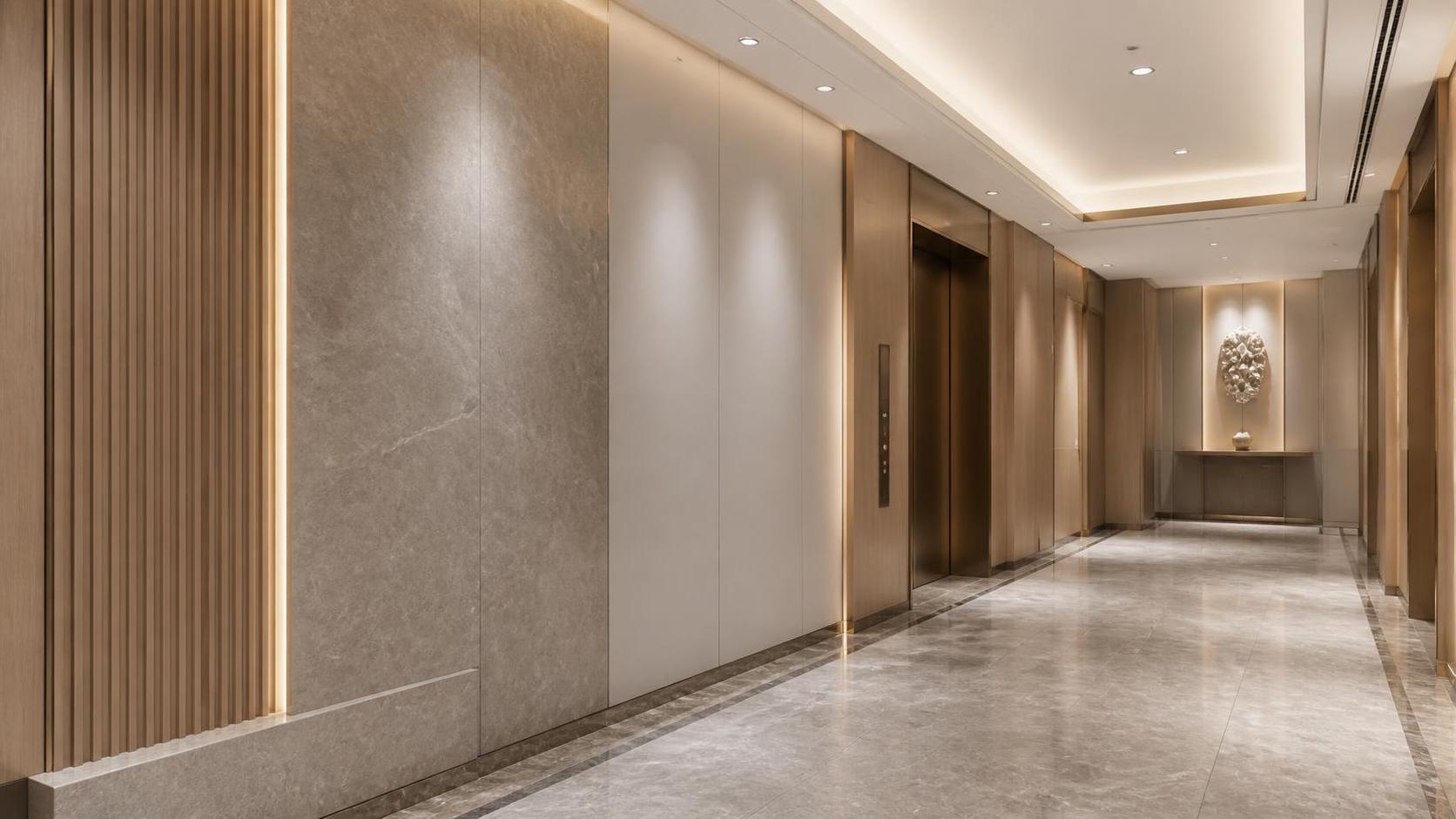
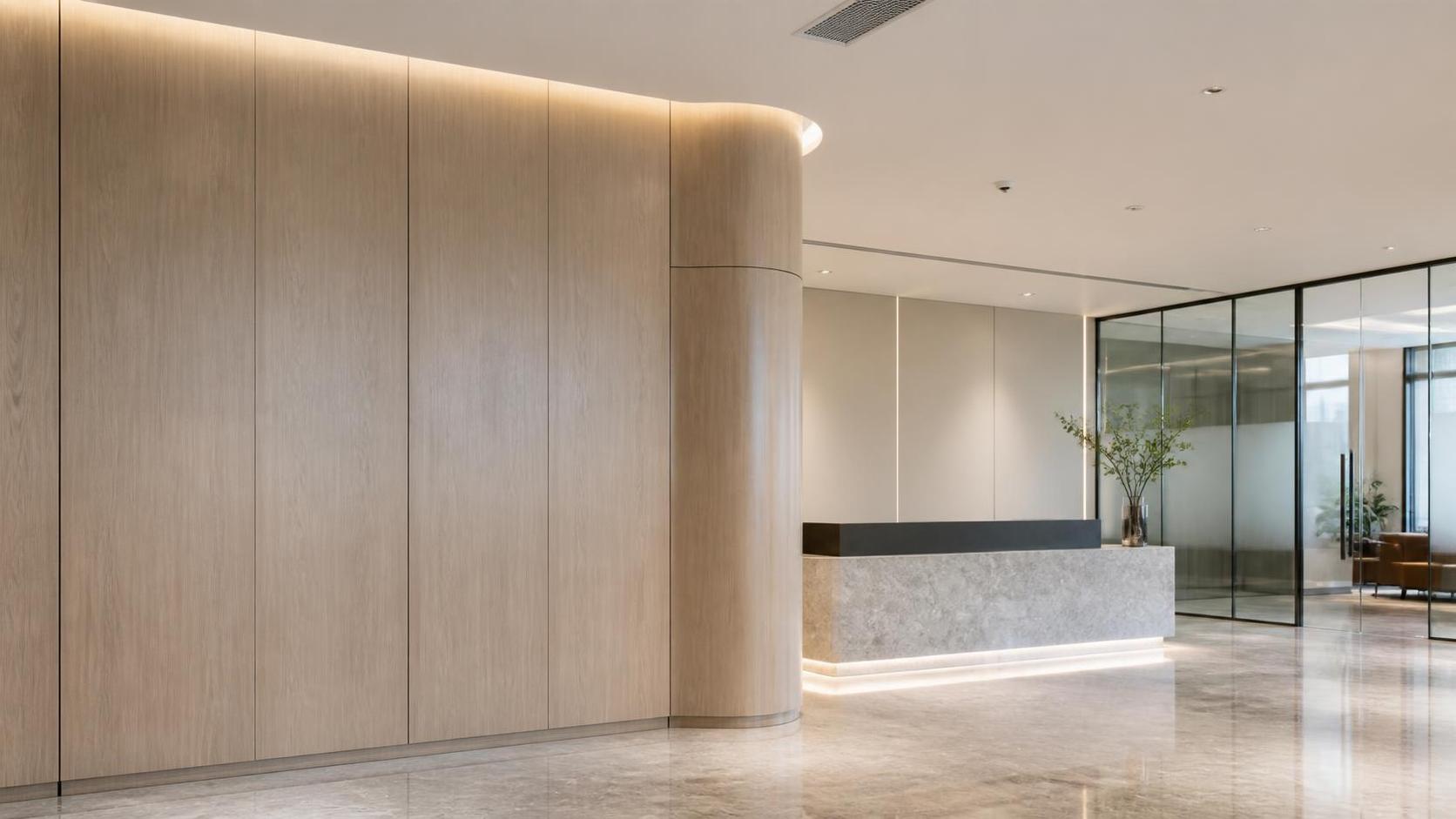
SHENGSHI MEILIN materials have been applied in commercial and high-end interior settings including Qing Shui Wa Tai Series Projects, Liju Exhibition Hall, Zhang Liang Catering Projects, hotel lobbies and reception areas, private clubs, Zhang Liang Group Office Building, and Colorful Holiday Hotel. These references illustrate relevant use environments for decorative panels, such as hospitality, dining, offices, display spaces, and feature-wall applications. They should be treated as application examples rather than universal performance certification for unrelated buildings or systems.
The right time to use OEM development is before finish schedules, fixing details, and procurement quantities are frozen. A pre-production sample can reveal issues that are expensive to correct later, including pattern direction, panel joints, edge exposure, reflection under lighting, handling limits, or mismatch with adjacent materials. For phased projects, retaining an approved master sample, panel code, production record, and installation reference supports more consistent future replenishment and renovation work.
Total Cost, Maintenance, And Future Trends
The total cost of ownership is larger than the panel ex-works price. Buyers should include design development, sampling, tooling or setup, material yield, machining, protective packaging, freight volume, customs exposure, site handling, subframe or adhesives, installation labor, waste, spare panels, cleaning, repairability, and expected replacement cycles. A lower purchase price can be offset by poor dimensional consistency, difficult cutting, damage in transit, or a finish that cannot be matched when repairs are needed.
Maintenance planning should match the selected surface and use conditions. Cleaning products should be checked against the face material, and abrasive methods should be avoided unless specifically approved. High-contact zones benefit from a defined cleaning routine and accessible replacement strategy. Procurement teams can improve return on investment by standardizing panel modules where design permits, ordering reasonable attic stock, documenting batch information, and evaluating installation labor alongside material cost during supplier comparison.
The decorative-panel market is moving toward more realistic textures, lighter composite structures, lower-emission material choices, digitally managed design development, and product systems that simplify installation. Demand is also increasing for customized colors, project-specific dimensions, and surfaces that combine visual differentiation with practical durability. A structured Decorative Panel OEM Service helps buyers respond to these trends by linking concept development, prototype validation, controlled manufacturing, and repeatable supply in one accountable production process.
 What Panel Thicknesses Are Available for Large Commercial Lobby Projects?What thickness options exist for interior wall cladding panels in large commercial lobby projects? Explore 3–12 mm panel choices for durable, stylish, high-performance lobby walls.
 Should Boutique Hotels Switch from Gypsum to Composite Wall Panels?Is it worth switching to composite panel solutions over traditional gypsum wall systems for boutique hotels? Compare durability, fire safety, acoustics, costs, and renovation speed.
 How Well Can Custom Panel Makers Deliver Design Intent On Site?How well can custom panel manufacturers replicate design intent from concept drawings to installed result? Discover the precision behind flawless installations.
 Do Waterproof Wall Panels Need Special Maintenance in Commercial Restrooms?Do waterproof interior wall panels require special maintenance in commercial restroom areas? Discover cleaning, sealing, and inspection tips for lasting hygiene.